How Did Indians Shoot Bows: A Guide to Native American Archery
Native Americans shot bows made from woods like Osage orange, tipped with stone or bone arrowheads, often while on horseback or hidden in cover. Tribes like the Comanche and Cherokee relied on this skill for hunting and survival long before firearms arrived. This guide covers the tools, techniques, and easy ways beginners can try traditional archery today. For more on this, see our guide on How Do You Hang Your Bow On Stand.
What Is “How Did Indians Shoot Bows”?
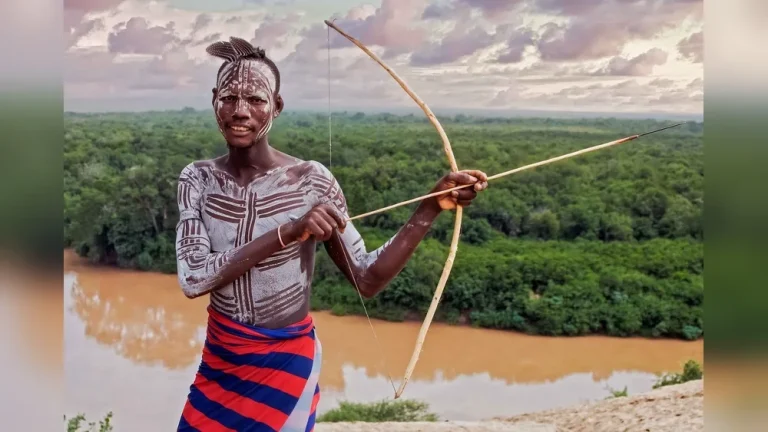
Native Americans used bows and arrows for hunting and battle long before guns arrived. Their archery was a mix of skill, craft, and survival. Tribes like the Comanche and Cherokee made bows from wood like Osage orange and used arrows with stone or bone tips. They shot with precision, often from horseback or while hiding. This matters because it shows how clever and resourceful they were, using simple tools to thrive.
Why is this cool? Archery connects you to history. It’s a fun way to learn about Native American culture while trying a new skill. Plus, it’s a great outdoor activity that anyone can enjoy!
Why Native American Archery Is Awesome
Native American archery wasn’t just about shooting arrows—it was a way of life. Hunters used bows to feed their families, and warriors used them to protect their people. I love how they turned simple sticks and strings into powerful tools. Here’s why it’s worth learning:
- It’s practical: Bows were light, easy to carry, and worked in all kinds of terrain.
- It’s skillful: Aiming while moving or hiding took serious practice.
- It’s fun: Shooting a bow feels like stepping into history!
Tools and Materials for Native American-Style Archery
To shoot like a Native American, you need a few basic things. Don’t worry—it’s not pricey,EAD0or complicated. Here’s what you need:
- Bow: A simple recurve bow mimics the “self bows” made from wood like yew or Osage orange. A beginner’s recurve costs $50-$100.
- Arrows: Wooden or carbon arrows with feather fletchings work great. A dozen arrows cost about $20-$40.
- String: Dacron strings are affordable and durable, around $10.
- Target: A basic foam target is $15-$30.
Best Horseback-Style Bow Pick
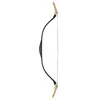
Turkish Horseback Archery Bow – $99.99
This guide notes many tribes shot from horseback — this short bow style is built for exactly that kind of mounted, close-quarters shooting.
- Best for: trying the horseback-style shooting this guide describes historically
- Why we picked it: short, maneuverable design similar to traditional mounted archery bows
- Main drawback: above the $50-100 beginner recurve range this guide quotes for a standard self-bow
Compare more traditional archery starter gear
 Option 1 Traditional Wood Longbow – $180.49
|  Option 2 Turkey Feather Fletching – $11.50
|  Option 3 Practice Field Points – $8.79
|
As an Amazon Associate we earn from qualifying purchases.
You can find these at sporting goods stores or online. For authenticity, try crafting a wooden bow with a draw knife, like Native Americans did!
Here’s a quick table comparing modern and traditional tools:
| Tool | Traditional (Native American) | Modern Option | Cost |
|---|---|---|---|
| Bow | Osage orange self bow | Recurve bow | $50-$100 |
| Arrows | Wooden, feather-fletched | Carbon arrows | $20-$40/dozen |
| String | Sinew or plant fiber | Dacron string | $10 |
Table 1: Comparing traditional and modern archery tools for beginners.
How Did Indians Shoot Bows? A Step-by-Step Guide
Native Americans had unique shooting styles, often tailored to their environment. Here’s a simple guide to shoot like they did:
- Grip the bow: Hold the bow with your non-dominant hand, keeping your arm straight.
- Nock the arrow: Place the arrow’s notch on the string, resting it on your hand or a simple rest.
- Draw the string: Use two or three fingers to pull the string back to your cheek. Some tribes, like the Yahi, used a thumb draw.
- Aim: Look at the target, not the arrow. Native Americans often aimed instinctively, without sights.
- Release: Let go smoothly, keeping your bow steady.
Tip: Practice in an open area, like a backyard, to stay safe. Start with a target 10 yards away.
For a visual idea, imagine a diagram showing a side view of an archer with a straight arm and the arrow at cheek level. Another diagram could show the thumb draw versus the two-finger draw.
Shooting from Horseback: The Comanche Way
The Comanche were famous for shooting bows from horseback—a tough skill! They’d lean low, using the horse for cover, with only their head and shoulder visible. This let them shoot while moving fast. I tried this once at a local range with a horse simulator—what a thrill! It’s tricky, but here’s how to start:
- Use a short bow: Shorter bows (50-60 inches) are easier to handle on the move.
- Practice balance: Try shooting while walking first to get the feel.
- Stay safe: Always have a spotter or instructor for moving shots.
A diagram of a rider leaning low on a horse, bow drawn, would help visualize this.
Benefits and Drawbacks of Native American Archery
Why try this style? It’s fun, historical, and builds focus. But it’s not perfect. Here’s a quick look:
| Aspect | Benefits | Drawbacks |
|---|---|---|
| Learning Curve | Builds patience and skill | Takes practice to aim well |
| Cost | Basic gear is cheap | Quality bows can get pricey |
| Fun Factor | Feels like a history adventure | Can be tiring for beginners |
Table 2: Pros and cons of Native American-style archery.
Common Mistakes to Avoid
When I started, I made tons of mistakes. Here are some to dodge:
- Pulling too hard: Don’t yank the string; pull smoothly to avoid shaking.
- Bad stance: Stand with feet shoulder-width apart for balance.
- Ignoring safety: Never aim at people or animals, even as a joke.
Safety tip: Always check arrows for cracks before shooting to avoid snaps.
My Top Tips for Beginners
After years of shooting, here are my best tips:
- Start with a light bow (20-30 pounds draw weight) to learn form.
- Practice 10 minutes a day to build muscle memory.
- Join a local archery club for free tips and gear sharing.
For a fun project, try making a simple wooden bow. Use a straight piece of wood (like ash), a draw knife, and sandpaper. Shape it into a gentle curve, notch the ends, and string it with Dacron. It’s a cool way to feel like a Native American bowyer!
Comparing Native American Bow Styles
Different tribes used different bows. Here’s a quick comparison:
| Tribe | Bow Type | Length | Use |
|---|---|---|---|
| Cherokee | Long self bow | 60-70 in | Hunting, warfare |
| Comanche | Short horn bow | 50-60 in | Horseback shooting |
| Apache | Sinew-backed bow | 55-65 in | Stealth hunting |
Table 3: Comparing Native American bow styles.
Alternative Approaches
Not into traditional bows? Try these:
- Modern recurve: Easier to learn, with sights for aiming.
- Compound bow: More power, less effort, but pricier ($200+).
- Crossbow: Similar to Native American bolts, great for beginners.
Each has its charm, but traditional bows feel most authentic.
Visual Ideas for Clarity
To make this easier, imagine these visuals (not included):
- A diagram of a self bow, showing the flat front and rounded back.
- A step-by-step shooting guide with labeled body positions.
- A comparison of arrow types (stone vs. metal tips).
Check out USA Archery for more visual guides.
Conclusion
Learning how Native Americans shot bows is like stepping into a time machine. From crafting simple wooden bows to shooting like a Comanche on horseback, it’s a fun, hands-on way to connect with history. Try making a bow or hitting a target with a recurve—it’s easier than it looks! Share your first shot with friends or join an archery club to keep the fun going. Grab a bow, aim high, and have a blast!
Frequently Asked Questions
What Kind of Bows Did Native Americans Use?
They used self bows made from wood like Osage orange or yew, often 50-70 inches long, with sinew or plant fiber strings. Some tribes, like the Comanche, used shorter horn bows for horseback shooting.
How Did Native Americans Aim Their Bows?
They used instinctive aiming, focusing on the target without sights. Practice and experience helped them hit moving targets accurately, even from horseback.
What Arrows Did They Use?
Arrows were wooden with feather fletchings and stone, bone, or metal tips. They were 24-36 inches long, depending on the bow and purpose.
Was It Hard to Learn Their Archery?
It takes practice but isn’t too tough. Start with a light bow and short distances. Native Americans learned young, so anyone can pick it up with time!
Can Kids Try This Style of Archery?
Yes! Use a lightweight bow (15-20 pounds) and foam targets. Always have adult supervision to keep it safe and fun.
Where Can I Buy Native American-Style Gear?
Check Lancaster Archery or local sporting stores for recurve bows and arrows. Online retailers like 3Rivers Archery sell traditional-style gear.
Why Was Horseback Archery So Special?
It was fast and sneaky! Tribes like the Comanche shot while riding, using the horse for cover, making them hard to hit in battle or hunts.