How Did People Learn to Fletch Arrows: Ancient Skills Unveiled
Have you ever wondered how people mastered the art of fletching arrows? Imagine holding a perfectly crafted arrow, its feathers aligned just so, ready to fly straight and true.
This skill, which seems almost magical, was once a vital part of survival and hunting. In a time long before factories and mass production, individuals relied on their own hands and creativity to produce weapons for hunting and defense. But how did they learn this intricate craft?
How did they know what materials to use and how to shape them? You’ll discover the fascinating journey of fletching, revealing secrets and techniques passed down through generations. You’ll uncover the ingenuity and resourcefulness of our ancestors, and perhaps find inspiration in their craft. Prepare to explore a world where every arrow told a story and every fletcher was an artist.
Origins Of Arrow Fletching
In ancient times, people needed food. They used arrows for hunting. Arrows helped catch animals from far away. Early hunters learned from nature. Birds’ feathers guided their flight. People noticed this. They started copying it. Feathers were tied to arrows. This made arrows fly better. Hunters were now more successful. This meant more food for families.
At first, tools were very simple. They used stones and bones. Over time, tools improved. People invented new tools. Flint was used to shape arrowheads. It was sharp and strong. Later, they used metal. Tools became even better. Arrows were made faster and stronger. This made hunting easier. Tools changed with needs. Adaptation was key to survival.
Materials Used In Ancient Fletching
Feathers were key for arrow flight. People used bird feathers. Eagle and hawk feathers were popular. They helped arrows fly straight. Turkey feathers were also used. They were easy to find. Each feather was carefully selected. Only strong feathers were used. This made arrows better.
Wood was important for arrow shafts. Ash wood was often used. It is strong and light. Cedar wood was another choice. It is easy to work with. Oak wood was also used. It is very durable. People chose wood wisely. Strong wood made arrows last longer.
Techniques In Crafting Arrows
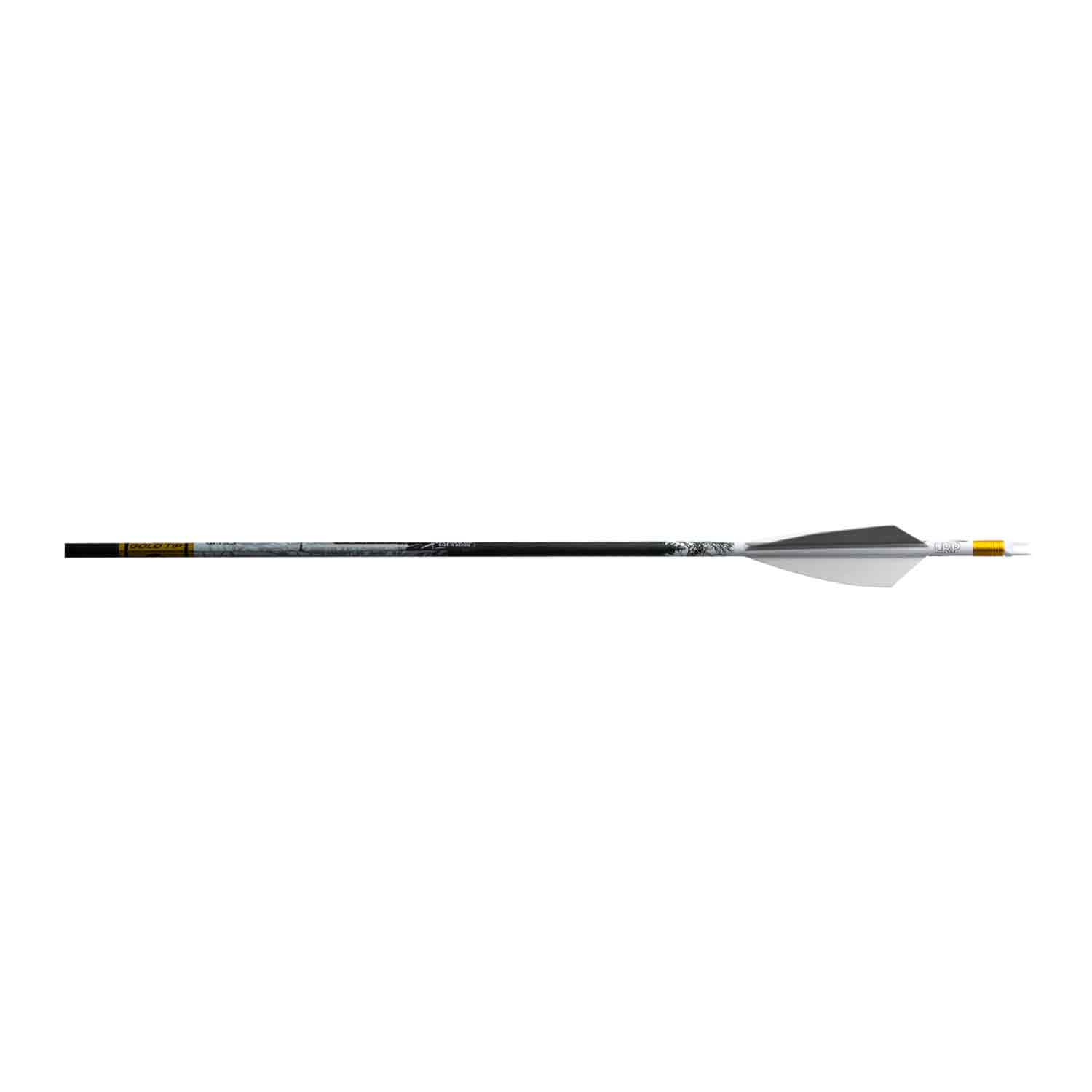
Feathers must be shaped for arrows to fly straight. People used sharp tools to cut them. Binding feathers to the arrow shaft was next. Strong threads or thin strips of animal hide were used. They wrapped tightly around the feathers. This kept them secure. Arrows needed three feathers. This helped them spin in the air. Spinning made arrows fly better. Each feather was equally spaced. This was important for balance.
Arrow shafts were carved from straight wood. Willow and ash were popular choices. Carvers used knives and stones. They shaped the wood into thin, straight rods. Smooth surfaces made arrows faster. Some used sand or rocks to smoothen them. Heat treatment made wood stronger. Carvers gently heated the shafts over a fire. This step required skill. Bent shafts were fixed with steam. Steam softened the wood. Then it was straightened.
Credit: lancasterarchery.com
Cultural Significance
Fletching arrows was a sacred task in many cultures. People believed arrows carried spiritual energy. Creating arrows was more than just a skill. It was a rite of passage for many. Young people learned from elders. They watched and practiced. This process was often part of ceremonies. It marked a transition to adulthood. Arrows were not just tools. They were symbols of strength and courage.
Arrows held different meanings across cultures. In some, arrows symbolized protection. In others, they represented freedom or justice. Some people believed arrows connected them to the gods. They used arrows in prayers and offerings. These symbols were powerful. They reminded people of their history and values. Arrows were more than weapons; they were cultural icons.
Archaeological Discoveries
People found many old arrows in ancient sites. These sites show how people lived long ago. Arrowheads made of stone are common finds. They show the skills of early humans. Some arrows still have feathers. These feathers helped the arrows fly straight. People learned to make arrows by watching others. They also learned by trying new things.
Artifacts tell stories of the past. Some famous artifacts include well-made arrowheads. These show how crafty people were. Many artifacts were found in caves and old villages. Museum displays often show these special items. These artifacts help us know how people hunted. They also show how they protected themselves. Each artifact is a piece of history.
Credit: www.3riversarchery.com
Modern Adaptations Of Fletching
Today, people use modern toolsto fletch arrows. Machines help in crafting. They make fletching fasterand more precise. New materials are also used. Plastic vanesare common. They are durableand light. Some still use feathersfor a traditional feel. The choice depends on the archer’s preference.
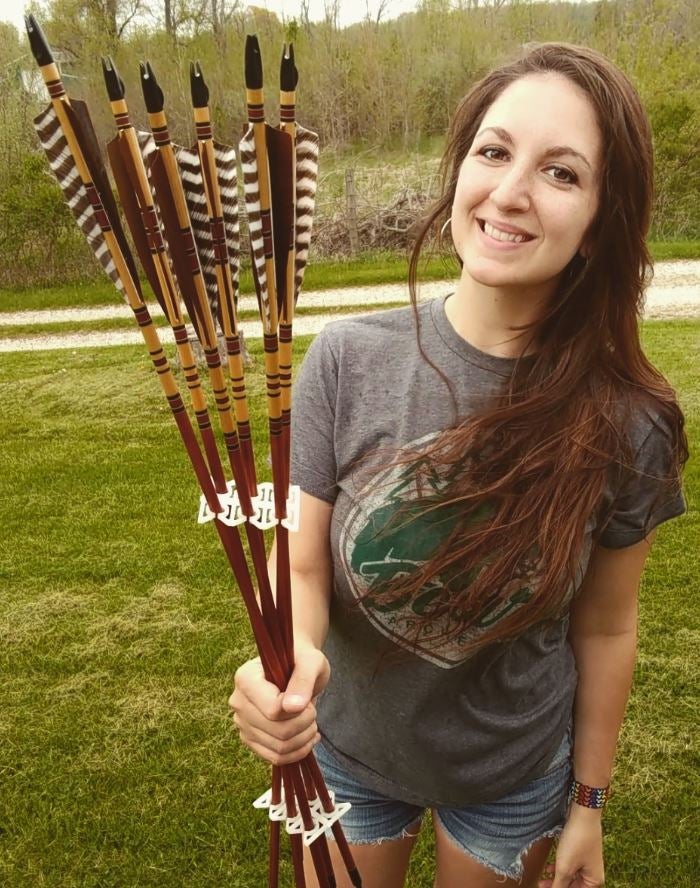
Some people love old ways. They practice fletching as in the past. They use natural feathersand hand tools. This method is slowbut rewarding. It connects them to history. Many enjoy the artand craftsmanship. They feel proud of their handmade arrows.
Learning And Teaching Fletching Today
Many people learn to fletch arrows at special workshops. These events teach step-by-step. Skilled teachers guide learners with ease. Each student gets the chance to make arrows. Mistakes are okay. Everyone learns by doing.
Some folks choose online coursesfor learning. These courses provide videos and lessons. Students can pause and replay. This helps them learn at their own pace. They can watch a lesson again and again.
Many people want to keep ancient skillsalive. Fletching is one of those skills. It connects us to our past. We learn how our ancestors made things. People feel proud to make their own arrows.
Keeping these skills helps us understand history. It shows how life was before. Teaching others is important. It keeps the knowledge alive for future generations.

Credit: www.youtube.com
Frequently Asked Questions
How Did Ancient People Learn Arrow Fletching?
Ancient people learned arrow fletching through trial and error and observation of nature. They experimented with different materials like feathers and stones. Over time, they discovered the optimal techniques for crafting effective arrows. Skills were passed down through generations, becoming an essential survival skill for hunting and warfare.
What Materials Were Used In Early Arrow Fletching?
Early arrow fletching involved natural materials such as feathers, wood, and animal sinew. Feathers provided aerodynamic stability, while wood formed the shaft. Sinew acted as binding material. These materials were readily available and effective, making them ideal for crafting arrows.
This combination ensured arrows flew straight and hit targets accurately.
Why Was Fletching Important For Arrows?
Fletching was crucial for arrows because it stabilized flight and improved accuracy. Properly fletched arrows maintained a straight trajectory, hitting targets precisely. This was vital for hunting and warfare, ensuring success in critical situations. Fletching transformed a simple shaft into a reliable projectile, enhancing its overall performance and effectiveness.
Who Taught Fletching Skills To Others?
Fletching skills were traditionally taught by elders and experienced hunters. These individuals passed down their knowledge through hands-on instruction and storytelling. This method ensured the preservation of essential survival skills within communities. Each generation learned from the previous one, maintaining the craft’s techniques and significance over time.
Conclusion
Arrow fletching was a skill of survival. People learned through trial and error. They observed nature and adapted techniques. Each culture added unique styles. They used materials from their surroundings. Wood, feathers, and sinew were common. Fletching evolved over centuries.
Its techniques passed down through generations. Today, fletching combines tradition and innovation. People still craft arrows by hand. It connects us to our ancestors. Preserving this art keeps history alive. Understanding fletching enriches our appreciation for ancient skills. It reminds us of our creative heritage.
The journey of fletching is a testament to human ingenuity.