How Do 1 Arrows Work: Understanding Their Mechanics
Imagine you’re standing on the archery range, bow in hand, ready to shoot your first arrow. You pull back the string, aim, and release. For more on this, see our guide on How Do You Put Arrows On Powerpoint.
But have you ever wondered how that single arrow flies so precisely towards the target? Understanding how 1 arrows work can transform your archery skills and deepen your appreciation for this ancient art. We’ll unravel the fascinating mechanics behind arrows, from their design to the physics that guides their flight.
By the end, you’ll not only know how your arrows achieve their smooth, accurate journey but also how you can use this knowledge to improve your aim. Dive in to discover the secrets of your arrows and enhance your archery prowess!
Arrow Design Fundamentals
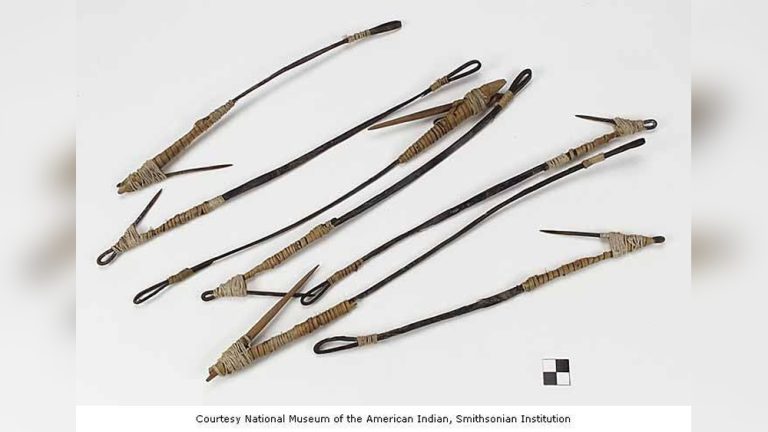
Arrows are made from different materials. Wood is common. It is light and strong. Fiberglassis another choice. It is tough and flexible. Some arrows use carbon. Carbon is very strong. It helps arrows fly straight. Aluminum is also used. It is lightweight and durable. Each material has special qualities. They affect how arrows perform.
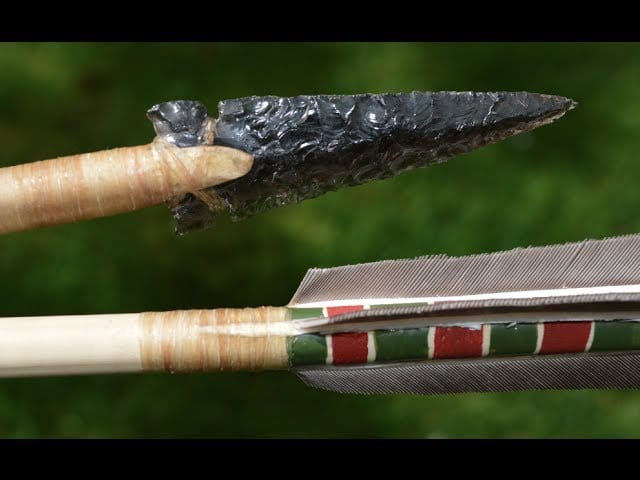
The shape of an arrow is important. It helps in flight. Arrows have a shaft. This is the long part. It must be straight and smooth. The arrow has a tip. It is sharp and pointed. This helps it stick. At the back is the nock. It holds the arrow on the string. Feathers are at the end too. They are called fletchings. They help the arrow spin. Spinning keeps it on track.
Aerodynamics Of Arrows
Arrows fly through the air swiftly. Their shape helps them move straight. The tip of the arrow is pointy. It cuts through the air easily. Feathers at the end help balance the arrow. This keeps it from wobbling.
Air pushes against the arrow. This is called air resistance. It slows the arrow down. The smoother the arrow, the less it resists. Feathers also help reduce air resistance. They guide the arrow and keep it steady.
Arrow Components And Their Functions
The shaft is the long part of the arrow. It needs to be strong yet light. Most shafts are made of wood, carbon, or aluminum. The shaft’s straightness is very important. A straight shaft helps the arrow fly true. It must also be the right length for the archer.
Fletching consists of feathers or plastic vanes. It is found at the back of the arrow. Fletching helps stabilize the arrow in flight. It ensures the arrow travels straight to the target. Feathers are natural and traditional. Plastic vanes are more durable.
The nock is a small notch at the end of the arrow. It helps the arrow stay on the bowstring. A secure nock is crucial for a good shot. Nocks are usually made of plastic. They must fit snugly on the string.
The arrowhead is the tip of the arrow. It is designed to penetrate targets. Arrowheads come in different shapes and sizes. Some are for hunting, others for target practice. A sharp arrowhead is important for accuracy.

Credit: www.amazon.com
Physics Behind Arrow Release
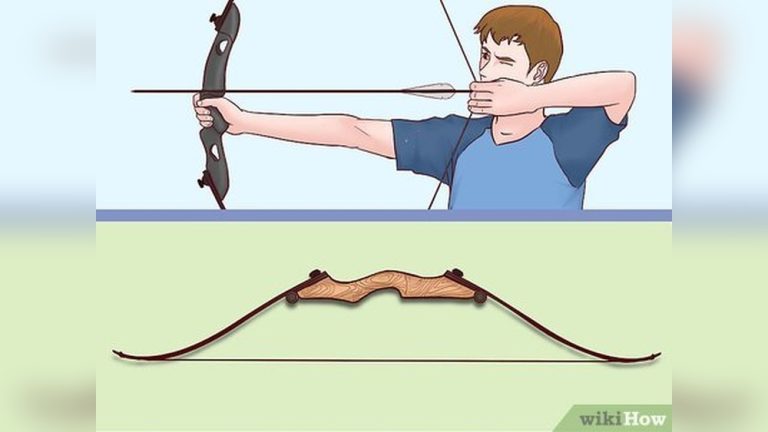
Pull the bowstring back. Feel the tension in the string. This tension is stored energy. Release the string. Energy moves from the string to the arrow. The arrow flies fast. It moves straight ahead. Energy helps the arrow go far and hit targets. The bow stores energy. The arrow uses this energy to travel.
The bow and string work together. The string pulls back smoothly. It bends the bow. This bending stores potential energy. Releasing the string changes energy. It becomes kinetic energy. This kinetic energy pushes the arrow forward. The bow and string are a team. They make arrows fly with speed and force.

Credit: www.xparts.net
Factors Affecting Arrow Precision
Arrow weight must be just right. Too heavy or too light can cause trouble. Balanced arrows fly straighter and hit the target more accurately. The weight needs to be even throughout the arrow. This helps with steady flight. A balanced arrow also keeps its path, making it more reliable.
Wind can push arrows off course. Even a small breeze can change its path. Strong winds make it hard to aim well. Arrows might drift sideways. Archers must adjust their aim to hit the target. Understanding wind patterns is important for a good shot.
How you hold and release the bow matters a lot. Steady hands keep the arrow straight. A smooth release gives better accuracy. Practice is key to improve technique. Every archer needs to find their best style. Good technique means better shots.
Advancements In Arrow Technology
Arrows today use carbon fiberaluminumlightstrongfaststraightaccuracyspeed
New arrow designs help arrows move better in air. Special shapes reduce drag. Less drag means arrows go farther. Some arrows have vanes
Credit: www.bbc.com
Frequently Asked Questions
What Is A 1 Arrow System?
A 1 Arrow system refers to a type of archery equipment. It is designed to ensure precision and accuracy. These arrows are typically crafted for specific conditions, offering balanced performance. They are suitable for both beginners and experienced archers.
How Is A 1 Arrow Designed?
1 Arrows are designed with precision in mind. They feature a balanced shaft and a sharp tip. The materials used are usually lightweight yet durable. This design enhances aerodynamics, ensuring straight flight paths.
What Are The Benefits Of Using 1 Arrows?
1 Arrows offer enhanced accuracy and consistency. They provide a reliable performance in various conditions. Their design reduces drag, leading to better target hits. This makes them ideal for competitive archery.
Are 1 Arrows Suitable For Beginners?
Yes, 1 Arrows are suitable for beginners. Their design aids in learning accurate shooting techniques. Beginners benefit from the arrow’s stability and ease of use. This helps in building confidence and skill development.
Conclusion
Understanding 1 arrows is simpler than it seems. They follow physics principles. These arrows fly straight and steady. Practice helps in aiming better. Consistent use improves skill over time. Anyone can learn to use them effectively. Remember safety first when handling arrows.
Proper care extends their lifespan. Explore different arrow types for diverse needs. Each has unique features for specific tasks. This knowledge enriches your experience. Enjoy the journey of mastering 1 arrows. Keep practicing for improved accuracy and confidence. Let your skills grow naturally.