Did War Slings Outrange Bows? Uncovering Ancient Weapon Secrets
Did War Slings Outrange Bows?
Imagine two armies facing each other long ago. One side carries slings, the other holds bows. Both weapons changed history, but which could shoot farther? This question seems simple, but the answer is complex. Distance matters in battle. If your weapon can hit the enemy before they reach you, it gives you a big advantage. Some historians say slings were just toys, others believe they were deadly tools. Many movies and books show bows as superior, but is that true?
This article will explore how far war slings and bows could really shoot. We’ll look at facts, tests, historical evidence, and examples. You will learn how these weapons worked, what made them powerful, and which one could send a projectile farther. We’ll also compare them in terms of accuracy, speed, and battlefield use. By the end, you will understand the strengths and limits of each, and why armies chose one over the other.
The Basics: What Are War Slings And Bows?
War slings are simple tools. They use a strip of leather or cloth, with a pouch in the middle. You place a stone or lead ball in the pouch, swing the sling, and release one end. The projectile flies out at high speed. Slings have been used since ancient times, from Egypt to Greece, Rome, and even the Inca Empire.
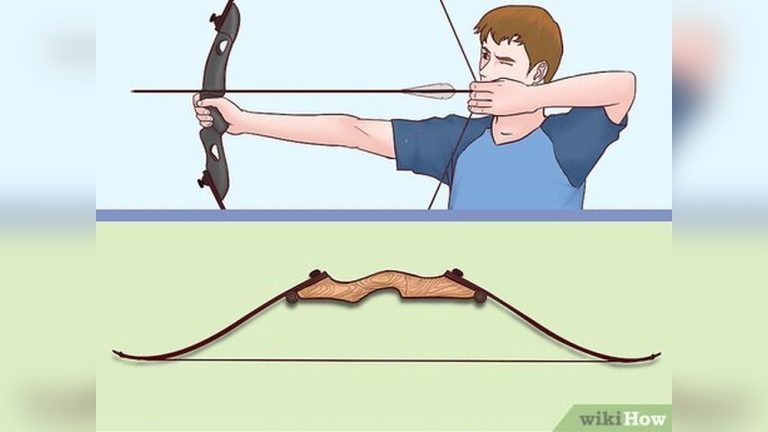
Bows are more complex. You pull a string attached to a curved piece of wood or composite material. This stores energy. When you release the string, it propels an arrow forward. Bows come in many types: simple longbows, powerful composite bows, and short recurve bows.
How Each Weapon Works
The sling works by spinning the pouch. The faster you spin, the more energy you store. When you let go, the stone or lead bullet shoots out. Skilled slingers can hit targets at long distances, but it takes practice.
The bow uses the bending of the wood or composite limbs. Pulling the string stores energy, and releasing it sends the arrow flying. Bows are easier for beginners to aim, but require strength to pull.
Common Misconceptions
Many believe slings are weak because they look simple. In reality, they can be very powerful. Some think bows are always more accurate and deadly, but that depends on the shooter and the situation.
Credit: www.midwayusa.com
Historical Range Data: Slings Vs Bows
To answer which weapon outranged the other, we need real numbers. Ancient texts, modern tests, and historical records help us compare.
Ancient Testimonies
Greek historian Thucydides wrote about slingers hitting targets at great distances during the Peloponnesian War. Roman records mention slingers shooting lead projectiles over enemy lines. The Bible’s story of David and Goliath is also famous.
Bows are mentioned in many battles. English longbowmen at the Battle of Agincourt could shoot arrows over 200 yards (183 meters), according to Sir John Keegan in “The Face of Battle.”
Modern Tests And Research
Modern experiments help us understand how far these weapons can shoot. Researchers like Dr. Paul B. Koski (University of California, Davis) tested ancient sling designs. They found that skilled slingers could shoot stones or lead bullets over 400 meters (437 yards).
Bows were also tested. Modern longbows can shoot arrows about 250, 300 meters (273, 328 yards) at maximum range. Composite bows, like those used by Mongols, reach similar distances.
Here’s a comparison:
| Weapon | Average Range (Skilled User) | Maximum Range (Expert/Ideal Conditions) |
|---|---|---|
| War Sling | 150, 250 meters | 350, 450 meters |
| Longbow | 120, 180 meters | 250, 300 meters |
| Composite Bow | 130, 200 meters | 250, 350 meters |
Key Insight: With ideal conditions and expert skill, war slings often shot farther than bows. However, most soldiers were not experts, and real battlefield ranges were shorter.
Projectile Types And Their Impact
Sling Projectiles
Slings use stones, clay balls, or lead bullets. Lead bullets are small, dense, and shaped like almonds. They are more aerodynamic and can fly farther than stones.
Example: Ancient Greek slingers used lead bullets that weighed about 30, 50 grams. Tests show these could reach up to 450 meters.
Bow Projectiles
Bows use arrows. Arrowheads come in many shapes, for armor-piercing or hunting. The weight and design affect range. Lighter arrows fly farther but can be less deadly.
Pro Tip: For maximum range, both slings and bows need light, aerodynamic projectiles. Heavier projectiles are more powerful but don’t fly as far.
Real-life Usage
On battlefields, soldiers often used heavier projectiles for more damage. This reduced maximum range, but increased stopping power.
Accuracy: Does Range Matter Without Precision?
Long range is useless if you can’t hit your target. So, how accurate were slings and bows?
Sling Accuracy
Slings are hard to master. It can take years to learn to hit a target reliably. Ancient armies trained slingers from childhood.
Tests by Dr. Koski show that at 100 meters, skilled slingers could hit man-sized targets about 60% of the time. At longer ranges, accuracy drops sharply.
Bow Accuracy
Bows are easier to aim, especially at short distances. English longbowmen practiced from a young age. At 100 meters, skilled archers could hit man-sized targets about 70, 80% of the time.
At maximum range, both weapons lose accuracy. Arrows are easier to see and track, while sling bullets are almost invisible.
Battle Context
In battle, archers and slingers often shot at groups, not single targets. Accuracy was less important than volume of fire. Still, bows had an edge in aiming at specific enemies.
Rate Of Fire: How Many Shots Per Minute?
Another factor is rate of fire. How quickly can you shoot?
Sling Rate
A skilled slinger can throw about 6, 12 shots per minute. Reloading is fast, as you just grab another stone or bullet.
Bow Rate
Archers can shoot 6, 10 arrows per minute. English longbowmen were famous for rapid shooting, sometimes reaching 12 arrows per minute in short bursts.
Comparison Table
| Weapon | Average Rate of Fire (Shots/Min) | Reload Difficulty |
|---|---|---|
| War Sling | 6, 12 | Easy |
| Longbow | 6, 10 | Moderate |
| Composite Bow | 7, 12 | Moderate |
Battlefield Roles: Why Armies Chose Bows Or Slings
Slingers In History
Slingers were common in ancient armies. Greeks, Romans, and Carthaginians used them to harass enemies, break formations, and target shields. Slings were cheap and easy to make.
Example: The Balearic Islands were famous for their slingers. They trained from childhood, and their skill was legendary. Roman generals hired them for special tasks.
Archers In History
Archers played a huge role in medieval and ancient wars. English longbowmen changed battles like Agincourt. Mongol horse archers used composite bows to conquer vast lands.
Bows were more expensive and needed skilled makers. But they offered better accuracy and could pierce armor.
Tactical Advantages
- Slings: Outranged bows, cheap, fast reload, hard to see projectiles. Used for harassment and skirmishing.
- Bows: More accurate, could pierce armor, easier for beginners to learn, visible arrows (sometimes used to intimidate).
Physical Demands: Training, Strength, And Skill
Sling Training
Slings require lots of practice. Muscle memory is key. Ancient slingers started as children, often using slings for hunting birds and rabbits.
Warning: Beginners may hurt themselves or others when learning to sling. Safety is important.
Bow Training
Bows need upper body strength. Drawing a heavy war bow is hard. English longbowmen trained for years to build the required muscles. Composite bows use a mix of materials to make drawing easier.
Cost And Materials
- Slings: Cheap, made from leather or cloth, stones or lead for ammo.
- Bows: Expensive, wood, horn, sinew, metal arrowheads. Arrows take time to make.

Credit: www.ebay.com
Armor And Lethality: What Happens On Impact?
Sling Impact
Lead bullets from slings can break bones, dent helmets, and cause deadly injuries. Stones are less powerful but still dangerous. Slings were not good against heavy armor.
Example: Roman records show slingers breaking shields and helmets with lead bullets.
Bow Impact
Arrows can pierce armor, especially with special heads. Longbows and composite bows were deadly at close and medium ranges. At long range, arrows lose power.
Pro Tip: For killing power, bows usually win. But slings can still injure or kill, especially with lead bullets.
Environmental Factors: Weather And Terrain
Sling Performance
Slings work well in dry weather. Rain or mud can make the sling slippery. Stones are easy to find, but lead bullets need to be carried.
Bow Performance
Bows suffer in wet conditions. Strings can stretch or break. Composite bows are sensitive to humidity and temperature. Arrows can get wet and lose flight quality.
Terrain Effects
Slings are easier to use in rough terrain. Bows need space to draw and shoot. Both weapons can be used from behind cover.
Psychological Effects: Fear And Confusion
Sling Projectiles
Sling bullets are hard to see and hear. Enemies may not know where the shot came from. Sudden injuries cause confusion.
Arrows
Arrows whistle through the air, making a terrifying sound. Seeing volleys of arrows can scare soldiers. Arrows can be recovered and reused.
Modern Comparisons: Experiments And Sports
Slings are still used in sports and by hobbyists. Modern slingers compete in distance and accuracy contests. The world record for sling distance is over 477 meters, set by David Morningstar in 2018.
Archery is a popular sport. Olympic archers use recurve bows and shoot at targets 70 meters away. Hunting bows can shoot farther, but competitions focus on accuracy.
Example: Testing a sling and a bow side by side, the sling generally shoots farther, while the bow is easier to aim.
Why Slings Are Less Common Today
Despite their range, slings became rare in warfare. Bows and later firearms replaced them. Reasons include:
- Training: Slings need more practice.
- Accuracy: Bows are easier for most people.
- Armor: Bows can pierce armor, slings cannot.
- Culture: Bows became symbols of skill and power.
The Verdict: Did War Slings Outrange Bows?
Based on historical evidence, modern tests, and expert opinions, war slings could outrange most bows, especially with lead bullets and skilled users. Slings could shoot projectiles farther than longbows or composite bows under ideal conditions.
But on the battlefield, range was not the only factor. Bows were more accurate, easier to use, and better against armor. That’s why bows became the main ranged weapon in many armies.
If you want pure distance, slings win. If you want accuracy and killing power, bows win. Both weapons shaped history, and each had its place.
Frequently Asked Questions
How Did Ancient Armies Train Slingers And Archers?
Ancient armies trained slingers from childhood, especially in places like the Balearic Islands. Children used slings to hunt small animals, building skill over years. Archers also started young, but their training included building strength for heavy bows. Some armies had contests and rewards for the best shooters.
Could Sling Projectiles Pierce Armor Like Arrows?
Sling projectiles, especially lead bullets, could cause serious injuries and break bones, but they rarely pierced metal armor. Arrows, especially with special heads, could penetrate chainmail and even plate armor at close range. That’s why bows were preferred when fighting armored enemies.
Are There Modern Uses For Slings?
Today, slings are used in sports, competitions, and by survival enthusiasts. Some people use slings for hunting small animals. Modern slingers have set distance records and tested ancient techniques. Slings are also used as educational tools to teach physics and history.
What Are The Biggest Challenges For Beginners Learning The Sling?
Beginners often struggle with accuracy and timing. It’s easy to release the sling too early or too late, sending the stone in the wrong direction. Safety is important, as projectiles can bounce or fly unpredictably. Practice, watching videos, and learning from experienced slingers help beginners improve.
Where Can I Find More Information About Ancient Sling And Bow Warfare?
For deeper research, check academic studies and historical books. The Wikipedia page on slings offers detailed information, including history, mechanics, and modern experiments. Museums and online forums also share stories, photos, and guides for both slings and bows.
Both war slings and bows have a rich history. Understanding their strengths and limits gives us insight into how ancient battles were fought. Whether you’re a historian, enthusiast, or beginner, knowing the facts lets you appreciate these powerful weapons.