Are Sling Bows Good Bow Alternatives? Pros, Cons, and Insights
Choosing a bow for archery, hunting, or backyard fun is not always simple. There are many options, each with unique features and challenges. One tool that’s getting more attention lately is the sling bow. Some people say sling bows are great alternatives to traditional bows, while others aren’t so sure. If you’re thinking about trying a sling bow, or just curious about how it compares to classic bows, this article is for you. Here you’ll find a clear, in-depth look at sling bows, what they do well, what they struggle with, and whether they truly hold up as a good bow alternative.
What Is A Sling Bow?
A sling bow looks like a slingshot, but it shoots arrows instead of stones or metal balls. The frame is often similar to a strong Y-shaped slingshot, but it uses special bands or tubes to create enough power to send an arrow flying. You can use standard arrows (sometimes with special nocks for slingshot bands), and many sling bows have a rest or bracket to keep the arrow steady.
Sling bows are popular among some hunters, survivalists, and backyard shooters. They are praised for their light weight, simple build, and the way they blend the feel of a slingshot with the function of a bow. But are they really good alternatives to the bows we know, recurve, compound, and longbows?
How Sling Bows Compare To Traditional Bows
Understanding if sling bows are good alternatives means looking at how they match up with regular bows in important areas: power, accuracy, portability, and ease of use.
Power And Speed
Traditional bows, especially compound bows, can deliver a lot of power. The limbs store energy, and the string launches the arrow with great force. Recurve bows and longbows work on similar principles, with differences in size, draw weight, and efficiency.
Sling bows rely on elastic bands for power. These bands can be made of latex or other strong materials. The power of a sling bow depends on the strength and thickness of the bands, as well as how far they’re pulled back.
Here’s a simple comparison of their power and arrow speeds:
| Type | Average Arrow Speed (FPS) | Draw Weight (lbs) |
|---|---|---|
| Sling Bow | 100, 200 | 15, 50 |
| Recurve Bow | 140, 200 | 15, 70 |
| Compound Bow | 250, 350 | 40, 80 |
| Longbow | 120, 180 | 25, 70 |
Pro Tip: The bands on a sling bow lose power over time and need replacement. Bows can last for years with proper care.
Accuracy And Range
Accuracy depends on many things: the shooter’s skill, the quality of the tool, and the design itself. Traditional bows are made for stability and repeatable shots. Archers train to use proper form and release for consistent results.
Sling bows are less stable because of the way they’re held and shot. The bands can twist, and the frame is lighter, which makes holding steady harder. Some users add stabilizers or wrist braces to improve control, but overall, sling bows are not as accurate as a well-tuned bow.
Range is another difference. Most sling bows shoot accurately up to 20, 30 yards. Traditional bows, especially compounds, can be accurate at 40, 50, or even more yards in skilled hands.
Portability And Weight
One of the biggest strengths of sling bows is how light and compact they are. Many models fold up and fit in a small bag or even a large pocket. You can carry a sling bow and a handful of arrows with almost no extra weight.
Traditional bows, especially longbows and recurves, can be over 5 feet long. Compound bows are shorter but bulkier due to cams and pulleys. For backpackers, hikers, or survivalists, a sling bow is much easier to pack.
Ease Of Use And Learning Curve
Both tools have a learning curve, but sling bows are often easier for beginners to start with. The pull is similar to a slingshot, which many people have tried before. There’s less focus on form and anchor points compared to archery.
That said, shooting arrows well still takes practice, even with a sling bow. Getting used to aiming, controlling the bands, and releasing smoothly takes time. Traditional bows require even more training for consistent accuracy, but many find the process rewarding.
Cost And Maintenance
Sling bows are generally cheaper than quality bows. A good sling bow can cost anywhere from $30 to $100, while compound bows often start above $200. Maintenance is also simple: replace the bands as needed, keep the frame clean, and check for cracks.
Bows require string changes, limb checks, and sometimes tuning. However, their parts tend to last longer if cared for.
Safety Considerations
Both tools can be dangerous if misused. Sling bows’ lighter frames may tempt users to handle them carelessly, but arrows can still cause serious injury or death. Always use a safe backstop, never point at people, and follow all local laws.
Warning: Some states and countries treat sling bows like firearms or archery equipment. Always check local regulations before buying or using one.
Key Advantages Of Sling Bows
If you’re thinking about a sling bow as a bow alternative, it helps to know where they shine.
- Portability: Sling bows weigh less, take up less space, and are easy to carry in a backpack. For travel or survival kits, this is a major plus.
- Simple Design: With few moving parts, there’s less to break or maintain. You don’t need a bow press, special stringers, or lots of tools.
- Low Cost: Entry-level sling bows are much cheaper than compound or recurve bows.
- Beginner Friendly: The shooting action is similar to a slingshot, which many people find familiar and easy to learn.
- Stealth: Sling bows are quiet compared to bows, especially compound bows with moving cams. This can be helpful in hunting or backyard settings where noise matters.
Example: When I tested a sling bow on a hiking trip, I could pack it in a side pocket and pull it out for quick target practice, something I can’t do with my full-size recurve.
Major Limitations Of Sling Bows
No tool is perfect, and sling bows have weaknesses that can be deal-breakers for some users.
- Lower Power and Range: Even with strong bands, sling bows rarely match the speed and penetration of compound or recurve bows. This limits their use for hunting large game.
- Less Accuracy: The frame is lighter, and the bands can twist, making it harder to shoot consistently. Hitting small targets at long distances is much harder.
- Band Wear: The elastic bands stretch and wear out quickly, especially in cold or hot weather. You need to carry spares and know how to replace them.
- Regulation Issues: Laws about sling bows are not always clear. In some places, they’re banned for hunting or even for possession.
- Limited Accessories: While there are some upgrades (stabilizers, wrist braces), the range of accessories is much smaller than for regular bows.
Sling Bow Vs Bow: A Feature-by-feature Comparison
To see the differences more clearly, here’s a side-by-side look at key features:
| Feature | Sling Bow | Traditional Bow |
|---|---|---|
| Weight | Light (0.5, 2 lbs) | Medium to Heavy (2, 4 lbs+) |
| Size | Pocket-sized to small backpack | Usually 48″, 70″ long |
| Power | Low to moderate | Moderate to high |
| Accuracy | Low to moderate | Moderate to high |
| Ease of Learning | Easy to moderate | Moderate to hard |
| Maintenance | Replace bands often | Strings and limbs last longer |
| Price | Low | Medium to high |
| Legal Restrictions | Sometimes unclear or strict | Usually well-defined |
Are Sling Bows Good For Hunting?
Hunting is one area where people often consider sling bows as bow alternatives. Can they do the job?
Small Game: Sling bows can be effective for small animals like rabbits or squirrels at close range. Their quiet shot and light weight are helpful for stalking or moving quietly in the woods.
Large Game: Most experts agree that sling bows do not have enough power or penetration for ethical hunting of deer, boar, or larger animals. Even with heavy bands, the arrow speed and impact energy are usually too low for a quick, humane kill.
Many states in the US do not allow sling bows for hunting game animals. For example, Texas law does not list sling bows as legal archery equipment for big game. Always check your local rules.
Sling Bows For Survival And Emergency Kits
Survivalists and hikers sometimes add sling bows to their kits. Here’s why:
- Lightweight: Sling bows add almost no weight.
- Easy Arrow Making: In an emergency, you can use sticks or homemade arrows (with poor performance, but better than nothing).
- Silent Shooting: Useful for hunting small animals without alerting others.
But there are two things beginners often miss:
- Finding or making proper arrows in the wild is much harder than it seems. Most arrows need straight shafts, good fletching, and the right nocks.
- Sling bow bands wear out. If you do not have spares, the tool becomes useless.
Pro Tip: Always carry extra bands and practice making simple arrows before relying on a sling bow for survival.
Who Should Choose A Sling Bow?
Sling bows are best for people who want a light, portable shooting tool for fun, small game, or backup survival. If you travel a lot, want a simple tool for target shooting, or just want to try something new, a sling bow is a solid choice.
For serious archery, large game hunting, or competition, traditional bows are a better fit. Their power, accuracy, and stability outclass sling bows by a wide margin.
Sling Bow Accessories And Upgrades
While sling bows are simple, there are a few accessories that can help:
- Wrist Braces: Improve stability and accuracy.
- Arrow Rests: Hold the arrow steady and reduce hand injury.
- Sight Pins: Help with aiming, though many people prefer instinctive shooting.
- Replacement Bands: Always carry spares, especially for long trips.
Some brands also offer custom grips, stabilizers, or quick-change band systems. These upgrades can make shooting more comfortable and consistent.
Sling Bows In The Archery Community
The archery community is divided on sling bows. Some see them as a fun side project or a tool for survival. Others do not consider them “real” archery equipment. There are no major competitions for sling bows, and most archery clubs focus on recurve, compound, or traditional bows.
Still, sling bow groups exist online and share tips, builds, and experiences. If you’re interested, you can find many helpful videos and forums with advice on tuning, shooting, and safety.
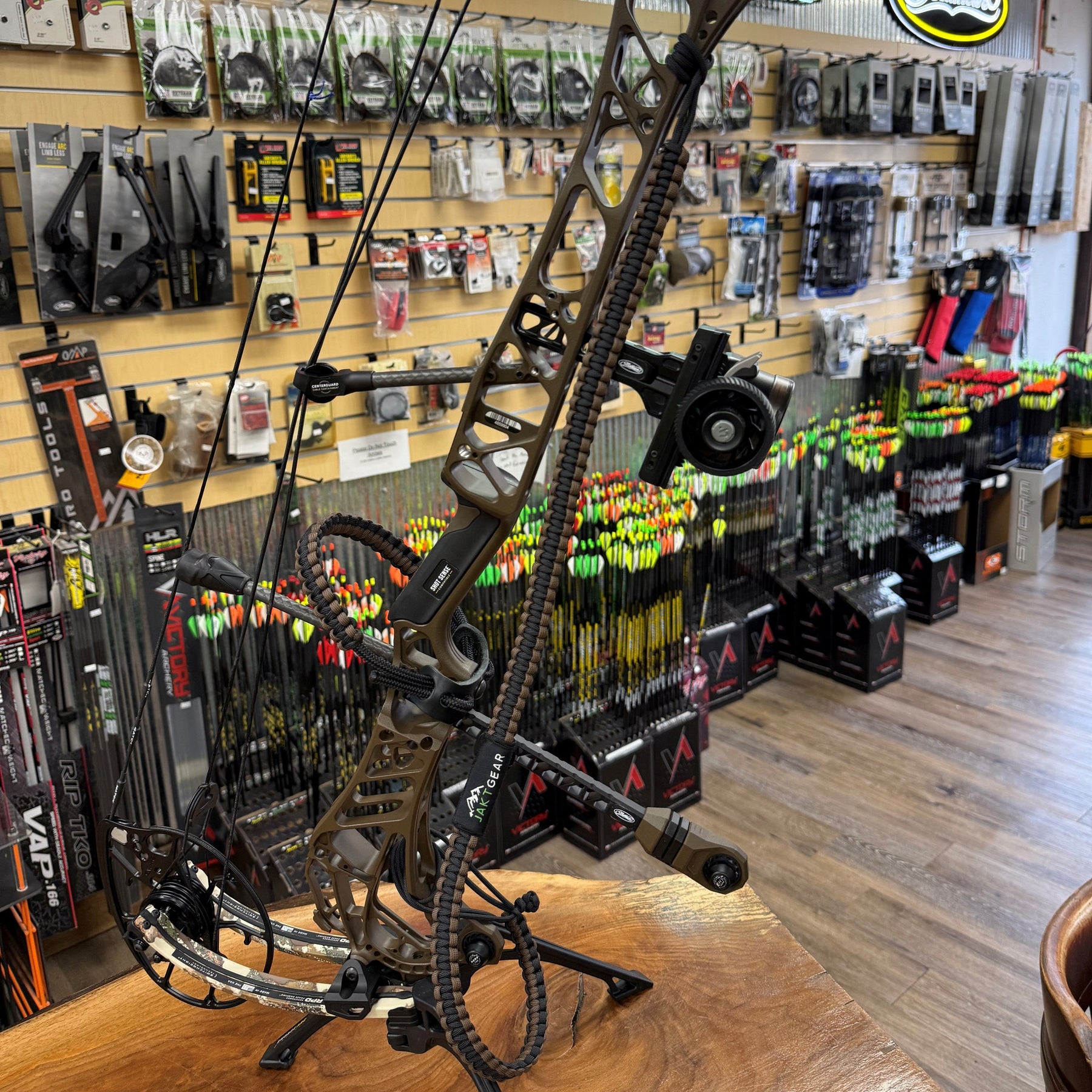
Credit: jaktgear.com
Legal And Ethical Considerations
The legal status of sling bows changes by state and country. Some places classify them as slingshots, others as bows, and some ban them completely for hunting or even for possession. For example, in the UK, slingshots are legal but not for hunting, and sling bows fall into a gray area.
Ethically, you should only use a sling bow for hunting if you are sure it can make a clean, humane kill. For most large animals, this is not possible. It’s better used for targets, plinking, or small game in survival situations.
For up-to-date legal info, check the local wildlife or firearms department, or see the official sites like The Wildlife Society.
Non-obvious Insights Beginners Often Miss
Many beginners overlook two important points when considering sling bows:
- Accuracy is much harder to master than it appears in videos. Many YouTube demonstrations show skilled shooters hitting targets, but most people will struggle to hit a 6-inch target at 20 yards without lots of practice.
- Arrows take damage quickly when shot from sling bows, especially if the rest is rough or the bands snap sideways. You may need to replace or repair arrows more often than with a regular bow.
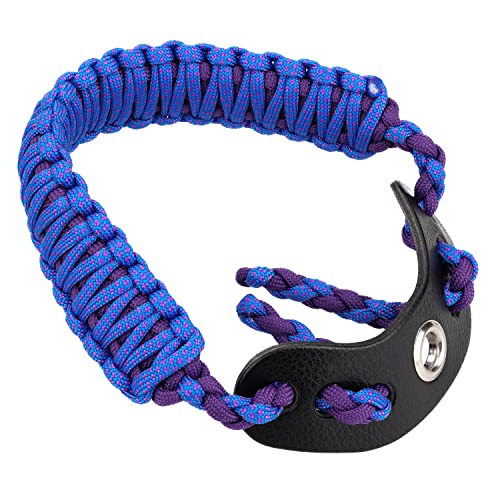
Credit: miniskipas.lt
Frequently Asked Questions
What Arrows Work Best With Sling Bows?
Most sling bows can shoot standard archery arrows, but it’s best to use arrows with reinforced nocks or special “sling bow nocks” that fit the bands. Carbon or aluminum arrows are more durable than wood. If using homemade arrows, make sure the nock is smooth and strong to avoid band damage.

Credit: www.classicwings.at
Can I Hunt Deer Or Larger Animals With A Sling Bow?
It is not recommended to hunt large game like deer with a sling bow. Most sling bows do not produce enough kinetic energy for a humane kill, and many states ban them for big game hunting. Use a compound or recurve bow designed for hunting instead.
How Long Do Sling Bow Bands Last?
Band life depends on the material, draw weight, and how often you shoot. On average, latex bands last for several hundred shots, but cold, heat, or sun exposure can reduce their lifespan. Always inspect bands for cracks before use and carry spares.
Are Sling Bows Legal Everywhere?
Sling bow laws vary widely. Some places treat them as slingshots, others as bows, and some ban them for hunting or even possession. Always check