Why Not Hunt With Traditional Bow: Surprising Pros and Cons
For many, hunting is more than just a way to put food on the table, it’s a tradition, a connection to nature, and a test of skill. Among the many tools available, the traditional bow (such as the longbow or recurve without modern additions) holds a special place in history. But as hunting technology has advanced, fewer hunters rely on these time-honored weapons. Some people ask: Why not hunt with a traditional bow? The answer is more complex than it appears. While traditional bows offer a unique challenge and nostalgia, they also come with serious limitations and risks that every hunter should consider.
This article explores the real reasons why traditional bows may not be the best choice for most hunters today. We’ll compare them to modern hunting tools, highlight safety and ethical concerns, and share insights that many beginners miss. If you’re considering traditional bowhunting, or simply want to understand the debate, this guide is for you.
The Appeal And Challenge Of Traditional Bows
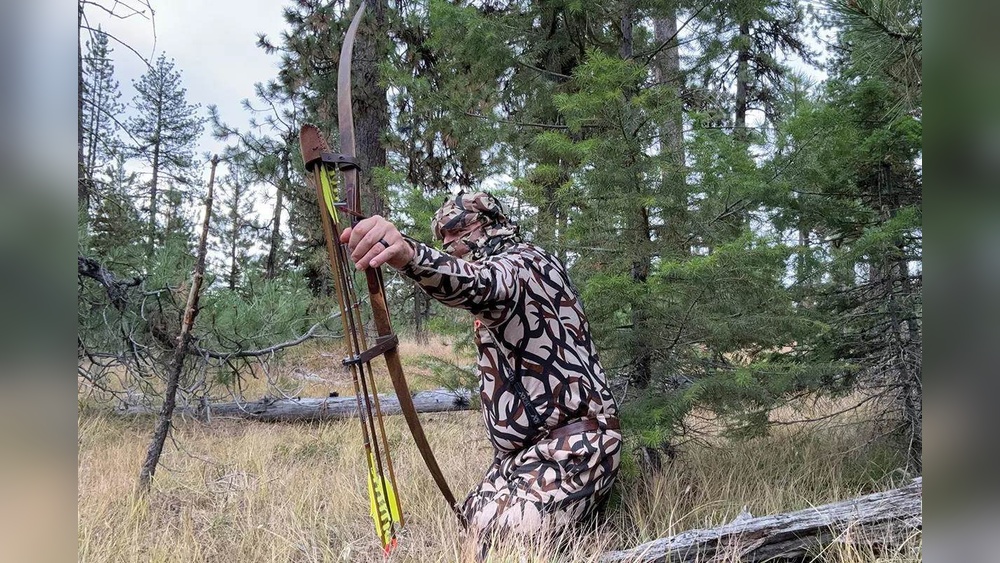
Many hunters feel drawn to the traditional bow because of its simplicity and connection to history. Using a longbow or recurve bow, without sights or stabilizers, can make you feel closer to the skills of ancient hunters. The challenge is real: every shot relies on your practice, judgment, and patience.
But this appeal also brings tough questions. Are the extra difficulties worth it? Does the increased challenge make hunting less ethical or less effective? Understanding the balance between tradition and practicality is key before choosing your weapon.
Limitations In Accuracy And Range
Short Effective Range
Traditional bows have a much shorter effective range than modern compound bows or firearms. Most skilled traditional bowhunters only take shots within 20-25 yards. Past this distance, accuracy drops sharply, and the risk of wounding (rather than cleanly killing) an animal rises.
No Aiming Aids
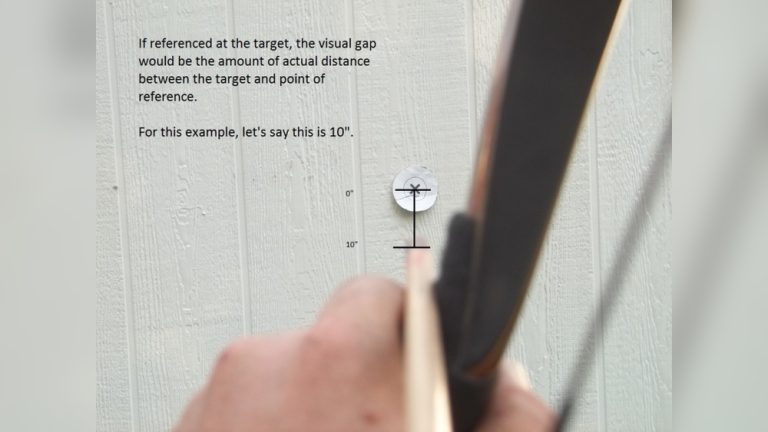
Without modern sights or release aids, every shot depends on instinct and muscle memory. Even with years of practice, it’s much harder to place arrows precisely. In my experience, hitting a small target consistently at 25 yards with a recurve is much more difficult than with a compound bow.
More Misses And Wounds
Because of these limits, traditional bows often result in more missed shots or poorly placed arrows. This can mean animals are wounded and escape, which is both unethical and against fair-chase hunting principles.
Ethical Concerns
Clean Kills Are Harder
A core hunting rule is to make a fast, humane kill. With traditional bows, the lower arrow speed and energy means less penetration, especially if the shot angle isn’t perfect or the distance is too far. This increases the risk of only wounding the animal.
Higher Risk For Animals
Studies from state wildlife agencies show that traditional bows have a higher rate of wounded-but-not-recovered animals compared to compound bows or firearms. When hunters miss or only injure game, it leads to suffering and wasted meat.
Pro Tip: If you choose to hunt with a traditional bow, be 100% honest with yourself about your effective range and skill. Only take shots you know you can make.
Comparing Traditional And Modern Bows
To understand the practical differences, here’s a side-by-side look at traditional bows versus compound bows:
| Feature | Traditional Bow | Compound Bow |
|---|---|---|
| Effective Range | 15-25 yards | 30-60+ yards |
| Arrow Speed | 120-170 fps | 250-350 fps |
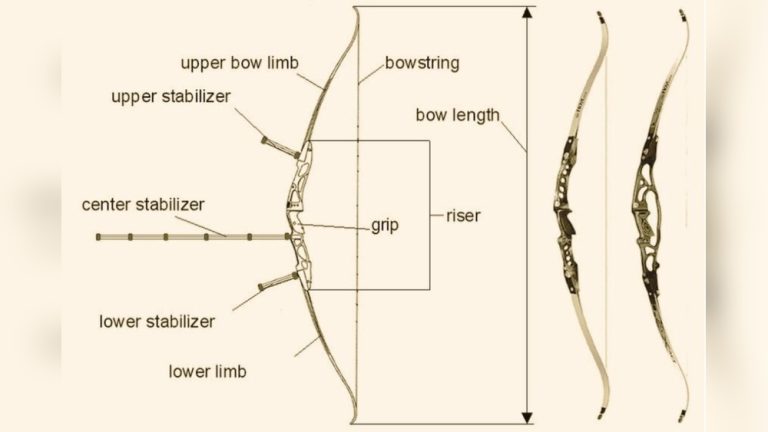
| Aiming Aids | None | Sights, stabilizers, releases |
| Learning Curve | Steep | Moderate |
| Animal Recovery Rate | Lower | Higher |
As shown, compound bows offer more power, accuracy, and effective range, making clean kills more likely, especially for beginners.
Safety Considerations
More Room For Error
Using a traditional bow demands perfect form every time. Small mistakes in grip, anchor point, or arrow release can send your shot far off target. This increases the risk of missing or hitting something you didn’t intend to.
Physical Strain
Traditional bows require you to hold the full draw weight with your muscles. This can cause muscle fatigue and shaking, especially for new hunters. Fatigue increases errors, and errors lead to dangerous situations in the field.
No Let-off Feature
Modern compound bows have a let-off, meaning you hold only a fraction of the draw weight at full draw. Traditional bows do not, making it harder to hold steady for long, especially if you need to wait for the perfect shot.
Legal And Regulatory Issues
Minimum Draw Weight Laws
Some states or countries have minimum draw weight requirements for hunting with bows. Many traditional bows, especially vintage or lightweight models, may not meet these standards. Always check your local regulations before hunting.
Season And Area Restrictions
Some places allow only compound bows or crossbows for certain game or during some seasons. Using a traditional bow in the wrong context could result in fines or loss of hunting privileges.
For up-to-date rules, always visit your state’s official wildlife website. The U.S. Fish & Wildlife Service is a reliable resource.
Weather And Environmental Challenges
Reduced Performance In Bad Weather
Traditional bows are often made of wood and other natural materials. In wet or cold weather, wood can warp and bowstrings can stretch or break. This affects accuracy and safety.
Heavier And Bulkier Gear
While some traditional bows are light, carrying extra arrows, strings, or backup gear can make your load heavier compared to a modern compound bow setup.
Difficult In Dense Cover
Traditional bows are usually longer than compounds. Navigating thick brush or forest with a longbow is awkward and can make it harder to get a clear shot.
Skill And Practice Requirements
Steep Learning Curve
Shooting a traditional bow well takes months or years of regular practice. Unlike compounds, you can’t rely on sights or mechanical releases. Every shot must be learned through repetition.
Harder To Maintain Skills
Even after you master a traditional bow, you need to practice regularly to keep your skills sharp. Missing just a few weeks can set you back.
Not Beginner-friendly
Most new hunters will struggle to harvest game with a traditional bow. The extra challenge can lead to frustration and quitting, rather than building confidence.

Credit: harvestingnature.com
Cost And Maintenance
Not Always Cheaper
Many people believe traditional bows are a cheaper way to start hunting. While the bow itself can cost less, quality arrows, strings, and accessories add up. Custom arrows for traditional bows are often more expensive than mass-produced carbon arrows for compounds.
Maintenance Demands
Wooden bows and natural fiber strings require regular care. You need to check for cracks, moisture damage, and string wear before every hunt. Neglecting maintenance can lead to dangerous failures in the field.
Comparing Traditional Bows To Other Hunting Weapons
To put things in perspective, let’s compare traditional bows, compound bows, and firearms for hunting:
| Weapon | Range | Ease of Use | Weather Resistance | Ethical Kill Probability |
|---|---|---|---|---|
| Traditional Bow | Very short | Difficult | Low | Lower |
| Compound Bow | Medium | Moderate | High | Higher |
| Firearm | Long | Easy | Very High | Highest |
The data shows that traditional bows are the hardest to use effectively and offer the lowest margin for error.
Common Mistakes Beginners Make
- Overestimating Range: New hunters often think they can shoot farther than they really can. Shots beyond 20 yards are risky with a traditional bow.
- Not Practicing Enough: Many underestimate how much practice is needed. Weekly shooting is not enough to develop the needed muscle memory.
- Ignoring Bow Maintenance: Skipping string waxing or limb checks can lead to equipment failure in the field.
- Choosing the Wrong Arrows: Traditional bows need the right arrow spine and weight. Using the wrong arrows can make shots unpredictable.
- Shooting at Bad Angles: Because traditional bows need close range, hunters sometimes shoot at poor angles, leading to wounding rather than clean kills.
Practical Reasons To Choose Other Tools
More Ethical Hunting
Modern bows and firearms offer better odds for a quick, humane kill. This is the most important reason many hunters switch away from traditional bows.
Easier To Learn
Compounds and firearms allow most hunters to become accurate and effective much faster, building skills and confidence along the way.
Less Frustration
Missing shots or wounding animals is frustrating and can ruin the hunting experience. Modern tools reduce these risks.
Better For Beginners
If you’re new to hunting, starting with a compound bow or firearm gives you a better chance at early success, which helps build good habits and a respect for wildlife.
When Traditional Bows Might Be Right
Despite the challenges, some hunters still choose traditional bows. Here’s when it might make sense:
- For Experienced Archers: If you have years of archery practice, a traditional bow offers a deeper challenge.
- For the Historical Experience: Some people enjoy reliving history or connecting with ancient skills.
- For Small Game Hunting: At very close range, traditional bows can be effective on rabbits, squirrels, or birds.
- For Personal Growth: Some hunters value the discipline and focus required.
But remember, these reasons are personal choices. They don’t change the real risks and limits described above.
Non-obvious Insights Most Beginners Miss
- Arrow Penetration Depends on Bow Weight and Arrow Choice: Unlike compounds, traditional bows often shoot lighter arrows. At close range, this works, but on larger game or with poor arrow choice, penetration may be too low for a humane kill.
- Quiet Draw, Not Just Quiet Release: Many focus on how quiet the bow shoots, but drawing a traditional bow in cold weather can be noisy, spooking game before the shot.
- Physical Limitations: Holding a heavy traditional bow at full draw is much harder for hunters with shoulder or back issues. This can lead to poor form and unsafe shots.
Alternatives To Traditional Bows
If you’re interested in bowhunting but want to avoid the steep learning curve, here are some options:
- Compound Bows: Offer a balance of challenge and technology. More accurate, less physically demanding, and better for most hunters.
- Crossbows: Provide rifle-like accuracy with archery simplicity. Legal in more states each year.
- Firearms: Still the most effective for clean, ethical kills, especially at longer range.
Each tool has its own pros and cons, but all offer better odds for success and ethical hunting.
Frequently Asked Questions

Credit: www.bowhunter.com
What Animals Can You Hunt With A Traditional Bow?
You can hunt deer, rabbits, squirrels, and birds with a traditional bow, as long as your bow meets local draw weight requirements. However, for larger animals like elk or moose, traditional bows need higher draw weights and perfect shot placement.
Always check your local game laws before hunting.
How Much Practice Does Traditional Bowhunting Require?
Most experts recommend daily or near-daily practice for months before hunting with a traditional bow. Missing even a week can reduce your accuracy. Unlike compounds, you can’t rely on sights or releases, so muscle memory is everything.

Credit: huntwise.com
Is Traditional Bowhunting More Dangerous?
Traditional bows themselves are not more dangerous, but the higher chance of missed or poor shots increases the risk of wounding animals. The physical effort required can also lead to fatigue-based mistakes, especially in cold or stressful conditions.
Does Traditional Bowhunting Damage The Environment?
No, traditional bows are not more harmful to the environment than other hunting tools. In fact, wooden bows and natural materials can be more sustainable. However, wounded animals that are not recovered can disrupt local wildlife populations.
Can You Use Traditional Bows In All Hunting Seasons?
Not always. Some states or countries have restrictions on bow types for certain seasons or game. You may need a specific permit or to meet minimum draw weight rules. Always read the current regulations before your hunt.
Hunting with a traditional bow is a unique and rewarding experience for some, but it comes with steep challenges and serious responsibilities. For most hunters, especially beginners, modern tools like compound bows or firearms provide a more ethical, effective, and enjoyable hunting experience.
If you choose the traditional path, do so with full awareness, lots of practice, and a commitment to ethical hunting.