How To Bow Hunt
Bow hunting is a pursuit that fuses ancient tradition with modern technology, offering an immersive way to experience the outdoors. Whether you’re drawn by the challenge, the ethical hunt, or the deep connection with nature, bow hunting can be transformative.
It requires patience, skill, and a commitment to continuous learning. As hunting with a bow demands proximity to your target and an understanding of animal behavior, it’s a discipline that sharpens your senses and hones your resilience.
For beginners, the world of bow hunting may seem complex, there are bows to select, regulations to follow, and techniques to master. However, the rewards are significant: from the satisfaction of sourcing your own food to the thrill of a successful stalk, bow hunting offers an unrivaled outdoor experience. This comprehensive guide covers everything you need to know to get started, succeed, and stay safe and ethical in the field.
Key Takeaways
- Choosing the right bow and equipment is crucial for accuracy and safety.
- Mastering shooting technique and practice are essential for ethical hunting.
- Understanding local regulations and hunting ethics ensures responsible participation.
- Scouting and reading animal sign dramatically increase your chances of success.
- Safety practices and gear maintenance protect both you and the environment.
- Real-world examples and data-driven comparisons help inform smarter decisions.
Understanding The Basics Of Bow Hunting
Bow hunting is more than just shooting arrows, it’s a comprehensive discipline involving equipment, wildlife knowledge, and outdoor skills. Grasping the fundamentals will set the stage for a rewarding hunting journey.
The History And Evolution Of Bow Hunting
The bow and arrow have been used for hunting for over 20,000 years, evolving from primitive self-bows to today’s high-tech compounds. While early hunters relied on instinct and rudimentary tools, modern bow hunters benefit from precision engineering and advanced materials. The resurgence of bow hunting in recent decades reflects a desire for challenge and sustainability.
Legal And Ethical Considerations
In the United States, each state has its own bow hunting regulations dictating seasons, licensing, legal equipment, and ethical standards. For example, the U.S. Fish & Wildlife Service provides resources on state-by-state rules. Ethical hunting extends beyond legality: it means ensuring quick, humane kills, respecting property boundaries, and adhering to fair chase principles.
Types Of Bows Used In Hunting
There are three primary types of bows commonly used in hunting:
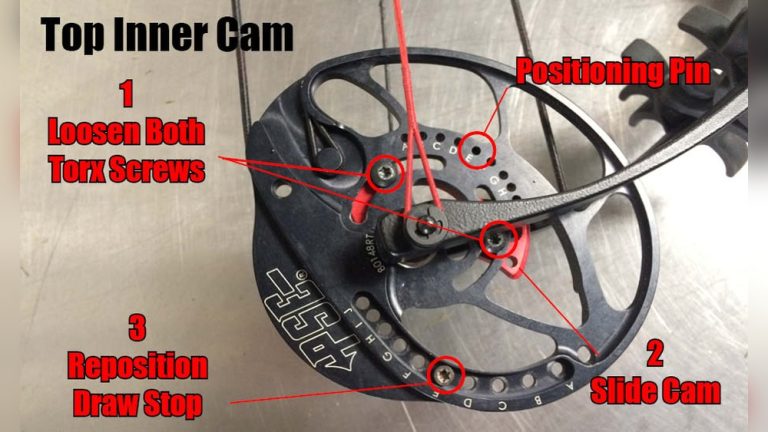
- Compound bows: Known for their cams and pulleys, offering more power and accuracy.
- Recurve bows: Classic design, often used for traditional hunting.
- Longbows: Simplest form, favored by purists for their history and challenge.
Each type has distinct advantages and considerations, which we’ll compare in detail later.
Basic Terminology Every Bow Hunter Should Know
Familiarizing yourself with key terms will accelerate your learning curve:
- Draw weight: The force required to pull the bowstring to full draw.
- Axle-to-axle length: The length between the bow’s axles, impacting maneuverability.
- Let-off: The reduction in draw weight at full draw (unique to compound bows).
- Broadhead: The hunting tip attached to an arrow for effective harvesting.
Credit: www.themeateater.com
Selecting Your Bow And Essential Gear
Choosing the right equipment is foundational to success in bow hunting. It impacts everything from shot accuracy to comfort in the field.
Comparing Bow Types: Compound Vs. Recurve Vs. Longbow
| Feature | Compound Bow | Recurve Bow | Longbow |
|---|---|---|---|
| Power & Speed | High | Moderate | Low-Moderate |
| Accuracy | Excellent | Good | Fair |
| Weight | Heavier | Lighter | Lightest |
| Learning Curve | Shorter | Moderate | Longest |
| Maintenance | More complex | Simple | Simplest |
| Typical Price Range | $300, $1,500+ | $100, $800 | $100, $600 |
Choosing Arrows And Broadheads
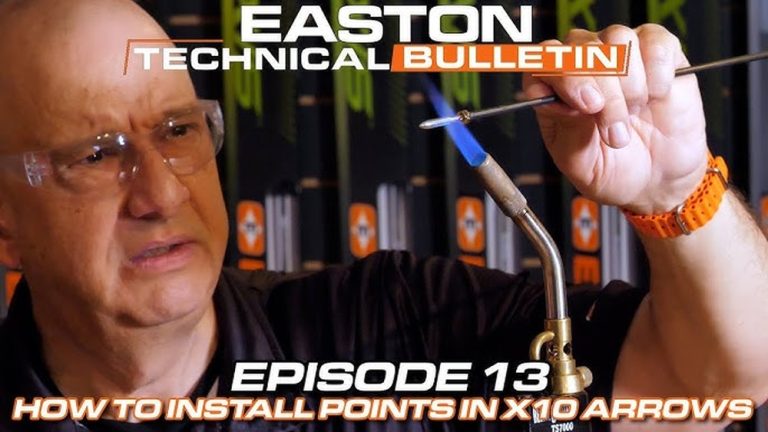
Selecting the proper arrow spine, length, and material (carbon, aluminum, or wood) is critical for flight stability. For hunting, broadheads are required, either fixed-blade or mechanical types, each with pros and cons:
- Fixed-blade: Reliable, simple, less prone to mechanical failure.
- Mechanical: Larger cutting diameter, better flight at long ranges, but require precise tuning.
Match your arrow and broadhead to your bow’s draw weight and the game species you’re targeting.
Essential Accessories For Effective Bow Hunting
To maximize safety and efficiency, consider adding these items to your kit:
- Release aid: Enhances consistency for compound shooters.
- Quiver: Safely carries arrows.
- Bow sight: Improves aiming accuracy.
- Arrow rest: Stabilizes arrows during release.
- Rangefinder: Ensures accurate distance estimation.
- Field dressing kit: For processing game in the field.
Clothing And Personal Gear
Proper attire is crucial for blending in and staying comfortable:
- Camouflage: Matches the terrain and season.
- Layered clothing: Adapts to changing weather.
- Scent control: Reduces detection by game.
- Safety harness: Essential for treestand hunters.
Pro Tip: In my experience, investing in high-quality boots is just as important as your bow, foot comfort can make or break a hunt.

Credit: www.zerotohunt.com
Mastering Bow Hunting Technique
A successful hunt depends as much on technique as it does on gear. Form, practice, and shot placement are the cornerstones of ethical and effective bow hunting.
Proper Shooting Form
Consistent shooting form leads to accurate, repeatable shots. Key elements include:
- Stance: Feet shoulder-width apart, body perpendicular to target.
- Grip: Relaxed hold to prevent torque.
- Anchor point: Consistent reference on your face (e.g., corner of mouth).
- Release and follow-through: Smooth, controlled motion.
Developing muscle memory through repetition is essential.
Practicing For Hunting Scenarios
Static target shooting is only a starting point. Practice in real-world conditions:
- Shooting from elevated positions (simulate treestands)
- Varying distances
- Shooting in low light
- Quick, but controlled, target acquisition
Many states require proof of proficiency before issuing a bow hunting license, be sure to check local rules.
Understanding Shot Placement And Game Anatomy
Ethical hunting demands a quick, humane kill. This means knowing animal anatomy and ideal shot angles. For most North American big game, the vital zone (heart and lungs) is the primary target.
| Animal | Vital Zone Size (inches) | Recommended Shot Angle |
|---|---|---|
| Whitetail Deer | 8, 10 | Broadside, slightly quartering away |
| Elk | 12, 18 | Broadside, quartering away |
| Wild Turkey | 4, 6 | Broadside, facing away |
Real-world Example: Overcoming Buck Fever
Even experienced hunters can suffer from “buck fever”, the adrenaline rush that causes shaky hands and erratic shooting. Practicing breathing exercises and visualization can help you remain calm during the moment of truth.

Credit: deerlab.com
Scouting, Tracking, And Reading Sign
Bow hunting success relies heavily on scouting and understanding animal behavior. Since bow hunters need to get much closer to their quarry than firearm hunters, knowledge of the land and game is paramount.
Pre-season Scouting Techniques
Effective scouting combines technology and old-fashioned fieldwork:
- Trail cameras: Monitor game movement patterns.
- Maps and GPS: Identify funnels, bedding areas, and food sources.
- Boots-on-the-ground: Walk likely areas for fresh sign.
Start scouting well before the season opens to pattern animal routines.
Identifying Animal Tracks And Sign
Learn to recognize:
- Tracks: Shape, size, and stride help identify species and size.
- Droppings (scat): Freshness indicates recent activity.
- Rubs and scrapes: Bucks mark territory and attract does.
- Trails and bedding: Look for worn paths and flattened grass.
Pro Tip: I once found a heavily used deer trail by following a series of fresh tracks through a muddy creek, leading directly to a productive stand location.
Reading The Wind And Terrain
Wind direction is critical, animals rely heavily on their sense of smell. Always hunt with the wind in your face. Terrain features like saddles, ridges, and water sources can funnel animal movement.
Case Study: Successful Turkey Hunt
A seasoned hunter scouted a field edge for three mornings, noting turkey roosting locations and travel patterns. By setting up near a known travel corridor and adjusting for wind, he harvested a mature tom at 18 yards.
Strategies For The Hunt: Stalking, Still Hunting, And Stand Hunting
Bow hunting offers several primary approaches, each suited to different terrains and game species. Mastering these methods increases your adaptability and success.
Stand Hunting: Treestands And Ground Blinds
Most bow hunters favor stand hunting for its concealment and clear shooting lanes.
- Treestands: Offer a bird’s-eye view and reduce scent detection. Use a safety harness at all times.
- Ground blinds: Ideal for open areas or when trees are scarce. Camouflage is vital.
Placement is key, locate stands near food sources, trails, or pinch points.
Still Hunting
Still hunting involves slowly and silently moving through the woods, pausing often to observe and listen. This technique is effective in dense cover where animals may be bedded during daylight hours.
- Move slowly
- Scan frequently
- Use natural cover
Spot And Stalk
Popular in open country, spot and stalk requires glassing for game at a distance and then quietly closing the gap. It demands patience, knowledge of wind, and terrain.
- Use binoculars or spotting scopes
- Plan your route to stay hidden
- Take your time to avoid detection
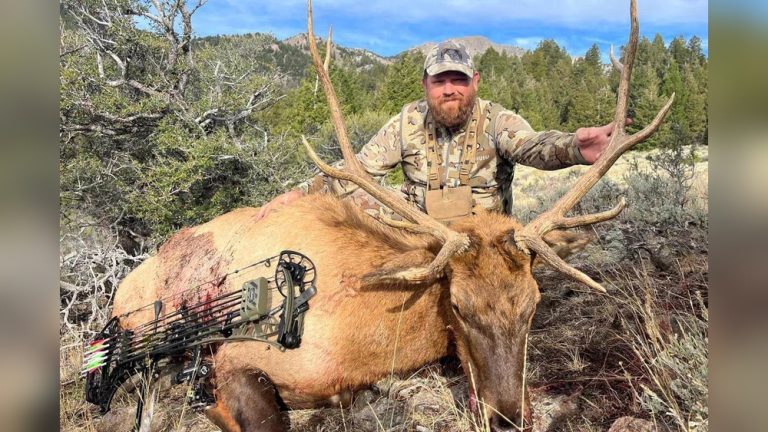
Example: Elk Spot And Stalk
A bow hunter in Colorado glassed a herd of elk from a ridge, planned a route using terrain and wind, and closed the distance to 40 yards, resulting in a successful shot.
Safety, Survival, And Field Ethics
Safety and ethical conduct are as important as skill in bow hunting. Responsible hunters protect themselves, others, and the resource.
Personal Safety Precautions
Bow hunting often takes place in remote areas. Key safety considerations include:
- First aid kit: Always carry basic supplies.
- Communication device: Cell phone or satellite messenger.
- Let someone know your plans: Share your location and expected return.
- Wear blaze orange: In firearm season or as required by law.
Treestand Safety
Falls are a leading cause of hunting accidents. Always use a full-body harness, maintain three points of contact, and inspect stands before use.
Survival Essentials
Unexpected weather or injury can turn a hunt into a survival situation. Essentials include:
- Map and compass
- Fire-starting tools
- Water purification method
- Emergency shelter
Practicing Ethical Hunting
- Take only legal game
- Make every effort for a clean, quick kill
- Recover and utilize all edible meat
- Respect private property and posted land
Pro Tip: If you wound an animal, prioritize tracking and recovery above all else, this is the ethical responsibility of every hunter.
Processing And Utilizing Your Harvest
Harvesting an animal is just the beginning. Proper field care ensures high-quality meat and respect for the animal.
Field Dressing And Game Care
Quick field dressing cools the meat and prevents spoilage. Essential steps:
- Tag your animal: As required by law.
- Remove entrails: Use a sharp knife and work carefully.
- Cool the carcass: Hang or quarter the animal as soon as possible.
Invest in a quality field dressing kit and practice before your first hunt.
Transport And Storage
Game laws may require proof of sex or species during transport. Use a cooler with ice to keep meat fresh. Plan for prompt processing, either at home or a professional processor.
Butchering And Cooking
Many hunters process their own game, turning venison, elk, or turkey into steaks, roasts, and sausages. There are numerous resources and courses available, see the National Wild Turkey Federation for turkey-specific tips.
Utilizing Hide, Antlers, And Other Parts
Beyond meat, hunters often tan hides, craft tools, or create displays from antlers. Using as much of the animal as possible honors the hunt and minimizes waste.
Bow Hunting In Different Environments And For Various Game
Bow hunting opportunities and tactics vary widely depending on habitat and target species. Understanding these differences will improve your versatility and success rate.
Whitetail Deer In Forests
- Stands near funnels and trails.
- Rut season (late fall) is prime time.
- Scent control is crucial in dense cover.
Elk In Mountainous Terrain
- Spot and stalk is the most common tactic.
- Physical fitness is important due to challenging terrain.
- Calls and bugles can attract bulls during the rut.
Turkey In Open Fields And Woods
- Ground blinds offer concealment.
- Decoys and calls are effective.
- Aim for vital zone: Small and precise.
Wild Boar In Southern States
- Still hunting or spot and stalk in thick brush.
- Sturdy arrows and broadheads for tough animals.
Case Study: Adapting To Weather
A hunter in the Midwest adjusted tactics after a sudden cold front pushed deer movement to midday. By relocating a stand to a south-facing slope, he encountered more activity and tagged a mature buck.
Frequently Asked Questions
What Is The Best Age To Start Bow Hunting?
Most states allow youth bow hunting with adult supervision around ages 12, 14, though some programs offer mentorship for younger children. Physical strength and maturity are more important than age, children should be able to safely handle the bow and understand ethical hunting practices.
Many hunters begin with target archery before advancing to hunting.
How Can I Stay Physically Fit For Bow Hunting?
Fitness is important, especially for western hunts or spot-and-stalk tactics. Exercises that improve core strength, balance, and cardiovascular endurance are beneficial. Focus on hiking with a loaded pack, practicing shooting from various positions, and building upper body strength. Regular stretching helps prevent injury during long sits or sudden movements.
Is Bow Hunting More Difficult Than Rifle Hunting?
Yes, bow hunting is generally considered more challenging due to the need for closer shots (often within 20, 40 yards), stealth, and precise shot placement. The learning curve is steeper, and success rates are typically lower than rifle hunting. However, many hunters find the increased challenge and connection to the hunt deeply rewarding.
What Are The Best Ways To Reduce Scent While Bow Hunting?
To minimize detection by game animals’ acute sense of smell:
- Bathe with unscented soap before hunts.
- Wash clothing in scent-free detergent.
- Store gear in airtight containers with natural materials (like pine needles).
- Use scent elimination sprays.
- Always hunt with the wind in your favor.
Can Bow Hunting Be Practiced Year-round?
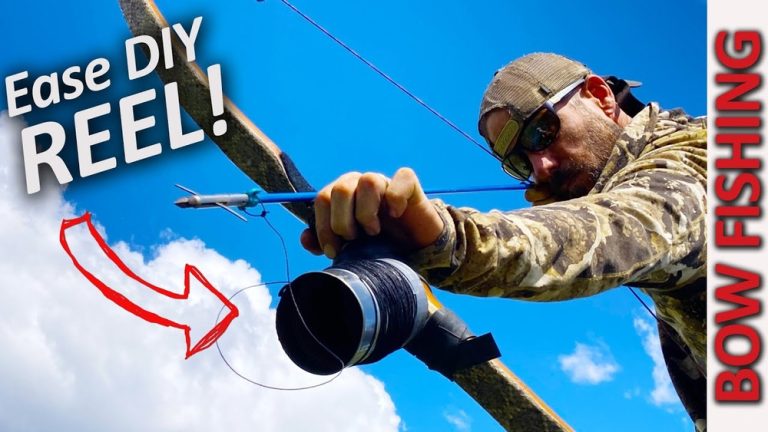
While hunting seasons are regulated, off-season practice is vital for skill development. Many archery ranges, 3D target courses, and backyard setups allow year-round shooting. Participating in bow fishing or small game archery hunts during the off-season also keeps skills sharp.
Bow hunting combines patience, preparation, and a respect for the natural world. With the right knowledge, ethical practices, and a commitment to ongoing learning, anyone can find deep satisfaction in this ancient pursuit. Whether you seek quiet solitude in a treestand or the adrenaline of a close encounter, the journey is as rewarding as the harvest.