How To Become A Pro Bow Shooter
Becoming a pro bow shooter is a pursuit that blends precision, discipline, and a deep appreciation for the art of archery. Whether you’re inspired by Olympic champions or drawn to the thrill of competitive archery, mastering the bow involves much more than simply hitting targets, it demands a holistic approach to skill development, equipment selection, mental fortitude, and ongoing practice.
In recent years, the popularity of archery has soared, with the USA Archery organization reporting over 60,000 active members and thousands of competitions nationwide. This surge is fueled not only by sport but also by recreational and hunting enthusiasts who recognize the unique challenge and satisfaction archery offers.
Achieving professional-level proficiency requires understanding the nuanced mechanics of shooting, maintaining rigorous training routines, and leveraging expert coaching. The journey is highly individual, with successful pros like Brady Ellison (Olympic medalist) and Paige Pearce (world champion compound archer) exemplifying how dedication and strategic progression can lead to elite performance. This article will guide you through the essential steps, tools, and mindsets necessary to become a pro bow shooter, drawing on real-world examples, data-driven comparisons, and actionable advice to support your path from beginner to expert.
Key Takeaways
- Pro bow shooting requires mastery of technique, consistent training, and mental resilience.
- Selecting the right equipment is crucial; proper bow fit and arrow choice impact accuracy.
- Structured coaching and practice routines accelerate progress and refine skills.
- Understanding competition formats and rules prepares shooters for professional events.
- Advanced strategies, including mental conditioning and tactical shot planning, differentiate elite performers.
- Real-world case studies and examples illustrate proven pathways to professional status.
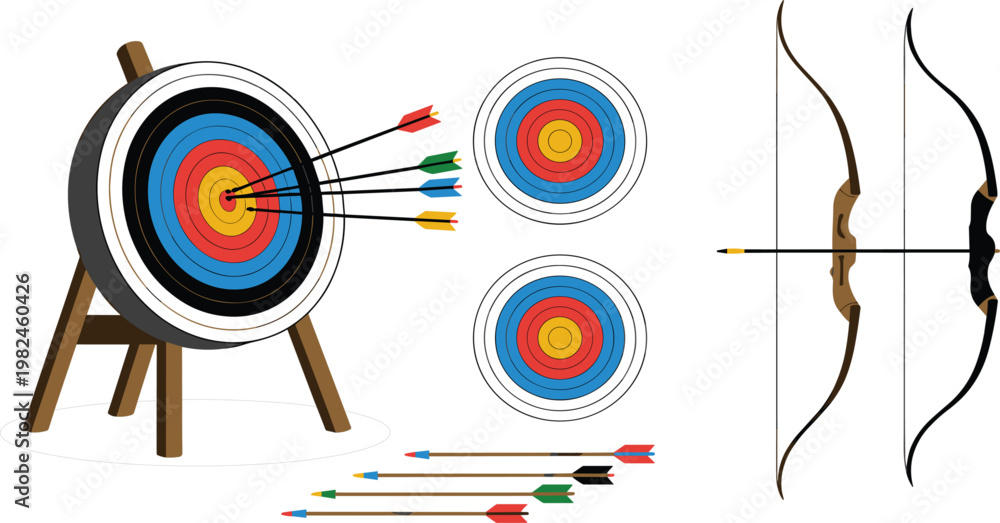
Credit: www.abposters.com
Understanding The Fundamentals Of Bow Shooting
Mastering the basics is the foundation of professional archery. While advanced skills are essential, even the world’s top shooters emphasize the importance of fundamentals.
Types Of Bows And Their Uses
Archery encompasses several bow types, each suited to different disciplines and preferences:
- Recurve Bow: Used in Olympic archery, known for its simplicity and precision.
- Compound Bow: Features cams and pulleys for increased power; popular in tournaments and hunting.
- Longbow: Traditional style, valued for its historical significance and challenging use.
- Barebow: A recurve bow without sights or stabilizers, requiring enhanced instinctive aiming.
| Bow Type | Main Use | Skill Level | Common Competition |
|---|---|---|---|
| Recurve | Target, Olympic | Intermediate, Advanced | World Archery, Olympics |
| Compound | Target, Hunting | Beginner, Advanced | World Archery, USA Archery |
| Longbow | Traditional, Field | Intermediate | Traditional Tournaments |
| Barebow | Instinctive, Field | Advanced | World Archery |
Basic Shooting Technique
The core steps in bow shooting involve:
- Stance: Feet shoulder-width apart, balanced posture.
- Nocking the Arrow: Placing the arrow on the string securely.
- Drawing: Pulling the string back smoothly, maintaining alignment.
- Anchor Point: Consistent placement of the hand at the jaw or cheek.
- Aiming: Using sights or instinctive focus, depending on bow type.
- Release: Smooth, controlled letting go of the string.
- Follow Through: Maintaining form after release for accuracy.
Common Mistakes To Avoid
- Grip tension: Squeezing the bow tightly causes torque and erratic shots.
- Inconsistent anchor point: Leads to variable arrow flight.
- Poor posture: Affects stability and repeatability.
- Rushing the shot: Sacrifices accuracy for speed.
Pro Tip: Focus on repeatability, pros practice identical shot sequences to build muscle memory and consistency.
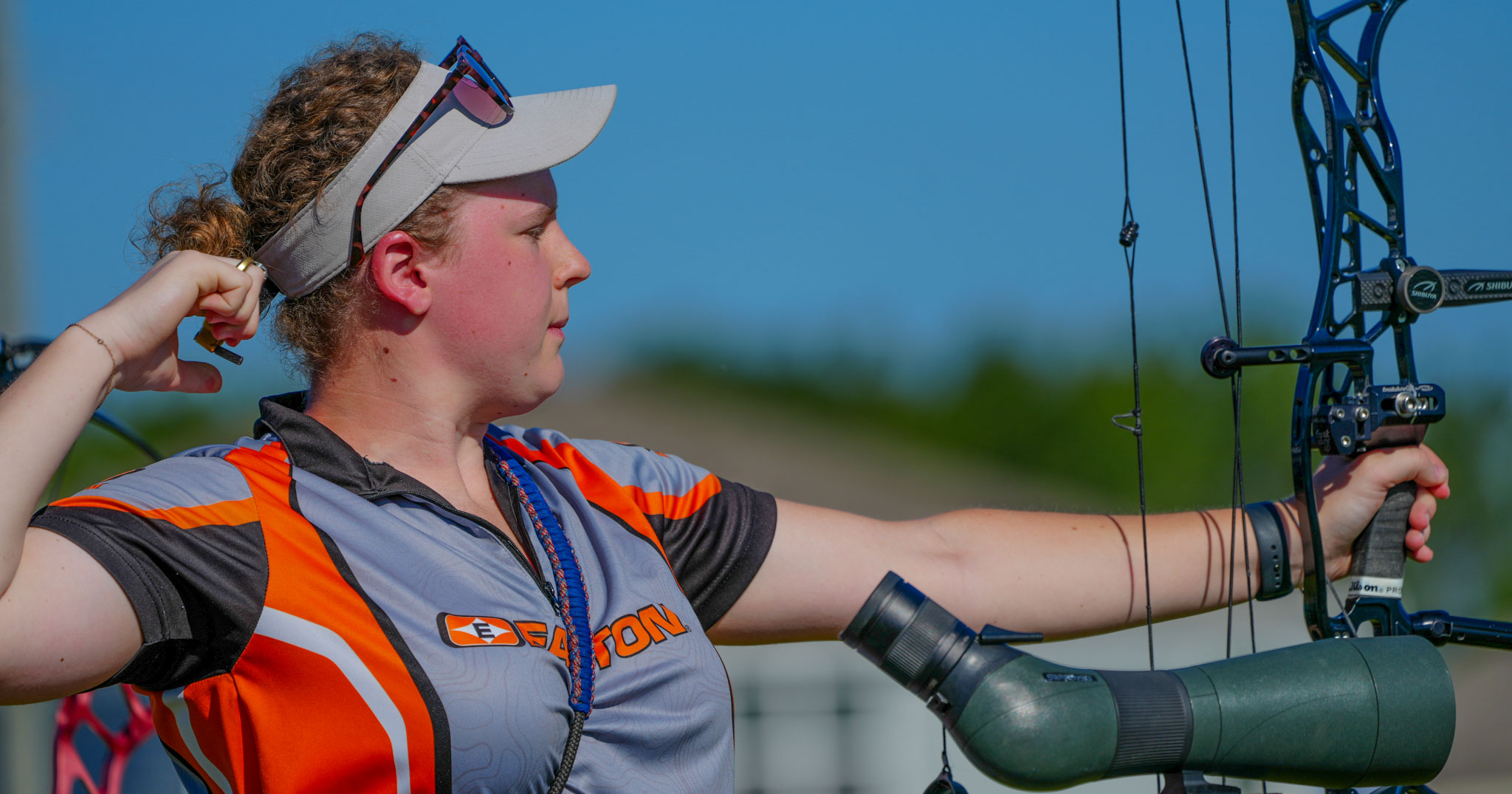
Credit: www.usarchery.org
Selecting And Customizing Your Equipment
Choosing the right gear is a critical step in advancing from amateur to pro. Even minor adjustments can significantly impact performance.
Bow Fit And Selection
A bow must fit your draw length, strength, and intended use. Recurve and compound bows offer adjustable features, but proper fit is essential:
- Measure your wingspan and divide by 2.5 to estimate draw length.
- Test bows for comfortable draw weight; most pros shoot 35, 50 lbs, depending on discipline.
- Visit reputable archery shops for personalized fittings.
Arrow Selection And Tuning
Arrows vary in spine stiffness, length, and tip weight. For optimal accuracy:
- Match arrow spine to your bow’s draw weight.
- Select tip weight for target or hunting use (100, 125 grains for target).
- Use high-quality fletching for stability.
| Arrow Type | Material | Typical Use | Price Range |
|---|---|---|---|
| Carbon | Carbon Fiber | Target, Competition | $7, $25 per arrow |
| Aluminum | Aluminum | Target, Beginner | $3, $10 per arrow |
| Wood | Wood | Traditional, Field | $2, $8 per arrow |
Accessories For Performance Enhancement
Professional archers rely on specialized accessories:
- Sight: Adjustable for distance and windage.
- Stabilizer: Reduces vibration and improves balance.
- Release aid: Used in compound shooting for consistency.
- Arm guard: Prevents string slap injuries.
Maintenance And Upgrades
Regular maintenance is vital:
- Inspect strings for wear and replace every 6, 12 months.
- Keep limbs clean and free of debris.
- Check arrow nocks and tips for damage.
- Upgrade components as skills improve; many pros switch to custom grips or specialized limbs.
Example: Paige Pearce’s switch to custom carbon arrows improved her competition scores by enhancing consistency and reducing variance.
Building Expert-level Technique
Moving beyond the basics, pro shooters develop advanced techniques that set them apart.
Perfecting Your Form
Elite archers work tirelessly on form:
- Alignment: Shoulders, arms, and head must align consistently.
- Back tension: Engaging shoulder blades to draw and release smoothly.
- Breathing control: Inhale before drawing, exhale during aim, hold breath briefly for release.
Example: Olympic champion Brady Ellison attributes his accuracy to precise shoulder alignment and rigorous back tension drills.
Advanced Aiming Methods
Pros use sophisticated aiming strategies:
- Gap shooting: Judging distance and adjusting aim point.
- String walking: Changing finger position for variable distances (barebow).
- Sight adjustment: Fine-tuning for wind and elevation.
Shot Timing And Rhythm
Developing a consistent shot rhythm enhances performance:
- Create a pre-shot routine (stance, breath, check).
- Set a shot timer; many pros aim to release within 5, 8 seconds after full draw.
- Practice under timed conditions to simulate competition.
Video Analysis And Feedback
Modern archers use technology for improvement:
- Record sessions and analyze frame-by-frame.
- Use slow-motion to spot errors in release or follow-through.
- Compare footage with professional shooters for benchmarking.
Pro Tip: In my experience, reviewing shot videos helped identify subtle wrist movements that were impacting arrow flight, minor corrections led to marked accuracy improvements.
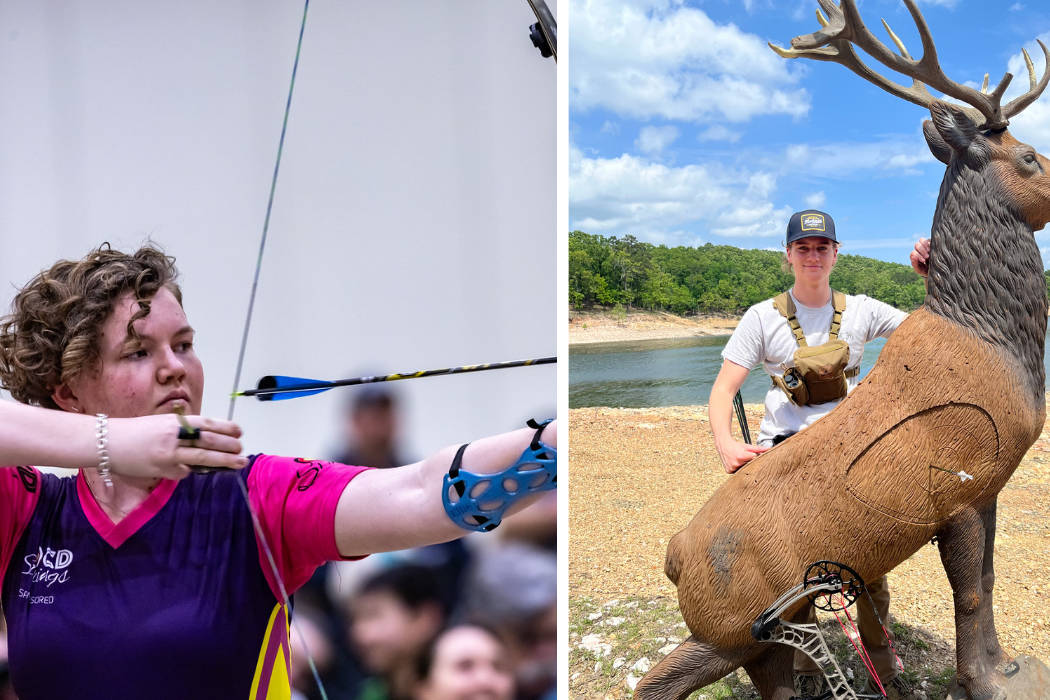
Credit: nfaausa.com
Training And Practice Strategies
Structured practice is essential for skill development. The top shooters adhere to rigorous routines.
Designing Effective Practice Sessions
Professional training emphasizes:
- Variety: Mix distance, speed, and target size.
- Repetition: Aim for 100, 200 arrows per session.
- Feedback: Track scores and identify weak areas.
Example: The US Olympic team conducts “pressure rounds” where archers shoot in front of peers, simulating competition stress.
Physical Conditioning
Archery demands strength and endurance:
- Focus on upper body, core, and back workouts.
- Include cardiovascular exercises for stamina.
- Stretch daily to maintain flexibility and reduce injury risk.
Mental Training And Focus
Mental resilience is a hallmark of professional archers:
- Practice visualization techniques, imagine perfect shots before shooting.
- Use mindfulness to manage anxiety and maintain focus.
- Develop positive self-talk routines.
Coaching And Mentorship
Access to expert coaching accelerates progress:
- Seek certified instructors from organizations like USA Archery or World Archery.
- Attend workshops and seminars to learn from elite shooters.
- Join archery clubs for peer support and feedback.
Example: Brady Ellison credits his consistent performance to regular sessions with renowned coach Kisik Lee, focusing on both technique and mental conditioning.
Competing Like A Professional
Transitioning to professional competition requires understanding formats, rules, and strategies.
Competition Types And Formats
There are several major competition formats:
- Target Archery: Shooting at fixed targets at set distances.
- Field Archery: Targets placed at varying distances and terrains.
- 3D Archery: Life-size animal targets, simulating hunting scenarios.
- Indoor Archery: Short-range, controlled environment.
| Competition Type | Distance | Scoring Method | Main Events |
|---|---|---|---|
| Target | 18, 70m | 10-ring | Olympics, World Archery |
| Field | Varied | Score zones | World Field Archery |
| 3D | Varied | Kill/vital zone | ASA, IBO |
| Indoor | 18m | 10-ring | USA Indoor Nationals |
Preparing For Tournaments
Steps to get tournament-ready:
- Register with governing bodies (USA Archery, World Archery).
- Review competition rules and scoring guidelines.
- Practice under simulated tournament conditions.
- Prepare equipment checklist for day-of event.
Managing Competition Stress
Handling pressure is crucial:
- Use breathing exercises to calm nerves.
- Stick to pre-shot routines for consistency.
- Focus on process, not outcomes.
Real-world Example: Paige Pearce
Paige Pearce, a top compound archer, routinely scores above 700 in World Archery events. Her preparation includes daily practice, equipment checks, and mental rehearsal before every tournament, demonstrating the importance of holistic readiness.
Advanced Strategies For Elite Performance
Becoming a pro involves adopting advanced tactics and continuous improvement.
Data-driven Performance Tracking
Professional archers monitor progress meticulously:
- Use scoring apps to log each session.
- Analyze shot patterns for improvement.
- Adjust training based on data trends.
Example: Olympic archers track “arrow grouping” statistics, refining form until 90% of shots land within the high-score zone.
Equipment Optimization
Fine-tuning gear for marginal gains:
- Experiment with stabilizer weights for balance.
- Test different fletching shapes for wind resistance.
- Adjust sight pins for varying lighting and weather conditions.
Tactical Shot Planning
Pros plan each shot:
- Assess environmental factors (wind, light, terrain).
- Choose aim points based on previous shot feedback.
- Adapt tactics for competition, conservative in early rounds, aggressive in finals.
Learning From Champions
Study the habits of successful archers:
- Watch competition footage for technique inspiration.
- Read interviews and follow training routines.
- Attend seminars and clinics hosted by elite shooters.
Pro Tip: Consistently review your training logs and adapt strategies, flexibility is key to long-term progression.
Real-world Examples And Success Stories
Learning from real-world cases helps illustrate the journey to professional status.
Brady Ellison: Olympic Medallist
Brady Ellison began archery at age 7 and steadily advanced through local tournaments to the Olympics. His regime includes:
- Daily practice (200, 300 arrows)
- Video analysis of form
- Regular mental conditioning sessions
Ellison’s consistent top finishes highlight the value of incremental improvement and dedication.
Paige Pearce: Compound Archery Champion
Pearce’s rise in compound archery began with junior competitions. She advanced by:
- Seeking expert coaching early
- Upgrading equipment as skills improved
- Emphasizing mental resilience
Her success is attributed to embracing structured routines and learning from setbacks.
Example: Local Club Shooter To National Competitor
Many professionals start at grassroots clubs. Success often involves:
- Participating in local tournaments
- Building relationships with mentors
- Competing at state and national levels
These case studies show that pro status is achievable with perseverance and strategic progression.
Resources And Community Support
Building connections and accessing resources accelerates your journey.
Archery Organizations
Key organizations provide support and structure:
- USA Archery: Offers coaching certification, competition registration, and resources.
- World Archery: Governs international tournaments and maintains ranking systems.
- National Field Archery Association (NFAA): Focuses on field and 3D archery.
USA Archery is the primary US body for certification, competition, and development.
Online Learning And Forums
The archery community thrives online:
- Participate in forums (ArcheryTalk, Reddit Archery) for advice and feedback.
- Watch instructional videos from top coaches on YouTube.
- Join virtual competitions for experience.
Local Clubs And Events
Joining local clubs offers:
- Access to practice facilities and ranges
- Opportunities for mentorship and peer learning
- Regular tournaments and social events
Example: The Easton Archery Center in Salt Lake City hosts weekly skill workshops and club competitions.
Equipment Retailers And Pro Shops
Reputable retailers provide expert fitting and gear advice:
- Seek out certified pro shops for personalized service.
- Test equipment before purchase.
- Attend demo days for hands-on experience.
Archery Wikipedia offers a comprehensive overview of the sport’s history, techniques, and global competitions.
Frequently Asked Questions
What Certifications Are Required To Become A Pro Bow Shooter?
To compete professionally, archers typically need to register with national bodies like USA Archery and obtain certifications for coaching or judging if pursuing those roles. While no formal “pro” certification exists, competitive status is often determined by tournament participation and ranking.
Some organizations offer instructor certifications, which can bolster credentials for coaching and training.
How Do I Find The Right Coach For Archery?
Finding a suitable coach involves researching local clubs, attending archery events, and seeking recommendations from experienced shooters. Look for coaches certified by reputable bodies such as USA Archery or World Archery. It’s helpful to observe coaching sessions and meet potential instructors to ensure their teaching style aligns with your learning preferences.
What Is The Typical Training Schedule For Professional Archers?
Most professional archers train 5, 6 days a week, shooting between 150, 300 arrows per session. Training includes technical drills, physical conditioning, mental exercises, and video review. During competition season, routines may intensify, with extra focus on simulation and pressure practice.
It’s important to balance shooting with recovery to prevent injuries.
Are There Age Limits For Professional Archery Competitions?
Archery welcomes competitors of all ages, with divisions for juniors, adults, and seniors. Major tournaments often have minimum age requirements (e. g. , 15 for World Archery events), but local and national competitions provide opportunities for all age groups. Many professionals start young, but late starters can also achieve high levels with dedication.
How Do Archers Manage Injuries And Prevent Them?
Professional archers employ preventive strategies such as regular stretching, strength training, and proper form to avoid injuries. Common issues include shoulder strain and finger discomfort. Immediate rest, consulting sports medicine specialists, and gradual return to training are advised if injuries occur.
Equipment adjustments (e. g. , lighter draw weight) can also reduce strain.
The journey to becoming a pro bow shooter is challenging yet immensely rewarding, blending physical skill, mental resilience, and strategic progression. With the right foundations, expert guidance, and a commitment to ongoing improvement, you can advance from novice to elite competitor, joining the ranks of archery champions who inspire the world.
Pursue your passion with discipline and curiosity, every arrow brings you closer to mastery.