How To Bow Hunt Deer In The Rain
Bow hunting deer in the rain presents a unique set of challenges and opportunities for hunters seeking to push their skills and perseverance to the next level. The unpredictable conditions not only test equipment and technique but also the hunter’s adaptability and resolve.
Rainy weather alters deer behavior, impacts scent dispersal, and creates a more demanding environment, yet it can yield surprising advantages for those prepared to embrace the elements. Whether you’re a seasoned bow hunter or just beginning, mastering rainy-day strategies can make the difference between coming home empty-handed or securing a memorable harvest.
Rain transforms the landscape, dampening sounds and scents, which can help hunters move more quietly and reduce the likelihood of being detected. However, wet conditions also complicate tracking, gear maintenance, and shot placement. With careful planning, the right gear, and a solid understanding of deer habits during inclement weather, bow hunters can leverage these conditions to their benefit.
This comprehensive guide draws from research, field-tested tactics, and firsthand experience to help you hunt deer effectively and ethically in the rain.
Key Takeaways
- Rainy conditions can improve stealth but complicate tracking and gear reliability.
- Specialized equipment and waterproof clothing are essential for bow hunting in wet weather.
- Deer behavior changes during rainfall, offering new hunting opportunities.
- Safety and ethical shot placement are critical due to decreased visibility and slippery terrain.
- Post-shot tracking is more difficult, requiring advanced preparation and skill.

Credit: freerangeamerican.us
Understanding Deer Behavior In Rainy Conditions
Rain dramatically influences deer activity, movement patterns, and feeding habits. Recognizing these behavioral shifts is vital for any bow hunter aiming to maximize their chances of success during wet weather.
How Rain Affects Deer Movement
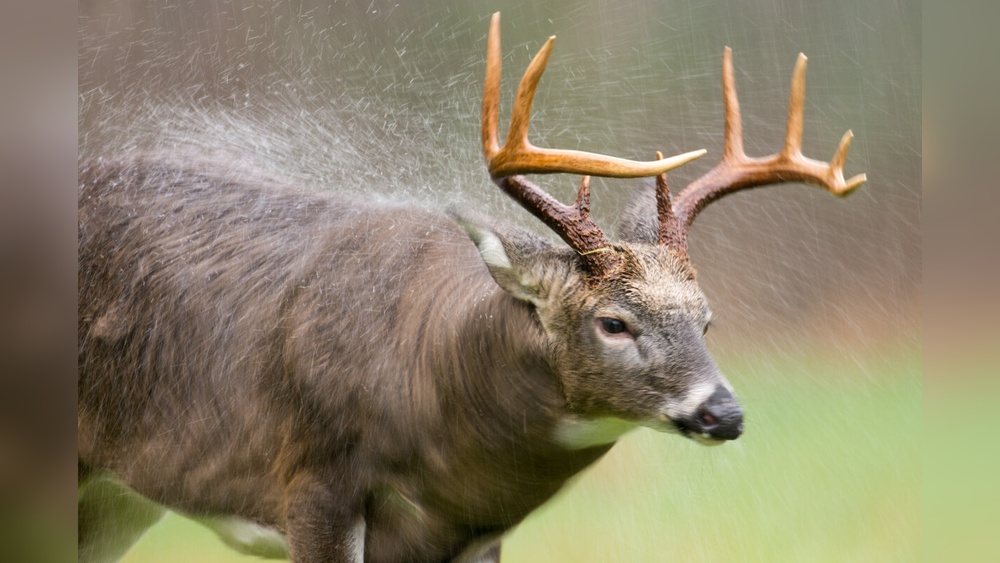
Deer are typically more active just before and after rainfall. Light to moderate rain can make deer feel safer, as the sound of falling rain masks noises and the moisture dampens scent trails. During heavy downpours, however, deer often seek shelter and reduce movement.
- Light Rain: Deer may move more freely, foraging in open areas.
- Heavy Rain: Deer tend to bed down in thick cover, waiting for conditions to improve.
- Post-Rain: After the rain stops, deer emerge to feed and move, making this a prime hunting window.
Changes In Feeding Patterns
Rain impacts the availability and desirability of food sources. Wet foliage and ground cover can make certain plants more appealing, while heavy rain may limit access to preferred feeding spots.
- Example: In my experience, deer often shift from open fields to the edges of woodlands during steady rain, preferring the shelter and diverse forage available there.
Scent And Sound Dynamics
Rain disperses human scent more quickly and muffles noises, giving hunters a stealth advantage. However, it also diminishes the effectiveness of traditional scent control products.
- Pro Tip: Use the rain to your advantage by moving slowly and avoiding unnecessary noise, relying on the natural sound cover.
Credit: www.bowhunter.com
Essential Gear And Preparation For Bow Hunting In The Rain
Proper equipment selection and preparation are crucial for overcoming the challenges posed by wet conditions. Investing in quality gear ensures comfort, safety, and increased effectiveness.
Waterproof Clothing And Layering
Staying dry is a top priority for maintaining focus and preventing hypothermia. Choose breathable, waterproof layers to protect against rain and wind.
- Base Layer: Moisture-wicking materials to keep sweat away.
- Mid Layer: Insulating fabrics for warmth.
- Outer Layer: Waterproof jackets, pants, and boots designed for hunting.
| Layer | Recommended Material | Purpose |
|---|---|---|
| Base | Merino Wool/Synthetic | Moisture Management |
| Mid | Fleece/Insulation | Warmth |
| Outer | Gore-Tex/Waterproof Nylon | Weather Protection |
Bow And Arrow Maintenance
Rain can impact bowstring integrity, arrow flight, and overall equipment performance. Regular maintenance is vital.
- Use waterproof bow cases for transport.
- Apply string wax before heading out.
- Check arrow vanes for water damage or warping.
Optics And Electronics
Rainy weather can hamper visibility and damage sensitive equipment.
- Waterproof binoculars and rangefinders are a must.
- Lens covers and anti-fog wipes help maintain clear optics.
- Water-resistant GPS devices and mobile phones ensure navigation and safety.
Scent Control And Cover
Rain provides natural scent control, but supplementing with unscented products and staying downwind is still recommended.
- Avoid strong-smelling repellents that may linger despite rain.
- Store gear in scent-free containers when not in use.
Strategies For Choosing The Right Hunting Location
Selecting an optimal hunting site under rainy conditions requires flexibility and a keen understanding of deer preferences. The landscape changes, and so must your approach.
Bedding Areas Vs. Feeding Areas
During heavy rain, deer often retreat to bedding areas with dense cover. Light rain or drizzle encourages movement towards feeding zones.
- Example: When I tested hunting near bedding areas during a rainstorm, I observed increased deer traffic as they returned to shelter.
Terrain And Topography
Wet weather can turn some areas into mud traps while others offer improved access. Study maps and scout locations ahead of time.
- Elevated ridges: Stay dry and provide vantage points.
- Woodland edges: Offer food and protection during rain.
- Lowlands: May flood or become impassable.
Shelter And Concealment
Rain enhances natural concealment, but hunters should still seek spots with overhead cover to protect gear and maintain visibility.
- Pro Tip: Use brush and tree canopies for shelter, but avoid areas prone to pooling water.
Access And Exit Routes
Wet terrain complicates movement. Plan routes that minimize disturbance and reduce the risk of leaving obvious tracks or scent.
- Mark trails with biodegradable tape for easy exit.
- Wear rubber boots to avoid scent contamination.
Credit: www.bowhunting.com
Tactics For Bow Hunting Deer In Rainy Weather
Successful rainy-day bow hunting relies on adapting tactics to the altered environment. Techniques must be fine-tuned for stealth, accuracy, and ethical shot placement.
Silent Movement And Ambush
Rain’s masking effects allow for quieter stalks and ambush setups.
- Move slowly, taking advantage of muffled footsteps.
- Set up blinds or stands near high-traffic areas identified by fresh tracks and droppings.
Shot Placement And Range
Visibility decreases in rain, so hunters must adjust for shorter, more accurate shots.
- Limit shots to 30 yards or less to ensure ethical kills.
- Aim for vital zones, avoiding low-light or obstructed targets.
Tracking And Recovery
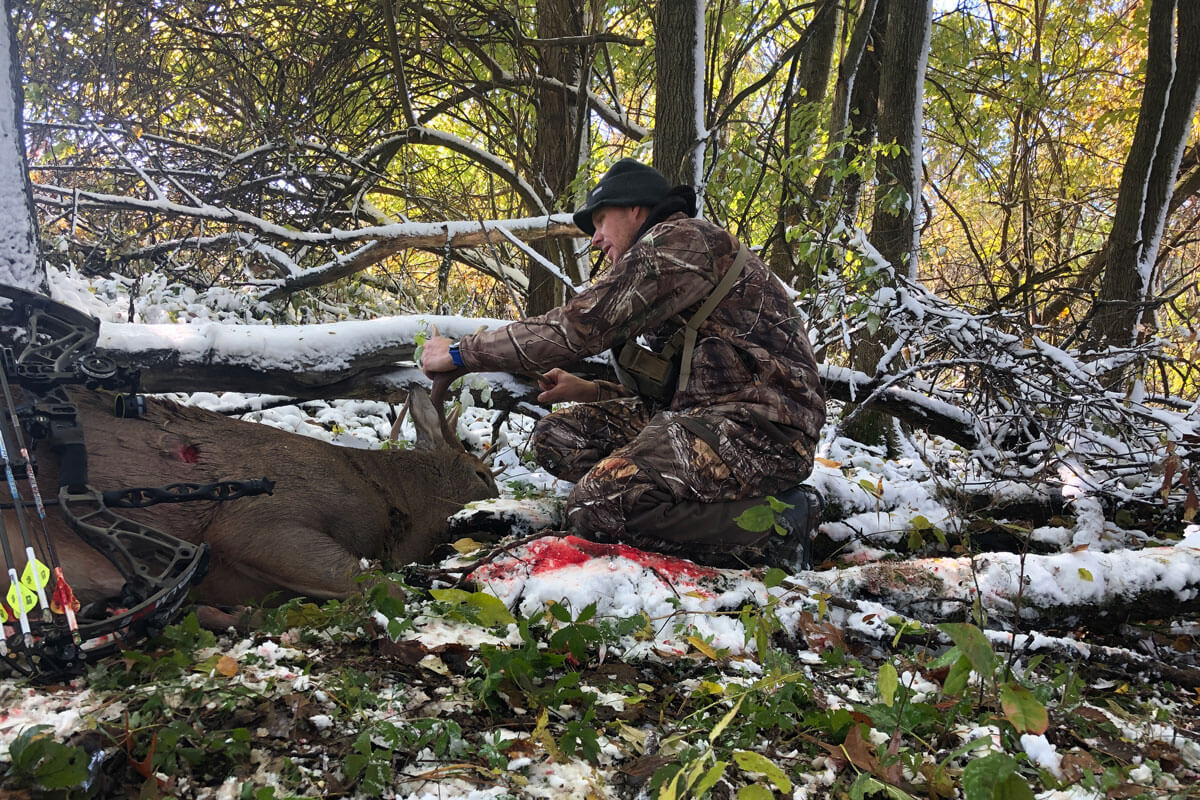
Rain complicates post-shot tracking as blood trails wash away quickly.
- Record shot location and deer behavior immediately.
- Use fluorescent tracking tape if legal.
- Pro Tip: Wait at least 30 minutes before pursuing, unless weather threatens to erase the trail.
| Tracking Method | Effectiveness in Rain | Notes |
|---|---|---|
| Blood Trail | Low | Quickly washes away |
| Hair/Tracks | Moderate | Visible but may be obscured by mud |
| Fluorescent Tape | High | Helpful for marking |
Real-world Example: Rainy-day Success
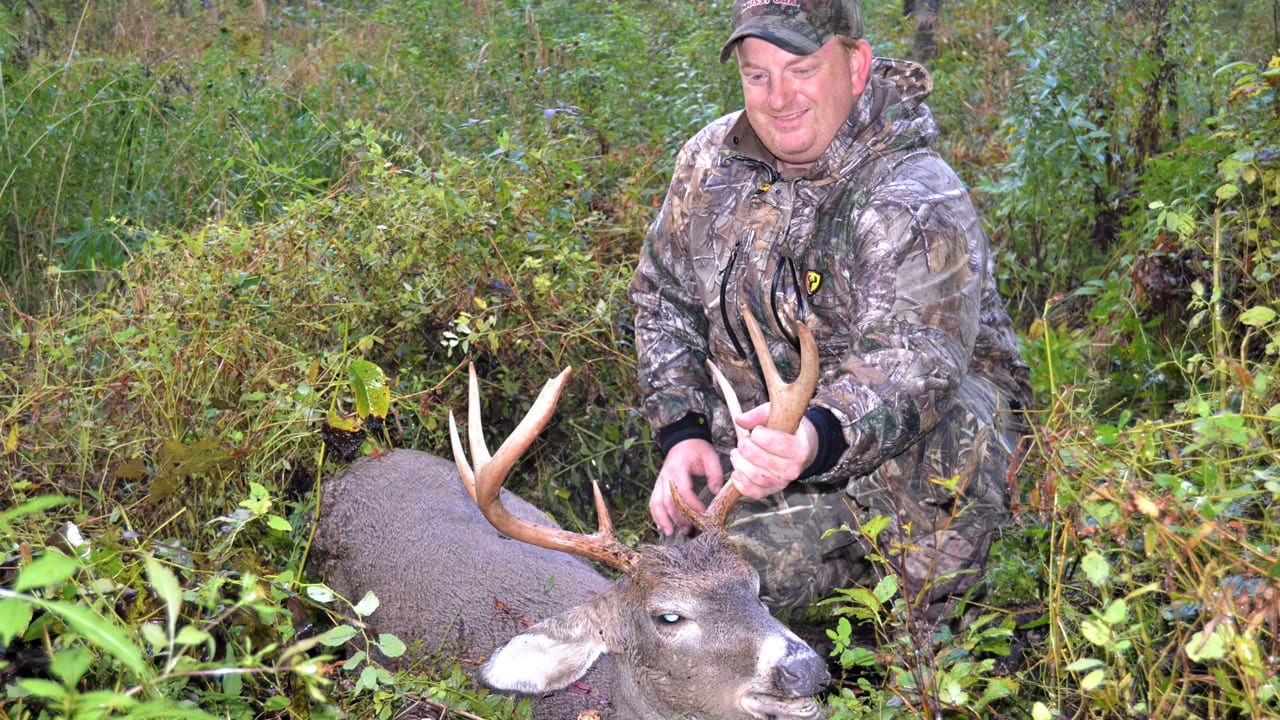
A hunter in Pennsylvania reported harvesting a mature buck during a steady drizzle by positioning near a thicket. The rain masked his scent and sound, allowing the deer to approach within 20 yards. The shot was clean, but tracking required careful attention due to washed-out blood trails and slick terrain.
The deer was recovered after marking the path and following subtle signs.
Safety Considerations And Ethical Hunting Practices
Hunting in the rain introduces additional risks and responsibilities. Prioritizing safety and ethical behavior preserves the integrity of the hunt and ensures a positive outcome.
Personal Safety
Wet conditions increase the risk of slips, falls, and hypothermia.
- Wear non-slip boots and waterproof gloves.
- Carry a first-aid kit and emergency supplies.
- Monitor weather forecasts closely.
Equipment Safety
Bowstrings, arrows, and other gear can degrade faster in the rain.
- Inspect equipment regularly for signs of wear.
- Store gear in dry bags to prevent water damage.
Ethical Shot Placement
Reduced visibility demands extra caution.
- Avoid risky shots that may result in wounded animals.
- Be patient, waiting for clear, close opportunities.
Legal And Conservation Considerations
Rainy weather can impact hunting regulations and wildlife conservation efforts.
- Check local laws for tracking and recovery requirements.
- Respect property boundaries and avoid damaging habitats.
National Wildlife Federation provides guidance on ethical hunting and conservation best practices.
Tracking And Recovering Deer After The Shot
Recovery is often the most challenging aspect of rainy-day hunting. The process demands patience, skill, and a systematic approach.
Blood Trail Management
Rain rapidly dilutes and washes away blood, making traditional tracking difficult.
- Immediately mark the location of the shot and first signs of blood.
- Search for secondary signs such as hair, disturbed foliage, and tracks.
Using Technology For Recovery
Advancements in GPS and mapping apps aid in recovery.
- Record GPS coordinates of the shot location.
- Use mapping apps to document search patterns.
Recovery Strategies
- Grid search: Systematically cover the area in overlapping passes.
- Enlist help: Bring experienced trackers if possible.
- Pro Tip: If rain intensifies, prioritize speed over thoroughness to avoid losing the trail.
Case Study: Difficult Recovery
A bow hunter in Wisconsin faced heavy rain after a successful shot. The blood trail vanished within minutes, but the hunter relied on GPS and physical markers to search the area. After two hours, the deer was found bedded near dense cover, highlighting the importance of persistence and preparedness.
Real-world Examples And Case Studies
Examining successful rainy-day hunts offers valuable insights and actionable lessons.
Example 1: Bow Hunting After A Storm
A hunter in Missouri targeted deer immediately after a heavy rainstorm. Deer emerged from cover to feed, and the hunter’s waterproof gear allowed him to remain comfortable and alert. By staying near woodland edges, he secured a shot within 25 yards and recovered the deer using both visual cues and GPS tracking.
Example 2: Stealth Approach In Light Rain
In Georgia, a hunter used the sound of light rain to approach a bedding area. The deer were less cautious, and the hunter’s silent movement resulted in a clean shot. Tracking was simplified by marking the spot with fluorescent tape before the rain intensified.
Example 3: Gear Failure And Adaptation
A hunter in Maine experienced bowstring fraying due to prolonged exposure to rain. By carrying spare string wax and a backup string, he avoided equipment failure and completed the hunt successfully. This underscores the importance of preparation and redundancy.
Comparing Bow Hunting In Rain Vs Dry Conditions
Rainy weather alters nearly every aspect of the hunt. Understanding these differences helps hunters adapt and improve their strategies.
| Aspect | Rainy Conditions | Dry Conditions |
|---|---|---|
| Deer Movement | Active pre/post rain, seek shelter during heavy rain | Consistent, predictable patterns |
| Scent Control | Natural dispersion, easier stealth | Requires artificial products |
| Sound Concealment | Rain masks hunter noise | Noise carries farther |
| Tracking Difficulty | Blood trails wash away | Blood trails remain visible |
| Gear Maintenance | Requires waterproofing | Standard care |
| Safety | Risk of slips, hypothermia | Lower risk |
Preparation Tips For Bow Hunting Deer In The Rain
A successful hunt begins long before the rain starts. Preparation is key to overcoming the unique obstacles posed by wet weather.
Scouting And Planning
- Scout locations during dry weather to identify deer trails, bedding areas, and feeding sites.
- Mark potential ambush spots that offer shelter and visibility.
Equipment Checklist
Ensure all gear is ready for rain:
- Waterproof clothing and boots
- Bow maintenance kit (string wax, backup string)
- Water-resistant optics
- Emergency supplies (first-aid, fire starter, poncho)
- Tracking tape and GPS device
Mental Preparation
Rainy conditions test patience and resolve.
- Set realistic expectations for movement and recovery.
- Remain flexible, adapting tactics as conditions change.
Weather Monitoring
- Check forecasts before heading out.
- Prepare for sudden weather shifts, including storms and wind.
National Weather Service offers reliable forecasts and alerts for hunters.
Frequently Asked Questions
Is It Safe To Bow Hunt Deer In The Rain?
Bow hunting in the rain is safe if you take proper precautions. Wear non-slip boots, waterproof clothing, and carry a first-aid kit. Monitor weather forecasts to avoid severe storms or flash flooding. Always let someone know your hunting location and estimated return time.
How Does Rain Affect Deer Tracking After A Shot?
Rain washes away blood trails rapidly, making traditional tracking more difficult. Hunters should immediately mark shot locations and look for secondary signs such as hair, disturbed foliage, and tracks. Using fluorescent tape and GPS apps can help recover deer in challenging conditions.
What Is The Best Time To Hunt Deer During Rainy Weather?
Deer are most active just before the rain starts and immediately after it ends. Light rain encourages movement, while heavy rain causes deer to seek shelter. Plan hunts around these periods to maximize opportunities.
How Should I Maintain My Bow And Arrows During Rainy Hunts?
Regularly apply string wax before hunting and use waterproof cases for transport. Inspect arrows for water damage, especially vanes and fletching. If possible, carry spare strings and maintenance tools to address gear issues on the spot.
Are There Legal Considerations For Hunting Deer In The Rain?
Some states have regulations regarding tracking and recovery during adverse weather. Always check local laws to ensure compliance. Avoid hunting in conditions that compromise ethical shot placement or recovery, and respect property boundaries and conservation guidelines.
Rainy-day bow hunting challenges hunters to refine their strategies, gear, and mindset. With proper preparation and a deep understanding of deer behavior, wet weather can turn into a powerful ally. The quiet, masked landscape offers new opportunities for stealth, while the demands of tracking and recovery foster growth in skill and determination.
By embracing the rain, hunters not only expand their capabilities but also deepen their connection to the wild and the hunt itself.