How To Aim A Bow With Sight Pins
Archery has experienced a remarkable resurgence, captivating outdoor enthusiasts, competitive athletes, and recreational shooters alike. As technology has advanced, modern bows have adopted sophisticated sight systems to enable archers to achieve pinpoint accuracy. Among these innovations, sight pins stand out as the most widely used aiming aid, bridging the gap between instinctive shooting and precise marksmanship. Whether you’re a bowhunter seeking a clean ethical shot or a target archer chasing perfect scores, mastering the art of aiming with sight pins is essential for consistent success.
However, using sight pins is more nuanced than simply “lining up and letting go. ” It requires a blend of proper technique, equipment setup, and mental focus. Even small mistakes can send arrows far off target, leading to frustration and wasted effort.
This comprehensive guide breaks down the science and art of aiming a bow with sight pins, offering actionable steps, expert insights, real-world examples, and practical tips. By the end, you’ll be equipped to elevate your shooting and maximize the potential of your bow’s sight system.
Key Takeaways
- Sight pins provide visual reference points for precise aiming, transforming archery accuracy.
- Proper setup and adjustment of sight pins are crucial for optimal performance.
- Consistent anchor points, sight alignment, and shooting form are foundational to accuracy.
- Environmental factors like distance, wind, and lighting affect sight pin effectiveness.
- Real-world practice, troubleshooting, and mental focus refine your aiming technique.
- Understanding sight pin types and features helps you choose the right system for your needs.
Understanding Bow Sight Pins
Bow sight pins are the foundation of modern archery aiming systems. To use them effectively, it’s crucial to understand what they are, how they function, and the different types available.
What Are Sight Pins?
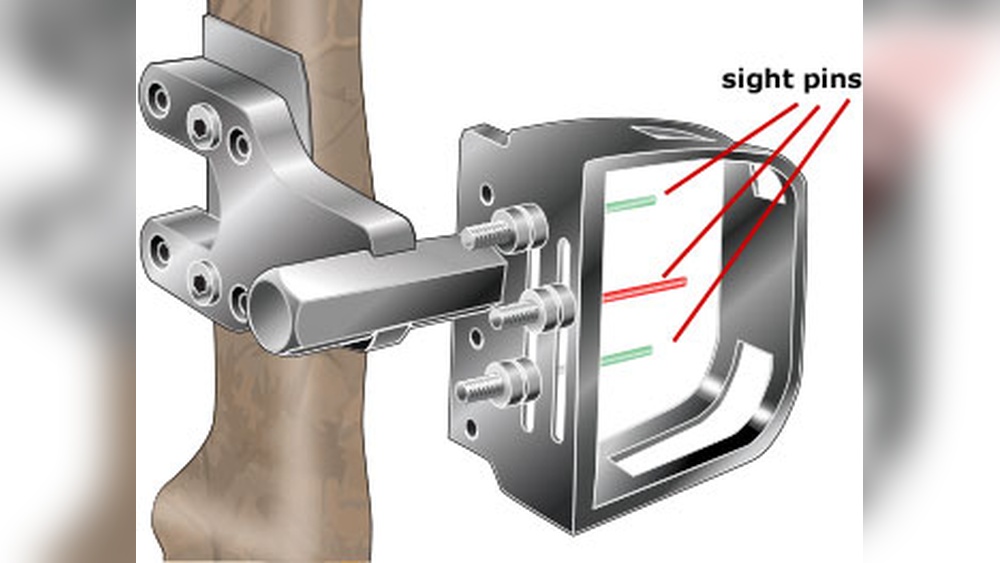
Sight pins are small, adjustable markers mounted on a bow sight, providing a precise visual reference for aiming at various distances. Most modern bow sights contain multiple pins, each calibrated for a specific yardage. By aligning a pin with your target, you can compensate for the arrow’s trajectory and drop, significantly improving accuracy.
Sight pins are typically made from durable materials like fiber optic rods or metal, ensuring visibility and resilience in diverse shooting conditions. The use of sight pins has become standard in compound bow setups, although some recurve archers also employ them.
Types Of Sight Pins
Bow sight pins come in several configurations, each with unique advantages:
- Fixed-pin sights: Feature multiple pins (usually 3-7), each set for a specific range. Ideal for hunters who need quick target acquisition at known distances.
- Single-pin (moveable) sights: Use one adjustable pin that can be dialed to any distance, offering a clear sight picture and flexibility for changing scenarios.
- Hybrid sights: Combine multiple fixed pins with a moveable “floater” pin for maximum versatility.
| Sight Pin Type | Number of Pins | Best For | Key Advantage |
|---|---|---|---|
| Fixed-pin | 3-7 | Bowhunting, 3D archery | Quick target acquisition |
| Single-pin | 1 (moveable) | Target archery, variable ranges | Uncluttered sight picture |
| Hybrid | 3-5 + 1 | Hunting, tournaments | Maximum versatility |
How Sight Pins Work
Sight pins compensate for arrow trajectory, which is affected by gravity, draw weight, and arrow speed. Each pin is set so that when you aim with it at a specific distance, the arrow will hit the point of aim. For example, your top pin might be set for 20 yards, the next for 30, and so on.
Proper use requires consistent shooting form and anchor point, any variation will alter the point of impact. This makes repeatability and practice as important as the equipment itself.
Pro Tip:
When choosing sight pins, consider your primary shooting activity. Hunters often prefer multi-pin setups for quick shots at varying distances, while target archers benefit from the clarity and adjustability of single-pin sights.
Credit: www.bowhunter.com
Setting Up Your Bow Sight Pins
Aiming accuracy begins with proper sight pin setup. This section covers the essential steps for installing, adjusting, and calibrating your bow sight pins.
Installing The Sight
Most modern bows are pre-drilled for sight installation. Attach the sight to the riser using the manufacturer’s instructions, ensuring it sits level and doesn’t interfere with the arrow rest or quiver.
- Use a torque wrench to avoid over-tightening.
- Confirm the sight is perpendicular to the bow limb for consistent alignment.
Adjusting Pin Positions
Pin placement directly impacts accuracy at different ranges. Begin by setting each pin for a known distance (e. g. , 20, 30, 40 yards). Use a large target and start at the closest range.
Steps to adjust:
- Shoot a group of arrows at the target using your top pin.
- If arrows hit high, move the pin up; if low, move it down.
- Repeat until arrows consistently strike the bullseye.
- Move to the next distance and repeat for each pin.
This process, known as “sighting in”, may take several sessions but is critical for reliable performance.
Leveling The Sight
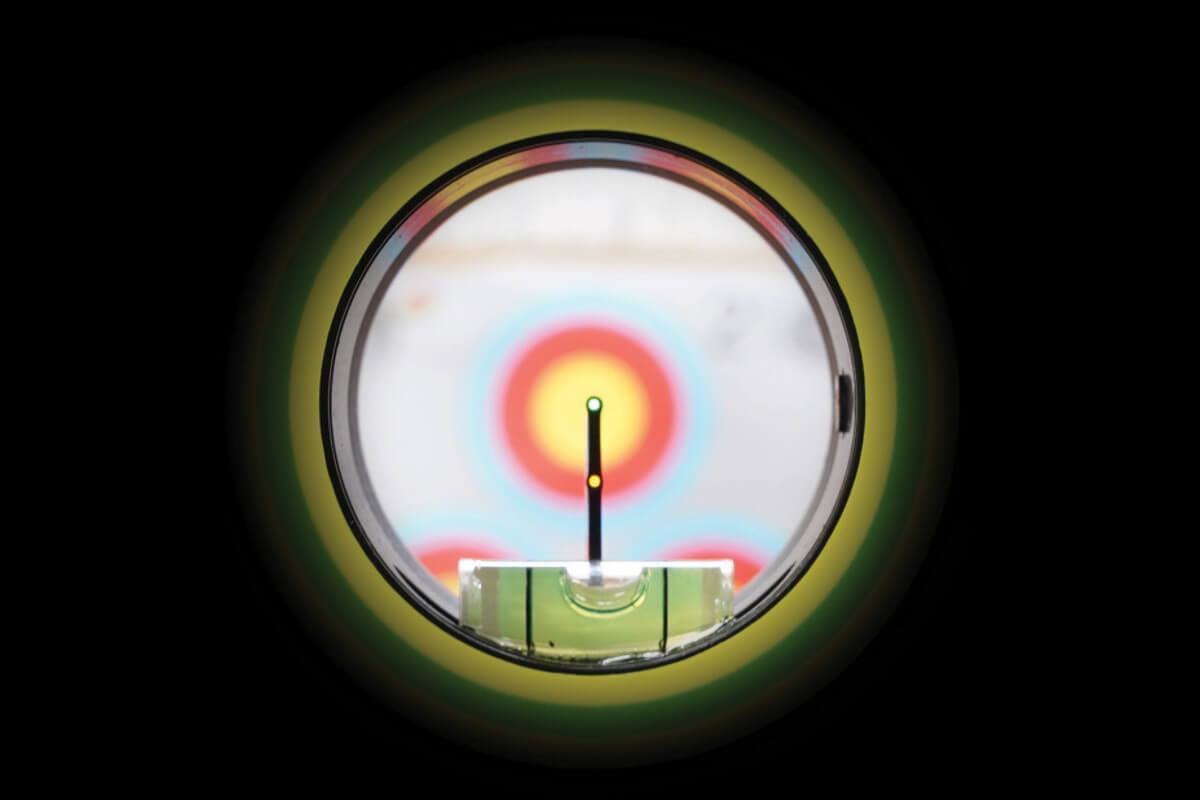
Many sights include built-in bubble levels. Leveling the sight ensures your bow isn’t canted during the shot, which would cause horizontal misses.
- With the bow at full draw, align the bubble level.
- If necessary, adjust the sight housing until the bubble sits centered when your anchor point is set.
Pin Brightness And Fiber Optics
Visibility is crucial, especially in low-light conditions. Most modern pins use fiber optics to gather ambient light, making them brighter. Some sights allow for adjustable brightness or include a small light.
- Avoid overly bright pins, which can obscure the target.
- Clean fiber optics regularly for maximum illumination.
Example:
A competitive 3D archer sets her five fixed pins at 20, 30, 40, 50, and 60 yards. She spends several practice sessions shooting tight groups at each distance, micro-adjusting each pin until her point of impact matches her point of aim.
By consistently using the same anchor point and grip, she ensures her pins remain accurate throughout the season.
Credit: www.bowhunter.com
Achieving Consistent Anchor Points And Shooting Form
Sight pins are only as effective as the shooting form behind them. Consistency in anchor points, grip, and posture ensures that your aim translates into repeatable accuracy.
The Importance Of A Consistent Anchor Point
The anchor point is the spot on your face or jaw where you draw the bowstring to before each shot. Common anchor points include the corner of the mouth, chin, or cheekbone.
- Choose an anchor point that feels natural and repeatable.
- Use reference points such as a kisser button or nose contact with the string.
- Practice drawing and anchoring in front of a mirror to reinforce muscle memory.
Small variations in anchor point can shift arrow impact by several inches at longer distances.
Proper Grip And Stance
How you hold the bow and stand affects shot consistency.
- Use a relaxed, open grip to avoid torque.
- Position feet shoulder-width apart, perpendicular to the target.
- Align your body for stability and comfort.
Drawing And Releasing Smoothly
A smooth draw and release minimizes movement and maintains the sight pin on target.
- Draw the string evenly, avoiding jerky motions.
- Use a mechanical release aid for compound bows, or a clean finger release for recurves.
- Follow through by keeping your bow arm steady after the shot.
Sight Picture And Alignment
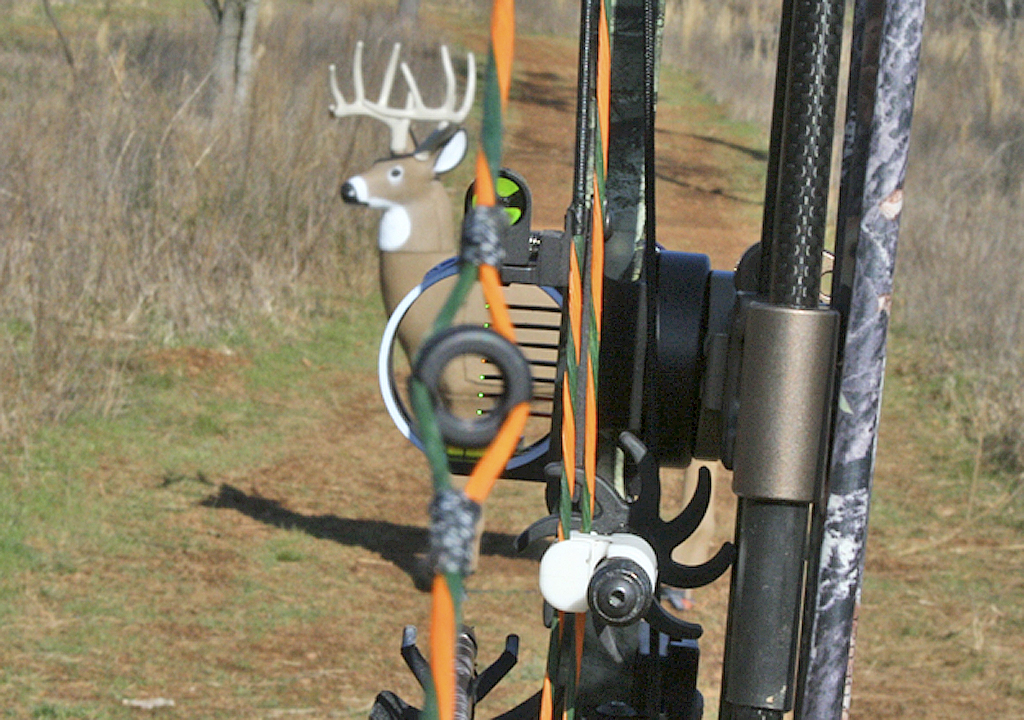
With the bow at full draw and anchored, align the appropriate sight pin with the target. The pin should “float” on the bullseye, do not force it to stay perfectly still.
- Focus on the target, letting the pin settle naturally.
- Keep both eyes open if possible for better depth perception.
- Trust your muscle memory and let the shot break smoothly.
Example:
In my experience, archers who establish a repeatable anchor point see rapid improvement in group size. I found that using a kisser button and touching the string to the tip of my nose helped eliminate vertical misses, allowing my sight pins to do their job.

Credit: www.youtube.com
Aiming Techniques And Strategies With Sight Pins
Aiming with sight pins is a blend of technique and mental focus. Here’s how to leverage your sight pins for optimal accuracy.
Floating The Pin Vs. “holding Still”
No archer can hold a sight pin perfectly still. Instead, allow the pin to “float” over the target, accepting slight movement.
- Focus on a controlled float rather than trying to force stillness.
- Let the shot surprise you for a clean release.
Research from the USA Archery organization recommends embracing natural pin movement rather than fighting it, as this reduces tension and improves accuracy.
Gap Shooting With Multiple Pins
When the target distance falls between your preset pins (e.g., 25 yards and your pins are set for 20 and 30), use gap shooting:
- Aim slightly higher or lower using the space between pins.
- Practice at these in-between distances to develop feel.
Compensating For Angle And Elevation
Shooting uphill or downhill changes arrow trajectory. Use the horizontal distance (not line-of-sight) for pin selection.
- Rangefinders with angle compensation can assist.
- If unsure, aim slightly lower for steep angles.
Adapting To Wind And Weather
Wind can push arrows off course, especially at longer ranges. Adjust your aim point slightly into the wind and use heavier arrows for greater stability.
| Wind Speed (mph) | Aim Adjustment (at 40 yards) | Arrow Weight |
|---|---|---|
| 0-5 | No adjustment | Standard |
| 6-10 | 1-2 inches into wind | Standard |
| 11-15 | 3-5 inches into wind | Heavier recommended |
Example:
A bowhunter spots a deer at 37 yards but only has pins set for 30 and 40 yards. By aiming with the gap between the two pins, he successfully compensates for the extra distance and makes a clean shot, demonstrating the value of gap shooting.
Fine-tuning Sight Pins For Different Distances
Precision archery demands that sight pins are tuned to match the archer’s setup and shooting environment. This section details the fine-tuning process and how to adapt for different scenarios.
The Sight-in Process
Accurate pin placement starts with a systematic sight-in process:
- Set your top pin for the closest distance (typically 20 yards).
- Shoot 3-5 arrow groups, adjust as needed.
- Move to the next farthest pin (e.g., 30 yards), repeating the process.
- Continue until all pins are dialed in.
Use a consistent anchor point and shooting form throughout.
Adapting To Arrow Speed And Weight
Arrow speed and weight significantly affect trajectory. Faster, lighter arrows require less vertical pin spacing, while heavier, slower arrows need greater separation.
- Chronograph your arrow speed for accurate adjustments.
- Use manufacturer charts as a starting point, but confirm with live shooting.
Seasonal And Environmental Adjustments
Temperature, altitude, and humidity can subtly alter arrow flight. For example, arrows fly faster in hot weather due to thinner air.
- Record your settings in a shooting log.
- Re-check pin calibration before major tournaments or hunting trips.
Customizing For Specialty Arrows
If you use different arrows for target practice and hunting (e. g. , field points vs. broadheads), sight in with each type.
- Mark pin settings for each arrow type.
- Practice with the arrows you’ll use in the field.
Example:
A competitive archer travels from sea level to a tournament at 7,000 feet elevation. She notes her arrows are hitting high due to reduced air resistance. By re-sighting her pins and recording the changes, she maintains accuracy throughout the event.
Troubleshooting Common Sight Pin Issues
Even well-maintained sight pins can present challenges. Here are the most frequent issues and solutions.
Pin Drift And Loose Hardware
Over time, vibration can cause pins or the sight housing to shift.
- Regularly check all screws and fasteners.
- Use thread-locking compound if pins repeatedly loosen.
Inconsistent Groups
If your arrows spread widely at a given distance, review your shooting form.
- Revisit your anchor point and grip.
- Use video analysis or shoot with a coach for feedback.
Pin Visibility Problems
Glare, poor lighting, or dirty fiber optics can obscure pins.
- Clean sight fibers with a soft cloth.
- Adjust pin brightness if possible.
- Consider an anti-glare hood or shade.
Difficulty Holding Steady
If the sight pin “dances” excessively, work on physical conditioning and bow balance.
- Add stabilizers or adjust bow weight distribution.
- Practice blank bale shooting to focus on form.
Example:
A recreational archer notices her groups drift left after several shots. Upon inspection, she discovers a loose mounting screw on her sight. After tightening and re-leveling, her accuracy returns, highlighting the importance of routine maintenance.
Choosing The Right Sight Pin System
Selecting the best sight pin system involves matching your archery style, skill level, and shooting needs.
Fixed Vs. Moveable Pins
- Fixed pins offer speed and simplicity for hunting and 3D shooting.
- Moveable pins provide precision for target archery and variable ranges.
- Hybrid sights deliver a blend for those needing both.
Pin Size And Color
- Smaller diameter pins (e.g., .019” or .010”) allow for finer aiming at long distances.
- Larger pins (.029”) are easier to see in low light but can obscure targets.
- Alternate pin colors (green, red, yellow) to distinguish ranges quickly.
Fiber Optic Technology
Premium sights use longer fiber optics for brighter pins and improved durability. Look for replaceable fibers and rugged construction for field use.
Additional Features
- Tool-less adjustment for quick changes in the field.
- Second and third axis leveling for shooting on uneven ground.
- Lens magnification for enhanced target clarity (popular in tournament archery).
| Feature | Benefit | Best For |
|---|---|---|
| Tool-less Adjustment | Quick pin changes | Hunting, 3D archery |
| Axis Leveling | Improved accuracy on slopes | Field, mountain shooting |
| Lens Magnification | Better target detail | Target tournaments |
Example:
A bowhunter chooses a five-pin fixed sight for whitetail hunting in wooded terrain, prioritizing quick shot acquisition. A target archer selects a single-pin moveable sight with. 010” pins and lens magnification for 70-meter Olympic-style shooting, maximizing precision.
Training And Practice Drills For Sight Pin Mastery
Consistent practice is the backbone of accurate shooting with sight pins. Structured drills reinforce muscle memory, increase confidence, and reveal areas for improvement.
Blank Bale Shooting
Stand just a few yards from a blank target and shoot with your eyes closed (or at a blank target face). Focus purely on form, anchor point, and release, ignore aiming.
- Builds muscle memory for consistent form.
- Reduces target panic and over-aiming.
Walk-back Tuning
Shoot groups at increasing distances (e. g. , 20, 30, 40, 50 yards) using the same pin. This reveals alignment issues in your rest or sight.
- Groups should land in a vertical line.
- Adjust windage (left/right) if groups drift off-center.
Gap Shooting Practice
Set targets at in-between distances and practice aiming with the space between pins.
- Develops instinct for non-standard shots.
- Essential for 3D and hunting scenarios.
Simulated Pressure
Replicate tournament or hunting stress by timing your shots or shooting with an audience.
- Builds confidence under pressure.
- Identifies mental or form breakdowns.
Example:
A high school archer uses walk-back tuning to diagnose a left drift in her groups. After slight windage adjustment, she finds her arrows now strike in a straight vertical line at all ranges, confirming her sight pin alignment.
Frequently Asked Questions
What Should I Do If My Sight Pins Keep Coming Loose?
If your sight pins or mounting hardware frequently loosen, first ensure you’re using the correct size Allen wrenches or tools for adjustments. Apply a small amount of thread-locking compound (such as Loctite Blue) to the threads. Avoid over-tightening, as this can strip the threads or damage the sight. Regularly inspect your sight before each shooting session, especially after transporting your bow or shooting large numbers of arrows.
Can I Use Sight Pins With A Recurve Bow?
Yes, sight pins can be used with recurve bows, particularly in target archery disciplines like Olympic recurve. However, most recurve archers use a single-pin or simple ring sight rather than multiple pins. Fixed multi-pin sights are more common on compound bows due to their consistent draw lengths and let-off. If you shoot a recurve, ensure your sight is compatible with your riser and matches the rules of your shooting organization.
How Do I Choose The Right Pin Size For My Needs?
Pin size is a balance between visibility and precision. Larger pins (.029”) are easier to see in low-light or hunting situations but can cover small targets at long distances. Smaller pins (.019” or .010”) allow for finer aiming but may be hard to see in dim conditions. Many archers prefer .019” for all-around use, switching to .010” for long-range target shooting. Consider your primary shooting environment and target size when choosing.
Should I Close One Eye When Aiming With Sight Pins?
Whether to shoot with one eye closed or both eyes open is a matter of personal preference and eye dominance. Shooting with both eyes open can improve depth perception and situational awareness, especially for hunters. However, some archers find it easier to focus on the sight pin with their non-dominant eye closed. Experiment with both methods to see which offers better sight alignment and comfort.
How Do I Adjust For Wind Or Moving Targets With Sight Pins?
Adjusting for wind involves aiming slightly into the wind, the amount depends on wind speed, distance, and arrow weight. Practice in various wind conditions to learn how much to compensate. For moving targets, lead your aim ahead of the target’s path, much like wing shooting in shotgun sports. Sight pins provide reference points, but experience and practice are essential for mastering these advanced adjustments.
Mastering the use of sight pins transforms archery from guesswork into a repeatable, precision-driven discipline. By understanding your equipment, refining your form, and committing to regular practice, you can achieve consistent accuracy, whether in the woods or on the range. For further reading, consult resources like the Wikipedia Archery entry and the USA Archery official website. As with any technical skill, patience and attention to detail are your greatest allies on the path to archery excellence.