How To Adjust Draw Weight On Pse Stinger Bow
The PSE Stinger series is one of the most popular compound bows on the market, known for its versatility, adjustability, and reliability. Whether you’re a beginner archer or a seasoned bowhunter, understanding how to properly adjust the draw weight on your PSE Stinger is essential for safety, performance, and comfort. The process might seem daunting at first, but with the right guidance and a careful approach, you can tune your bow to suit your strength, shooting style, and intended use. In this comprehensive guide, you’ll find detailed, step-by-step instructions, expert insights, and practical tips drawn from real-world experience to help you confidently adjust your PSE Stinger’s draw weight.
Selecting the correct draw weight isn’t just about raw power, it’s about balancing accuracy, endurance, and shooting enjoyment. Adjusting your Stinger’s draw weight can optimize your shooting for hunting, target archery, or recreational fun. This article draws on trusted sources and hands-on expertise to demystify the process, present essential safety precautions, and explain how to make precise adjustments without damaging your bow.
By the end, you’ll understand not only how to adjust draw weight, but also why it matters and how it impacts your performance on the range and in the field.
Key Takeaways
- Adjusting draw weight on a PSE Stinger bow enhances accuracy, comfort, and shooting effectiveness.
- The process involves careful, incremental limb bolt adjustments and adherence to safety guidelines.
- Regularly checking draw weight and tuning your bow improves performance and prevents equipment damage.
- Real-world examples and expert insights ensure you avoid common mistakes and achieve optimal results.
- Always consult your bow’s manual and use proper tools for safe, precise adjustments.
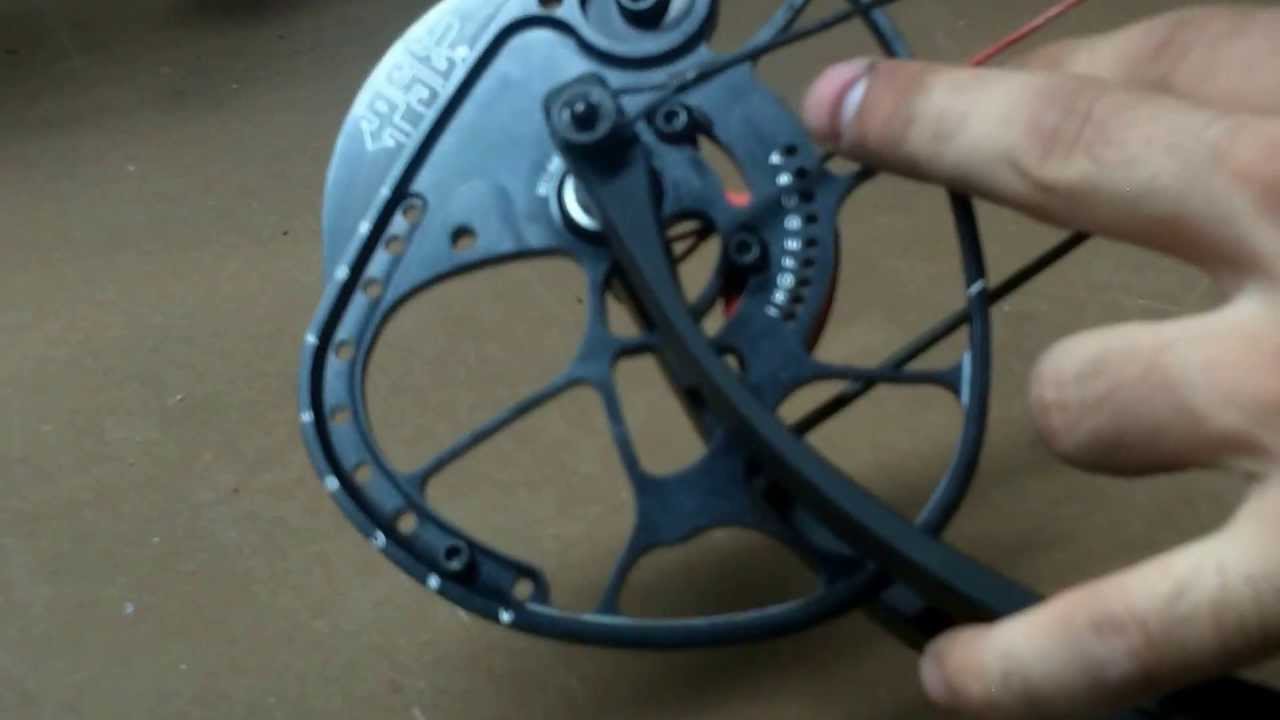
Credit: www.youtube.com
Understanding Draw Weight And Its Importance
Choosing the right draw weight is a foundational step for every archer. Draw weight is the amount of force, measured in pounds, required to pull a bowstring to full draw. On the PSE Stinger, draw weight can typically be adjusted from 30 to 70 pounds, depending on the model and cam system.
What Is Draw Weight?
Draw weight refers to the force needed to pull the bowstring back to the anchor point. For example, a 60-pound draw weight means you must exert 60 pounds of force to fully draw the bow. This directly influences arrow speed, penetration, and shooting comfort. Higher draw weights yield faster arrows and greater kinetic energy, which is vital for hunting larger game. However, excessive draw weight can lead to fatigue, poor form, and reduced accuracy, especially for beginners.
Why Adjust Draw Weight?
- Personalization: Adjusting draw weight allows you to tailor the bow to your physical strength and shooting style.
- Skill Level: Beginners often start at lower weights to develop proper form before increasing resistance.
- Application: Hunters may require higher draw weights for effective penetration, while target archers can opt for lower weights to shoot more comfortably for longer periods.
Manufacturer Specifications For Pse Stinger
Each PSE Stinger model comes with a recommended draw weight range. For instance, the PSE Stinger Max typically ranges from 55 to 70 pounds, while the PSE Stinger X can be set between 30 and 70 pounds. Always consult your owner’s manual or the official PSE Archery website for exact specifications.
How Draw Weight Affects Performance
A properly set draw weight ensures efficient energy transfer from the limbs to the arrow, leading to improved speed and accuracy. Conversely, an improper setting can cause inconsistent shots, muscle strain, and even injury.
Pro Tip: If you can’t comfortably draw your bow 10-15 times in a row, the draw weight is likely too high. Lower it to avoid fatigue and maintain proper form.
Safety Precautions Before Adjusting Draw Weight
Ensuring safety during bow adjustment is paramount. Compound bows are under significant tension, and incorrect adjustments can cause malfunctions or injuries.
Essential Tools And Equipment
Before starting, gather the following:
- Allen wrench set (usually 3/16″ or 7/32″ for PSE bows)
- Bow scale (for measuring draw weight)
- Owner’s manual (for specific instructions)
- Bow press (only necessary for certain advanced adjustments, not for basic limb bolt changes)
Inspecting Your Bow
- Check for cracks or damage on limbs, riser, and cams before making adjustments.
- Ensure all bolts and screws are tight and undamaged.
- Remove arrows from the bow and keep the shooting area clear.
Environmental Considerations
- Work in a well-lit, uncluttered space.
- Never attempt adjustments while the bow is cocked or under load.
- Ensure children and pets are kept away during the process.
Manufacturer Warnings
PSE specifies that limb bolts should never be backed out more than the recommended number of turns, typically 4-5 turns from the fully tightened position. Exceeding this can cause limb misalignment or catastrophic failure.
Warning: Over-loosening limb bolts beyond manufacturer guidelines may void your warranty and risk serious injury.

Credit: shootingcabin.com
Step-by-step Guide: How To Adjust Draw Weight On Pse Stinger
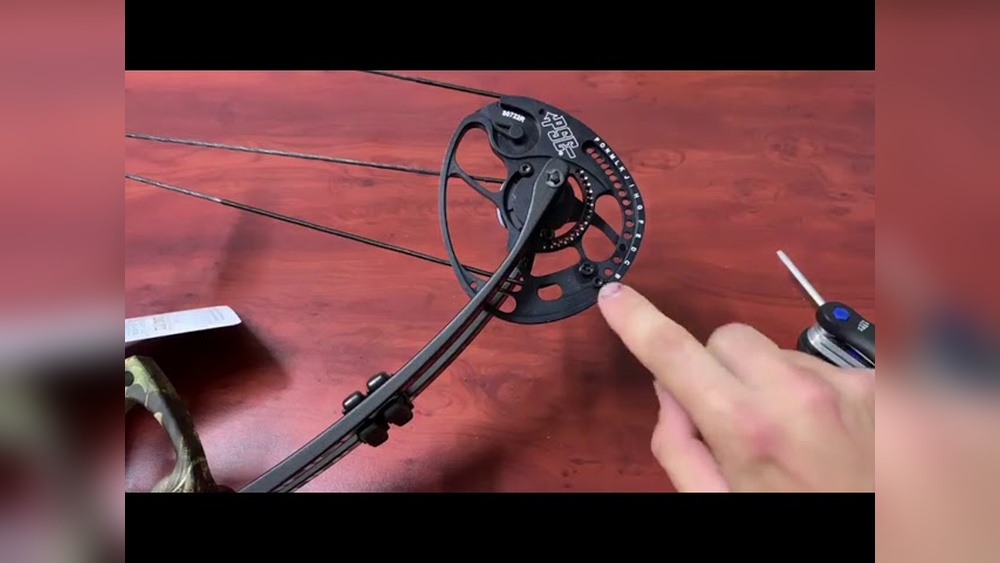
Adjusting draw weight on the PSE Stinger involves turning the limb bolts located at the ends of the riser. This process changes the preload tension on the limbs, altering the force required to draw the string.
Step 1: Prepare Your Bow
- Place the bow on a stable surface, or use a bow holder.
- Use an Allen wrench that fits the limb bolts precisely.
- Ensure the bow is not cocked, and there is no arrow nocked.
Step 2: Identify The Limb Bolts
The limb bolts are large bolts found on the upper and lower limbs where they meet the riser. These are the only bolts you should turn to adjust draw weight.
Step 3: Mark The Starting Position
- Use a marker or tape to record the current position of each limb bolt.
- This reference helps maintain symmetry and allows you to revert changes if needed.
Step 4: Adjust In Small Increments
- To increase draw weight: Turn both limb bolts clockwise (tightening).
- To decrease draw weight: Turn both limb bolts counterclockwise (loosening).
- Make adjustments in 1/2 or full turns, never more at once.
- Always adjust both bolts equally to prevent limb alignment issues.
Example: If you want to lower the draw weight by 5 pounds, start by turning each limb bolt out (counterclockwise) by one full turn, then check the draw weight with a bow scale.
Step 5: Measure The Draw Weight
- Use a bow scale to check the new draw weight after each adjustment.
- Draw the bow smoothly and note the poundage at full draw.
- Repeat small adjustments as needed to reach your target weight.
Step 6: Verify And Test
- Double-check that both limb bolts are adjusted equally.
- Visually inspect limbs and riser for any signs of stress.
- Shoot a few arrows to confirm comfort, accuracy, and performance.
Pro Tip: Record the number of turns and resulting draw weights in a notebook for future reference.
Limb Bolt Turn-to-weight Chart
Below is an example chart illustrating how turning the limb bolts on a PSE Stinger can affect draw weight. Note that actual values depend on your specific model and limb configuration.
| Number of Turns (per limb bolt) | Approximate Draw Weight Reduction |
|---|---|
| 1 Turn | 2, 4 lbs |
| 2 Turns | 4, 8 lbs |
| 3 Turns | 6, 12 lbs |
| 4 Turns (max recommended) | 8, 16 lbs |
Warning: Never exceed the manufacturer’s recommended number of turns. Consult your manual for the exact limits for your specific PSE Stinger model.
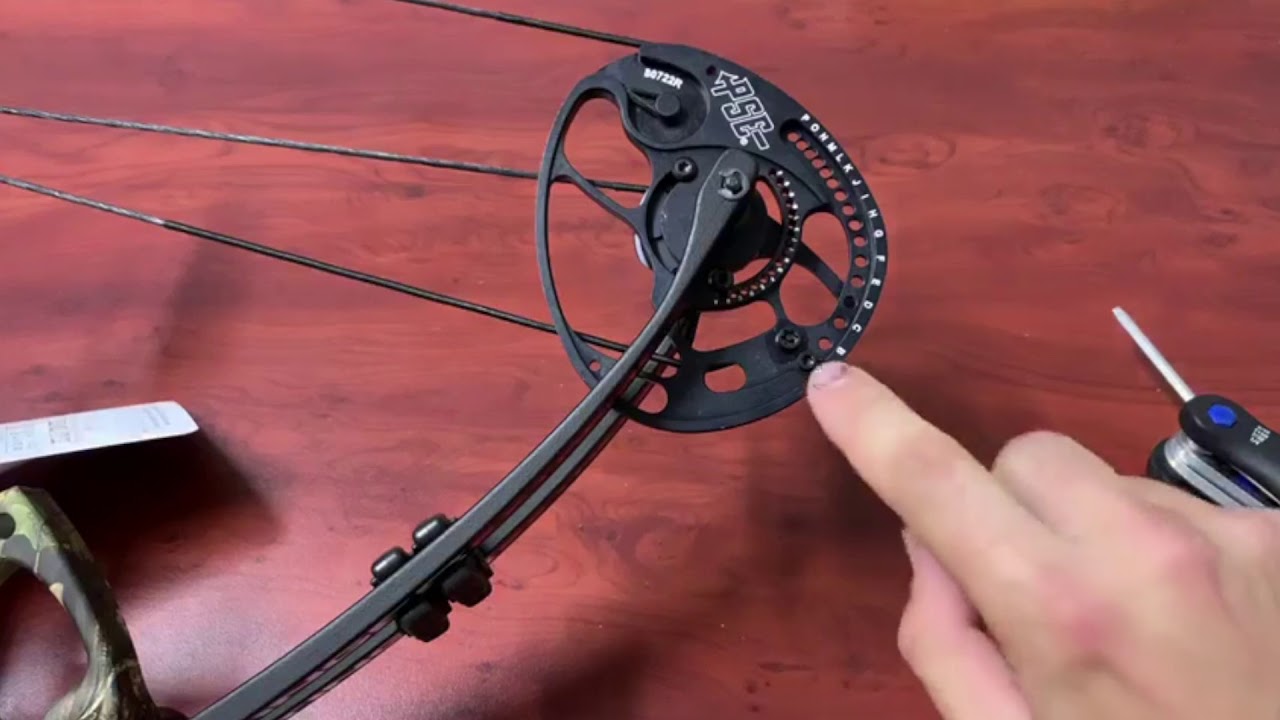
Credit: www.youtube.com
Factors Influencing Optimal Draw Weight
Adjusting draw weight is not a one-size-fits-all process. Several factors must be considered to ensure the best fit for your needs.
Physical Strength And Endurance
Your strength and muscle endurance should determine your starting point. It’s better to shoot at a lower, more manageable weight than to struggle with higher poundage that strains your form.
- Youth and beginners: Typically start at 25, 35 lbs.
- Average adults: Commonly shoot 40, 55 lbs for target practice.
- Hunters: Often use 55, 70 lbs, depending on game species.
Archery Discipline And Use Case
- Target Archery: Lower weights allow for better control and longer practice sessions.
- Bowhunting: Higher weights are often necessary for ethical kills and sufficient penetration.
- 3D Archery: May require balancing draw weight for accuracy and stamina.
Arrow Spine And Setup
Arrow spine is affected by draw weight. Increasing draw weight requires stiffer arrows to maintain flight stability and safety. Mismatched arrows can result in poor accuracy or even equipment failure.
Legal And Ethical Requirements
Some states or provinces have minimum draw weight requirements for hunting certain game. Always check local regulations before setting your bow for hunting.
Example: In Colorado, the minimum legal draw weight for big game is 35 pounds (Colorado Parks & Wildlife).
Bow Model And Limb Design
The limb design and maximum/minimum settings can vary between PSE Stinger models. Always consult your specific manual and do not assume settings from other bows will apply.
Common Mistakes And How To Avoid Them
Many archers make avoidable errors when adjusting draw weight, often leading to equipment issues or compromised shooting performance.
Over-loosening Limb Bolts
Exceeding the maximum number of recommended turns can:
- Cause limb detachment
- Void manufacturer warranty
- Result in serious injury
Always count turns precisely and refer to your bow’s specifications.
Uneven Limb Adjustment
Adjusting one limb more than the other can throw off cam timing and lead to:
- Reduced accuracy
- Increased string wear
- Potential limb damage
Use markers to ensure both limb bolts are adjusted equally.
Ignoring Arrow Spine
Failing to match arrow stiffness to your new draw weight can cause:
- Arrows to fishtail or porpoise
- Unpredictable shot placement
- Safety hazards
Consult arrow spine charts and adjust accordingly.
Neglecting To Test After Adjustment
Always shoot several arrows after changes to:
- Confirm comfort and accuracy
- Detect any unusual noises or vibrations
- Ensure consistent performance
Example: After lowering my PSE Stinger X from 60 lbs to 50 lbs, my accuracy improved noticeably over longer practice sessions, confirming the importance of tuning draw weight to personal capability.
Advanced Tuning And Maintenance Tips
Once you master the basics of draw weight adjustment, you can further optimize your bow’s performance with advanced tuning and regular maintenance.
Fine-tuning For Performance
Beyond basic draw weight adjustment, consider:
- Cam timing: Ensure both cams rotate in sync for a smooth draw cycle.
- Let-off adjustment: Some PSE cams allow modification of let-off for a custom feel.
- Draw length tuning: Adjusting draw length can affect perceived draw weight and shooting comfort.
Regular Inspection And Lubrication
- Check strings and cables for fraying or wear every 100 shots.
- Lubricate moving parts as per manufacturer recommendations.
- Inspect limb bolts for tightness before each session.
Seasonal Adjustments
Environmental factors like temperature and humidity can affect limb material and string tension. Check and adjust your draw weight at the start of each season.
Professional Tuning
For advanced tuning (e. g. , cam timing, synchronizing modules), consult a certified PSE technician or visit a reputable pro shop. Professional tuning ensures peak performance and safety.
Real-world Examples And Case Studies
Understanding how archers use draw weight adjustment in practice can illustrate key points and offer actionable insights.
Example 1: Youth Archer Progression
A 14-year-old archer started with a PSE Stinger set to 30 lbs. Over a year of regular practice, they gradually increased to 40 lbs, tracking each adjustment and matching arrow spine accordingly. This incremental approach built muscle memory and prevented overuse injuries.
Example 2: Bowhunter’s Transition
A seasoned bowhunter switched from a 70-lb traditional bow to a PSE Stinger X set at 55 lbs. The reduced draw weight, combined with modern cam efficiency, allowed for faster follow-up shots and less fatigue during long hunts.
Example 3: Target Archer Optimization
A competitive target shooter experimented with draw weights between 45 and 55 lbs, using a bow scale and performance log. Shooting at 50 lbs yielded the most consistent scores and groupings, demonstrating the value of personalized tuning.
Draw Weight Comparison Table: Pse Stinger Models
| Model | Draw Weight Range | Recommended Use |
|---|---|---|
| PSE Stinger Max | 55, 70 lbs | Hunting, 3D, Target |
| PSE Stinger X | 30, 70 lbs | Youth, Beginners, All-purpose |
| PSE Stinger Extreme | 40, 70 lbs | Hunting, General Archery |
Troubleshooting Draw Weight Adjustment Issues
Even with careful adjustments, you may encounter challenges or unexpected results. Here’s how to troubleshoot common problems.
Difficulty Turning Limb Bolts
If the bolts are stuck:
- Apply a small amount of penetrating oil.
- Use a properly sized Allen wrench to prevent stripping.
- Do not use excessive force, as this can damage the bow.
Unusual Noises Or Vibration
After adjustments, if you hear creaking or buzzing:
- Inspect for loose components or misaligned limbs.
- Check that limb bolts are evenly tightened.
- Ensure string and cables are properly seated.
Inconsistent Draw Cycle
If the draw feels rough or uneven:
- Check for unequal limb bolt turns.
- Inspect cam synchronization and timing.
- If unresolved, seek professional tuning.
Draw Weight Not Matching Expected Values
Bow scales can vary in accuracy. Always use a calibrated scale, and verify your method:
- Pull the bow to full draw in a consistent manner.
- Measure multiple times and average the results.
- If discrepancies persist, consult your local archery shop.
Pro Tip: Keeping a maintenance log helps track adjustments, issues, and solutions for future reference.
Troubleshooting Table: Common Draw Weight Adjustment Issues
| Issue | Possible Cause | Solution |
|---|---|---|
| Stuck Limb Bolt | Corrosion or overtightening | Apply oil, use correct tool |
| Uneven Draw | Unequal bolt turns | Re-measure, adjust evenly |
| Noisy Bow | Loose parts or string | Inspect, tighten, wax string |
| Unexpected Draw Weight | Faulty scale or measurement error | Use calibrated scale, repeat test |
Frequently Asked Questions
How Often Should I Check And Adjust My Pse Stinger’s Draw Weight?
It’s advisable to check your draw weight at the start of each archery season and after any significant equipment changes, such as replacing strings or cables. Frequent shooters may benefit from monthly checks to ensure their bow remains tuned for optimal performance.
Can I Adjust The Draw Weight Without A Bow Press?
Yes, the PSE Stinger is designed so that basic draw weight adjustments can be made by turning the limb bolts with an Allen wrench, without the need for a bow press. However, more advanced tuning (such as cam timing or changing strings) may require a bow press and should be done by a professional.
What Are The Signs That My Draw Weight Is Set Too High?
Common indicators include muscle fatigue, difficulty reaching full draw, and inconsistent shot groups. You may also notice shaking or poor form. If you cannot draw your bow smoothly and hold at full draw for several seconds, it’s wise to reduce the weight.
How Does Changing Draw Weight Affect Arrow Trajectory?
Increasing draw weight generally results in faster arrow speeds and flatter trajectories, which can be beneficial for long-range shots. However, it may require you to use stiffer arrows. Conversely, lowering draw weight can result in slower arrows with more pronounced arc, demanding precise range estimation for accuracy.
Are There Any Legal Restrictions On Draw Weight For Hunting?
Yes, many regions have minimum draw weight requirements for hunting specific game species. These regulations are designed to ensure ethical harvest and animal welfare. Always check with your local wildlife agency or consult resources like the official state hunting regulations before heading out.
Properly adjusting the draw weight on your PSE Stinger is a crucial skill for any archer aiming to maximize their bow’s potential. By following the steps outlined in this guide, taking necessary precautions, and understanding the factors that influence draw weight, you’ll achieve a custom fit that enhances both your performance and enjoyment of archery.
Whether you’re preparing for a hunting season, dialing in for target shooting, or helping a new archer get started, the ability to confidently and safely adjust your PSE Stinger ensures you get the most from this versatile and respected bow.