How to Adjust Draw Weight on Bear Youth Bow Easily and Safely
Adjusting the draw weight on a Bear youth bow is one of the most important skills for young archers and their coaches. Getting it right means safer practice, better accuracy, and a more enjoyable learning experience. But for beginners and even some parents, changing the draw weight can feel confusing. It’s not only about twisting bolts, it’s about understanding your bow, your archer, and making safe, smart changes.
If you’ve just picked up a Bear youth bow, or your child is starting out, you might wonder: how do you properly adjust draw weight? What tools do you need? How do you know if the weight is right? This guide gives you clear, step-by-step advice, common mistakes to avoid, and practical tips that even many experienced archery parents miss. You’ll also find useful tables comparing Bear youth models and their draw weight ranges, plus answers to common questions that go beyond the basics.
Whether you’re helping a young archer improve their skills or making sure the bow is set up for safe practice, this article will give you the confidence to adjust draw weight correctly.
Understanding Draw Weight And Why It Matters
Draw weight is the amount of force needed to pull back the bowstring to the full draw. For youth bows, typical ranges are between 10, 30 pounds, depending on the model and the archer’s age and strength. Choosing the right draw weight is crucial for safety and learning. Too heavy, and the young archer can develop bad habits, muscle strain, or even lose interest. Too light, and they may not build proper technique or get satisfying arrow flight.
Bear Archery is known for making beginner-friendly youth bows, but even within their line, models offer different draw weight ranges. Before making adjustments, it helps to know your model and what’s possible.
Example:
A 10-year-old starting out may do best with a draw weight between 12, 16 pounds. If they are athletic or growing quickly, they may move up to 18, 20 pounds with practice.
Common Bear Youth Bow Models And Draw Weight Ranges
Not all Bear youth bows adjust the same way, and their draw weight ranges differ. Here’s a quick comparison of some popular Bear youth bows:
| Model | Draw Weight Range (lbs) | Draw Length Range (inches) | Recommended Age |
|---|---|---|---|
| Bear Brave | 15, 25 | 13.5, 19.5 | 8, 12 |
| Bear Crusader | 10, 20 | 20, 28 | 9, 14 |
| Bear Valiant | 16, 24 | 14, 25 | 9, 12 |
| Bear Firebird | 25, 35 | 22, 28 | 12, 15 |
Knowing your model helps you set realistic expectations. Some youth bows are not meant to go above 25 pounds, no matter how much you adjust.
Tools And Safety Gear You’ll Need
Before making any adjustments, gather these items:
- Allen wrench (hex key): Most Bear youth bows use a standard size included with the bow. If not, a 3/16” or 5mm Allen wrench usually fits.
- Bow scale: Measures actual draw weight after adjustment. A spring scale is enough for youth bows.
- Safety glasses: Protect your eyes from string snap or small parts.
- Owner’s manual: Every Bear youth bow comes with a manual. If you lost yours, check the Bear Archery website for a PDF.
Pro Tip: Never try to adjust the draw weight with the bow strung and drawn. Always make changes with the bow at rest.
Step-by-step Guide: Adjusting Draw Weight On A Bear Youth Bow
1. Identify Your Limb Bolts
All Bear youth bows with adjustable draw weight use limb bolts. These are usually large screws at the base of each limb (the parts that flex when you pull the string). Some models have covers that need removal first.
- Look for two large bolts, one at the top limb, one at the bottom.
- If your model has plastic covers, gently pop them off.
2. Secure The Bow
Place the bow on a flat surface or clamp it gently (using soft jaws to avoid scratching). Make sure it’s stable. This prevents slips that can lead to injury or damage.
3. Loosen Or Tighten The Limb Bolts
- To increase draw weight: Tighten (turn clockwise) the limb bolts. This compresses the limbs, making them harder to flex.
- To decrease draw weight: Loosen (turn counterclockwise) the limb bolts. This lets the limbs flex more easily.
Important: Always turn both limb bolts equally, usually a half or full turn at a time. Uneven limbs can cause poor arrow flight or damage the bow.
4. Count Your Turns
Write down or remember how many turns you make. Most Bear youth bows have a safe adjustment range, usually no more than 4 full turns from the fully tightened position.
If you’re unsure, check the manual or stop when you feel resistance. For safety, never loosen the bolts so much that the limbs wobble or feel loose.
5. Check Draw Weight With A Bow Scale
After adjustment, use a bow scale:
- Hook the scale on the string.
- Pull back to the bow’s draw length.
- Read the weight.
Repeat for accuracy. If you don’t have a scale, visit a local archery shop, the staff can check for you.
6. Test Arrow Flight
Have the young archer shoot a few arrows. Watch for:
- Smooth draw
- Good arrow flight (no fishtailing or dipping)
- Comfortable shooting, no shaking or struggling
If the draw feels too hard or the arrows drop quickly, reduce the draw weight. If the archer is “overbowed,” accuracy and safety suffer.

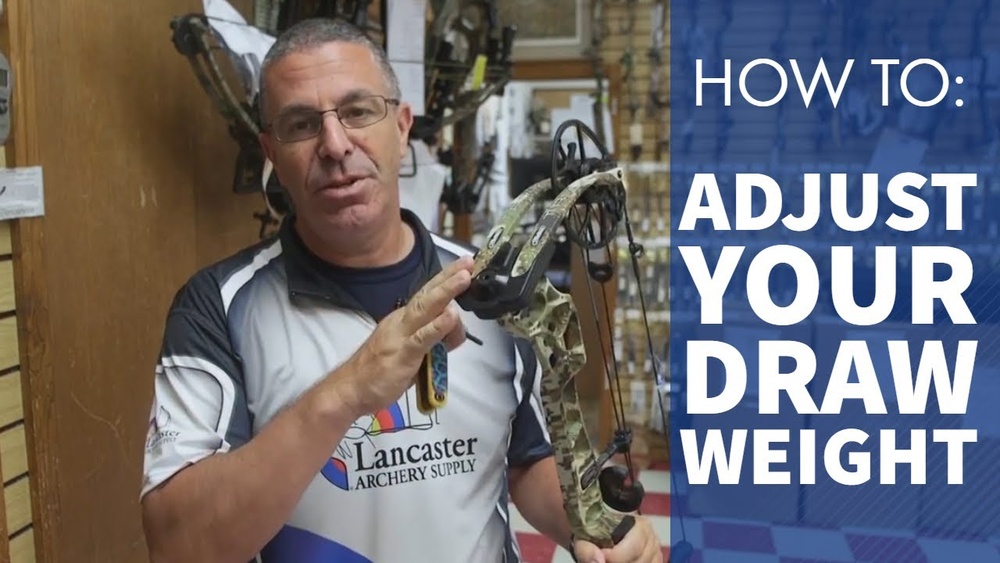
Credit: www.youtube.com
Key Differences: Bear Youth Bow Vs. Adult Bow Adjustments
You might notice that adjusting a Bear youth bow feels different than working with adult compound bows. Here’s a comparison to clarify:
| Feature | Bear Youth Bow | Adult Compound Bow |
|---|---|---|
| Draw Weight Range | 10, 35 lbs | 40, 70 lbs |
| Limb Bolt Adjustment | Simple, basic bolts | May require precision tools |
| Let-Off | Often none or minimal | Up to 80% |
| Safety Concerns | Mostly limb stability | High tension, risk of “dry fire” |
Most Bear youth bows don’t have complex cam systems or high let-off like adult bows. This makes them easier to adjust but also means you must check both limbs stay even.
Determining The Right Draw Weight For Your Young Archer
Choosing the right draw weight is not guesswork. It depends on age, size, experience, and the archer’s personal comfort.
Signs The Draw Weight Is Too Heavy
- The archer shakes or struggles to pull the string
- Can’t hold full draw for more than a second
- Arrows fall short of the target
- Complaints of arm or shoulder pain
Signs The Draw Weight Is Too Light
- The archer “overdraws” easily, losing control
- Arrows fly too high or inconsistently
- No sense of challenge after several sessions
Pro Tip: For new shooters, the best draw weight allows them to hold full draw for 5 seconds without shaking and shoot 20 arrows without muscle fatigue.
Growth And Progression
As young archers grow, their strength and technique improve. Check draw weight every 3, 6 months, especially during growth spurts. Increasing draw weight too quickly can cause injury or frustration.
Mistakes To Avoid When Adjusting Draw Weight
Even experienced archers can make mistakes when adjusting Bear youth bows. Here are the most common pitfalls:
- Uneven limb bolts: Always adjust both bolts equally. Uneven limbs twist the riser and make the bow inaccurate.
- Exceeding manufacturer limits: Never loosen the limb bolts beyond the recommended limit (usually 4, 5 full turns from tight). Loose limbs can break or come off during shooting.
- Ignoring arrow spine: Arrows must match the new draw weight. Too stiff or too flexible arrows will fly poorly and can be dangerous.
- Skipping safety checks: Inspect the limbs, string, and riser for cracks or wear after adjustment.
- Adjusting while strung: Never make major adjustments with the bow drawn or under tension.
On a Bear Brave, even a single uneven turn causes arrows to drift left. Small errors matter.
How Draw Weight Affects Performance And Learning
The right draw weight does more than make shooting comfortable. It shapes how quickly a young archer learns:
- Accuracy: Lower draw weights help beginners focus on form, not muscle strength.
- Consistency: A comfortable weight allows more practice shots, building muscle memory.
- Confidence: Shooting well boosts motivation. Struggling with heavy weight discourages most kids.
Studies from the National Field Archery Association show that young archers improve fastest when they start with low draw weight and increase gradually.
Frequently Overlooked Details
Many parents and coaches miss these details that make a big difference:
String Stretch
New strings can stretch after a few hundred shots, reducing draw weight. Recheck draw weight after the first month of use and adjust as needed.
Weather Effects
Cold weather makes limbs stiffer, increasing draw weight slightly. If you practice outdoors, check adjustments in the same temperature you’ll be shooting.
Arrow Weight And Tip
Heavier arrows require more draw weight to fly well. If you switch to heavier practice tips, you may need to increase draw weight slightly.
Keeping Your Bear Youth Bow Safe After Adjustment
After any adjustment, always do a quick safety check:
- Inspect limbs for cracks or splinters.
- Check string for fraying.
- Test the bow at short range before regular practice.
- Store the bow in a cool, dry place, heat can warp limbs.
If you’re unsure about safety, ask a certified archery coach or visit a pro shop. Never risk injury for the sake of a quick adjustment.
When To Seek Professional Help
If you notice any of these problems, get help from an archery professional:
- Limbs won’t adjust evenly or feel loose after tightening.
- The bow makes new noises (creaks, pops) after adjustment.
- Draw weight feels much lower or higher than expected.
- The archer complains of hand shock or vibration.
Sometimes, factory defects or worn parts can cause issues that simple adjustments won’t fix.
How To Record Your Adjustments
Keeping a log of your changes saves time and confusion. Write down:
- The number of turns each limb bolt is from fully tight.
- Date and conditions (temperature, new string, etc. ).
- Archer’s feedback after shooting.
This helps you track what works and makes future adjustments easier.
Example Adjustment: Bear Brave Youth Bow
Let’s walk through a real-world example, step by step:
- Check current draw weight: Use a bow scale to measure. Let’s say it reads 18 pounds.
- Decide target draw weight: The young archer wants to try 22 pounds.
- Tighten both limb bolts: One full turn clockwise on each bolt.
- Recheck draw weight: Now the scale reads 21.5 pounds.
- Shoot test arrows: The archer feels comfortable, and arrows group well at 10 yards.
If the archer struggled or complained of arm fatigue, loosen each bolt a half turn and repeat.
Tips For Parents And Coaches
- Start low and increase slowly, one pound makes a big difference for a child.
- Watch for signs of fatigue, frustration, or poor posture.
- Involve the young archer in adjustments. It teaches responsibility and builds confidence.
- Schedule regular checkups, especially after growth spurts or equipment changes.

Credit: www.youtube.com
Where To Find More Resources
Bear Archery’s official website has manuals and videos for most youth bows. Local archery shops can check your adjustments and recommend the right arrows for your setup.
If you’re interested in deeper tuning or joining a youth archery club, check the USA Archery website for certified instructors near you.
For more guidance on youth archery safety, see USA Archery’s official safety guidelines.
Frequently Asked Questions
How Often Should I Adjust The Draw Weight On A Bear Youth Bow?
Adjust whenever the archer grows stronger or changes arrows, usually every 3, 6 months. If your child complains about difficulty or boredom, it’s time to check the draw weight.
Can Adjusting Draw Weight Damage The Bow?
As long as you stay within the manufacturer’s limits and turn both limb bolts equally, adjustment is safe. Over-loosening bolts or using tools incorrectly can cause damage.
What If The Draw Weight Doesn’t Seem To Change After Adjustment?
Check for worn threads or stuck bolts. If the limb bolts are maxed out, you may have reached the bow’s safe range. Sometimes, replacing an old string or limbs is needed to reach higher draw weights.
Do I Need Special Arrows After Changing Draw Weight?
Yes, arrows must match the new draw weight for safe and accurate shooting. Ask a pro shop for the correct arrow spine and length based on your child’s setup.
Is It Safe For Kids To Adjust Draw Weight Themselves?
It’s best for adults or coaches to handle adjustments, especially for beginners. Older teens can learn with supervision. Always check the bow for safety after any adjustment.
Setting up a Bear youth bow for the right draw weight can transform a young archer’s experience. Small changes make a big difference, so take the time to adjust carefully, involve the archer, and check safety every time. With the right approach, you’ll help them shoot better, safer, and with more joy.