How To Aim With Instintive Bow Shooting
Mastering instinctive bow shooting is both an art and a science, blending ancient traditions with modern skill-building. Unlike other archery methods that rely heavily on sights or mechanical aids, instinctive shooting is about building an intuitive connection between your body, mind, and the bow. This approach is favored by traditional archers, hunters, and enthusiasts who seek a pure, unfiltered shooting experience. The challenge lies in learning to aim accurately without visual references, a feat that requires practice, discipline, and a clear understanding of technique.
Instinctive bow shooting is not just about hitting the target; it’s about engaging your senses, sharpening your focus, and developing muscle memory that allows you to shoot reflexively. Whether you’re drawn to the sport for its simplicity, historical roots, or effectiveness in hunting scenarios, the journey to proficiency is deeply rewarding.
This article covers everything you need to know about aiming with instinctive bow shooting, from core principles and step-by-step methods to advanced tips, case studies, and common mistakes to avoid.
Key Takeaways
- Instinctive bow shooting relies on muscle memory and subconscious aiming rather than sights or aids.
- Developing accuracy involves consistent practice, proper form, and mental focus.
- Real-world examples highlight the effectiveness of instinctive shooting in hunting and competitive scenarios.
- Comparing instinctive shooting with other methods reveals unique advantages and challenges.
- Avoiding common mistakes and following expert tips can significantly improve your results.

Credit: wolfandiron.com
The Fundamentals Of Instinctive Bow Shooting
Understanding the basics is crucial before you begin aiming with instinctive bow shooting. This method is rooted in traditional archery, where archers relied solely on their senses, coordination, and repetition.
What Is Instinctive Bow Shooting?
Instinctive bow shooting is the practice of drawing, aiming, and releasing an arrow without consciously aligning a sight or reference point. Instead, the archer relies on subconscious calculations and muscle memory built through repetition. The bow is usually a recurve or longbow, as these designs lend themselves well to this style.
Key Elements Of Instinctive Shooting
Several components contribute to successful instinctive shooting:
- Grip: Holding the bow consistently establishes a stable foundation.
- Stance: A balanced, relaxed posture aids accuracy.
- Draw: Pulling the string to a consistent anchor point is vital.
- Release: A smooth, controlled release prevents erratic arrow flight.
- Focus: Concentrating on the target rather than the arrow or bow.
Why Choose Instinctive Shooting?
Instinctive shooting is favored for its:
- Speed: Quick shot execution, ideal in hunting scenarios.
- Flexibility: Adaptation to various environments and targets.
- Tradition: Connection to archery’s historical roots.
Example: Many bowhunters prefer instinctive shooting for moving targets, where quick reactions matter more than precise sight alignment.
Building Muscle Memory And Aiming Techniques
Instinctive bow shooting centers on muscle memory, the ability to repeat precise movements subconsciously. Developing this skill requires deliberate practice and attention to form.
Establishing Consistent Form
A reliable form is the backbone of instinctive shooting. Key steps include:
- Stance: Stand with feet shoulder-width apart, perpendicular to the target.
- Grip: Hold the bow lightly, avoiding tension in the hand.
- Draw and Anchor: Pull the string to a consistent anchor point (e.g., corner of the mouth).
- Release: Let the string slip off your fingers smoothly.
Example: Olympic archer Howard Hill, known for his instinctive shooting prowess, emphasized consistent anchor points to maintain accuracy.
The Aiming Process
Aiming instinctively involves:
- Focusing on the target: Ignore the bow and arrow, concentrate on the spot you wish to hit.
- Letting your subconscious guide the shot: Rely on muscle memory to direct the arrow.
Pro Tip: Practice by shooting at different distances and targets to train your subconscious for various scenarios.
Drills For Muscle Memory
Effective drills include:
- Blank bale shooting: Shoot at a close target without aiming to reinforce form.
- Random distance practice: Change distances frequently to challenge your instincts.
- Visualization: Imagine hitting the target before drawing the bow.
Comparing Muscle Memory Development
| Practice Type | Purpose | Recommended Frequency | Skill Impact |
|---|---|---|---|
| Blank Bale Shooting | Reinforce form | Daily/Weekly | Improves consistency |
| Random Distance Shooting | Adapt instinct | Weekly | Enhances adaptability |
| Visualization | Mental training | Before each session | Boosts focus |

Credit: legendarchery.com
Understanding The Role Of Focus And Visualization
Instinctive shooting is as much a mental exercise as a physical one. Focus and visualization directly influence your aiming accuracy.
The Power Of Target Focus
By directing your gaze solely on the target, you train your mind to ignore distractions and align your shot subconsciously. This technique is especially useful when shooting at unpredictable or moving targets.
Example: In my experience, focusing intently on the smallest visible spot on the target improved my groupings significantly during practice.
Visualization Techniques
Visualization involves mentally rehearsing a successful shot before executing it. Steps include:
- Picture the arrow’s flight path.
- Imagine the arrow hitting the exact spot you want.
- Maintain positive self-talk.
This process prepares your mind for success and helps reinforce muscle memory.
Mental Conditioning For Instinctive Shooting
Mental conditioning strategies:
- Routine: Establish a pre-shot routine to calm nerves and enhance focus.
- Mindfulness: Practice mindfulness exercises to reduce anxiety and improve concentration.
- Goal setting: Set specific, achievable goals for each practice session.
Comparing Focus Strategies
| Strategy | Implementation | Effect on Accuracy |
|---|---|---|
| Target Focus | Visual lock on spot | High, especially at short range |
| Visualization | Mental rehearsal | Improves consistency |
| Mindfulness | Breathing, awareness | Reduces errors from nerves |

Credit: charlesarcheryblog.wordpress.com
Practice Routines And Training Methods
Regular, structured practice is essential for mastering instinctive aiming. A mix of drills, varied distances, and environmental conditions ensures well-rounded skill development.
Designing A Practice Routine
A comprehensive routine includes:
- Warm-up: Stretch muscles to prevent injury.
- Blank bale shooting: Focus on form, not aiming.
- Variable distance shooting: Practice at distances from 5 to 30 yards.
- Group analysis: Review arrow groupings for consistency.
Example: Traditional archery clubs often emphasize group analysis to track progress and identify areas for improvement.
Training In Different Environments
Practicing under various conditions, such as low light, wind, or moving targets, prepares you for real-world scenarios. This is particularly important for hunters.
- Indoor vs. outdoor: Each has unique challenges.
- Weather conditions: Adapt your technique for wind, rain, or cold.
Tracking Progress
Keeping a log of your shooting sessions helps:
- Identify trends in accuracy.
- Set realistic goals.
- Adjust routines as needed.
Pro Tip: Use smartphone apps or simple notebooks to record shot groupings and conditions.
Example: Hunter’s Training Approach
A bowhunter preparing for elk season practices instinctive shooting at different distances, angles, and under varying light conditions. By simulating the unpredictability of hunting environments, their accuracy improves dramatically.
Comparing Instinctive Shooting To Other Archery Methods
Instinctive shooting stands apart from other popular archery styles. Understanding these differences can help you choose the best method for your needs.
Instinctive Vs. Sight Shooting
Sight shooting uses mechanical sights for aiming. Instinctive shooting relies on muscle memory and visual focus.
- Sight Shooting: Precise, slower, requires adjustment for each distance.
- Instinctive Shooting: Fast, flexible, relies on subconscious calculation.
Instinctive Vs. Gap Shooting
Gap shooting involves visually estimating the distance between the arrow point and the target.
- Gap Shooting: Uses reference points for different distances.
- Instinctive Shooting: No visual references; pure muscle memory.
Instinctive Vs. String Walking
String walking is a method where the archer moves their fingers along the string to adjust aim for different distances.
- String Walking: Adjustable for range, more technical.
- Instinctive Shooting: Simplified, requires practice for distance accuracy.
Comparison Table: Archery Methods
| Method | Aiming Aid | Speed | Adaptability | Skill Requirement |
|---|---|---|---|---|
| Instinctive Shooting | None | Fast | High | Practice-intensive |
| Sight Shooting | Mechanical sight | Medium | Low | Technical |
| Gap Shooting | Arrow point reference | Medium | Medium | Technical |
| String Walking | Finger position | Slow | Medium | Technical |
When To Use Instinctive Shooting
Instinctive shooting is ideal when:
- Speed is critical (e.g., hunting moving targets).
- Sights are impractical (dense brush, low light).
- You prefer a traditional approach.
Real-world Examples And Case Studies
Learning from real-world scenarios highlights the effectiveness of instinctive aiming.
Case Study 1: Traditional Archer In Competition
A traditional archer competing in a field archery tournament relies solely on instinctive shooting. Over several rounds, their scores improve as muscle memory and focus become ingrained. The archer adapts quickly to unmarked distances, outperforming others who depend on sight adjustments.
Case Study 2: Bowhunter’s Success
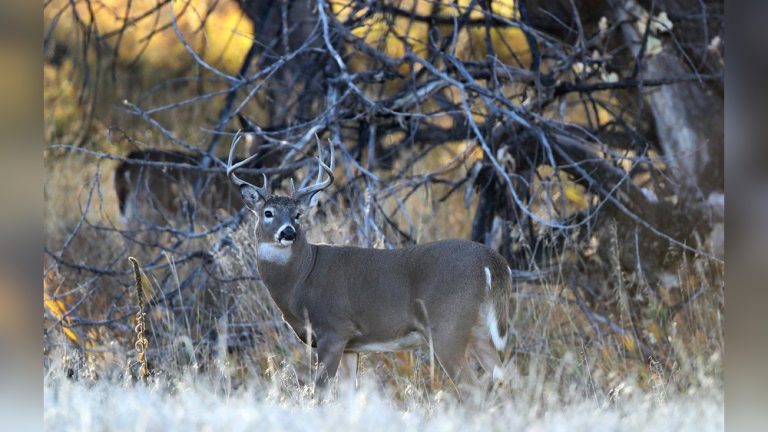
A bowhunter stalking deer in thick woods uses instinctive shooting for quick, close-range shots. The lack of sights allows them to react instantly, resulting in successful harvests where time is limited.
Case Study 3: Historical Archery
Historical accounts, such as those documented by Wikipedia, show that instinctive shooting was the norm for centuries. Ancient warriors and hunters developed incredible accuracy through repetition and focus, demonstrating the effectiveness of this method.
Example: Modern Instinctive Archer
A modern archer, after months of blank bale practice, reports improved shot consistency and confidence. They notice fewer erratic arrows and tighter groupings during club shoots.
Equipment Selection For Instinctive Shooting
Choosing the right equipment is vital for instinctive bow shooting. The bow, arrows, and accessories all impact your performance.
Bow Types
Instinctive shooters typically prefer:
- Recurve bows
- Longbows
- Flatbows
These designs offer simplicity and direct feedback, essential for building muscle memory.
Arrow Selection
Key considerations for arrows:
- Spine: Match arrow stiffness to bow draw weight.
- Weight: Heavier arrows fly slower but penetrate deeper.
- Length: Should match your draw length.
Pro Tip: Consult a reputable archery shop for arrow selection based on your bow and draw.
Accessories
Minimal accessories are favored:
- Finger tabs or gloves: Protect fingers during release.
- Quivers: Hold arrows for quick access.
- Armguards: Prevent string slap.
Warning: Avoid sights, stabilizers, or releases that interfere with instinctive technique.
Comparing Bow Types For Instinctive Shooting
| Bow Type | Draw Weight Range | Handling | Typical Use |
|---|---|---|---|
| Recurve | 20-60 lbs | Easy to maneuver | Target, hunting |
| Longbow | 30-70 lbs | Traditional feel | Hunting, recreation |
| Flatbow | 25-55 lbs | Smooth draw | Field archery |
Common Mistakes And How To Avoid Them
Mastering instinctive shooting means recognizing and correcting frequent errors.
Mistake 1: Inconsistent Anchor Point
Failing to draw to the same anchor point causes erratic arrow flight. Solution: Practice drawing to a specific spot (e.g., corner of the mouth) every time.
Mistake 2: Gripping The Bow Too Tightly
A tight grip leads to torque and poor accuracy. Solution: Hold the bow lightly, allowing it to settle naturally after release.
Mistake 3: Overthinking The Shot
Instinctive shooting should be subconscious. Overanalyzing disrupts muscle memory. Solution: Trust your instincts, focus on the target, and avoid conscious aiming.
Mistake 4: Neglecting Practice Variation
Repeating the same drill leads to stagnation. Solution: Mix up distances, targets, and conditions to keep your skills sharp.
Mistake 5: Improper Arrow Selection
Using arrows mismatched to your bow affects performance. Solution: Match spine, weight, and length to your setup.
Example: An archer using arrows too stiff for their recurve noticed erratic flight until switching to properly matched arrows.
Advanced Tips For Improving Instinctive Aim
Once you’ve mastered the basics, advanced techniques can further refine your instinctive aiming.
Tip 1: Use Peripheral Vision
Train yourself to observe the arrow’s position in your peripheral vision while focusing on the target. This aids subconscious adjustment.
Tip 2: Dynamic Practice
Shoot at moving or unpredictable targets. This enhances adaptability and reaction speed.
Tip 3: Simulate Hunting Scenarios
Practice from kneeling or elevated positions, as you would in the field. This builds confidence for real-world situations.
Tip 4: Record And Review
Use video to analyze your form and identify subtle errors. Adjust accordingly for improved accuracy.
Example: Reviewing slow-motion videos of releases can reveal inconsistencies invisible to the naked eye.
Tip 5: Engage In Competitive Archery
Joining competitions challenges your skills and exposes you to new techniques. Learning from peers accelerates improvement.
Pro Tip: Participate in traditional archery tournaments and compare your results with instinctive and sight shooters for valuable insights.
Frequently Asked Questions
What’s The Best Bow For Instinctive Shooting?
Instinctive shooters typically prefer recurve bows or longbows for their simplicity and direct feedback. The best choice depends on your draw length, desired draw weight, and comfort. Visit a local archery shop to test different bows and consult experts before buying.
Can Instinctive Shooting Be Effective At Long Distances?
While instinctive shooting excels at short to medium ranges (up to 30 yards), skilled archers can achieve accuracy at longer distances with extensive practice. Success relies on muscle memory and consistent form, but for distances beyond 40 yards, mechanical aids may offer better accuracy.
How Long Does It Take To Master Instinctive Aiming?
Mastery timelines vary by individual, but most archers notice improvement within a few months of regular practice. Achieving high accuracy may take a year or more, depending on practice frequency and dedication. Joining an archery club or receiving coaching can accelerate learning.
Is Instinctive Shooting Suitable For Beginners?
Instinctive shooting is accessible to beginners, especially those interested in traditional archery. It teaches foundational skills such as form and focus. However, beginners may benefit from starting with blank bale practice and gradually introducing variable distances for skill development.
Are There Scientific Studies Supporting Instinctive Shooting Methods?
Yes, research on motor learning and muscle memory supports the principles behind instinctive shooting. Studies cited by PubMed indicate that repetitive practice leads to improved subconscious motor control and accuracy in tasks like archery.
Instinctive bow shooting is a rewarding journey that blends tradition, skill, and intuition. With dedicated practice, mindful focus, and the right equipment, archers can achieve remarkable accuracy and enjoy a deeper connection to the sport. Whether for hunting, competition, or recreation, the instinctive method offers a unique experience that stands apart in the world of archery.