How to Aim Traditional Archery: Master Precision and Accuracy
Traditional archery captures the beauty of simplicity and skill. Unlike modern archery, there are no fancy sights or stabilizers, just a bow, an arrow, and your focus. Learning how to aim in traditional archery is both challenging and rewarding. Many beginners feel lost without technology guiding their shot, but understanding the fundamentals brings confidence and consistency.
This guide is part of our Archery basics: beginner guide to bows and shooting series.
This guide will show you, step by step, how to aim traditional archery, using clear language and proven techniques. You’ll discover methods, common mistakes, and practical tips that will help you shoot more accurately, whether you’re practicing alone or joining competitions.
Let’s explore how to turn your instinct into precision.
Understanding Traditional Archery
Traditional archery is about using bare bows, no sights, rests, or modern accessories. Most archers use a longbow or recurve bow. The focus is on technique, body alignment, and instinct.
What Makes Traditional Archery Different
Traditional archers rely on their senses and muscle memory. There’s no mechanical help, so every shot depends on your skill. Unlike Olympic-style archery, you must judge distance, wind, and angle with your own eyes.
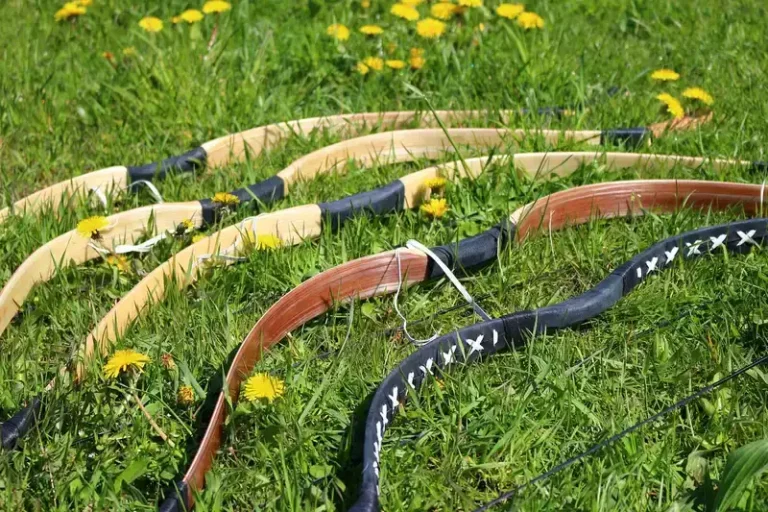
Types Of Traditional Bows
- Longbow: Tall, simple, and elegant. Used by English archers for centuries.
- Recurve bow: Curved tips for more power and speed. Popular in many cultures.
- Flatbow: Wide limbs, often seen in Native American traditions.
Each bow type feels different in your hands. Most beginners start with a recurve because it’s easier to handle and more forgiving.
Key Principles Of Aiming Without Sights
Aiming in traditional archery is a mix of science and art. Since you don’t have sights, you must develop your own system for aiming.
Eye Dominance
One of the first steps is to check your dominant eye. This eye guides your aim. Here’s how you can test:
- Extend your arms and make a small triangle with your hands.
- Look at an object through the triangle with both eyes.
- Close one eye, then the other. The eye that keeps the object centered is your dominant eye.
Most people use their dominant eye to align the arrow with the target.
Stance And Alignment
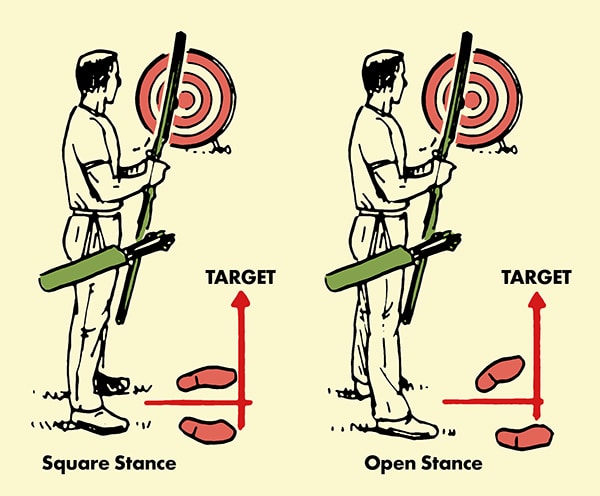
Your stance is your foundation. Stand with your feet shoulder-width apart. Point your toes slightly toward the target. Keep your body straight and relaxed.
Good alignment helps you aim consistently. Imagine a straight line from your dominant eye, through your arrow, to the target. Your shoulders and hips should support this line.
Anchor Point
The anchor point is where your hand, string, and face meet every time you draw. Common anchor points are:
- Corner of the mouth
- Chin
- Cheekbone
Consistency is key. If your anchor point changes, your aim will shift. Most archers use the corner of their mouth because it’s easy to feel and repeat.
Credit: www.artofmanliness.com
Methods Of Aiming In Traditional Archery
There are two main ways to aim without sights: instinctive aiming and gap shooting. Let’s look at each method.
Instinctive Aiming
Instinctive aiming is like throwing a ball. You focus on the target and let your body guide the shot. No conscious thought about arrow position. It relies on practice and muscle memory.
How Instinctive Aiming Works
- Look at the target, not the arrow.
- Draw the bow and anchor at your usual spot.
- Release smoothly, trusting your hand-eye coordination.
Instinctive archers often practice at different distances to train their brain and muscles.
Pro Tip: Practice at close range first. As you get comfortable, move back. This builds confidence and accuracy.
Gap Shooting
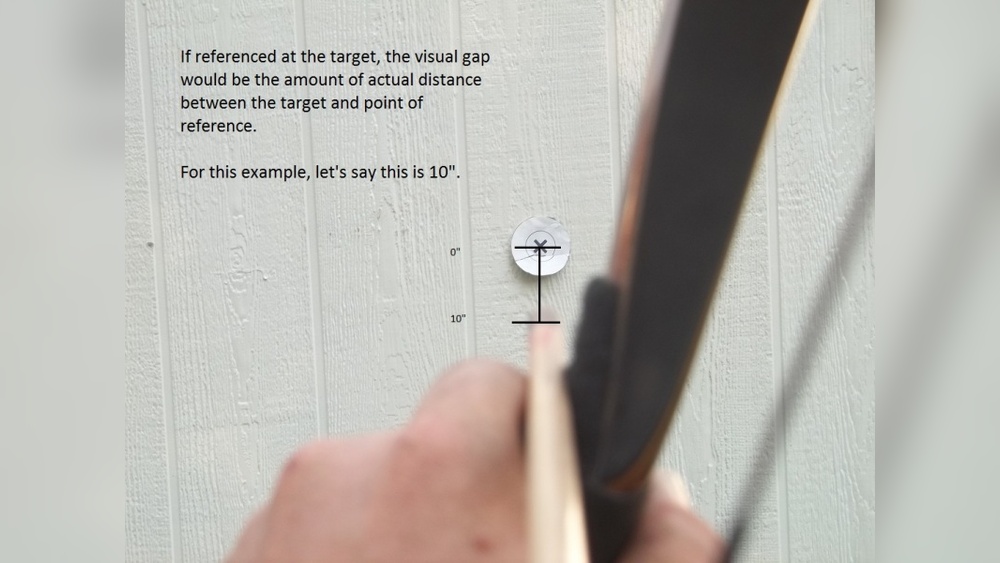
Gap shooting combines instinct with calculation. You use the tip of your arrow as a reference. At full draw, you notice where the arrow tip points compared to the target.
How Gap Shooting Works
- Nock the arrow and draw.
- Anchor at your consistent point.
- Align the arrow tip with a spot below, on, or above the target depending on distance.
- Release with a steady motion.
The “gap” is the space between the arrow tip and the target. The closer you are, the smaller the gap.
Example:
If your arrow tip points below the bullseye at 10 yards, you might need to aim higher at 20 yards. This method is popular with archers who want a bit more control.
String Walking
String walking is mostly used by target archers. You move your fingers down the string to change the arrow’s angle. This makes the arrow tip line up with the target at different distances.
How String Walking Works
- Place your fingers below the arrow nock.
- The farther down the string, the closer the arrow will hit to the target.
- Mark your favorite positions for different distances.
Warning: String walking can stress your bow if not done correctly. Check your bow’s manual or ask an expert before trying.
Steps To Aim Traditional Archery
Aiming well is about following a routine. Here’s a step-by-step breakdown:
- Check your stance: Stand tall, feet shoulder-width apart.
- Nock the arrow: Place the arrow on the string securely.
- Draw the bow: Pull back smoothly, using your back muscles.
- Anchor: Touch your anchor point with your hand.
- Aim: Use your chosen method, instinctive, gap, or string walking.
- Release: Let the string slip from your fingers, not jerk.
- Follow through: Hold your position until the arrow hits.
Most archers find steps 4, 6 the hardest. Practice each step until it feels natural.
Comparing Aiming Methods
Choosing the right aiming method depends on your style and goals. Here’s a comparison of the main techniques:
| Method | Focus | Distance Control | Learning Curve |
|---|---|---|---|
| Instinctive | Target | Requires practice | Medium |
| Gap Shooting | Arrow tip | Easy to adjust | Medium |
| String Walking | Arrow tip | Precise | High |
Instinctive aiming is best for fast shooting and hunting. Gap shooting offers more control for target practice. String walking is for advanced archers who want accuracy at many distances.
Common Mistakes Beginners Make
Learning traditional archery is full of trial and error. Here are mistakes most beginners make, and how to fix them.
Inconsistent Anchor Point
Changing your anchor point changes your aim. It’s easy to forget this when you’re tired or distracted. Always anchor at the same spot.
Poor Stance
Standing too close or too far apart messes up your balance. A firm, relaxed stance is key. Check your feet before each shot.
Gripping The Bow Too Tight
A tight grip twists the bow and changes the arrow’s path. Hold the bow lightly with your non-dominant hand.
Not Following Through
Many beginners drop their bow arm right after releasing. Stay steady until the arrow lands. This improves accuracy.
Overthinking The Shot
Trying to “calculate” every movement can slow you down and make you tense. Trust your practice and let the shot flow.
Pro Tip: Film your practice sessions. Watching your form helps spot mistakes you can’t feel.
Advanced Tips For Improving Your Aim
Once you master the basics, you can improve your aim with these advanced tips.
Focus On Back Tension
Use your back muscles to draw the bow. This keeps your shot strong and stable. Many archers forget this and rely only on their arms.
Practice At Different Distances
Shoot at short and long distances. This trains your brain to adjust aim and builds instinct. Move targets around for variety.
Use A Consistent Draw Weight
Switching bow strengths often makes aiming harder. Stick to one draw weight while learning.
Adjust For Wind And Light
Wind and sunlight affect arrow flight. Practice in different conditions. Notice how wind pushes the arrow and how light changes your aim.
Record Your Progress
Keep a notebook. Write down your practice times, distances, and scores. This helps track improvement and spot patterns.
How Arrow Choice Affects Aiming
Your arrows matter as much as your bow. Choosing the right arrow improves accuracy.
Arrow Length
Longer arrows are more stable but slower. Shorter arrows are faster but can be less forgiving.
Arrow Weight
Heavy arrows hit harder and are less affected by wind. Light arrows fly faster but may drift.
Arrow Spine
The spine is how much the arrow bends. Too stiff or too flexible arrows make aiming harder.
| Arrow Type | Best For | Draw Weight Range |
|---|---|---|
| Wooden | Traditional feel | 15, 40 lbs |
| Aluminum | Durability | 20, 60 lbs |
| Carbon | Speed/accuracy | 20, 70 lbs |
Example: In my experience, switching to carbon arrows improved my groupings by about 20% at 30 yards.

Credit: oodmag.com
How To Practice Aiming Effectively
Practice is the secret to aiming well in traditional archery. Here’s how to get the most from your sessions.
Warm Up First
Start with stretches for your arms, shoulders, and back. A warm body reduces injuries and improves form.
Set A Routine
Practice at the same time and place. Consistency builds muscle memory.
Use Targets Of Different Sizes
Large targets help build confidence. Small targets improve precision. Switch between both.
Track Your Shots
Mark where each arrow lands. Try to keep your shots in tighter groups.
Try Blind Shooting
Shoot with your eyes closed (safely). This trains your anchor point and release.
The Role Of Mental Focus In Aiming
Aiming in traditional archery is as much mental as physical. Staying calm and focused helps your aim.
Breathing Techniques
Deep, slow breaths relax your body and steady your hands. Try breathing in as you draw, and out as you release.
Visualization
Picture your arrow hitting the bullseye before you shoot. This boosts confidence and improves accuracy.
Handling Pressure
In competitions, nerves can ruin your aim. Practice under pressure, invite friends to watch or set a timer.
Comparing Traditional And Modern Archery
Traditional archery and modern archery are different worlds. Here’s a comparison:
| Aspect | Traditional Archery | Modern Archery |
|---|---|---|
| Aiming | Instinct/gap/string | Sights and stabilizers |
| Equipment | Bare bow, simple arrows | Compound bows, advanced arrows |
| Learning Curve | Higher | Lower |
| Cost | Lower | Higher |
Traditional archery teaches patience and skill. Modern archery is easier for beginners but less challenging.
Safety Considerations
Safety is essential in archery. Always check your equipment before shooting.
- Inspect arrows for cracks or bends.
- Make sure the bow string is tight and not frayed.
- Never shoot if people or animals are in front of you.
- Use proper backstops to catch arrows.
If you’re unsure, ask an expert or coach for help.

Credit: charlesarcheryblog.wordpress.com
Resources For Learning More
There are many resources for traditional archery. Clubs, books, and online videos offer guidance.
- Local archery clubs often offer beginner classes.
- Books like “The Traditional Bowyer’s Bible” are helpful.
- YouTube channels show form and aiming tips.
For detailed information, visit Wikipedia: Archery.
Frequently Asked Questions
What Is The Best Bow For Traditional Archery Beginners?
Most beginners start with a recurve bow because it’s lighter and easier to handle. It also allows for smooth aiming and release. Longbows are good for those who want a classic feel, but they require more strength and practice.
How Do I Know If My Anchor Point Is Correct?
Your anchor point should feel natural and repeatable. If your shots are consistent and your arrows group tightly, your anchor is likely correct. Try different anchor points, but choose one you can use every time without discomfort.
Is It Possible To Aim Traditional Archery Accurately At Long Distances?
Yes, but it takes practice. At longer distances, small errors in form or aim can make a big difference. Using gap shooting or string walking can help you aim more precisely at 30 yards or more. Always check your arrow spine and weight for longer shots.
How Often Should I Practice Aiming To Improve?
Aim for at least three sessions per week. Quality matters more than quantity, focus on form and routine. Practicing daily in short bursts can build muscle memory. Make sure to rest if you feel pain or fatigue.
Can Left-eye Dominant People Shoot Right-handed?
Yes, but it’s harder. Most archers shoot with their dominant eye and hand. If you’re left-eye dominant but right-handed, you can learn to shoot left-handed or train your right eye. Practice with both sides to see which feels more natural.
Traditional archery is a journey of skill and patience. Learning how to aim without sights makes you a better, more confident archer. With proper practice, attention to detail, and a calm mindset, you’ll find your arrows landing closer to the target every time.
Whether you aim for competition or just for fun, enjoy the process and celebrate your progress.