Laser Rangefinder vs Standard Binocular Rangefinder: Worth?
For most bowhunters, a standalone laser rangefinder is the better buy. Choose rangefinding binoculars only if you glass a lot from distance and want one optic, not a second tool. Pick wrong and you pay more, carry more weight, and may still miss a fast yardage call at the shot. This guide compares speed, accuracy, price, weight, and real bowhunting use so you can choose the right setup.
Verdict
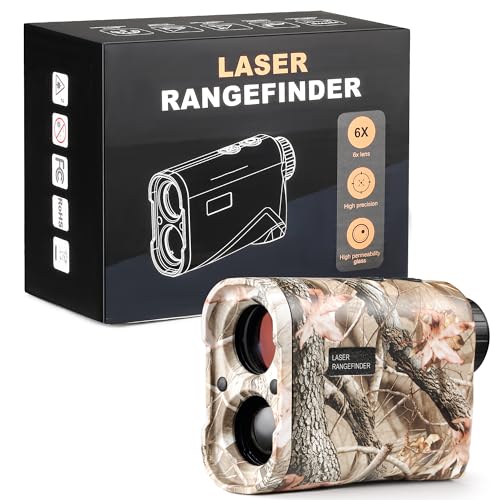
The default pick for close, quiet archery hunting is the handheld laser rangefinder. It uses a narrow light pulse, measures the return signal, and usually gives a near-instant reading. Rangefinding binoculars add integrated binocular optics and ranging, but the added size, cost, and handling burden only pay off for hunters who truly want one optic to do both jobs.
Specs at a glance
| Factor | Laser Rangefinder | Standard Binocular Rangefinder | Winner |
|---|---|---|---|
| Core job | Handheld distance reading with a narrow light pulse | 10x binocular optics with built-in ranging | Tie |
| Speed in bowhunting use | Near-instant reading | Fast, but usually slower to deploy because it is a larger optic | Laser Rangefinder |
| Carry and handling | Compact and pocketable | Heavier than standard binoculars and less convenient one-handed | Laser Rangefinder |
| Optics | No binocular viewing | 10x magnification and 42mm objective lens on common models | Standard Binocular Rangefinder |
| Cost and replacement risk | Lower cost and lower replacement cost | Higher cost and more expensive to replace | Laser Rangefinder |
| Angle compensation and display modes | Many modern units include angle measurement, scan mode, and illuminated display | Integrated ranging often adds angle-aware modes and display features | Tie |
Core difference
A standalone laser rangefinder sends a time-of-flight laser signal and reports distance with near-instant speed. A standard binocular rangefinder combines binocular optics and a built-in laser ranging system, so the hunter can glass and range with the same unit. That saves one item in the pack, but it also adds weight, cost, and bulk.
Speed and handling
In bowhunting, the bigger issue is not maximum range. It is whether the optic comes up fast, reads fast, and stays easy to hold with one hand while the other hand manages the bow or tree stand strap. That is where a pocketable handheld unit usually wins.
Optics and field of view
The common 10×42 binocular format means 10x magnification and a 42mm objective lens. That is a common hunting optic setup, but higher magnification narrows field of view, which matters in brush, at timber edges, and when animals move through gaps. Rangefinding binoculars keep the glassing benefit, yet they do not erase the handling penalty.
Angle compensation and display modes
Angle compensation matters more for archery and mountain hunting than raw line-of-sight distance. Horizontal distance is the number that matters for a shot. Many modern laser devices include scan mode and angle measurement, and some display features help in low light when a dark target is hard to read.
Who it
The standalone laser rangefinder is for bowhunters who hunt close, move quietly, and range lanes before the shot. It fits treestand hunters, saddle hunters, and timber hunters who already carry good binoculars or do most of their glassing before they climb in.
Standard binocular rangefinders fit hunters who spend real time glassing from a distance and want one optic for both jobs. They make more sense when the binoculars would already be in hand and the hunter wants to avoid swapping between tools in the field.
What works
A handheld laser rangefinder works well because it is compact, fast, and simple. The near-instant reading speed matters when a deer steps into a lane for only a moment. Battery or rechargeable power is another plus, because the unit is light enough to keep in a pocket and bring up quietly.
Standard binocular rangefinders work when the hunter values fewer pieces of gear more than minimum weight. The integrated binocular optics reduce gear count, and the ranging system keeps the distance call inside the same housing. That can be useful for spot-and-stalk setups, open edges, and hunters who already rely on binoculars every sit.
What does not?
A handheld rangefinder does not help with glassing. If a hunter needs binoculars anyway, then carrying a second optic may feel like extra clutter. It also gives up the all-in-one convenience that some hunters want when they only wish to carry one device to the tree or ridge.
Standard binocular rangefinders are heavier than standard binoculars and cost more than a separate handheld rangefinder. That extra mass can create carry fatigue in a saddle or treestand setup, especially when the optic hangs all day. Replacement risk is higher too, because losing or damaging one expensive optic hurts more than replacing a single compact rangefinder.
Alternatives
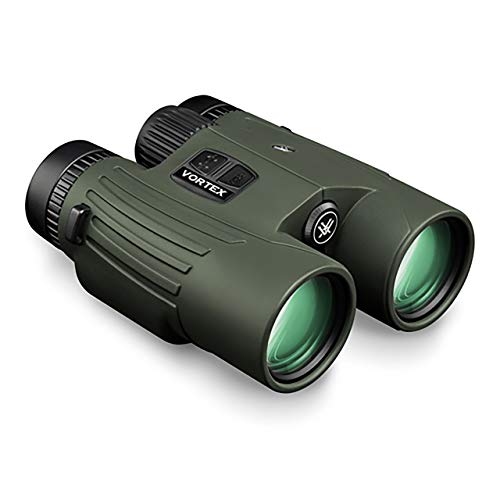
Vortex Fury HD 5000 10×42 Laser Rangefinding Binoculars are the clear all-in-one alternative for hunters who want binoculars and ranging in one unit. Based on the published product details, they use 10×42 binoculars, HCD and LOS modes, and fogproof, shockproof housing. The drawback is obvious: at $979.00, they are a costly way to solve a problem that many bowhunters can solve with a cheaper handheld rangefinder.
LuyFuitre 2000 Yards Hunting Laser Rangefinder is the budget-leaning handheld option here. The listed features include angle compensation, seven measurement modes, an easy-to-read LCD, and fully multi-layer coated optics. Its weakness is not performance at the short ranges bowhunters care about; it is that it does not replace binoculars, so the hunter still needs a separate glassing tool if binoculars are part of the system.
Are binocular rangefinders worth it for bowhunting?
For most bowhunters, no. A standard handheld laser rangefinder is usually the better default because bow shots are short, quick, and often taken from awkward positions where one-handed use matters more than integrated optics. Rangefinding binoculars are worth it only when the hunter already glasses heavily and truly wants one optic to do both jobs.
That is the real split between bowhunting and rifle-hunting needs. Rifle hunters often care more about glassing and distant target work. Archery hunters care more about speed, quiet movement, and keeping the shot process simple at close range.
Say your deer steps out at 27 yards on the far side of a food plot and you already ranged that lane at 25, 30, and 35 yards. In that case, the advantage of a rangefinding binocular is small, because the work was done before the shot window opened.
Which is better for treestand hunting?
A handheld rangefinder is usually better for treestand hunting. It is easier to bring up with one hand, easier to keep quiet, and easier to tuck away without changing body position. In a stand, the best optic is the one that disappears until the shot lane opens.
Treestand hunting also exposes a common failure case: awkward angles. A bulky binocular rangefinder can be slower to settle on target when the shooter is twisted in the harness, seated against a tree, or reaching around branches. A small rangefinder is simply easier to manage.
Quiet setup matters too. A binocular rangefinder often hangs on a harness or chest rig and can bump straps, rails, or sticks. A handheld unit can stay in a pocket or pouch until needed.
One-hand use in a stand
One-handed use favors the handheld tool because the hunter may need the other hand for balance, a bow grip, or a tether. That matters more than optical quality in a treestand shot window.
Quiet movement and pre-ranged lanes
Pre-ranged lanes are where handheld units shine. If the hunter already knows the distance to each shooting lane, the final check is quick and quiet. The binocular rangefinder adds little in that moment unless the setup demands late glassing.
What specs matter most in hunting rangefinder binoculars?
The most useful specs are 10×42 optics, angle compensation, display readability, scan mode, and weather sealing. Those features matter more than raw maximum range for bowhunters, because most shots happen well inside the device’s top-end number. Weight and hand comfort matter too.
Many modern laser devices include scan mode and angle measurement, and the better hunting units add illuminated display options for low light. Waterproof and fog-proof construction also matters because sealed housing and nitrogen purging help the optic handle weather swings in the field.
10×42 trade-offs
The 10×42 binocular format is common, but it is not free. Ten-power glass narrows field of view compared with lower-power options, and that can slow target acquisition in brush or timber. For bowhunters, a narrow field of view is often more limiting than a slightly lower maximum range.
Angle compensation
Angle compensation gives horizontal distance instead of raw line-of-sight distance. That matters on steep setups, in tree stands with sharp downhill shots, and in mountain country. For archery, the horizontal number is the one that helps with pin selection.
Display, scan mode, and target modes
An illuminated display helps when light fades under a canopy or at last shooting light. Scan mode is useful when a deer moves through cover and the hunter needs repeated updates. Best and last target modes help the unit lock onto a usable reading when brush, branches, or multiple objects are in the frame.
Waterproof and fog-proof construction
Waterproof and fog-proof construction matters because hunting weather changes quickly. Sealed housing and nitrogen purging reduce the chance of internal fogging after temperature changes and help the optic survive wet conditions. That does not make the unit invincible, but it does make it better suited to field use.
How much more expensive are rangefinder binoculars than standalone rangefinders?
They are usually much more expensive. The Vortex Fury HD 5000 is listed at $979.00, while the LuyFuitre handheld is $119.99. That gap is large enough to change the whole purchase decision, especially if the hunter still needs a separate binocular and a separate rangefinder setup is already in place.
Total ownership cost matters more than the sticker price. A binocular rangefinder ties two jobs to one expensive optic, so replacement risk is higher if it gets lost, dropped, or water-damaged. A standalone rangefinder is cheaper to replace and easier to keep as a backup.
Do binocular rangefinders replace regular binoculars and a separate rangefinder?
Sometimes, but not for everyone. A standard binocular rangefinder can replace both tools if the hunter wants one optic for glassing and ranging and is willing to accept the extra cost and weight. For bowhunters who already own good binoculars, it often duplicates gear instead of simplifying it.
The key question is whether the hunter glasses enough for the integrated optic to earn its keep. If most of the hunt happens close, in timber, or from a stand, a separate binocular and a handheld rangefinder may still be the better system.
Bowhunting decision matrix
| Bowhunting scenario | Laser Rangefinder | Standard Binocular Rangefinder | Winner | Why it wins |
|---|---|---|---|---|
| Treestand | 9/10 | 6/10 | Laser Rangefinder | One-hand use and quiet movement matter most in a stand. |
| Saddle | 9/10 | 6/10 | Laser Rangefinder | Less bulk is easier on the tethered body position. |
| Timber | 8/10 | 5/10 | Laser Rangefinder | Brush and close lanes favor fast, compact ranging. |
| Food plot edge | 8/10 | 7/10 | Laser Rangefinder | Pre-ranged edges reduce the value of integrated glassing. |
| Spot-and-stalk | 6/10 | 9/10 | Standard Binocular Rangefinder | Integrated glassing helps when the hunter is already watching from distance. |
| Low-light setup | 8/10 | 7/10 | Laser Rangefinder | Illuminated display and faster handling are often easier to use at last light. |
| Rainy weather | 8/10 | 8/10 | Tie | Waterproof and fog-proof construction matters for both. |
| One-hand use | 10/10 | 5/10 | Laser Rangefinder | Handheld format is simpler when the other hand is busy. |
| Budget replacement risk | 10/10 | 4/10 | Laser Rangefinder | Lower cost means less pain if the optic is lost or damaged. |
| Pre-ranged lanes | 10/10 | 6/10 | Laser Rangefinder | Once lanes are marked, the simplest tool is usually enough. |
Say your stand overlooks a 14-yard cedar lane, a 21-yard gap, and a 28-yard opening. A handheld rangefinder wins because the hunter can verify those marks ahead of time, then keep movements small when the deer steps into range. The integrated optic adds little unless the hunter also needs binoculars for glassing from far off.
Suppose a hunter is moving along a ridge and trying to pick apart brushy pockets at 120 yards. In that case, the standard binocular rangefinder earns more of its cost because the glassing and ranging happen in the same workflow. That is the kind of setup where the extra weight can be justified.
Choose Laser Rangefinder if… / Choose Standard Binocular Rangefinder if…
Choose Laser Rangefinder if… you hunt close, keep movement minimal, and already carry binoculars. It is the better default for treestand, saddle, timber, food plot edge, and pre-ranged lanes. It also makes more sense if you want lower cost, lower replacement risk, and easier one-handed use.
Choose Standard Binocular Rangefinder if… you want one optic to glass and range, you spend real time spotting before the shot, and you accept the added weight and price. It fits better for spot-and-stalk, open-country observation, and hunters who want integrated ranging in the same 10×42-style package.
Should you buy it?
For a bowhunter who cares most about close shots, quiet movement, and fast yardage calls, the answer is usually yes to a standalone laser rangefinder and no to paying extra for integrated binoculars. The handheld tool is the better default because it fits the way most archery shots actually happen.
Buy the binocular rangefinder only when it replaces real carrying habits, not when it adds another expensive optic to the kit. If the hunter already owns useful binoculars and ranges lanes ahead of time, the standalone unit is the cleaner choice.
Frequently asked questions
What is the difference between a laser rangefinder and rangefinder binoculars?
A laser rangefinder is a handheld tool that uses a narrow light pulse and returns a distance reading quickly. Rangefinder binoculars combine binocular optics and a built-in ranging system in one unit. The second option saves gear count, but it is heavier and usually more expensive.
Which is better for treestand hunting: a handheld rangefinder or binocular rangefinder?
A handheld rangefinder is better for most treestand hunts. It is easier to use one-handed, easier to keep quiet, and easier to store out of the way until the shot lane opens. In a stand, speed and convenience matter more than integrated optics.
Do binocular rangefinders work well in timber and close-range setups?
They work, but they are not the best default. Timber and close-range setups reward compact gear, fast target acquisition, and simple movement. A handheld rangefinder is usually faster and less awkward when brush, branches, and moving animals make every second count.
What are the downsides of carrying a binocular rangefinder in the field?
The main downsides are weight, cost, and handling. It is heavier than standard binoculars, more expensive to replace, and less convenient in tight or awkward positions. For bowhunters, those penalties often matter more than the convenience of integrated ranging.