Is a Rangefinder Necessary for Hunting? Pros, Cons, and Expert Tips
Hunting is a mix of skill, patience, and the right equipment. One tool that often sparks debate is the rangefinder. Some hunters swear by it, while others believe it’s not essential. If you’re trying to decide whether a rangefinder is necessary for hunting, you’re not alone. Many beginners and even experienced hunters wonder if investing in a rangefinder is worth it, or if traditional methods are enough. This article will help you understand what a rangefinder does, who should use one, and how it impacts your hunting success. By the end, you’ll have a clear answer, and some practical advice, so you can make the best choice for your next trip.
What Is A Rangefinder?
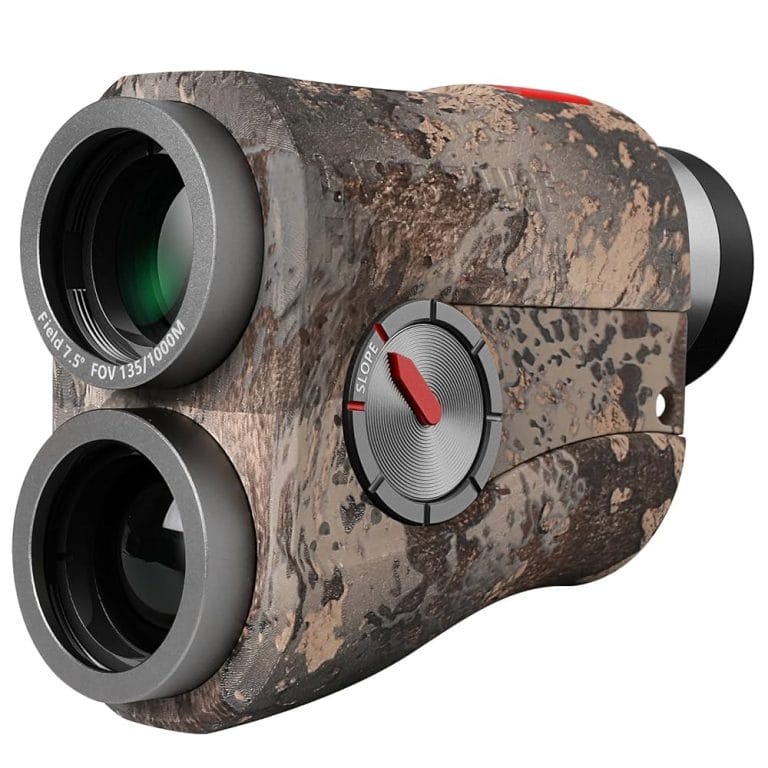
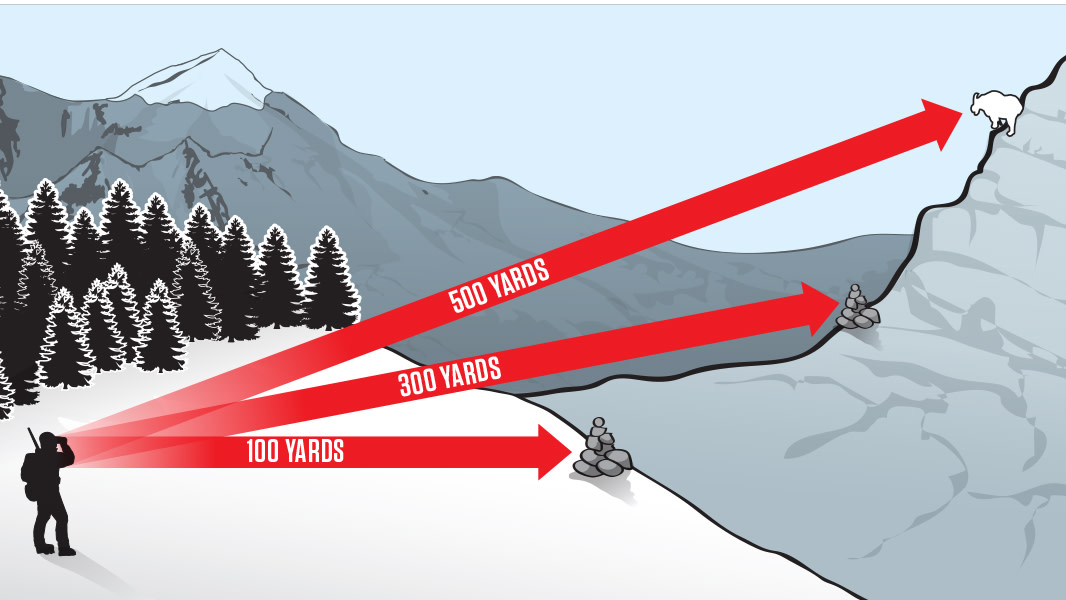
A rangefinder is a device that measures the distance between you and your target. Most modern hunting rangefinders use laser technology. You aim the rangefinder at your target, press a button, and it sends a laser beam. The device then calculates how far the target is based on how long the laser takes to return.
Rangefinders come in different types:
- Laser rangefinders: Most common for hunting.
- Optical rangefinders: Use mirrors and lenses, less popular today.
- GPS rangefinders: Used mainly for golf and hiking, rarely for hunting.
The main advantage of a rangefinder is its accuracy. Many can measure distances up to 1,000 yards or more, with accuracy often within one yard.
How Rangefinders Work
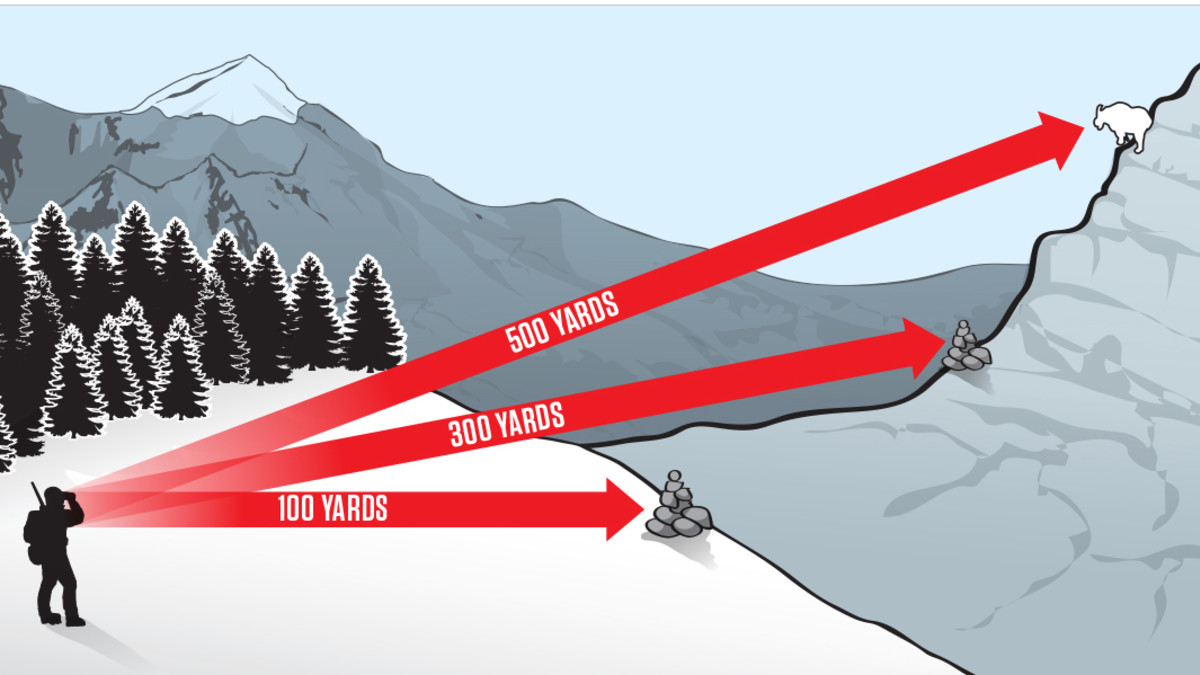
When you look through a laser rangefinder and press the button, the device sends a laser beam toward the target. The laser bounces back, and the rangefinder uses the time taken for the return to calculate the distance. This process is fast, usually less than a second.
Some rangefinders also include angle compensation. If you’re hunting from a tree stand or on a hill, the device can help you adjust for the angle, which affects the true distance for your shot.
The Role Of Distance In Hunting
Knowing the correct distance is crucial for ethical and successful hunting. Here’s why:
- Shot placement: The farther the target, the more bullet or arrow drop you must account for.
- Ethical kills: You want a clean, quick kill. Guessing the distance can lead to poor shot placement and suffering for the animal.
- Safety: Misjudging distance can cause missed shots or even accidents.
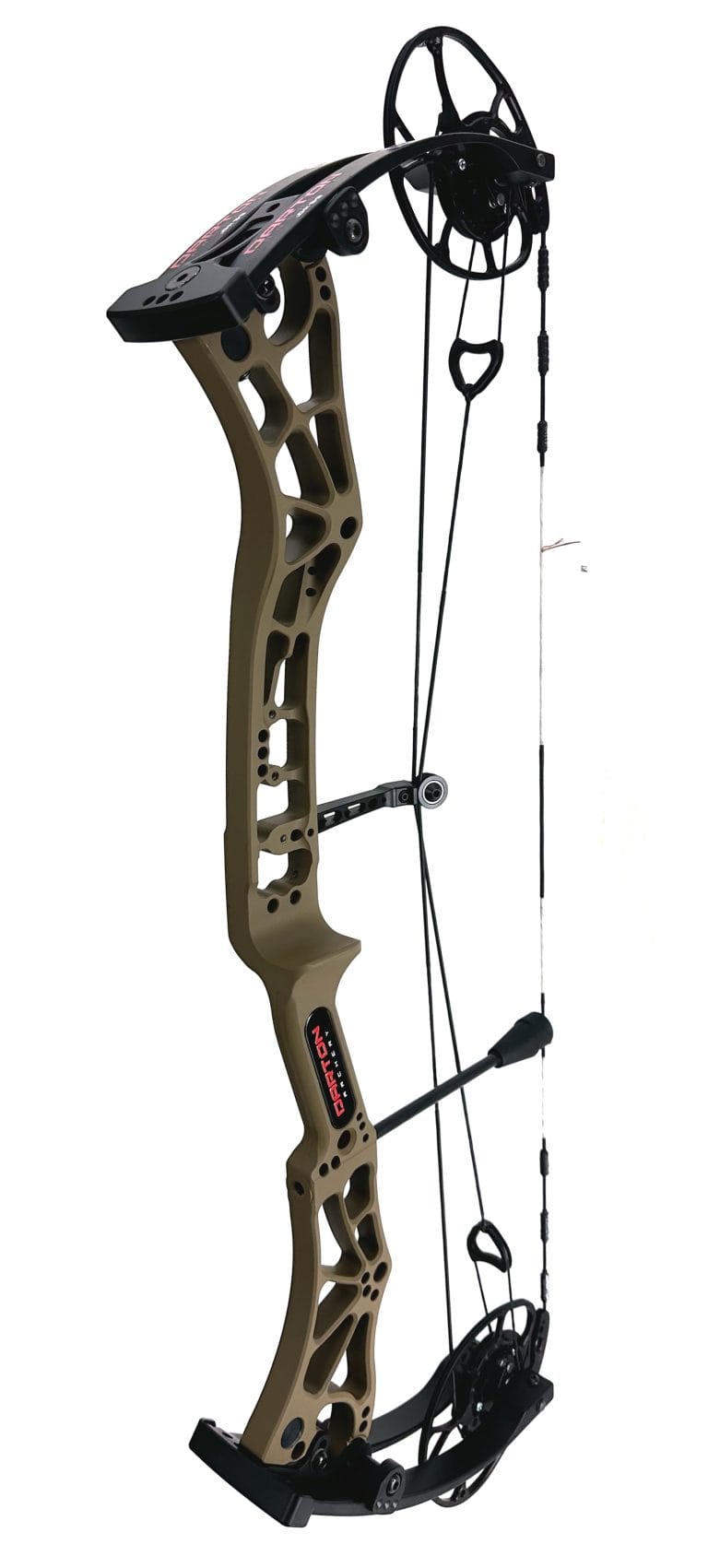
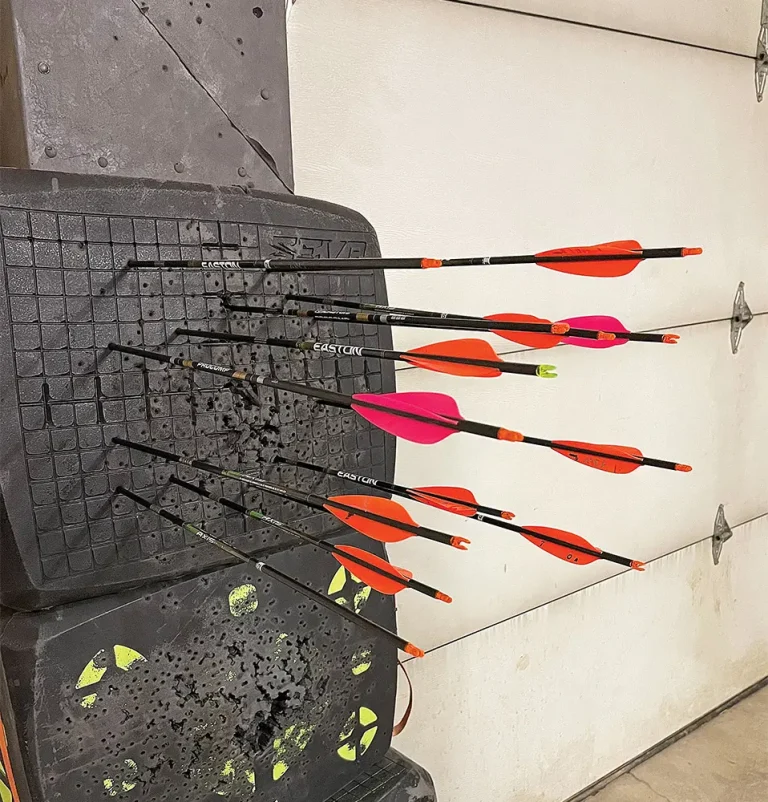
Let’s say you’re bow hunting. An arrow drops quickly after leaving the bow. If you think your target is 30 yards away, but it’s actually 40 yards, your shot could miss or wound the animal.
Pro Tip: Even experienced hunters can struggle to judge distance accurately, especially in open fields, dense woods, or varying light conditions.
Traditional Methods Of Estimating Range
Before rangefinders, hunters used several methods to estimate distance:
- Visual estimation: Guessing based on experience.
- Landmark referencing: Using objects like trees, rocks, or fences.
- Pacing: Walking to measure distance.
- Reticle estimation: Using the scope’s reticle markings.
Each method has strengths and weaknesses. Visual estimation improves with practice, but it’s easy to make mistakes. Landmark referencing works if you know the terrain, but not in new areas. Pacing is accurate, but you can’t do it when an animal appears suddenly.
Common Errors In Manual Estimation
- Overestimating or underestimating: Especially at longer ranges.
- Terrain illusions: Hills and slopes can trick the eye.
- Lighting: Shadows and bright sunlight make objects seem closer or farther.
Hunters often misjudge distance by 10-15 yards, which can make a big difference, especially for archery.
Rangefinder Vs. Traditional Methods: A Comparison
To make the decision clearer, here’s a comparison of rangefinders and traditional methods.
| Factor | Rangefinder | Traditional Methods |
|---|---|---|
| Accuracy | High (often within 1 yard) | Varies (can be off by 10-15 yards) |
| Speed | Fast (under 2 seconds) | Depends on experience, sometimes slow |
| Reliability | Reliable unless battery dies | Depends on conditions and skill |
| Cost | $100, $500 for quality device | Free |
| Learning Curve | Easy to learn | Needs practice |
Who Needs A Rangefinder?
Not every hunter needs a rangefinder. Here’s how to decide if it’s necessary for you:
Situations Where Rangefinders Are Essential
- Bow hunters: Arrows drop quickly. Rangefinders help ensure accurate shots.
- Long-range rifle hunters: Shooting beyond 200 yards makes small mistakes dangerous.
- Mountain or uneven terrain hunters: Angle compensation is important.
- Beginner hunters: Learning distances takes time; rangefinders help build confidence.
Hunters Who Might Not Need A Rangefinder
- Short-range hunters: If you only shoot within 50 yards, manual estimation may be enough.
- Experienced hunters in familiar terrain: Years of practice can make estimation reliable.
- Hunters with simple equipment: Sometimes, basic gear is all you need.
Example: I once hunted with a group where one experienced member rarely used a rangefinder. He knew every tree and bush, and could estimate distance almost perfectly. But in new areas, he struggled and borrowed my rangefinder.
Real-world Scenarios: When A Rangefinder Makes A Difference
Let’s look at some practical examples.
Bow Hunting In Dense Forest
Imagine you’re in thick woods. A deer appears between trees. It’s hard to judge distance because there are no clear landmarks. Using a rangefinder, you quickly confirm the deer is 37 yards away. You adjust your shot, and the result is a clean, ethical kill.
Rifle Hunting In Open Fields
You spot an elk at a distance. Open fields can create optical illusions. Is it 300 yards or 400? With a rangefinder, you know the exact distance. This helps you set your scope and avoid missed shots.
Hunting From Elevated Positions
When you’re in a tree stand or on a hill, the angle changes the real distance. Some rangefinders offer angle compensation, they calculate the true horizontal distance, not just line-of-sight. This feature is valuable for accurate shooting.
Limitations And Drawbacks Of Rangefinders
While rangefinders are helpful, they have some limitations:
- Battery dependency: If your battery dies, the device stops working.
- Weather impact: Fog, rain, or snow can make laser readings less accurate.
- Reflectivity: Rangefinders work better on reflective surfaces. Animal fur absorbs the laser, sometimes reducing accuracy.
- Cost: Good rangefinders are not cheap. Entry models may lack key features.
Pro Tip: Always carry extra batteries. Test your rangefinder before the hunt to ensure it works in your environment.
Key Features To Look For In A Hunting Rangefinder
If you decide a rangefinder is right for you, focus on these features:
- Maximum range: Choose a device that measures beyond your longest expected shot.
- Angle compensation: Important for hunting in hills or from stands.
- Speed: Fast readings help when animals move quickly.
- Durability: Waterproof and shockproof is ideal.
- Size and weight: Compact models are easier to carry.
Compare different models to find the best fit. Here’s a quick comparison of features to consider:
| Feature | Why It Matters | Typical Value |
|---|---|---|
| Maximum Range | Longer range allows more flexibility | 800, 1,200 yards |
| Angle Compensation | Accurate shooting from slopes or stands | Yes/No |
| Weather Resistance | Useful in rain, snow, or fog | Waterproof models |
| Weight | Easy to carry on long hunts | Under 8 ounces |
Credit: www.themeateater.com
Rangefinder Use: Practical Tips For Hunters
Using a rangefinder is straightforward, but a few tips can improve your experience:
- Practice before the hunt: Test your rangefinder on known distances.
- Mark landmarks: Use your rangefinder to measure distances to trees, rocks, or other objects before animals appear.
- Angle measurement: If your device has angle compensation, learn how it works. Practice from elevated positions.
- Keep batteries fresh: Cold weather drains batteries faster. Carry spares.
Warning: Don’t rely 100% on your rangefinder. If it fails, you should know basic estimation methods as backup.
Ethical Considerations: Technology Vs. Skill
Some hunters worry that using a rangefinder takes away from traditional skills. Is it fair to use technology?
Ethics in hunting focus on quick, humane kills and respect for the animal. Rangefinders can help by reducing missed shots and poor placement. However, over-reliance on gadgets can reduce your connection to nature and challenge.
Many hunters use a rangefinder as a tool, not a crutch. They still practice manual estimation and improve their skills. The rangefinder is just one way to ensure accuracy and ethics.
Credit: www.themeateater.com
Rangefinders And Hunting Regulations
In most states and countries, rangefinders are legal for hunting. They are not considered unfair advantage, unlike some night vision or thermal devices.
However, always check local laws. Some areas have special rules for archery or certain types of hunting. It’s your responsibility to know the regulations.
For more information on hunting laws and equipment, visit the Wildlife Society.
Common Mistakes When Using A Rangefinder
Even with a rangefinder, hunters make mistakes. Here are some to avoid:
- Ranging the wrong object: Make sure the device is aimed at the animal, not a nearby tree.
- Not checking angle: If hunting from above, use angle compensation.
- Ignoring battery levels: A dead rangefinder means no measurement.
- Failing to practice: New devices can be confusing. Practice before the hunt.
In my experience, the biggest mistake is forgetting to mark distances to key landmarks before animals arrive. If you know how far a tree or rock is, you can make faster decisions when the moment comes.
Alternatives To Rangefinders
If you decide not to use a rangefinder, here are other options:
- Reticle-based scopes: Some rifle scopes have markings for estimating distance.
- Range cards: Write down distances to landmarks before the hunt.
- Practice: Spend time guessing and measuring distances to improve your skill.
These methods work, but none are as accurate or fast as a rangefinder.
The Bottom Line: Is A Rangefinder Necessary?
The answer depends on your hunting style, experience, and goals.
If you want maximum accuracy, especially for bow hunting or long-range rifle hunting, a rangefinder is nearly essential. It improves your shot placement, reduces animal suffering, and helps you hunt ethically.
For short-range or traditional hunters, it’s less important, but still useful. Even experienced hunters can benefit in unfamiliar terrain or challenging conditions.
A rangefinder is not a magic tool. It’s a useful device that can help you become a better, more ethical hunter. The best hunters know when to use technology, and when to rely on their skills.
Frequently Asked Questions
How Does A Rangefinder Handle Moving Targets?
Most hunting rangefinders are designed for static targets. If an animal moves, the reading may change quickly. Some advanced models can track moving objects, but this feature is rare. The best method is to range the animal when it stops.
If it moves, aim for the last measured spot or landmark.
Are Rangefinders Effective In Low Light Conditions?
Rangefinders work best in daylight. In low light, such as dawn or dusk, performance drops. Some models have enhanced optics for better visibility, but laser accuracy still depends on light and reflectivity. Always test your device in different conditions before relying on it.
Can I Use A Rangefinder For Both Hunting And Golf?
Yes, but hunting rangefinders and golf rangefinders have different features. Hunting models often measure longer distances, have angle compensation, and are more rugged. Golf rangefinders focus on flag detection and shorter range. If you want one device for both, choose a model with multi-purpose settings.
What Is Angle Compensation, And Why Does It Matter?
Angle compensation adjusts the measured distance for elevation changes. For example, if you’re shooting from a tree stand, the line-of-sight distance is not the same as the true horizontal distance. Angle compensation helps you make accurate shots in hills or elevated positions.
Not all rangefinders have this feature, so check before buying.
Do Rangefinders Require Maintenance?
Rangefinders are low-maintenance, but you should keep the lens clean, check batteries often, and store them in a dry place. Extreme cold or heat can affect battery life. If your device gets wet, dry it thoroughly before storage. Regular practice and care keep your rangefinder working for years.
Making the right decision about a rangefinder is about understanding your needs, your hunting environment, and your skill level. Whether you choose technology or tradition, the most important thing is ethical, responsible hunting.