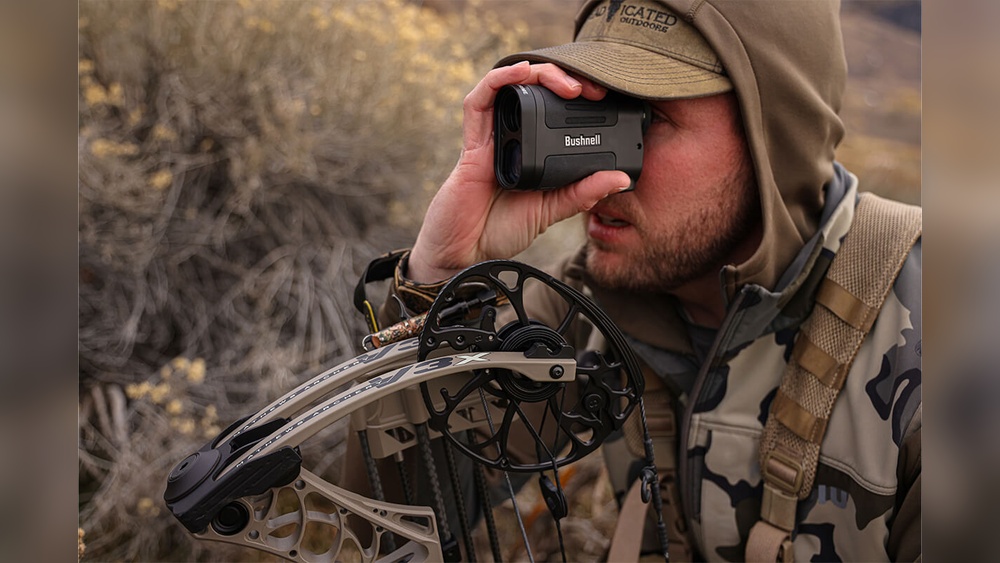
Is a Rangefinder Good for Hunting? Top Benefits Explained
Hunters often talk about tools and technology that help them succeed in the wild. One device that gets a lot of attention is the rangefinder. But is a rangefinder really good for hunting? To answer this, you need to look beyond simple yes or no. Rangefinders have changed how many hunters approach their sport, but they are not for everyone, and they come with their own set of pros and cons. In this article, you’ll learn what a rangefinder does, how it can help (or sometimes hurt) your hunt, and whether it’s a smart investment for you. By the end, you’ll have a clear, practical view of whether a rangefinder is good for hunting, plus answers to common questions that most beginners overlook.
What Is A Rangefinder And How Does It Work?
A rangefinder is a device that measures the distance from you to a target. Most modern models use laser technology: you point the device at your target, press a button, and the rangefinder sends a laser beam. When the beam bounces back, the device calculates the distance, usually in yards or meters.
The main appeal for hunters is accuracy. Knowing the exact distance to your prey helps you choose the right shot, adjust your aim, and avoid missed opportunities. Rangefinders are now lightweight, pocket-sized, and weather-resistant, making them easy to carry in the field.
Types Of Rangefinders
There are two main types used in hunting:
- Laser rangefinders: Most popular for hunting. They provide fast, accurate readings and work well for typical hunting distances (up to 1,000, 2,000 yards in some models).
- Optical rangefinders: Older technology that uses lenses and manual adjustment. Less common today, but they don’t need batteries.
Some rangefinders are built into binoculars, combining two tools in one. Others offer features like angle compensation, which helps when shooting uphill or downhill.
How Rangefinders Differ From Other Tools
Unlike simple binoculars or rifle scopes, a rangefinder gives you a precise distance reading. This is especially useful for bowhunters, who often shoot at short ranges where even a few yards can mean the difference between a clean hit and a miss.
Why Hunters Use Rangefinders
Hunters use rangefinders for several key reasons. The most important is to improve shot accuracy. When you know the distance to your target, you can choose the right aim point and adjust for bullet or arrow drop.
Advantages Of Using A Rangefinder
- Better Shot Placement: A rangefinder helps you judge whether your target is within ethical shooting range. This reduces the risk of wounding an animal.
- Confidence: When you know the exact distance, you are less likely to second-guess your shot.
- Faster Decisions: In hunting, you often have only seconds to make a shot. A quick distance reading saves precious time.
- Learning Tool: Beginners can use a rangefinder to learn what different distances look like in the field.
- Versatility: Rangefinders work in many environments, open fields, forests, or mountains.
Pro Tip: Practice using your rangefinder during scouting trips, not just during the hunt. This will help you use it quickly and correctly when it matters.
Example: Archery Vs Rifle Hunting
Bowhunters especially benefit from rangefinders. At 30 yards, an arrow drops much more than a bullet, so even a small distance mistake can cause a miss. Rifle hunters also use rangefinders, but at longer distances, wind and bullet drop must also be considered.
When A Rangefinder Can Be A Disadvantage
While rangefinders offer many benefits, they are not perfect for every situation. Understanding their limits helps you decide if they suit your style of hunting.
Potential Drawbacks
- Distraction: Fumbling with a rangefinder can make you miss a shot opportunity, especially if your target is moving.
- Extra Gear: It’s another item to carry, keep dry, and protect from damage.
- Batteries: Laser rangefinders need power. If batteries die in the field, the device is useless.
- Weather Limits: Rain, fog, and heavy brush can make readings less accurate.
- Reliance: Some hunters become too dependent and forget to develop their natural range-judging skills.
Situations Where Rangefinders Are Less Useful
In thick woods or when tracking animals at very close range, a rangefinder may not add much value. Some experienced hunters prefer to trust their instincts, especially for shots under 50 yards.
How Rangefinders Improve Hunting Success
Many hunters report that using a rangefinder leads to more ethical, successful hunts. Here’s how this tool can raise your chances:
Reducing Missed Shots
Missing a shot often comes down to misjudging distance. With a rangefinder, you can quickly check how far away your target is. This is especially valuable in open country where there are few landmarks.
Making Ethical Choices
Responsible hunters want quick, humane kills. Knowing the exact distance helps you avoid taking shots that are too far, too risky, or outside your comfort zone.
Adapting To Terrain
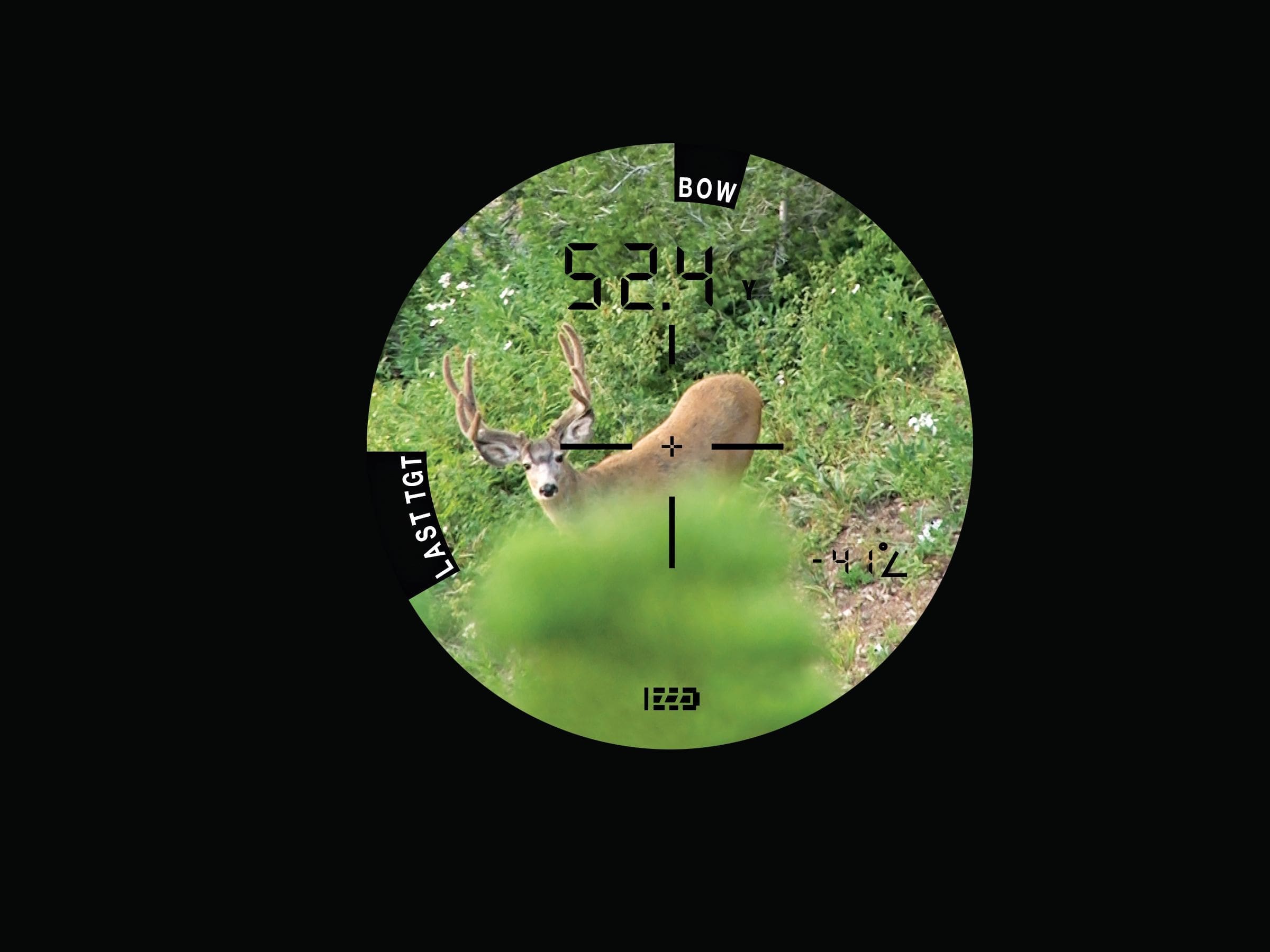
Hunting in the mountains or steep hills? A rangefinder with angle compensation helps you adjust for the true shooting distance, which can be shorter than the line-of-sight distance.
Tracking And Recovery
After a shot, you can use a rangefinder to mark the location of the animal or landmarks. This helps with tracking and recovery, especially if blood trails are hard to spot.
Comparing Rangefinders: Key Features That Matter
Not all rangefinders are equal. If you’re thinking of buying one, it’s important to compare features that affect performance in the field.
Here’s a side-by-side comparison of common rangefinder features:
| Feature | Basic Models | Advanced Models |
|---|---|---|
| Max Range | ~400 yards | 1,000, 2,000+ yards |
| Angle Compensation | No | Yes |
| Weather Resistance | Basic | Waterproof/Fogproof |
| Display | Simple LCD | OLED/Advanced |
| Price Range | Lower | Higher |
What Features Should You Look For?
- Range Capability: Make sure the rangefinder can measure farther than you expect to shoot.
- Angle Compensation: Essential for mountain or tree stand hunters.
- Speed: Faster readings mean less distraction.
- Size and Weight: Lighter is usually better, but not at the cost of durability.
- Ease of Use: Simple controls are best when you’re under pressure.
Example: In my experience, a rangefinder with angle compensation made a big difference when hunting deer from a tree stand. Without this feature, my first few shots were low until I understood the real horizontal distance.
Real-world Scenarios: When A Rangefinder Shines
Understanding the real value of a rangefinder means looking at specific hunting situations. Here are a few common scenarios where this tool stands out.
Bowhunting In Dense Forests
Bowhunters often have to shoot through narrow openings in the trees. Estimating distance by eye is difficult when there’s no clear line of sight. A rangefinder lets you check the exact distance to a tree, bush, or opening, so you know when the animal steps into your shooting lane.
Pronghorn Hunting On Open Plains
Pronghorns are known for their sharp eyesight and long-distance running. Hunters usually take shots at 200 yards or more. Without a rangefinder, it’s easy to misjudge the distance and shoot high or low.
Elk Hunting In The Mountains
Hunting elk often means shooting across canyons or up and down steep slopes. A rangefinder with angle compensation helps you adjust for the “true” shooting distance, which is shorter than it looks.
Tracking After The Shot
After you shoot, you can use a rangefinder to mark where the animal was standing. This helps you start your search in the right place, especially if the animal runs out of sight.

Credit: backwoodspursuit.com
Common Mistakes Hunters Make With Rangefinders
Even the best tool can be misused. Here are mistakes to avoid when using a rangefinder for hunting:
- Not Practicing Enough: Many hunters buy a rangefinder but don’t practice using it before the season. Practice helps you use it quickly and smoothly.
- Ranging the Wrong Object: In the rush, it’s easy to accidentally range a branch or bush in front of your target. Always double-check the display before shooting.
- Ignoring Angle Compensation: Shooting uphill or downhill? Without angle compensation, your shot will go high or low.
- Relying Only on the Rangefinder: Batteries can fail. Learn to estimate distance by eye as a backup.
- Forgetting to Check the Battery: A dead battery means no readings at all. Carry a spare in your pack.
Pro Tip: Practice quick, one-handed operation. Sometimes you won’t have time to use both hands.
Rangefinder Vs. Estimating By Eye: Which Is Better?
Some hunters trust their ability to judge distance without tools. This skill is valuable, but it takes years to develop and is often less accurate than a rangefinder.
Pros And Cons
| Method | Pros | Cons |
|---|---|---|
| Rangefinder | High accuracy, fast, works in most light conditions | Needs batteries, can be slow if not practiced, affected by weather |
| Estimating by Eye | No gear needed, works if rangefinder fails, builds skill | Less accurate, hard in open country or new terrain |
Example: Many expert hunters can estimate 100 yards within 10% accuracy, but distances over 200 yards are much harder to guess, especially in flat or unfamiliar terrain.
How To Choose The Right Rangefinder For Hunting
If you decide a rangefinder is right for you, picking the correct model is key. Here’s how to make a smart choice:
Decide On Your Main Use
Are you a bowhunter, rifle hunter, or both? Bowhunters can use simpler models with shorter max range. Rifle hunters need longer range and more advanced features.
Consider Terrain
If you hunt in hills or mountains, angle compensation is essential. In flat country, you may not need this feature.
Prioritize Durability
Look for waterproof and shockproof designs. Hunting is tough on gear, and weather can change fast.
Check For Extra Features
Some rangefinders offer ballistic calculations, Bluetooth, or even compatibility with hunting apps. While useful, more features often mean higher prices and more complex controls.
Budget
Rangefinder prices range widely. Decide how much you’re willing to invest. A basic model can work well for most hunters, but advanced users may want to pay more for added features.
Are Rangefinders Legal For Hunting?
Most states and countries allow the use of rangefinders for hunting. However, a few places restrict electronic devices for certain types of hunts, especially in archery seasons. Always check your local regulations before using a rangefinder in the field.
For example, some areas ban all electronic equipment during “primitive weapon” hunts. Check the rules published by your local fish and wildlife agency or see up-to-date info on National Shooting Sports Foundation.
Ethical Considerations: Does A Rangefinder Make Hunting Too Easy?
Some traditionalists believe that rangefinders take away from the skill of hunting. They argue that part of the sport is learning to judge distance by eye. Others say that rangefinders promote ethical hunting by reducing wounding and lost animals.
Balancing Tradition And Technology
Technology always changes hunting. Rifles, scopes, and GPS collars were once considered controversial. The key is to use technology responsibly and to keep building your own skills.
Pro Tip: Use your rangefinder as a learning tool. After ranging a target, guess the distance first. This builds both your confidence and your instincts.
Rangefinder Maintenance And Care
To get the most from your rangefinder, take care of it. Here are a few simple steps:
- Keep lenses clean: Use a soft cloth to avoid scratches.
- Store in a case: Protects from bumps and rain.
- Check batteries: Replace before every hunt.
- Avoid extreme temperatures: High heat or cold can damage electronics.
If your rangefinder gets wet, dry it as soon as possible. Most models are water-resistant, but not fully waterproof.

Credit: www.amazon.com
Frequently Asked Questions
What Is The Difference Between A Hunting Rangefinder And A Golf Rangefinder?
Both use similar technology, but hunting rangefinders often have longer range, angle compensation, and displays that work well in low light. Golf rangefinders may focus more on short distances and features for flag detection.
Can I Use A Rangefinder At Night Or In Very Low Light?
Most rangefinders work best in daylight or good light. Some advanced models have OLED displays for low light, but all laser rangefinders struggle to read distances in complete darkness.
Will A Rangefinder Spook Animals When I Use It?
Laser rangefinders are designed to be quiet and invisible to animals. The laser is not visible to most wildlife, and there’s no noise when you press the button.
Credit: westernhunter.net
How Accurate Are Hunting Rangefinders Really?
Most quality rangefinders are accurate to within 1-2 yards under normal conditions. Readings can be less accurate in rain, fog, or when ranging soft targets like brush or fur.
Is It Worth Spending More On A Rangefinder With Extra Features?
If you hunt in steep terrain or need to shoot at long distances, paying for angle compensation and better optics can be worth it. For most hunters, a basic, reliable rangefinder covers all the essentials without breaking the bank.
Whether a rangefinder is good for hunting depends on your style, needs, and preferences. For many, it’s a valuable tool that boosts accuracy, confidence, and ethical standards. For others, it’s just extra weight. The key is to use it wisely, keep practicing your range-judging skills, and always hunt within your limits.
With the right approach, a rangefinder can be a helpful, and sometimes essential, part of your hunting gear.