Is 33 Lb Draw Weight Too Much for Bow Fishing? Expert Advice
Bowfishing is a unique sport that blends archery and fishing into one adrenaline-filled activity. For many beginners, one of the first questions is about draw weight: Is a 33 lb draw weight too much for bowfishing? This question may seem simple, but the answer depends on several factors, your experience, target fish, physical ability, and even local regulations. Understanding whether 33 lbs is suitable can help you avoid frustration and injuries, and also improve your success on the water.
In my experience, choosing the right draw weight is more than just picking a number. It’s about matching your gear to your body and your goals. Let’s break down the 33 most important considerations, so you can make an informed decision before your next bowfishing trip.
1. Understanding Draw Weight
Draw weight is the amount of force needed to pull back the bowstring to its full draw. For bowfishing, the draw weight directly affects how fast and far your arrow travels. Too much weight can cause fatigue, while too little may not provide enough power to penetrate fish.
2. Beginner Versus Experienced Anglers
If you’re new to bowfishing, 33 lbs might feel heavy after a few hours. Beginners often start with 20, 30 lbs to build strength and technique. Seasoned anglers may handle 33 lbs or more with ease, especially if they have an archery background.
3. Target Fish Species
Different fish require different power. For smaller species like carp or gar, 33 lbs is usually enough. For larger or tougher-skinned fish, higher draw weights may be necessary to ensure the arrow penetrates fully.
4. Frequency Of Shooting
Bowfishing involves repetitive shooting, sometimes hundreds of arrows in a day. A draw weight that feels comfortable for a few shots can become exhausting over hours. With 33 lbs, consider your endurance and how often you’ll be shooting.
5. Youth And Smaller Shooters
Younger anglers or those with smaller frames may struggle with 33 lbs, especially over long periods. Lightweight bows (20, 25 lbs) often provide better control and reduce the risk of injury.
6. Arrow Penetration
Penetration is key in bowfishing. Too little draw weight, and the arrow might bounce off the fish. Too much, and you could damage your gear or miss shots due to fatigue. 33 lbs is a middle ground for most common fish in North America.
7. Bow Type Matters
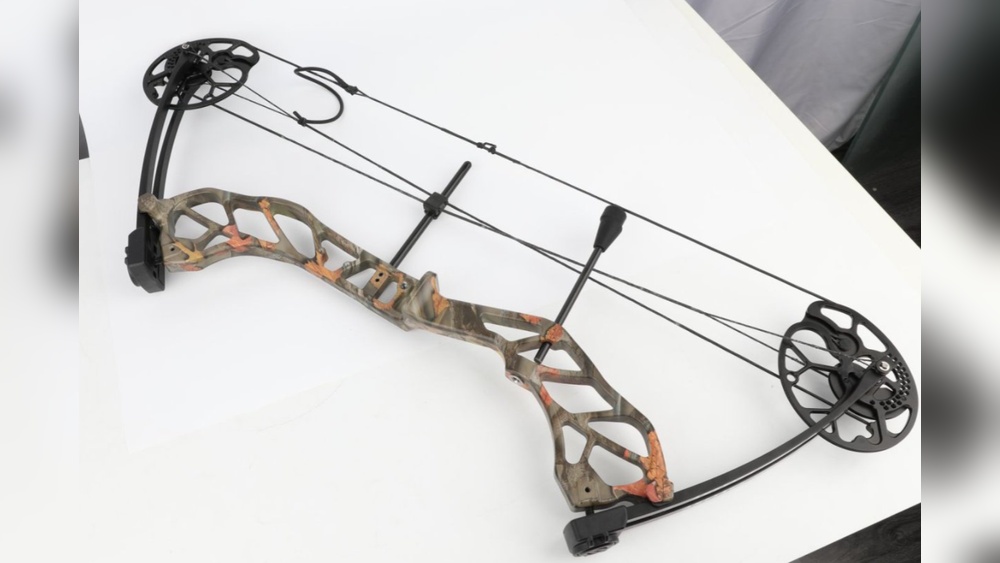
Compound bows are more efficient, delivering more power at lower draw weights due to their cams. A recurve bow at 33 lbs feels heavier than a compound at the same weight. Choose your bow type with this in mind.
8. State And Local Regulations
Some states have minimum draw weight requirements for bowfishing (often around 30 lbs). Always check local laws to ensure your setup is legal. A 33 lb bow meets most regulations in the US.
9. Draw Length Considerations
A longer draw length increases arrow speed, even at the same draw weight. If you have a shorter draw length, you might need more weight to get the same performance as someone with a longer draw.
10. Bowfishing Bow Setup
Bowfishing bows are often set for lower draw weights than hunting bows. This makes them easier to hold at full draw and faster to shoot instinctively. A 33 lb setup is common but not required.
11. Physical Fitness
Upper body strength plays a big role. If you’re strong and fit, 33 lbs will feel manageable. If not, you’ll tire quickly, which can ruin your accuracy and enjoyment.
12. Shooting Technique
Proper technique reduces fatigue. If you shoot with poor form, any draw weight will feel heavier. Practice good posture and release for the best results with a 33 lb bow.
13. Holding At Full Draw
Bowfishing often requires holding at full draw while you aim and wait for the right shot. Heavier draw weights are harder to hold steady, especially on a rocking boat.
14. Speed Versus Control
Higher draw weights send arrows faster, but they’re harder to control. For beginners, it’s better to hit consistently with less power than to miss with more.
15. Injury Risk
Shooting too heavy can cause shoulder, elbow, or wrist injuries. Listen to your body. If 33 lbs feels straining, drop down for safety.
16. Bowfishing Arrow Weight
Bowfishing arrows are heavier than hunting arrows. A 33 lb draw weight with a heavy arrow offers enough penetration for most fish but may reduce speed and range.
17. Water Refraction
Water bends light, making aiming tricky. Lower draw weights can help you shoot more accurately, as you’ll have more control and less fatigue.
18. Quick Shooting
Bowfishing often requires fast shots at moving targets. Lower draw weights are faster to pull and release repeatedly, while 33 lbs may slow your reaction time.
19. Bowfishing Reel Compatibility
Some reels, like spin-cast or drum reels, work better at certain draw weights. Check your reel’s specs to ensure it pairs well with a 33 lb bow.
20. Gear Durability
Heavier draw weights put more stress on your bow, string, and arrows. Make sure your gear is rated for 33 lbs to avoid breakage.
21. Bowfishing In Shallow Water
In shallow water, high arrow speed isn’t always needed. A 33 lb draw weight is usually more than enough for fish close to the surface.
22. Deep Water Bowfishing
Shooting deeper water requires more power to reach fish at depth. Here, 33 lbs is a good balance between penetration and shootability.
23. Fatigue Management
If you plan to fish for hours, a slightly lower draw weight (25, 30 lbs) may keep you fresh longer. At 33 lbs, consider taking breaks to avoid muscle fatigue.
24. Accuracy
Fatigue from a heavy draw weight can hurt your accuracy. Many bowfishers find their accuracy improves when they lower draw weight to something they can shoot comfortably all day.
25. Weather Conditions
Hot and humid weather increases fatigue. On these days, even 33 lbs can feel much heavier. Adjust your expectations and take weather into account when choosing draw weight.
26. Practice Sessions
Practice with your chosen draw weight before your trip. If 33 lbs feels fine in practice, it’ll likely be fine on the water. If you struggle, consider lowering the weight.
27. Cost Of Equipment
Heavier draw weights may require more expensive bows, arrows, and accessories. Entry-level bowfishing bows often max out at 30, 35 lbs.
28. Tuning For Performance
A well-tuned bow at 33 lbs will shoot more smoothly and accurately than a poorly tuned bow at any weight. Tune your setup for optimal performance.
29. Bowfishing With Friends Or Family
If you share equipment, make sure 33 lbs is comfortable for everyone. Adjustable bows are great for groups with varying strength levels.
30. Transport And Storage
Bows set to higher draw weights may be harder to store safely, especially with children around. Always unload and secure your bow when not in use.
31. Ethical Considerations
It’s important to use enough draw weight to make a clean, ethical shot. 33 lbs is generally enough to ensure humane kills on most bowfishing targets.
32. Upgrading Skills Over Time
As your strength and technique improve, you may want to increase your draw weight. Starting at 25, 30 lbs and moving to 33 lbs as you gain experience is a smart approach.
33. Personal Comfort
Ultimately, the best draw weight is what feels comfortable and lets you shoot accurately for hours. If 33 lbs works for you, it’s the right choice, if not, don’t be afraid to adjust.
Comparing Draw Weights For Bowfishing
Understanding how 33 lbs compares with other common draw weights can help you decide. Here’s a side-by-side comparison:
| Draw Weight | Ideal For | Pros | Cons |
|---|---|---|---|
| 20, 25 lbs | Youth, beginners, small fish | Easy to draw, less fatigue | Limited penetration on big fish |
| 26, 32 lbs | Most adults, common fish | Balanced power and control | May be tiring after many shots |
| 33 lbs | Experienced bowfishers, medium/large fish | Good penetration, legal in most states | Potential fatigue for some users |
| 34+ lbs | Large/tough-skinned fish, strong shooters | Maximum power | Quick fatigue, risk of injury |
How 33 Lb Draw Weight Fits Different Bow Types
Bowfishing can be done with recurve, compound, or even lever bows. Each type handles draw weight differently.
| Bow Type | Draw Weight Feel | Best Use |
|---|---|---|
| Recurve | Feels heavier at full draw | Traditionalists, simple setup |
| Compound | Easier to hold due to let-off | All-day shooting, adjustable draw |
| Lever | Efficient, unique feel | Specialty enthusiasts |
Real-world Examples
Many bowfishing guides and tournament shooters use bows set at 30, 35 lbs. This range provides enough power for most North American species without causing excessive fatigue. For example, a popular entry-level compound bow set at 33 lbs has been successfully used on species like common carp, buffalo, and gar.
Pro Tip: If you’re unsure, visit an archery pro shop. They’ll let you try bows at different weights, so you can find what feels right.
Common Mistakes To Avoid
- Starting too heavy: Many beginners overestimate their strength and start with more draw weight than they can handle.
- Ignoring fatigue: Shooting while tired leads to bad shots and can cause injuries.
- Not adjusting for conditions: Hot weather, waves, and long days all make bows feel heavier. Lower your draw weight if you struggle.
- Copying others blindly: What works for your friend may not work for you. Test and adjust for your own comfort.
Tips For Adjusting To 33 Lb Draw Weight
- Practice regularly with your bow before your trip.
- Use proper form to avoid strain.
- Take breaks during long sessions.
- Make sure your arrows and reel match your draw weight.
Is 33 Lb Draw Weight Too Much For Bowfishing?
For most adults with average strength, 33 lbs is not too much for bowfishing. It offers a good balance of power and control. However, it can be too much for younger shooters, those with injuries, or people who plan to shoot for many hours. Always prioritize comfort and accuracy over raw power.
When Should You Choose Less Than 33 Lbs?
- If you are new to bowfishing and building strength.
- If you plan to fish for extended periods.
- When targeting smaller, soft-skinned fish.
- If you share your bow with youth or smaller shooters.
When Is 33 Lb Draw Weight Ideal?
- Targeting medium to large fish like carp or gar.
- Shooting in deeper water where more power is needed.
- For experienced shooters who want more penetration.
Upgrading Your Bowfishing Setup
If you find 33 lbs comfortable, you may want to upgrade other parts of your setup:
- Use heavy-duty arrows designed for bowfishing.
- Choose a durable reel that matches your draw weight.
- Regularly inspect your string and limbs for wear.
Legal And Ethical Considerations
Always check your state’s regulations for minimum draw weight. For example, the Texas Parks & Wildlife Department requires a minimum of 30 lbs for bowfishing. Using enough draw weight ensures ethical shots and follows the law. For more detailed regulations, see Texas Parks & Wildlife.
Frequently Asked Questions
Is A 33 Lb Bow Legal For Bowfishing In All States?
Most US states allow bowfishing with bows of 33 lbs, as it exceeds the typical minimum requirement (often 30 lbs). However, some states or regions may have unique rules about equipment. Always verify with your local wildlife agency before heading out.
Can I Use A 33 Lb Bow For Both Hunting And Bowfishing?
While you can use a 33 lb bow for bowfishing, it’s often too light for hunting larger game animals. Most states require a minimum of 40 lbs for deer hunting. If you plan to do both, consider a bow with adjustable draw weight.
What Is The Best Arrow Type For A 33 Lb Bowfishing Setup?
Heavier fiberglass arrows are ideal for 33 lb draw weight bows. They provide good penetration and are durable enough for repeated shots into water and fish. Always use barbed tips designed for bowfishing to prevent losing your catch.
How Do I Know If My Draw Weight Is Too High?
If you feel shaky, tired, or struggle to hold the bow at full draw, your draw weight may be too high. Consistent short shots or missed fish can also be signs. Lower the draw weight until you can shoot comfortably and accurately for long periods.
Does The Type Of Fish Affect How Much Draw Weight I Need?
Yes, tougher and larger fish (like gar or buffalo) often require more draw weight for full arrow penetration. For smaller, soft-bodied fish, you can use lower weights. Always match your draw weight to your target species for the best results.
Choosing the right draw weight is crucial for bowfishing success. While 33 lbs is a solid choice for many, always listen to your body and adjust as needed for maximum enjoyment and safety on the water.