Is Bow Dextarity With the Hand You Draw: Archery Skills Explained
Many people who try archery for the first time have a simple question: which hand should I use to draw the bow? The answer is not always clear, especially for beginners. There are mixed opinions, cultural habits, and even different equipment types that can make things confusing. Understanding bow dexterity and the role of your drawing hand is essential, not only for comfort but for accuracy, safety, and enjoyment in archery.
Let’s break down what bow dexterity means, how it relates to your dominant hand, and why understanding this can make a big difference in your shooting experience. Whether you are just starting out or want to correct a habit, this guide will help you make the right choice based on facts and real-world experience.
What Is Bow Dexterity?
Bow dexterity refers to the way a bow is designed for a specific hand orientation. In archery, you’ll often hear about right-handed bows and left-handed bows. But this is not simply about which hand you use most in daily life; it’s about how you hold and draw the bow.
- A right-handed bow is held in the left hand and drawn back with the right hand.
- A left-handed bow is held in the right hand and drawn back with the left hand.
So, when people talk about bow dexterity, they are usually referring to which hand is used to draw the string, not which hand is holding the bow. This is a common source of confusion for beginners.
How Bow Dexterity Is Labeled
Manufacturers label bows based on the drawing hand:
- Right-handed bow: Drawn with the right hand
- Left-handed bow: Drawn with the left hand
This means if you are right-handed in archery terms, you pull the string with your right hand.
Drawing Hand Vs. Dominant Hand: Understanding The Difference
Many people assume their dominant hand (the one they use for writing) should always draw the string. While this is often true, it is not a universal rule.
Eye Dominance: A Crucial Factor
One often-missed insight is that eye dominance can play a bigger role than hand dominance in archery. Eye dominance refers to which eye provides a slightly stronger, more accurate visual input to your brain. This is important because you aim down the arrow using your dominant eye.
- Right-eye dominant: Usually better to use a right-handed bow (draw with right hand)
- Left-eye dominant: Usually better to use a left-handed bow (draw with left hand)
But sometimes, a person might be right-handed but left-eye dominant (known as cross-dominance). This can affect both comfort and accuracy.
Example: Cross-dominant Archers
In my experience, many cross-dominant archers struggle with aiming if they use a bow that matches their dominant hand but not their dominant eye. Training the non-dominant eye is difficult for most people, so using a bow that matches your dominant eye is usually the best choice.
How To Determine Your Bow Dexterity
If you’re unsure which bow to use, follow these practical steps:
- Check Your Eye Dominance
- Extend your arms and make a small triangle between your thumbs and fingers.
- Focus on a distant object through the triangle with both eyes open.
- Close one eye at a time. The eye that keeps the object centered is your dominant eye.
- Check Your Hand Dominance
- Which hand do you use for writing, throwing, or most tasks?
- Match Your Bow to Your Dominant Eye
- If your dominant eye and hand match, choose that bow dexterity.
- If they don’t, favor your dominant eye, especially for precision shooting.
Pro Tip
If you’re cross-dominant and uncomfortable with the opposite bow dexterity, try both in practice. Most beginners adapt faster to new drawing techniques than to using their non-dominant eye for aiming.
Right-handed Vs. Left-handed Bows: Key Differences
Understanding the actual differences can help you avoid mistakes when buying or borrowing equipment.
| Feature | Right-Handed Bow | Left-Handed Bow |
|---|---|---|
| Held In | Left Hand | Right Hand |
| Drawn With | Right Hand | Left Hand |
| Aiming Eye | Right Eye | Left Eye |
| Arrow Rest Position | Left side of riser | Right side of riser |
| Common Usage | Majority of archers | Smaller percentage |
Why The Design Matters
Most bows are not truly ambidextrous. The arrow rest and sight window are on specific sides for a reason. Using the wrong dexterity can cause discomfort, unsafe arrow launches, and accuracy problems.
How To Choose The Right Bow For You
The decision should be based on a mix of your physical traits and your comfort level. Here’s a step-by-step approach:
- Test Both Types: If possible, try both left and right-handed bows at a club or store.
- Prioritize Eye Dominance: Aiming is usually more natural and accurate with your dominant eye.
- Consider Future Progress: If you plan to shoot competitively, matching your bow to your dominant eye can pay off in higher scores and less frustration.
- Get Expert Advice: Instructors can spot issues with your stance, grip, and release that you might miss.
- Don’t Ignore Comfort: If using the recommended bow feels awkward or painful, ask for help or try the other type.
Common Mistakes Beginners Make
- Assuming all bows are ambidextrous
- Choosing based only on hand dominance
- Ignoring eye dominance
- Using a friend’s or relative’s bow without checking dexterity
Adjusting To A New Bow Dexterity
If you realize you’ve been using the wrong bow dexterity, switching can feel strange at first. Here’s what to expect and how to adapt:
- Muscle memory: You may feel clumsy for the first week or two. Consistent practice is key.
- Aiming adjustment: Your sight picture will change. Take time to align your arrow with your dominant eye.
- Grip and release changes: Each hand has different levels of strength and control.
Exercises To Ease The Transition
- Dry firing (without an arrow): Practice the draw and release motion to build new muscle memory.
- Mirror work: Watch your form and make minor corrections in real time.
- Short-distance shooting: Focus on technique, not distance or speed.
The Role Of Equipment In Bow Dexterity
Bows are not the only equipment affected by dexterity. Here are other items to consider:
| Equipment | Right-Handed | Left-Handed |
|---|---|---|
| Sights | Mount on left side of bow | Mount on right side of bow |
| Arrow Rest | Left side | Right side |
| Quiver | Usually right hip | Usually left hip |
| Arm Guard | Left arm | Right arm |
Upgrading Equipment
If you switch dexterity, you may need to replace or adjust these items. For example, left-handed sights are not always compatible with right-handed bows. Be sure to check before buying.
Archery Styles And Bow Dexterity
Different archery styles may influence how much dexterity matters:
- Traditional/Longbow: Some traditional bows are ambidextrous (no shelf or rest), but most are made for one hand.
- Recurve: Almost always designed for one dexterity. The sight window and arrow rest are on one side.
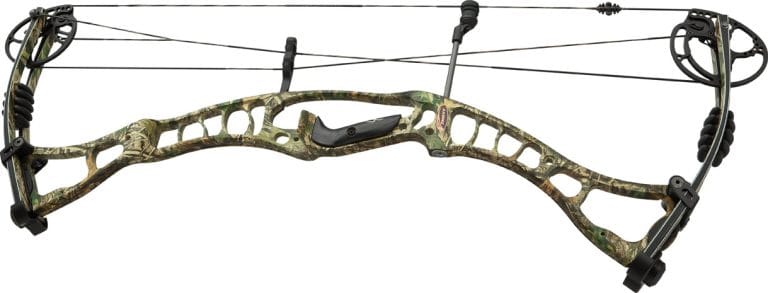
- Compound: Highly specific, cams, sights, and rests are all set for right or left-handed use.
Example: Olympic Archery
In Olympic recurve archery, almost all top shooters use bows that match their dominant eye. In rare cases, archers train themselves to use the non-dominant eye with special patches or techniques, but this is uncommon and difficult.
Left-handed Archers: Special Considerations
Left-handed people make up about 10% of the population (according to Wikipedia). But in archery, left-handed equipment is less common. This can create some unique challenges.
- Availability: Fewer choices in bows and accessories.
- Cost: Sometimes higher for left-handed gear due to limited production.
- Instruction: Some coaches are less familiar with teaching left-handed technique.
Despite these challenges, it’s important for left-handed or left-eye dominant shooters to use the correct equipment. Shooting with the wrong dexterity can lead to poor results and even injury.
Pro Tip
If you are left-handed, ask clubs or shops in advance about equipment options. Some may need to order gear or set up lanes specifically for left-handed shooters.
Handedness And Performance: What The Research Says
Several studies have looked at the effect of handedness on archery performance. While most people naturally shoot with their dominant hand, research suggests that matching the bow to your dominant eye provides better long-term accuracy and comfort.
For example, a study published in the “International Journal of Sports Science & Coaching” found that cross-dominant archers who switched to bows matching their dominant eye improved their grouping and consistency within a few months of retraining.
Non-obvious Insight: Brain Adaptation
What many beginners do not realize is that the brain can adapt to new motor patterns faster than most expect. With focused, repeated practice, switching bow dexterity, even after years, can lead to better alignment, easier aiming, and less fatigue.
Teaching Children: Should You Decide For Them?
When teaching children, the same rules apply: check both eye and hand dominance. Letting a child choose what feels natural is tempting, but guiding them toward the right dexterity can prevent frustration later.
- Test eye dominance early: Kids may not know which eye is dominant.
- Use lightweight bows: This lets them try both types without strain.
- Monitor comfort and progress: If they struggle with aiming or form, reassess dexterity choice.
Example: Youth Archery Leagues
Many youth programs now assess eye dominance before assigning equipment. This leads to better early success, higher confidence, and less dropout.
Cultural And Historical Perspectives
Historically, many cultures trained everyone to shoot right-handed, regardless of natural dominance. In countries like Korea and Japan, right-handed shooting is still the standard, even for left-handed people.
But modern coaching recognizes the benefits of matching equipment to the archer’s natural abilities. This shift has improved performance and enjoyment worldwide.
My Personal Experience With Bow Dexterity
I noticed less eye strain and more consistent shooting. This experience taught me that comfort and natural alignment matter more than habit.
Tips For Buying Your First Bow
- Try before you buy: Many shops offer demo equipment.
- Bring a friend or coach: A second opinion can help spot mistakes.
- Check return/exchange policies: In case you need to switch dexterity.
- Look for adjustable bows: Some models allow you to switch the arrow rest for left or right-handed use.
- Invest in comfort: A bow that feels good in your hands is more important than brand or style.
Frequently Asked Questions
What If I Am Ambidextrous? Which Bow Should I Choose?
If you are ambidextrous, check your eye dominance. Let this guide your decision. If both eyes are equally dominant, try both bow types and choose the one that feels more natural and accurate.
Can I Use A Right-handed Bow If I Am Left-handed?
You can, but it may not be comfortable or accurate. Most left-handed archers do better with left-handed bows, especially if they are also left-eye dominant. If you must use a right-handed bow, spend extra time working on your stance and aiming technique.
Do Professional Archers Ever Use The “wrong” Dexterity?
Some professional archers shoot with bows that do not match their dominant hand or eye, but this is rare. In most cases, they have trained for many years to overcome the challenges. Beginners should use the dexterity that matches their dominant eye for best results.
Is It Possible To Convert A Bow From Right To Left-handed?
Some traditional or youth bows are ambidextrous by design. However, most recurve and compound bows are not easily converted, because the rest and sight windows are fixed. Always check with the manufacturer before attempting a conversion.
Will Using The Wrong Bow Dexterity Cause Injury?
Using the wrong dexterity can lead to poor form, which increases the risk of muscle strain or repetitive stress injuries. If you experience pain or discomfort, stop shooting and consult an instructor or healthcare professional.
Choosing the right bow dexterity is a key step for every archer. By understanding your own eye and hand dominance, and testing both bow types when possible, you set yourself up for more enjoyable and successful shooting. Remember, the right equipment and guidance make all the difference in archery.