Is Archery a Sport? Discover the Thrills and Skills Involved
Archery often brings up images of ancient warriors, skilled hunters, or legendary figures like Robin Hood. But today, it’s just as likely to be seen at the Olympic Games or practiced at local clubs around the world. Many people ask, “Is archery a sport?
” It’s a fair question, especially since archery seems very different from common sports like soccer, basketball, or tennis. Some see it as a hobby or an art form, while others insist it’s a full-fledged sport.
The answer is more interesting than a simple yes or no. Archery’s history, physical demands, mental challenges, and international competitions all offer clues. Let’s explore what makes an activity a sport, why archery fits that definition, and why it sometimes sparks debate.
What Makes An Activity A Sport?
Before looking at archery, it helps to understand how people define the word sport. Most dictionaries describe a sport as a physical activity that involves skill and competition. But this definition has gray areas. For example, chess is often called a sport, even though it’s mostly mental. Some people think sports need lots of running or jumping, but others say accuracy and focus are just as important.
Key elements usually found in sports:
- Physical skill: Movement, strength, or control of the body
- Competition: Clear rules and a way to win or lose
- Training: Practice and improvement over time
- Organization: Leagues, tournaments, or governing bodies
If an activity checks these boxes, most experts call it a sport. Let’s see how archery matches up.
The History Of Archery As A Sport
Archery is one of the oldest human activities. People have used bows and arrows for hunting and fighting for thousands of years. But using archery for sport is also ancient. The first records of archery competitions come from China, Egypt, and England, stretching back more than 2,000 years.
In England, archery contests were popular by the Middle Ages. Kings offered prizes to the best archers, and whole towns would gather to watch. In 1900, archery became part of the modern Olympic Games. After some stops and starts, it returned for good in 1972 and has been a regular Olympic event ever since.
Archery has grown into a global sport, with national teams, world championships, and millions of fans. The World Archery Federation manages international competitions and sets the rules for events like the Olympics.
Physical Skills In Archery
Some people think archery is easy because it looks calm. But shooting a bow well requires strong physical ability.
Strength And Endurance
To pull back a bowstring, an archer uses muscles in the back, shoulders, and arms. The bow’s draw weight can range from 15 to over 50 pounds. Holding the string steady and aiming with precision takes endurance. Shooting many arrows in a row, especially in a competition, can be tiring.
Balance And Coordination
Good archers need excellent balance. They must hold their bodies steady, even as their hearts race during a match. Fine motor skills are key, as small finger movements affect each shot. Even slight shifts can send an arrow off target.
Reaction And Control
Archers must react quickly to changing wind, light, or pressure from competitors. Controlling nerves and breathing is a physical skill, too, since stress can tense muscles or shake hands.
Example: When I first tried target archery, I was surprised how quickly my arms got tired. Keeping my hand steady for each shot was much harder than it looked on TV.
Mental Demands Of Archery
Archery is not just about muscle. It is sometimes called the “mind game” of sports.
Focus And Concentration
Archers must block out distractions and focus on a small target, often from 70 meters away. In big tournaments, crowds, cameras, and even the weather can break a competitor’s concentration.
Pressure And Nerves
A missed shot can mean losing a gold medal. Handling pressure, especially in finals, is a skill archers practice for years. Visualization, deep breathing, and mental routines are part of training.
Strategy
In some forms of archery, like field or 3D archery, athletes must judge distance, wind, and elevation. Picking the right arrow or aiming point becomes a tactical decision.
Archery tests both body and mind, making it similar to other sports like shooting, golf, or curling.
Archery In International Competition
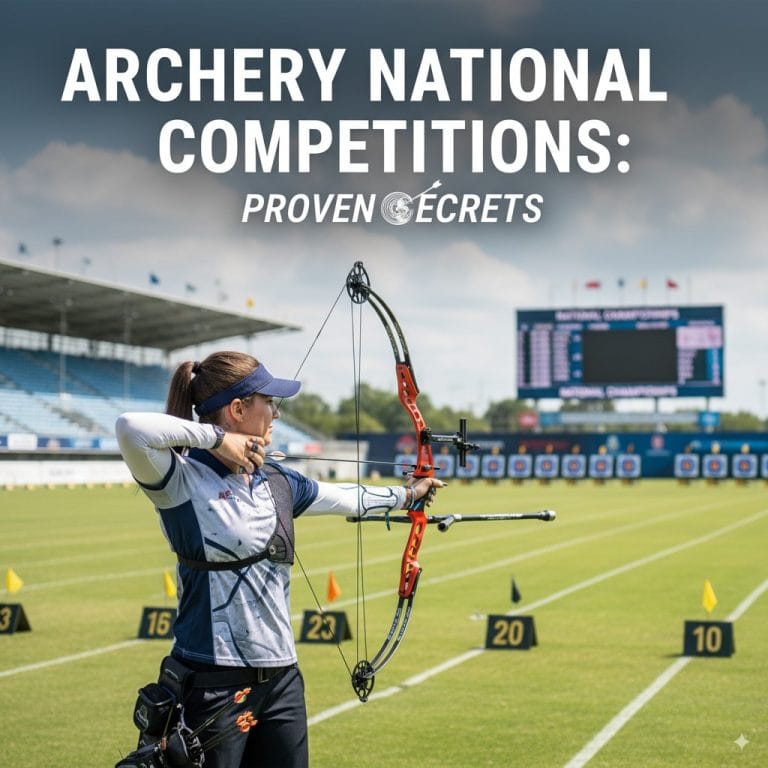
Archery is a worldwide sport with strict rules and official events. The Olympic Games are the best-known, but there are many other competitions.
Olympic Archery
Athletes shoot at a target 70 meters away. The target’s gold center is just 12. 2 centimeters wide. Top archers often hit the gold dozens of times in a row. Olympic archers train full-time, often shooting hundreds of arrows each day.
World Archery Championships
Held every two years, this event crowns world champions in different bow types: recurve, compound, and barebow. There are also team, mixed, and para-archery events.
Paralympic Archery
Archery is also a sport for athletes with disabilities. Para-archery uses adapted equipment and has its own world records and stars.
Here’s a quick comparison of major international archery events:
| Event | Bows Used | Distance | Frequency |
|---|---|---|---|
| Olympic Games | Recurve only | 70 meters | Every 4 years |
| World Championships | Recurve, Compound, Barebow | Varies (18, 70 meters) | Every 2 years |
| Paralympics | Recurve, Compound | Varies | Every 4 years |
Archery has a clear system of rules, rankings, and records, just like other recognized sports.
Training And Preparation
Elite archers do not just shoot arrows for fun. They follow strict training programs.
Daily Routines
Most professional archers practice for several hours a day. Their schedule includes:
- Shooting drills for accuracy
- Physical workouts for strength and flexibility
- Mental exercises for focus
- Reviewing video footage to improve technique
Coaching And Teamwork
While archery looks like a solo sport, coaches are essential. They help with form, equipment tuning, and motivation. National teams train together and often have sports psychologists.
Equipment Tuning
Choosing the right bow, arrows, and accessories is a science. Archers test different setups for months to find what works best for their style and body.
Here’s a look at how archery training compares with other sports:
| Sport | Typical Daily Training (hours) | Main Physical Skills | Main Mental Skills |
|---|---|---|---|
| Archery | 3, 6 | Strength, balance, coordination | Focus, calm under pressure |
| Soccer | 2, 5 | Stamina, speed, agility | Teamwork, quick decisions |
| Golf | 2, 6 | Flexibility, coordination | Patience, strategy |
| Shooting | 2, 5 | Stability, fine control | Concentration, stress control |
Pro Tip: Many beginners think practice is just shooting arrows. In reality, stretching, strength training, and mental preparation are just as important.

Credit: fittoplay.org
Archery’s Physical Benefits
Archery is more than just standing and shooting. It offers real physical benefits for people of all ages.
Building Strength
Regular archery builds upper body muscles, especially in the back and shoulders. Drawing the bow strengthens arms and improves posture.
Improving Coordination
Aiming and releasing the arrow requires fine motor control and hand-eye coordination. These skills can help in other sports and daily life.
Burning Calories
Archery may not be as intense as running, but it still burns calories. Walking to retrieve arrows, holding position, and carrying equipment all add up.
Accessibility
Archery is a sport people can start at almost any age. It’s also suitable for people with physical disabilities, thanks to adapted equipment and rules.
The Mental Benefits Of Archery
Archery doesn’t just build muscles. It’s also good for the mind.
Stress Relief
The focus needed for archery is similar to meditation. Many archers say shooting helps them relax and clear their thoughts.
Confidence
Hitting the target, especially after practice, boosts self-esteem. Archery gives a clear sense of progress as scores improve.
Patience And Discipline
Learning to shoot well takes time and careful practice. Archers develop patience, discipline, and resilience.
Social Skills
While archery can be solo, many people enjoy joining clubs or teams. This builds friendships and communication skills.
Archery As An Art And A Sport
Some people see archery as more than just a sport. The smooth draw, the calm release, and the flight of the arrow can look artistic. In Japan, Kyudo (the “way of the bow”) is as much about spiritual growth as hitting a target.
But even when practiced as an art, archery meets the key parts of sport: physical skill, competition, and training. This mix of art and sport is part of archery’s appeal.
Why Do People Debate If Archery Is A Sport?
Despite its history and Olympic status, some still argue whether archery is really a sport.
Common Arguments Against
- Not enough movement: Critics say archery does not require running or jumping.
- Too much focus on equipment: Some think technology (like advanced bows) matters more than skill.
- Perceived as a hobby: Because people do archery for fun or relaxation, they see it as a pastime.
Why These Arguments Fall Short
- Physical challenge: Archery demands strength, endurance, and fine control. These are real physical efforts.
- Skill is key: Even with the best bow, hitting the center consistently takes years of practice.
- Hobby vs. sport: Many sports can be hobbies (like tennis or golf), but that does not make them less of a sport.
The International Olympic Committee and the World Archery Federation both recognize archery as a sport. Their definition is widely accepted.

Credit: www.youtube.com
Archery Vs. Other Sports
For some, the best way to judge is to compare archery with other well-known sports.
Similarities
- Requires training and discipline
- Has official rules and competitions
- Demands both physical and mental skills
- Offers health and social benefits
Differences
- Lower impact: Archery has less running or body contact than sports like soccer or basketball.
- Focus on precision: Success depends on accuracy, not speed or strength alone.
- Solo and team formats: Archery can be both individual and team-based.
Here’s how archery stacks up against other Olympic sports:
| Sport | Main Physical Demand | Main Mental Demand | Competition Format |
|---|---|---|---|
| Archery | Strength, stability | Focus, stress management | Individual/Team |
| Track & Field | Speed, endurance | Motivation | Individual/Team |
| Swimming | Stamina | Focus | Individual/Relay |
| Shooting | Steadiness | Calmness | Individual/Team |
The Role Of Technology In Archery
Modern archery uses advanced technology, from carbon-fiber bows to laser-aligned sights. Some worry this makes it less of a sport and more about equipment.
But even with the best gear, skill matters most. A beginner with a top bow will not beat an expert using basic equipment. In fact, organizations like the World Archery Federation set strict equipment rules to keep competition fair.
Pro Tip: Don’t focus on buying the most expensive bow right away. Instead, invest in coaching and practice. Skill beats equipment every time.

Credit: archerygb.org
How To Get Started In Archery
If you’re interested in trying archery as a sport, it’s easier than you might think. Most cities have clubs or ranges where beginners are welcome.
Steps To Begin
- Find a local club: Most offer beginner courses and equipment rental.
- Take a lesson: Learning proper form from the start prevents bad habits.
- Try different bows: Test recurve, compound, or traditional styles to see what you like.
- Practice regularly: Improvement comes with steady practice.
- Join competitions: Local events are open to all levels and help build confidence.
Common Mistakes For Beginners
- Focusing only on hitting the target, not on good form.
- Using equipment that’s too heavy or advanced.
- Ignoring warm-ups and stretching.
- Not seeking feedback from experienced archers.
Pro Tip: Start with a light bow and focus on technique. This builds confidence and prevents injury.
Global Recognition And Popularity
Archery is now practiced in over 160 countries. It’s part of the Olympics, Asian Games, and Pan American Games. The sport has inspired movies, video games, and books.
Countries like South Korea, the United States, and Italy are known for strong archery teams. South Korea, for example, has won more than 20 Olympic gold medals in archery since 1984 (Wikipedia).