How Do You Know The Draw Of Your Bow
Archery is an ancient pursuit that continues to captivate modern enthusiasts, from Olympic athletes to bowhunters and casual backyard shooters. Central to accuracy, comfort, and safety in archery is knowing the draw of your bow, a concept that can make or break your shooting experience. Yet, many archers, especially beginners, find themselves puzzled about draw weight, draw length, and how these measurements influence performance. If you’re aiming for consistency and precision, understanding your bow’s draw is non-negotiable.
Whether you’re assembling your first compound bow, evaluating a traditional recurve, or fine-tuning your setup for competition, measuring and interpreting your bow’s draw is crucial. The process involves more than pulling a string, it’s about finding the synergy between your body mechanics, equipment specs, and shooting goals.
This comprehensive guide will walk you through everything you need to know about determining the draw of your bow, backed by expert insights, practical tables, and real-world examples.
Key Takeaways
- Draw length and draw weight are the two pillars of your bow’s draw; both must be matched to your body and shooting style.
- Accurately measuring your draw ensures improved accuracy, comfort, and safety.
- Different bow types (compound, recurve, longbow) have unique draw characteristics and measurement methods.
- Professional fitting and periodic reassessment of your draw are essential, especially as your skills develop.
- Choosing the wrong draw can lead to poor form, injury risk, and reduced shooting enjoyment.
- Simple tools and methods make finding your draw accessible for all archers.
Understanding The Draw: Core Concepts
Grasping the fundamentals of draw is the first step toward archery mastery. This section unpacks the key concepts underpinning draw length and draw weight.
What Is Draw Length?
Draw length refers to the distance, in inches, between the nocking point of the arrow (where it sits on the string) and the deepest part of the bow grip (the pivot point) when the bow is fully drawn. Typically, a standard addition of 1.75 inches is used to account for the release aid or fingers.
A properly matched draw length:
- Aligns your body for optimal posture
- Ensures consistent anchor points
- Maximizes arrow velocity and accuracy
What Is Draw Weight?
Draw weight is the amount of force (in pounds) required to pull the bowstring to your full draw length. The right draw weight is critical for:
- Preventing fatigue and injury
- Delivering sufficient arrow kinetic energy
- Ensuring smooth, controlled shooting
The Relationship Between Draw Length And Draw Weight
Draw weight increases as draw length increases, especially with traditional bows. Compound bows, however, have a fixed peak draw weight, which is held at full draw due to let-off. Matching both measurements to the archer is essential for comfort and performance.
Why The Draw Of Your Bow Matters
Mismatched draw length or weight can cause:
- Inconsistent shooting groups
- Poor arrow flight
- Overuse injuries (shoulder, elbow, back)
- Reduced enjoyment and confidence
Archers who shoot with a draw length that’s too long tend to overextend, losing stability, while too short a draw restricts power and form. Similarly, excessive draw weight leads to shaky shots, while too little lacks power for the target or game.

Credit: designbundles.net
Measuring Draw Length: Methods And Tools
Knowing your draw length is the foundation for selecting the right bow and tuning your form. Here, we detail the most accurate methods to measure it.
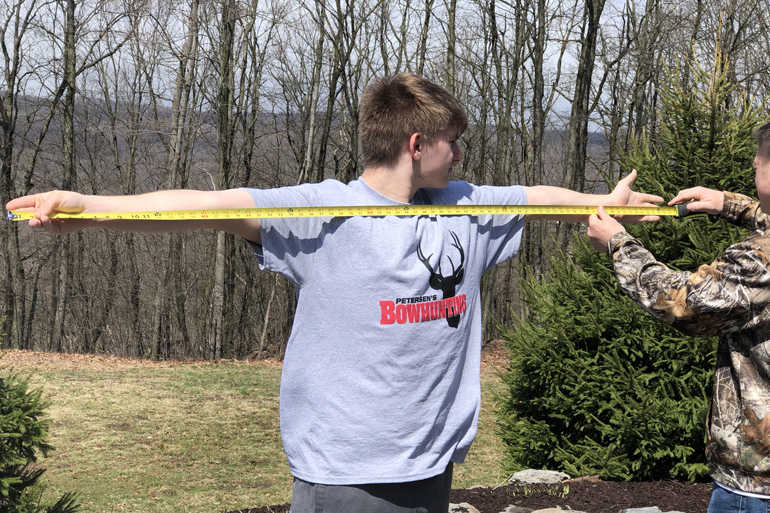
The Wingspan Method
This is the most common approach for beginners and works as follows:
- Stand upright, arms extended horizontally to your sides.
- Measure the distance from the tip of one middle finger to the other.
- Divide this number by 2.5.
Example: If your wingspan is 70 inches, your estimated draw length is 28 inches (70 ÷ 2.5).
The Arrow Mark Method
A practical method using your own bow:
- Nock an uncut arrow and draw to your natural anchor point.
- Have a friend mark the arrow at the front of the riser.
- Measure from the nock groove to the mark. Add 1.75 inches.
This accounts for your unique form and equipment.
Using A Draw Length Indicator
Archery shops and professionals use draw length indicators, which are marked arrows or specialized tools. The process is:
- Nock the indicator, draw to anchor, and read the measurement at the bow’s riser.
Table: Draw Length Estimation Methods Comparison
| Method | Accuracy | Equipment Needed | Best For |
|---|---|---|---|
| Wingspan Method | Moderate | Measuring tape | Beginners, quick estimates |
| Arrow Mark Method | High | Uncut arrow, marker | Recurve, traditional, compound archers |
| Draw Length Indicator | Very High | Indicator arrow/tool | Professional fitting |
Pro Tip:
Always measure draw length with your actual shooting posture and anchor point. Variations in stance or anchor can skew results.

Credit: www.youtube.com
Measuring Draw Weight: Practical Techniques
Determining your draw weight is just as vital as your draw length. The right draw weight matches your strength, skill, and intended use.
Using A Bow Scale
A bow scale is a specialized device that measures the force needed to draw your bow. To use:
- Attach the scale to the string.
- Draw the bow smoothly to your full draw length.
- Read the measurement in pounds.
Digital and analog scales are both available, with digital models offering more precision.
Manufacturer Specifications
Most compound bows feature adjustable draw weights, noted on the limb stickers or the owner’s manual. For recurves and longbows, the draw weight is usually stamped on the lower limb, but this is measured at a standard 28-inch draw.
Calculating Draw Weight For Traditional Bows
Draw weight increases or decreases by roughly 2-3 pounds per inch above or below the specified draw length (commonly 28 inches).
Example: If your recurve bow is rated at 40 lbs at 28 inches, but you draw 30 inches, your actual draw weight is closer to 44-46 lbs.
Table: Draw Weight Adjustment By Draw Length
| Draw Length (inches) | Recurve/Longbow (+2.5 lbs/inch) | Compound (Fixed at Peak) |
|---|---|---|
| 27 | -2.5 lbs | Peak Weight |
| 28 | Rated Weight | Peak Weight |
| 29 | +2.5 lbs | Peak Weight |
| 30 | +5 lbs | Peak Weight |
Pro Tip:
If you’re new to archery, start with a lower draw weight to master form. Gradually increase as your strength and technique improve.
Credit: www.bowhunter.com
Bow Types And How Draw Is Measured
Different bows have distinct draw characteristics, affecting how you measure and interpret draw length and weight.
Compound Bows
- Draw length is usually fixed and set via modules or cams. Compound bows have a solid “wall” at full draw.
- Draw weight is adjustable (commonly within a 10-20 lb range).
- Let-off (the reduction in holding weight at full draw) makes holding easier.
Example: A compound bow rated at 60 lbs with 80% let-off means you hold only 12 lbs at full draw.
Recurve Bows
- Draw length is not fixed; the archer determines it.
- Draw weight increases progressively as you draw further.
- More adaptable to different user arm lengths but requires careful measurement.
Longbows
- Similar to recurves, but generally more “stacking” (rapid increase in draw weight as you draw further).
- Traditional measurement at 28 inches, but personalized for the archer.
Table: Bow Type Draw Characteristics
| Bow Type | Draw Length | Draw Weight | Let-off |
|---|---|---|---|
| Compound | Fixed/Adjustable | Adjustable | Yes (up to 90%) |
| Recurve | Variable | Increases with draw | No |
| Longbow | Variable | Increases with draw | No |
Example: Real-world Bow Setup
A pro shop will measure your wingspan, set a 60-lb Hoyt compound bow’s modules for a 29-inch draw, and adjust the draw weight to 55 lbs. The setup felt vastly different than my 40-lb recurve, confirming the need to measure each bow type individually.
The Impact Of Proper Draw On Accuracy And Safety
Matching your draw length and weight to your body and experience level transforms your shooting. Here’s why:
Improved Accuracy
A correct draw length ensures that your anchor point is consistent and repeatable. This consistency translates into tighter arrow groupings and improved scores, whether on the range or in competition.
- Consistent anchor points reduce arrow scatter.
- Proper draw weight allows for smooth releases and full follow-through.
Enhanced Comfort And Endurance
Shooting with the right draw weight prevents muscle fatigue and overuse injuries. You’ll be able to practice longer without pain, and your form will remain stable even after dozens of shots.
Injury Prevention
Overdrawing (using too long or heavy a draw) strains the shoulders, back, and elbows. This risk is especially high for beginners eager to “pull more weight” than necessary. According to the American Physical Therapy Association, repetitive strain injuries are a common issue in archery, emphasizing the need for proper fitting.
Safety For Others
Incorrect draw settings can lead to equipment failures, such as string derailment or limb damage, posing risks to you and bystanders.
Example: Tournament Archer’s Experience
A competitive recurve archer switched from a 28-inch to a 27-inch draw after professional analysis. The immediate result was tighter grouping and fewer wild arrows, ultimately improving tournament performance.
Tools And Services For Measuring Bow Draw
While DIY methods are effective, professional tools and services offer unmatched accuracy, especially for high-level archers.
Archery Pro Shops
Professional shops use draw boards, scales, and custom indicators to measure and set your bow. Staff can:
- Analyze your posture and anchor point
- Adjust your bow or recommend new equipment
- Provide guidance on form and safety
At-home Tools
- Draw board: Simulates the draw cycle for accurate measurement.
- Digital bow scale: For precise draw weight readings.
- Draw length indicator arrow: For repeatable, personal measurements.
Online Calculators And Apps
Several archery manufacturers and communities offer online draw length calculators. These tools use your wingspan or body measurements to estimate ideal draw length. However, they should supplement, not replace, hands-on measurement.
Table: Tools For Measuring Draw
| Tool/Service | Purpose | Accuracy | Cost |
|---|---|---|---|
| Archery Pro Shop | Full fitting | Very High | Moderate/Varies |
| Draw Board | Draw length/weight | High | Moderate |
| Bow Scale | Draw weight | High | Low-Moderate |
| Online Calculator | Estimate draw length | Moderate | Free |
Warning:
Never dry-fire a bow (drawing and releasing without an arrow). This can damage equipment and cause injury.
How To Adjust And Fine-tune Your Draw
Knowing your ideal draw is just the beginning. Fine-tuning ensures your bow matches your evolving skills, strength, and shooting style.
Adjusting Draw Length
- Compound bows: Most feature rotating modules or replaceable cams. Adjustments require tools and sometimes a bow press.
- Recurve/longbows: Draw length is set by your personal anchor and form. Adjust by changing technique or, less commonly, grip style.
Example: A youth archer moves from a 24-inch to a 26-inch draw as they grow. Their coach adjusts the compound’s module to fit.
Adjusting Draw Weight
- Compound bows: Loosen or tighten limb bolts (usually no more than 2-4 turns from max/min).
- Recurve/longbows: Change limb sets for more or less poundage, or select a new bow.
- Pro Tip: Increase draw weight in 2-5 lb increments as your strength improves.
Regular Reassessment
Reassess your draw every 6-12 months, especially if you:
- Grow or change body composition
- Switch bow types or models
- Experience changes in strength or flexibility
Example: Hunter’s Seasonal Adjustment
Many bowhunters reduce draw weight during off-season training, then increase it before hunting to match legal requirements and arrow energy needs.
Common Mistakes And How To Avoid Them
Even experienced archers can fall into traps when measuring or selecting their draw. Here’s how to sidestep the most frequent errors.
Choosing Draw Length Based On Bow Size
Some mistakenly match draw length to bow size, not their own body. Always measure your physical draw, not the bow’s specs.
Overestimating Physical Strength
New archers often overestimate their ability to handle high draw weights, leading to poor form and frustration. Start light, focus on form, and build up gradually.
Ignoring Form And Anchor Point
Your anchor point, where your hand, string, or release sits at full draw, directly affects draw length. Inconsistent anchors create inconsistent results.
Not Factoring In Release Aids
Release aids (used in compound archery) can add length to your draw. Always measure with your intended release method.
Skipping Professional Help
DIY methods are useful, but a session with a certified coach or pro shop can reveal subtle issues and optimize your setup.
Example: Beginner’s Pitfall
A first-time archer selects a 70-lb bow based on hunting magazine advice. Fatigue and poor accuracy ensue, leading to early discouragement. Switching to a 40-lb bow with a measured draw length restores confidence and progress.
Case Studies: Real-world Scenarios
Concrete examples illustrate how measuring and adjusting draw can transform your archery experience.
Case Study 1: Youth Archer Growth
A 14-year-old archer started with a 22-inch draw and 20-lb recurve. Over two years, as they grew, their wingspan and strength increased. Annual reassessment led to a 26-inch draw and 30-lb limbs, improving accuracy and comfort.
Case Study 2: Competitive Compound Archer
A tournament shooter noticed inconsistent scores. Pro shop analysis found their draw length was 1/2 inch too long, forcing overextension. A module adjustment fixed their anchor, resulting in consistent 10-ring hits.
Case Study 3: Traditional Bowhunter
Switching from compound to longbow, a hunter found their draw weight “felt” heavier. Measurement revealed their longbow stacked more rapidly, and their natural draw length was shorter with the new grip. Adjusting form and selecting a lighter longbow restored shooting comfort.
Frequently Asked Questions
What Happens If My Draw Length Is Too Long Or Too Short?
If your draw length is too long, you may overextend your arm and shoulder, leading to instability and erratic arrow flight. Over time, this can cause joint strain and fatigue. If your draw length is too short, you might hunch or compress your form, resulting in reduced power and inconsistent anchor points. Both errors decrease accuracy and shooting enjoyment.
Can I Measure Draw Length And Weight At Home Without Special Tools?
Yes, you can use the wingspan method for a quick estimate of draw length and a basic bathroom scale for draw weight (with caution). However, these methods are less precise. For best results, use a bow scale and a marked arrow, or visit a professional shop for accurate fitting.
How Often Should I Check Or Adjust My Draw?
Reassess your draw length and weight at least once a year, or whenever you experience changes in body size, strength, or shooting style. If you switch bow types or notice form inconsistencies, schedule a reassessment sooner.
Does Arrow Length Depend On Draw Length?
Absolutely. Arrow length should be matched to your draw length, typically 1-2 inches longer for safety and optimal performance. Using arrows that are too short is dangerous, while overly long arrows may reduce efficiency and speed.
Where Can I Find More Resources On Bow Fitting And Archery Technique?
For comprehensive information, visit Archery 360’s Bow Fit Guide or consult the Wikipedia Archery Page. Local archery clubs and certified coaches are also valuable resources for hands-on instruction.
Properly understanding the draw of your bow sets the foundation for every arrow you release. By investing the time to measure, fit, and periodically adjust your bow’s draw, you’ll see tangible improvements in accuracy, comfort, and safety. Whether you’re new to archery or refining your skills, the right draw ensures every shot is as satisfying as it is successful.