How to Determine Your Bow Draw Weight: 5-10 Shot Test
Find your ideal bow draw weight with one test: if you can shoot 5-10 clean shots in a row without your arm shaking or your form breaking down, the weight is right for you. Start too heavy and you get target panic, inconsistent releases, and fast fatigue; start light and build up as your strength improves. This guide covers the test itself, typical starting ranges by age and gender, and how draw length factors into the number.
Understanding Bow Draw Weight
First things first, what exactly is “draw weight”? Simply put, it’s the amount of force, measured in pounds, required to pull the bowstring back to your full draw length. Imagine it as a resistance you feel when you’re getting ready to shoot. This number is usually stamped on the bow’s limbs. For example, a bow might be labeled “50-60 lbs,” meaning it can be adjusted within that range.
Why is this number so important? Because it directly impacts your ability to draw the bow smoothly, hold it steady, and release the arrow cleanly. A draw weight that’s too high for you will force you to muscle the shot, leading to inconsistencies. On the other hand, a weight that’s too low might not provide the performance you’re looking for, though it’s always better to start lighter and build up your strength.
The Difference Between Compound and Recurve Bows
It’s important to know that draw weight might feel a little different depending on the type of bow you’re using.
- Recurve Bows: These are the classic, traditional bows. When you draw a recurve bow, the resistance increases steadily all the way to full draw. There’s no let-off, so you’re holding the full weight of the bow at full draw.
- Compound Bows: These bows have a system of cams and pulleys. This system transfers energy and makes the bow feel easier to hold at full draw. They have a “let-off” percentage, which means you only hold about 60-80% of the peak draw weight once you’re at full draw. This makes them more forgiving for holding steady.

Why the Right Draw Weight Matters for Accuracy
Achieving accuracy in archery is a dance between your form, your equipment, and your mental focus. The draw weight of your bow plays a starring role in this performance. If the draw weight is too high for your strength, you’ll likely encounter a few common issues:
- Target Panic and Form Breakdown: When you struggle to pull the string back, your body often compensates in awkward ways. This can lead to jerking motions, dropping your bow arm, or not anchoring consistently. These all severely impact your aim.
- Difficulty Holding Steady: Holding a bow at full draw requires a steady hand and arm. A weight that’s too taxing will make your muscles shake, making it impossible to hold your sight pin or arrow rest steady on the target.
- Inconsistent Releases: Fighting the draw weight can cause you to rush your shot or “pluck” the string instead of executing a clean, surprise release. This inconsistency sends arrows flying in unpredictable directions.
- Increased Fatigue: Shooting with a bow that’s too heavy will tire you out quickly. This means fewer practice shots and less opportunity to build muscle memory and refine your technique effectively.
Conversely, choosing a draw weight that’s appropriate for your strength allows for:
- Consistent Form: You can draw the bow smoothly, anchor at the same spot every time, and maintain proper posture without undue strain.
- Stable Aiming Platform: You can hold your aim on the target for a second or two longer, allowing for a more precise shot.
- Clean Releases: With less effort to hold the bow back, you can focus on a smooth, surprise release, which is key to accuracy.
- Endurance: You can shoot for longer periods, allowing for more practice and skill development without excessive fatigue.
How to Determine Your Bow Draw Weight: A Step-by-Step Guide
Finding your ideal draw weight involves a bit of self-assessment and, ideally, some hands-on testing. Here’s how you can approach it:
Step 1: Understand Your Physical Capabilities
This is about being honest with yourself. What’s your general fitness level? Are you accustomed to physical activities that involve pulling or lifting? While archery strength is unique, this gives you a baseline.
Consider these factors:
- Age and Gender: While not definitive, these can offer general starting points. For instance, adult male beginners might start around 40-50 lbs, while adult females might start around 25-40 lbs, especially with compound bows. These are just rough guidelines, and individual strength varies greatly.
- Previous Archery Experience: If you’ve shot before, think about what felt comfortable and what didn’t.
- General Strength and Stamina: If you work out regularly, you might have more strength. If you’re new to physical exertion, it’s best to begin on the lighter end.
Step 2: Start with a Lighter Bow (If Possible)
The best way to find your draw weight is to try different ones. If you have access to a pro shop or archery range, ask to try bows with different draw weights. If you’re buying your first bow and unsure, it is always recommended to start lighter. A bow that’s too light is forgiving; a bow that’s too heavy can lead to injury and bad habits.
If you’re looking at a compound bow, ask about its let-off. A 50 lb compound bow with 75% let-off means you’re only actually holding 12.5 lbs at full draw (50 lbs 0.25 = 12.5 lbs). This is very manageable! A recurve bow of the same peak weight will feel significantly heavier at full draw because there’s no let-off.
Step 3: The “Test Shot” Method
Once you have access to a bow, here’s how to test it:
- Grip the bow: Hold the bow naturally, not too tight, to avoid gripping fatigue.
- Draw the bow: Bring the string back smoothly to your anchor point (where you consistently place your drawing hand on your face).
- Hold: Try to hold the draw for about 5-10 seconds.
- Shoot: Release the arrow with a controlled, clean shot.
Pay attention to how your body feels during these steps:
- Did your arm shake excessively?
- Did you have to strain or “muscle” the string back?
- Could you maintain your anchor point without your hand drifting?
- Did you feel any sharp pain in your shoulder, arm, or back?
- Could you hold the draw for at least 5 seconds without significant discomfort?
For a beginner, the ideal draw weight is one that allows you to perform these steps cleanly for 5-10 shots consecutively without fatigue or excessive strain showing in your form. You should feel a slight challenge, but not complete exhaustion or pain.
Step 4: Consult with Experts
A visit to a reputable archery shop is invaluable. The staff are experienced and can:
- Measure your draw length accurately (critical for determining your shooting mechanics and recommended draw weight).
- Observe your shooting form.
- Recommend bows and draw weights based on your physical assessment and goals.
- Let you try various bows to feel the difference.
Reputable archery shops often have treadmills for drawing bows, allowing them to measure the peak draw weight you can comfortably handle. For instance, a place like Lancaster Archery Supply, a well-known archery retailer, often has knowledgeable staff who can guide you.
Step 5: Gradual Progression
Once you find a comfortable draw weight, stick with it! Practice regularly. As your strength and technique improve, you might find yourself wanting more. When you can shoot 20-30 arrows comfortably with perfect form and no fatigue, it might be time to consider a slightly heavier draw weight. This gradual increase is key to building sustainable strength and maintaining accuracy.
Here’s a general guideline for typical draw weights, but remember, this is highly individual:
| Bow Type | Beginner Male Ages 16+ (approx.) | Beginner Female Ages 16+ (approx.) | Youth Ages 10-15 (approx.) | Notes |
|---|---|---|---|---|
| Compound Bow (Peak Weight) | 40-50 lbs | 25-40 lbs | 15-30 lbs | Let-off reduces holding weight significantly. |
| Recurve Bow | 30-45 lbs | 20-30 lbs | 10-25 lbs | Actual draw weight is held at full draw. |
Important Note: These are starting points. Some individuals may need lighter or heavier weights. Always prioritize comfort and form over published guidelines.
Measuring Your Draw Length: A Crucial Step
Before you can even think about draw weight, getting your draw length right is paramount. Your draw length is the distance from the deepest part of your bow grip to your anchor point when the bow is fully drawn. It’s specific to you and directly affects how the bow performs and how much force you’re applying.
Here’s a common method to measure it:
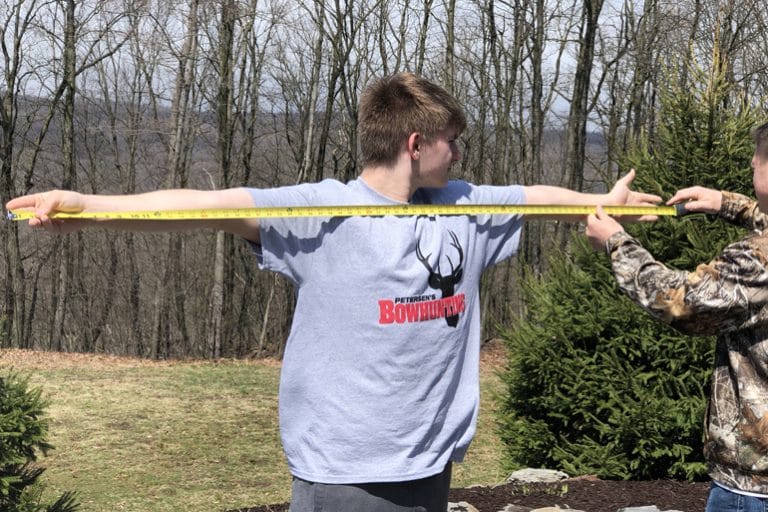
- Arm Span Method: Stand with your arms outstretched, palms facing forward. Measure the distance from the tip of one middle finger to the tip of the other. Divide this number by 2.5. This gives you an estimated draw length in inches. For example, if your arm span is 60 inches, your estimated draw length is 24 inches (60 / 2.5 = 24).
- Bow Method (if you have one): With a bow, carefully draw it back to your normal anchor point. Have a friend measure from the throat of the grip (where the string attaches to the riser) to your trigger finger (for a compound bow) or the knuckle of your nocking hand (for a recurve bow).
A correct draw length ensures that you are applying the intended draw weight of the bow at your anchor point. If your draw length is too short or too long for a particular bow, the draw weight you experience can be inaccurate, and your shooting consistency will suffer greatly.
Common Pitfalls to Avoid
As you navigate the process of finding your draw weight, keep an eye out for these common mistakes beginners often make:
- “Going Big” Without Thought: The temptation to choose a high draw weight, thinking it means more power and better results, is strong. Resist it! As we’ve discussed, this is the fastest way to develop bad habits and hinder your progress.
- Ignoring Pain: Any sharp or persistent pain is a sign that something is wrong. This could be your draw weight, your form, or even the bow itself. Don’t push through pain; consult an expert or try a lighter bow.
- Not Practicing Enough with the Right Weight: Once you’ve found a good starting draw weight, commit to it. Consistent practice builds the specific muscles needed for archery and refines your form.
- Focusing Solely on Peak Weight (Compound Bows): Remember the let-off! The comfort of a compound bow comes from that let-off, not just the peak stated weight.
- Neglecting Draw Length: It’s easy to overlook, but an improper draw length will make any draw weight feel wrong and negatively impact everything from your shot to your accuracy.
Building Strength for Archery
Once you’ve found a comfortable draw weight and started practicing, you might notice your strength increasing. This is fantastic! However, it’s wise to build archery-specific strength gradually and safely. You don’t need to become a bodybuilder, but a little focused effort can go a long way.
Exercises to Consider:
- Resistance Band Pull-Aparts: Excellent for rear shoulder and upper back muscles crucial for drawing and holding.
- Rows (Dumbbell or Machine): Strengthen the back muscles involved in the drawing motion.
- Shoulder Rotator Cuff Exercises: Using light weights or bands, these help with shoulder stability and injury prevention.
- Grip Strength Exercises: Squeezing hand grippers can help improve your ability to hold the bow securely without over-gripping.
- Core Strengthening: A strong core provides a stable base for your entire body while shooting.
Always remember to warm up before exercises and to consult with a fitness professional if you have any underlying health conditions. The goal isn’t just raw power but controlled strength and endurance in the specific muscles used for archery.
Best Draw Weight Scale Pick
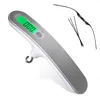
Digital Bow Scale for Draw Weight – $12.99
This guide says draw weight is usually stamped on the limbs, but a scale confirms the real number after any adjustments — this digital model reads up to 110 lbs.
- Best for: confirming the actual draw weight you are pulling, not just the stamped number
- Why we picked it: digital LCD readout removes guesswork from a manual scale
- Main drawback: still needs a slow, steady pull at your real anchor point for an accurate reading
Compare more draw weight and strength-building gear
 Option 1 Resistance Band Trainer – $15.99
|  Option 2 Grip Strengthener (5-Pack) – $9.99
|  Option 3 Bow Draw Training Aid – $24.99
|
As an Amazon Associate we earn from qualifying purchases.
When to Consider Increasing Your Draw Weight
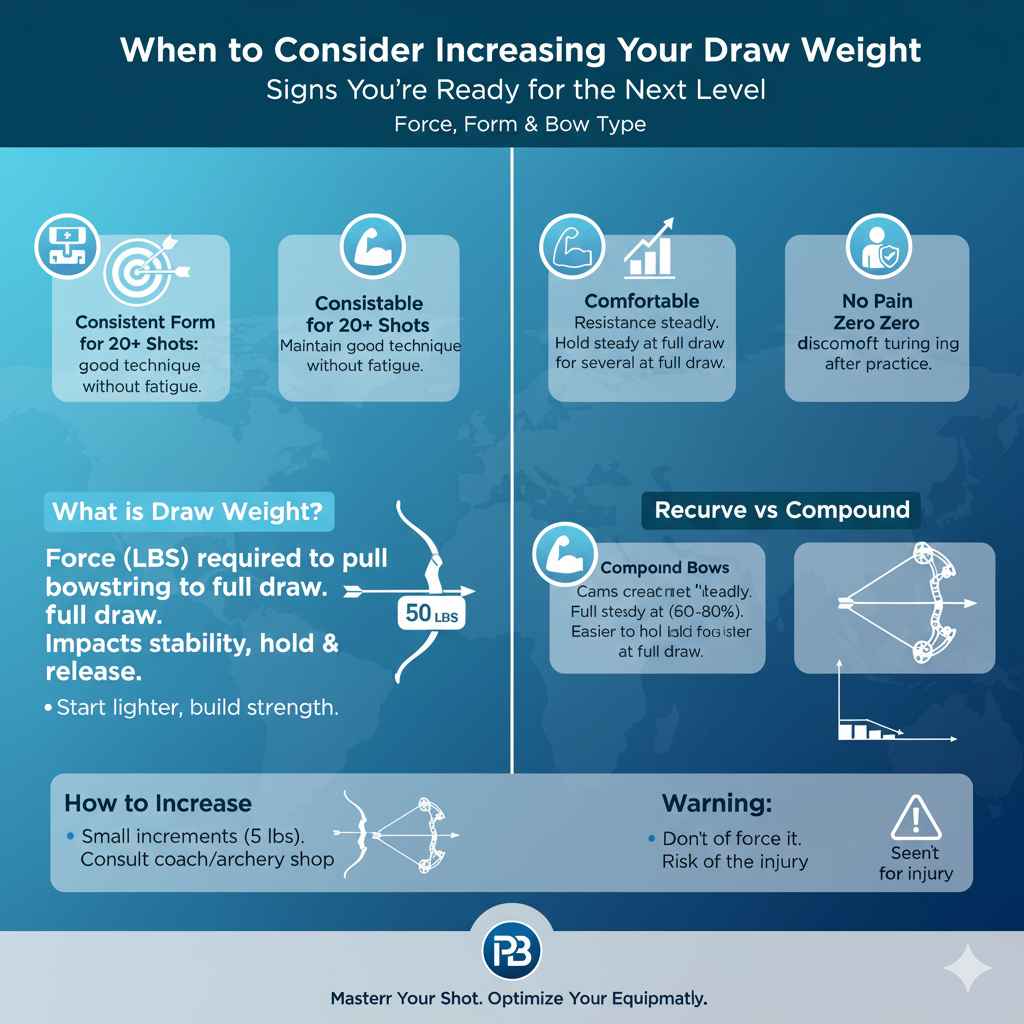
Increasing your draw weight isn’t a race. It’s a milestone that signifies your progress and readiness. Here are signs that you might be ready to move up:
- Consistent Form for 20+ Shots: You can shoot a full quiver of arrows (say, 12-20) consistently, maintaining good form throughout, without significant fatigue or muscle shake.
- Comfortable Holding Weight: Holding your current bow at full draw feels almost second nature. You can hold it steady for several seconds without your drawing arm or shoulder shaking noticeably.
- Desire for More Performance: You feel your current bow is no longer challenging enough, and you’re ready to explore the power and potential of a slightly heavier draw weight for increased arrow speed or distance capabilities.
- No Pain: You have experienced zero pain or unusual discomfort in your shooting arm, shoulder, or back during or after practice sessions.
When you decide to increase, do so in small increments. For compound bows, this might mean increasing the peak weight by 5 lbs. For recurve bows, it might mean moving to a similarly incremented set of limbs if your bow is modular. It’s wise to consult with your archery shop or a coach when making this transition.
Frequently Asked Questions (FAQ)
Q1: Is it okay to buy a bow that’s a little too heavy for me, thinking I’ll “grow into it”?
A: It’s strongly advised against this. Starting with a bow that’s too heavy can lead to poor shooting form, inconsistent accuracy, muscle strain, and potentially injury. It’s always better to start lighter and build up strength with proper technique. You’ll develop better habits and enjoy the process much more.
Q2: How do I know if my draw length is correct?
A: Your draw length is correct when, at full draw, you can comfortably reach your chosen anchor point on your face (e.g., corner of your mouth, jawline) with a straight or slightly bent drawing elbow pointing back, not out to the side. Your bow arm should be firm but not locked straight. An archery shop can measure this precisely for you.
Q3: Can I use a compound bow’s draw weight as a comparison to a recurve bow’s draw weight?
A: No, not directly. A compound bow’s stated draw weight (e.g., 50 lbs) is the peak* weight. Due to the let-off system, the actual weight you hold at full draw is much lower (e.g., 10-15 lbs for 75-80% let-off). A 50 lb recurve bow requires you to hold the full 50 lbs at full draw, which feels significantly heavier than a 50 lb compound bow.
Q4: What if I have an injury or joint issues?
A: If you have any existing injuries or joint concerns, especially in your shoulders, elbows, or wrists, it’s crucial to consult with your doctor or a physical therapist before starting archery. You may need to use a significantly lighter draw weight or specific adaptive equipment. Archery can be adapted for many individuals, but safety and health come first.