How Do You Shoot Your Bow In Subsistence
In the wilds of survival, few tools balance simplicity, reliability, and self-sufficiency like the bow. For those who rely on nature to provide, mastering the bow is more than a hobby, it’s a vital subsistence skill. Whether you’re hunting for food in remote Alaska, supplementing your diet off the grid, or preserving time-honored traditions, understanding how to shoot your bow for subsistence is a critical, lifelong journey.
But this isn’t just about loosing arrows at a target. True subsistence archery requires technical precision, deep knowledge of your gear, respect for your environment, and the ability to adapt to changing conditions. In this guide, you’ll find a comprehensive, actionable approach to shooting your bow for sustenance, from equipment selection and shooting technique to fieldcraft, legal considerations, and real-world examples that highlight why bow skills remain essential for those living close to the land.
Key Takeaways
- Proper bow selection and setup is foundational for successful subsistence hunting.
- Mastery of shooting technique directly impacts accuracy, ethical harvesting, and resource efficiency.
- Understanding local regulations and ethical principles is crucial for sustainable, legal subsistence.
- Field preparation, tracking, and recovery skills are as important as marksmanship.
- Real-world examples demonstrate the critical role of archery in modern and traditional subsistence.
- Continuous practice and adaptation are required for long-term success in changing environments.

Credit: www.youtube.com
Understanding Subsistence Bow Hunting
Subsistence bow hunting is the practice of using archery equipment to harvest wild game primarily for food, rather than for sport or recreation. This approach is deeply rooted in the history of indigenous cultures and continues to serve as a lifeline for remote and rural communities worldwide.
The Role Of Bow Hunting In Subsistence Lifestyles
For many, particularly in regions like Alaska, the bow is more than a weapon, it’s a vital tool for providing protein, managing wildlife populations, and maintaining cultural identity. Unlike sport hunting, subsistence hunting is motivated by necessity, with every shot representing a potential meal. According to the Alaska Department of Fish and Game, over 40,000 rural residents participate in subsistence activities annually, with archery playing a significant role in some communities.
Legal And Ethical Frameworks
Hunting regulations vary significantly by location. In the United States, federal and state agencies manage subsistence hunting to ensure sustainability and fairness. For example, Alaska’s subsistence hunting laws prioritize rural residents and require specific permits. Hunters must also adhere to ethical principles: take only what is needed, avoid waste, and respect both the animal and the environment. For detailed legal guidance, consult your state wildlife agency or visit the U.S. Fish & Wildlife Service.
Types Of Bows Used In Subsistence
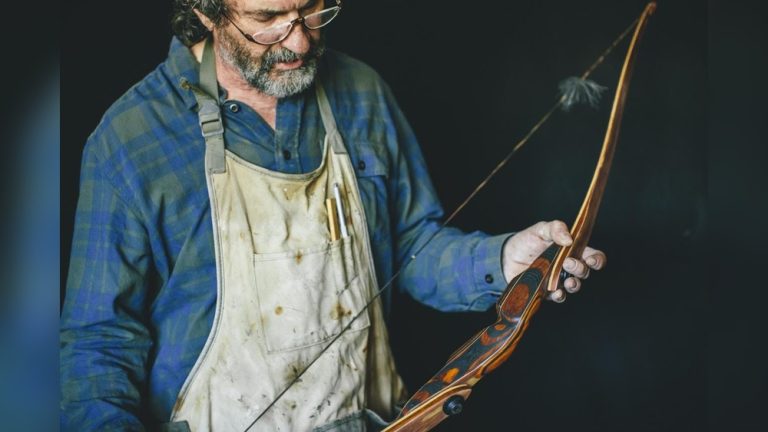
While modern compound bows are popular, many subsistence hunters rely on recurve and longbows for their simplicity and reliability. These traditional bows are less prone to mechanical failure and can be crafted or repaired in the field if necessary.
Example: In remote regions of Canada, Inuit hunters have historically used self-made bows fashioned from local materials, demonstrating how adaptability is crucial to subsistence living.
Game Species Commonly Hunted
The choice of game depends on location, legal restrictions, and seasonal availability. Common subsistence targets include:
- Deer (white-tailed, mule, black-tailed)
- Elk
- Small game (rabbit, grouse, squirrel)
- Caribou
- Wild turkey
- Waterfowl (in some jurisdictions)
Selecting the right bow and arrows for the species you intend to pursue is a foundational step in the process.
Selecting And Preparing Your Bow For Subsistence
The right equipment can mean the difference between a clean harvest and a missed opportunity. Subsistence hunting demands bows and accessories that are reliable, maintainable, and suited to the local environment.
Key Factors In Bow Selection
When choosing a bow for subsistence, consider the following:
- Draw weight: Heavier draw weights deliver more energy but require greater strength. For big game, a draw weight of 40-60 lbs is typical.
- Bow type: Recurve and longbows are favored for their durability and ease of maintenance, while compound bows offer mechanical advantages but are more complex.
- Portability: Lightweight, takedown bows are ideal for travel and multi-day hunts.
- Weather resistance: Wood and traditional materials may suffer in wet conditions, while modern composites are more resilient.
Essential Accessories
- Arrows: Carbon or aluminum shafts are durable; wooden arrows are traditional but require more care.
- Broadheads: Fixed-blade broadheads are preferred for reliability and penetration.
- Quiver: Back or hip quivers keep arrows accessible and protected.
- Bow stringer: Essential for safely stringing traditional bows.
Pro Tip: Always carry a spare string and field repair kit, especially when hunting far from civilization.
Bow Maintenance And Field Repairs
Routine maintenance is critical. Wax strings regularly to prevent fraying, check limbs for cracks, and ensure all fastenings are secure. In my experience, keeping a compact tool kit with string wax, Allen wrenches, and glue has saved many hunts from ending prematurely due to minor equipment failures.
Comparison Table: Bow Types For Subsistence
| Bow Type | Advantages | Disadvantages | Best Use Case |
|---|---|---|---|
| Recurve | Simple, reliable, easy to repair | Less energy at same draw weight | Traditional, remote settings |
| Longbow | Silent, durable, historical authenticity | Requires skill, large size | Open terrain, large game |
| Compound | High accuracy, let-off reduces holding weight | Complex, can fail mechanically | Accessible areas, mixed terrain |
Credit: www.forestsnews.org
Mastering Shooting Technique For Subsistence
Consistent shooting technique is essential for ethical, efficient harvesting. Unlike target archery, subsistence shooting often occurs under stress, in unpredictable conditions, and with minimal margin for error.
Stance And Body Alignment
A stable, repeatable stance is the foundation of accurate shooting. Stand perpendicular to your target, feet shoulder-width apart. Keep your shoulders relaxed, and align your body so your dominant eye is directly over the arrow’s path.
- Square stance: Both feet parallel to the target; ideal for open ground.
- Open stance: Lead foot slightly back; provides better rotation and balance on uneven terrain.
Grip And Draw Mechanics
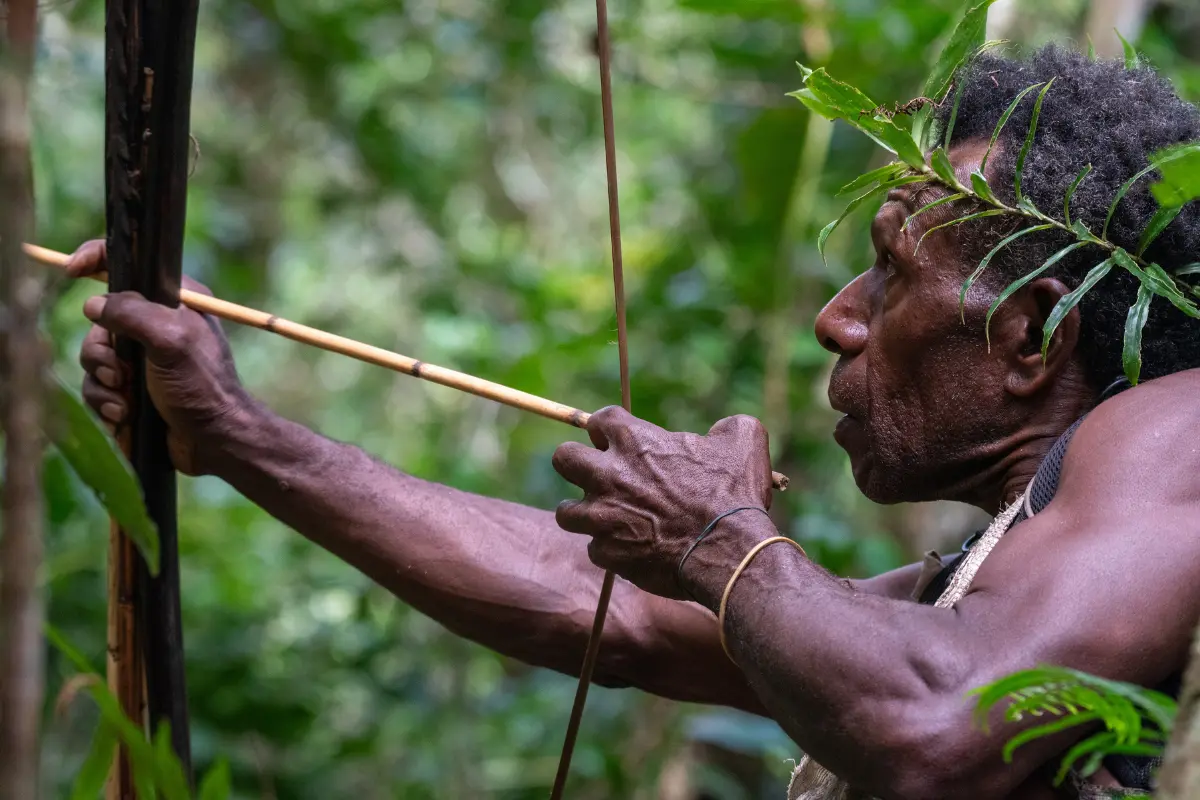
Grip the bow lightly with your non-dominant hand. Too tight a grip can torque the riser and throw off your shot. Draw the string smoothly, keeping your elbow high and pulling with your back muscles, not just your arm.
- Anchor point: Consistency is vital. Anchor the string at the same spot on your face (corner of mouth, chin, or cheekbone) for each shot.
Aiming Without Sights
Many subsistence hunters use instinctive or “gap” shooting, relying on muscle memory and visual cues rather than mechanical sights. This method is faster and less prone to failure in field conditions.
- Instinctive shooting: Focus entirely on the target, letting your subconscious guide the arrow.
- Gap shooting: Mentally “gap” the tip of your arrow below the target at various distances.
Release And Follow-through
Release the string smoothly, avoiding any jerking motion. Maintain your stance and bow arm position until the arrow strikes. This follow-through ensures proper arrow flight.
Example: During a backcountry hunt in the Pacific Northwest, a seasoned archer attributed his consistent harvests to daily practice of a smooth, controlled release, critical for short-range shots in dense forest.
Practicing Real-world Scenarios
- Practice in varied terrain, different weather, and shooting from awkward positions.
- Simulate hunting situations: Shoot from kneeling, behind obstacles, or in low light.
Pro Tip: Use stumps, logs, or natural cover during practice to mimic real hunting challenges.

Credit: www.youtube.com
Fieldcraft: Tracking, Stalking, And Ethical Harvest
Expert marksmanship alone does not guarantee success. Subsistence hunters must also master fieldcraft: the skills that allow you to locate, approach, and harvest game efficiently and ethically.
Reading Sign And Locating Game
- Tracks: Learn to identify fresh tracks of your target species.
- Droppings, bedding, and feeding areas: These indicate recent animal activity.
- Listening and observation: Animals often betray their presence through sounds or movement.
Stalking Techniques
- Move slowly and quietly, using wind direction to your advantage.
- Wear camouflage or neutral colors to blend with your environment.
- Use natural cover (trees, rocks) to break up your outline.
Shot Placement And Ethics
A quick, humane kill is a matter of respect and efficiency. Study the anatomy of your target species and aim for the vital zone (heart-lung area).
- Broadside shot: Offers the largest target area and highest chance of a clean kill.
- Quartering away: Allows for deep penetration into vital organs.
Warning: Avoid risky shots (head, neck, running animals) to prevent unnecessary suffering and wasted meat.
Recovery And Field Processing
After a successful shot, track the animal carefully. Blood trails, tracks, and disturbed vegetation help you locate downed game. Efficient field dressing and meat care are essential to prevent spoilage, especially in warm climates.
Data Table: Common Game And Optimal Shot Placement
| Species | Vital Zone Size (inches) | Recommended Draw Weight | Best Shot Angle |
|---|---|---|---|
| White-tailed Deer | 8-10 | 40-50 lbs | Broadside |
| Elk | 12-14 | 50-60 lbs | Quartering away |
| Rabbit | 2-3 | 25-35 lbs | Head/neck (small game tips) |
| Wild Turkey | 4-5 | 35-45 lbs | Broadside (wing butt) |
Environmental Awareness And Safety
Subsistence bow hunting requires deep environmental awareness, not only for successful harvests but for personal safety and long-term sustainability.
Adapting To Weather And Terrain
- Wet conditions can warp wooden bows and affect arrow flight; choose gear accordingly.
- Snow and mud leave clear animal sign but may impede movement.
- Dense brush requires shorter bows and quick, instinctive shooting.
Example: In Arctic Alaska, bowhunters adapt by using laminated bows resistant to moisture and by wearing insulated clothing that allows for full draw motion even in subzero temperatures.
Wildlife Hazards And Survival Skills
- Be alert to the presence of predators (bears, wolves) attracted by game scent.
- Carry basic survival gear: Fire starter, map, compass, first aid kit.
- Inform someone of your hunting plans and estimated return.
Leave No Trace And Conservation Ethics
Practicing leave no trace principles is vital. Pack out all waste, minimize disturbance to habitats, and follow local guidelines for carcass disposal. Sustainable hunting ensures wildlife populations remain healthy for future generations.
Navigational Tools And Technology
While traditional skills are primary, modern GPS units, mapping apps, and rangefinders can aid in navigation and shot placement, especially in unfamiliar territories.
Pro Tip: Always carry a backup compass and physical map in case batteries fail.
Real-world Examples And Case Studies
Examining real-world cases highlights the practical realities and rewards of subsistence bow hunting.
Case Study 1: Alaskan Moose Hunt
In 2020, a rural Alaskan family relied on subsistence hunting for over half their annual meat intake. Using a traditional recurve bow, the family patriarch successfully harvested a moose during the short fall season. Preparation included months of target practice, scouting, and gear checks.
The meat provided over 400 pounds of protein, enough to sustain the family through the harsh winter.
Case Study 2: Pacific Northwest Small Game
A group of off-grid homesteaders in Washington state use bows exclusively for small game. Their approach emphasizes silent, low-impact hunting. By perfecting their stalking and marksmanship, they routinely harvest rabbits and grouse, supplementing their garden produce with lean, wild protein.
Case Study 3: Indigenous Knowledge Preservation
In the Yukon Territory, First Nations youth programs teach traditional bow making and hunting skills as a means of cultural preservation. Elders mentor students in respectful hunting practices, reinforcing the connection between sustainable harvest and community well-being. The use of bows, rather than firearms, is seen as a way to maintain traditions and minimize noise disturbance.
Key Lessons From The Field
- Consistent practice, year-round, is essential for proficiency.
- Community knowledge sharing enhances safety and success.
- Adapting to local conditions, such as snow cover or migration patterns, maximizes efficiency.
Comparing Subsistence Archery To Other Methods
Archery offers distinct advantages and challenges when compared to other subsistence hunting tools like firearms, snares, and fishing gear.
Table: Comparison Of Subsistence Harvest Methods
| Method | Stealth | Portability | Maintenance | Legal Restrictions | Noise Impact |
|---|---|---|---|---|---|
| Bow | High | Moderate | Low | Moderate | Very Low |
| Firearm | Moderate | High | Moderate | High | High |
| Snare/Trap | Very High | Very High | Low | High | None |
| Fishing Gear | High | Moderate | Low | Low | Low |
Strengths Of Archery
- Stealth: Bows are nearly silent, allowing for multiple opportunities.
- Simplicity: Fewer moving parts mean less risk of breakdown.
- Regulatory flexibility: In some areas, bows are allowed where firearms are not.
Limitations
- Range: Effective hunting range is typically under 40 yards.
- Learning curve: Requires significant practice and skill.
- Energy: Arrows may not deliver as much kinetic energy as bullets, demanding precise shot placement.
For a comprehensive look at hunting regulations and gear, see the National Wild Turkey Federation.
Sustaining Your Skills: Practice, Community, And Adaptation
Shooting your bow for subsistence is not a static skill, it evolves with experience, environment, and changing regulations.
Year-round Practice
- Set up a safe backyard range or use public ranges where available.
- Practice from multiple distances and positions.
- Incorporate “cold shots” (first arrow of the day) to simulate hunting pressure.
Community And Mentorship
- Join local archery clubs or traditional hunting organizations.
- Exchange knowledge with experienced subsistence hunters.
- Participate in skills workshops and community hunts.
Adapting To Change
Environmental conditions, wildlife populations, and legal frameworks shift over time. Stay informed about local game trends, habitat changes, and updates to hunting regulations.
Pro Tip: Keep a hunting journal to track patterns, successes, and lessons learned each season.
Example: Resilience In Challenging Seasons
During an unusually harsh winter, one Alaskan subsistence hunter shifted from bowhunting moose to focusing on snowshoe hare. Adapting arrowheads and stalking techniques allowed continued food harvest despite changing conditions.
Frequently Asked Questions
What Is The Minimum Draw Weight Required For Subsistence Hunting?
The minimum draw weight depends on local regulations and target species. For big game like deer or elk, most states require a bow with at least 40 pounds of draw weight. For small game, lighter bows (25-35 lbs) are sufficient.
Always check with your state wildlife agency for current legal requirements.
Are Traditional Bows Better Than Compound Bows For Subsistence?
Traditional bows (recurve, longbow) offer simplicity and ease of repair, making them ideal for remote or rugged settings. Compound bows provide greater accuracy and reduced holding weight, but they are more complex and may be difficult to repair in the field.
The best choice depends on your environment, skill level, and personal preference.
Can I Use Homemade Arrows For Subsistence Bow Hunting?
Homemade arrows can be effective if crafted with care and tested thoroughly. Use quality shafts, properly fletched feathers, and sharp, reliable broadheads. However, commercially produced arrows often provide greater consistency and durability, especially in challenging conditions.
How Do I Maintain My Bow During Extended Field Hunts?
Regularly inspect strings and limbs for wear. Wax the string to prevent fraying and moisture absorption. Store your bow in a dry place, and use a bow sock or case to protect it from the elements. Carry a small repair kit with spare string, nocks, and tools for on-the-spot fixes.
Is Bow Hunting For Subsistence Legal Everywhere?
No, bow hunting regulations vary widely by country, state, and even local jurisdiction. Some areas restrict the use of bows for certain game or require special licenses and permits. Always consult local laws and obtain necessary documentation before hunting for subsistence.
Mastering the bow for subsistence is a journey of skill, respect, and adaptability. By blending technical proficiency with fieldcraft and ethical stewardship, you can harvest wild game responsibly and sustain yourself from the land. Whether you are reviving ancient traditions or forging a new path off-grid, shooting your bow for subsistence connects you deeply with the rhythms of nature and the wisdom of self-reliance.