How To Be A Better Bow Shooter
Mastering the art of bow shooting is both a physical and mental journey. Whether you’re an aspiring archer, a bowhunter, or a seasoned competitor, refining your shooting technique can dramatically improve your accuracy, consistency, and enjoyment of the sport. The difference between a good and a great bow shooter often comes down to nuanced habits, a commitment to continual learning, and understanding how to optimize every aspect of your equipment and form.
Bow shooting isn’t just about hitting the bullseye, it’s about discipline, focus, and the ability to adapt under pressure. With advances in bow technology and an ever-growing body of knowledge about biomechanics, archers have more tools than ever to fine-tune their skills.
This comprehensive guide breaks down actionable strategies, expert tips, and real-world examples to help you become a better bow shooter, whether you shoot traditional, compound, or recurve bows.
Key Takeaways
- Proper stance, grip, and anchor point are foundational for consistent accuracy.
- Equipment tuning and regular maintenance prevent technical issues and enhance performance.
- Mental focus and visualization techniques can significantly boost shooting consistency.
- Analyzing your shot process with video or expert coaching accelerates improvement.
- Real-world practice scenarios better prepare you for hunting or competition conditions.
- Incorporating physical fitness and flexibility exercises helps maintain optimal form.
Building A Solid Foundation: Form And Technique
An archer’s form is the bedrock of every shot. Developing reliable mechanics is the first step toward becoming a more effective bow shooter.
Stance And Posture
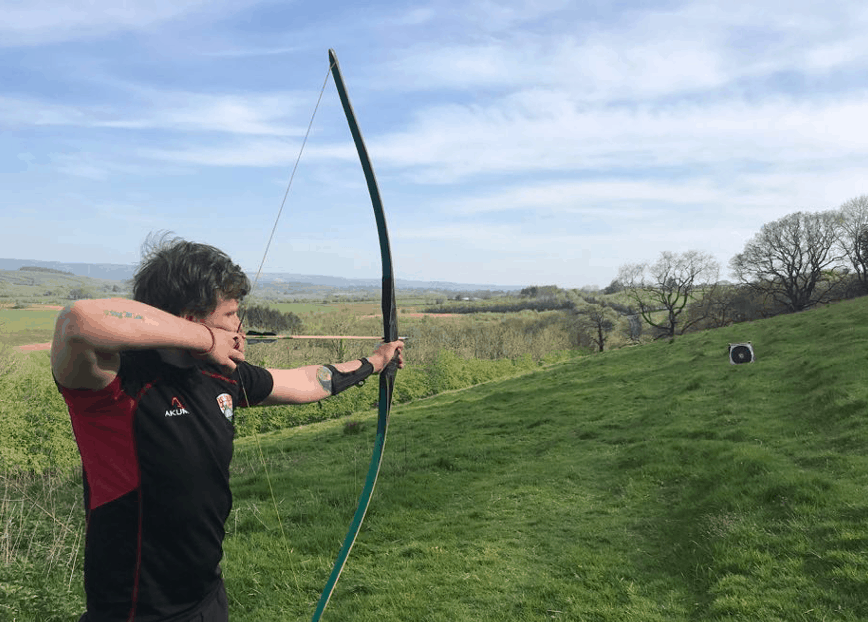
Your stance sets the tone for your entire shot cycle. Stand shoulder-width apart, perpendicular to the target, and distribute your weight evenly. Relax your knees and maintain a slight forward lean, which helps with balance. A stable base minimizes unnecessary movement and provides the support needed for a repeatable shot.
Example: Olympic archers consistently use an open stance, adjusting foot positioning slightly to accommodate personal comfort and range conditions.
Proper Grip
A common cause of poor accuracy is torquing the bow due to an improper grip. Place the bow handle in the “lifeline” area of your palm, keeping your fingers relaxed and avoiding excessive pressure. This minimizes side-to-side movement and helps the bow naturally pivot after release.
Pro Tip: Use a bow sling to relieve the urge to grip tightly, letting the bow rest naturally in your hand.
Anchor Point Consistency
Your anchor point, the specific spot where your drawing hand settles at full draw, should be identical for every shot. Common anchor points include the corner of the mouth or the tip of the nose. Small deviations here can cause significant variances in arrow impact.
Example: Top compound archers often use a kisser button or nose button to reinforce a consistent anchor.
Aiming And Sight Alignment
Whether you use sights or shoot instinctively, consistent aiming is crucial. For sighted shooters, align the sight pin with the target while keeping both eyes open to improve depth perception. For instinctive archers, focus on a spot on the target and trust your muscle memory developed through repetition.
The Release
A smooth, controlled release is essential for accuracy. For finger shooters, practice a relaxed, surprise release by slowly increasing back tension until the string slips off your fingers. Mechanical release aids should be triggered by steady pressure, not a conscious punch.
Follow-through
Don’t drop your bow arm or move your head immediately after releasing the arrow. Maintain your form until the arrow hits the target. Follow-through ensures your shot isn’t disrupted at the last moment and builds good muscle memory.
Credit: archerygb.org
Equipment Optimization: Tuning And Maintenance
The best shooters pair sharp technique with perfectly tuned gear. Equipment that matches your needs and is well maintained contributes directly to better performance.
Bow Selection And Setup
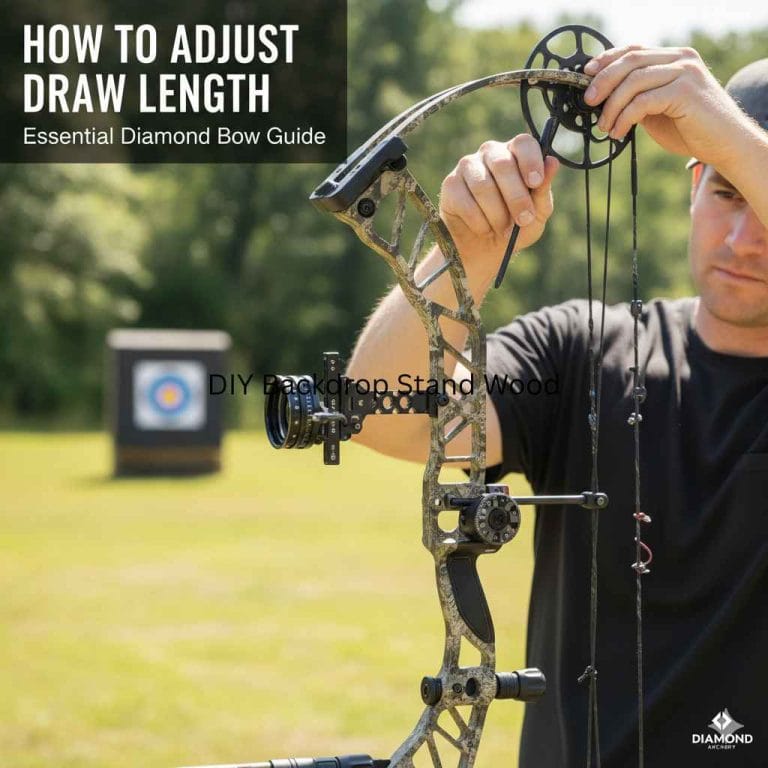
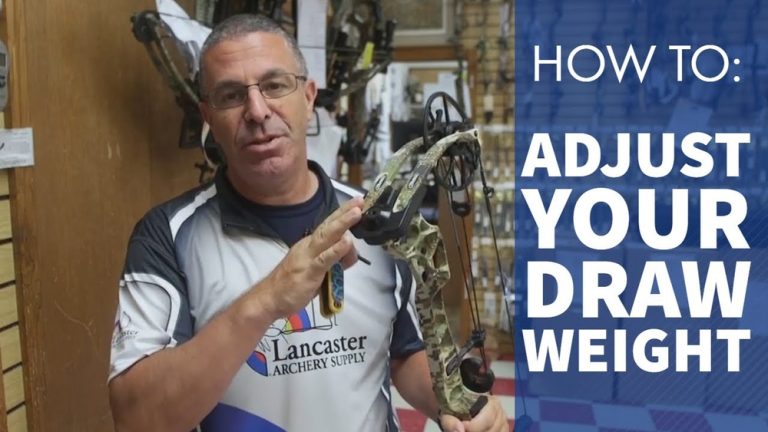
Choosing the right bow, compound, recurve, or traditional, depends on your goals. Ensure the draw weight and draw length are appropriate for your strength and body dimensions. Over-bowed archers often develop poor habits due to fatigue.
Example: A 28-inch draw length suits most average-sized adults, but minor adjustments can make a significant difference in comfort and consistency.
Arrow Selection
Arrow spine (stiffness), length, and tip weight must complement your bow’s specifications. Improperly matched arrows can cause erratic flight and reduced accuracy. Consult manufacturer charts or use an arrow spine tester for precision.
Tuning Your Bow
Regularly check and adjust your nocking point, center shot, and arrow rest. Paper tuning and walk-back tuning are effective methods to identify and fix arrow flight issues.
| Tuning Method | Purpose | Recommended For |
|---|---|---|
| Paper Tuning | Checks arrow flight at close range | All bow types |
| Walk-Back Tuning | Aligns rest for group consistency at various distances | Compound bows with sights |
| French Tuning | Fine-tunes horizontal rest alignment | Target archers |
Routine Maintenance
Keep your bow in peak condition by regularly inspecting strings and cables for wear, lubricating cams, and checking limb bolts. Replace worn components promptly to avoid equipment failure and maintain shot-to-shot consistency.
Pro Tip: Create a maintenance log to track string replacements, tune-ups, and major adjustments.
Accessories Matter
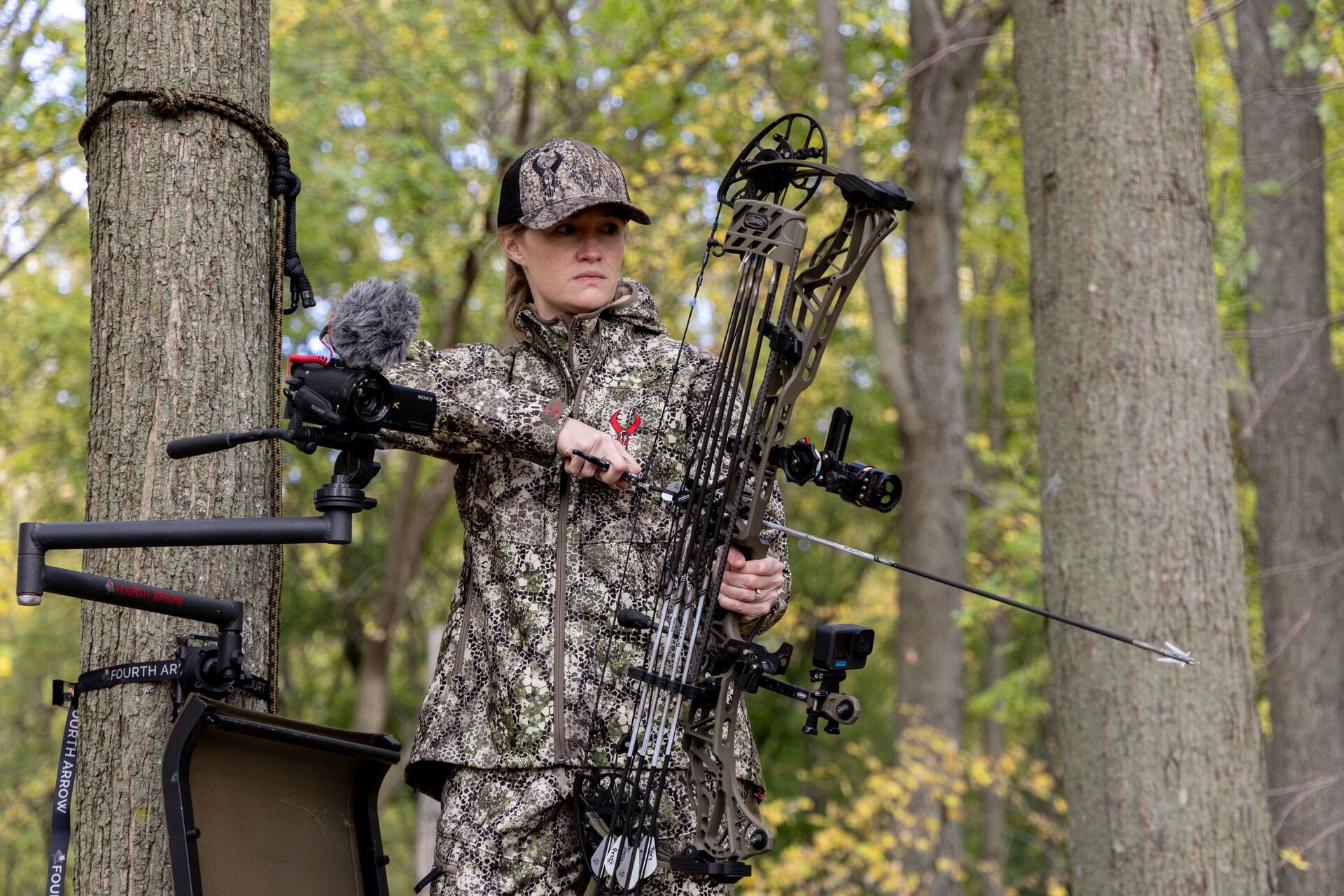
Stabilizers, peep sights, and release aids can enhance stability and comfort. Experiment with different setups to find what best complements your shooting style.
Credit: www.ilearntohunt.com
Perfecting The Mental Game
Bow shooting is as much mental as it is physical. Cultivating the right mindset can be the difference between average and exceptional performance.
Visualization Techniques
Before drawing your bow, mentally rehearse each step of your shot process. Visualize the arrow’s path and a successful hit. This primes your mind for consistency and reduces performance anxiety.
Example: Elite archers often employ visualization before competitions, imagining themselves executing perfect shots under pressure.
Managing Target Panic
Target panic, the inability to hold the sight steady on the target or execute a smooth release, is a common challenge. Strategies to overcome this include:
- Blind bale shooting (shooting at a close target with eyes closed to focus on form)
- Using a surprise release aid
- Incorporating relaxation and breathing exercises
Focus And Routine
Establish a pre-shot routine to anchor your focus. This might include a series of breaths, checking grip pressure, or a quiet affirmation. A repeatable routine helps transition your mind into “shoot mode,” filtering out distractions.
Handling Pressure
Whether in competition or hunting scenarios, external pressure can disrupt form. Practice under simulated stress, timed ends, friendly contests, or shooting in front of others, to acclimate to high-stakes situations.
Example: A collegiate archer shared that practicing with loud distractions and time constraints helped her maintain composure during tournaments.

Credit: www.youtube.com
Effective Practice Strategies
Quality practice trumps quantity. Structured, goal-oriented sessions accelerate improvement and reinforce positive habits.
Setting Smart Goals
Define Specific, Measurable, Achievable, Relevant, and Time-bound (SMART) goals for each practice. For example, “Group six arrows within a 3-inch circle at 20 yards within two weeks.”
Drills For Consistency
Incorporate targeted drills:
- Blank bale shooting: Focuses on form without aiming
- Walk-back shooting: Tests sight calibration and form at increasing distances
- Scoring rounds: Simulates competition conditions
Tracking Progress
Maintain a shooting journal, recording session details, scores, and insights. Video analysis is invaluable, review footage to identify form breakdowns and improvements.
| Practice Drill | Focus Area | Recommended Frequency |
|---|---|---|
| Blank Bale | Form and release | Every session |
| Walk-Back | Sight calibration | Weekly |
| Scoring Rounds | Pressure simulation | Bi-weekly |
Simulating Real-world Scenarios
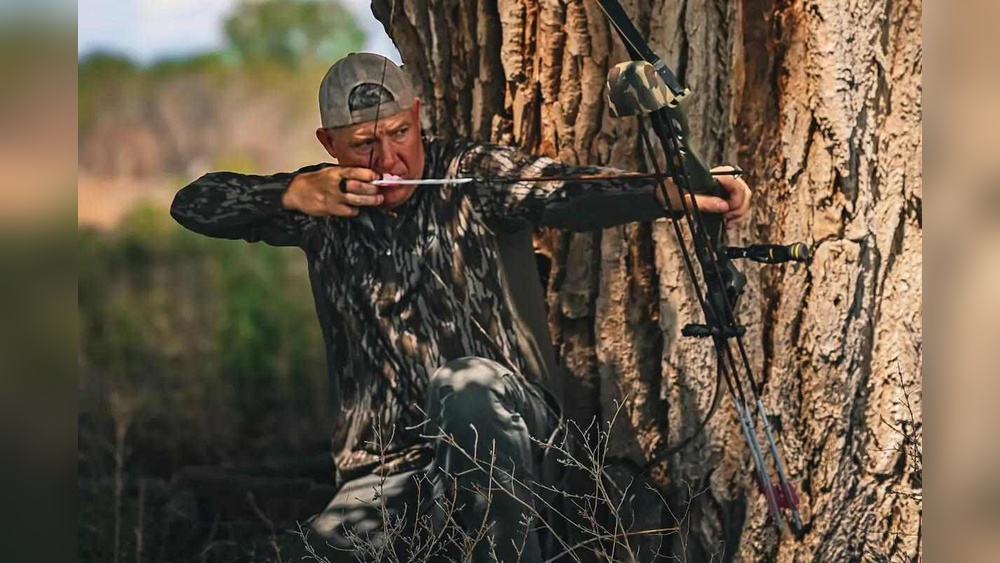
For bowhunters, practice from treestands or in low-light conditions. For target archers, introduce timed ends or shoot in variable weather. Real-world simulations enhance adaptability and build confidence.
Physical Preparation And Conditioning
A strong, flexible body supports repeatable, accurate shooting. Neglecting physical conditioning can undermine even the best technique.
Strength Training
Focus on upper back, shoulders, and core. Exercises like rows, planks, and resistance band pulls build the endurance needed for long practice sessions.
Flexibility And Mobility
Stretching enhances range of motion, reducing injury risk and supporting a smooth draw. Pay particular attention to the shoulders, chest, and neck.
Cardiovascular Health
Improved cardio fitness helps maintain steadiness during long competitions or hunts, especially in challenging terrain.
Injury Prevention
Listen to your body, rest when fatigued, and address pain early. Chronic overuse injuries are common among archers who ignore warning signs.
Pro Tip: Integrate yoga or Pilates for a blend of strength, flexibility, and body awareness.
Leveraging Technology And Coaching
Modern archers have unprecedented access to tools that accelerate skill development. Combining self-analysis with expert guidance leads to faster gains.
Video Analysis
Use a smartphone or dedicated camera to record your shot from multiple angles. Review footage for:
- Head movement
- Anchor point consistency
- Release mechanics
Even subtle issues are easier to spot on video than in real time.
Mobile Apps And Digital Tools
Apps like Coach’s Eye or Artemis Archery provide slow-motion playback, shot tracking, and detailed analytics. Some even sync with Bluetooth-enabled bows for real-time feedback.
Working With A Coach
A qualified archery coach identifies inefficiencies, prescribes targeted drills, and helps break bad habits. The USA Archery website maintains a directory of certified coaches.
Example: When I tested my form changes with a coach’s real-time feedback, my group sizes shrank noticeably within a month.
Peer Feedback And Community
Engage with local clubs or online forums to exchange tips and experiences. Constructive peer feedback can spark breakthroughs you might miss on your own.
Real-world Examples And Case Studies
Learning from others’ journeys can illuminate common pitfalls and effective solutions.
Example: Overcoming Form Slumps
A recreational archer noticed his groups widening unexpectedly. After reviewing video and consulting a coach, he discovered inconsistent anchor points due to fatigue. By adjusting his practice volume and focusing on anchor drills, his accuracy rebounded.
Example: Bowhunting Success Story
A bowhunter struggled with low-light shots. By practicing at dusk and experimenting with larger sight pins, he increased his confidence and harvested his first deer under challenging conditions.
Example: Competitive Edge
A high school archer plateaued in tournament scores. Incorporating mental training, specifically visualization and pre-shot routines, helped her break through, resulting in a podium finish at her next event.
Comparing Bow Types: Compound Vs. Recurve Vs. Traditional
Choosing the right bow style impacts your shooting experience and progression. Here’s a comparison of the main types:
| Bow Type | Key Features | Ideal For | Learning Curve |
|---|---|---|---|
| Compound | Cams for let-off, sights, mechanical releases | Hunting, target archery | Moderate |
| Recurve | Curved limbs, finger release, optional sights | Olympic, traditional target archery | Steep |
| Traditional (Longbow) | Straight limbs, instinctive shooting | Traditionalists, field archery | Steepest |
Pro Tip: Try multiple bow types at a local pro shop to find the best fit for your physique and interests.
Advanced Tips For Consistent Improvement
Once you’ve mastered the fundamentals, focus on these advanced strategies to reach the next level.
Fine-tuning Arrow Flight
Experiment with fletching types, point weights, and broadhead tuning to optimize arrow stability and grouping.
Environmental Adaptation
Learn to read wind, light, and terrain. Adjust your sight or aim point in response to changing conditions. Experienced archers practice in varied weather to build adaptability.
Nutrition And Hydration
Fueling your body properly improves focus and stamina. Dehydration or low blood sugar can quickly lead to form breakdowns, especially during long events.
Mindful Breathing
Incorporate controlled breathing techniques to steady your aim and heart rate. Exhale slowly as you settle into your anchor point before release.
Competing And Learning From Others
Participate in local tournaments or leagues. Exposure to new shooters and formats accelerates learning and builds resilience under pressure.
Example: Archers who regularly compete in club shoots report faster improvement and higher motivation than those practicing solo.
Frequently Asked Questions
What Is The Best Way To Fix Inconsistent Arrow Grouping?
Inconsistent groups often stem from minor variations in form or equipment. First, check your anchor point and grip for consistency. Then, inspect your equipment, arrows must be matched in spine and weight, and your bow should be properly tuned. If issues persist, consider video analysis or a session with a certified coach.
How Often Should I Replace Bowstrings And Cables?
The lifespan of bowstrings varies, but most manufacturers recommend replacement every 1-2 years or every 2,000 shots, whichever comes first. Signs of wear include fraying, stretching, or changes in peep rotation. Always follow the guidance of your bow manufacturer and consult a pro shop for installation.
Can Dry Firing A Bow Cause Permanent Damage?
Yes, dry firing, releasing the string without an arrow, can severely damage your bow. The energy meant to propel the arrow is absorbed by the limbs and cams, often resulting in cracks or catastrophic failure. If you accidentally dry fire, inspect your bow immediately and have it checked by a qualified technician.
What Are The Most Common Mistakes Beginners Make?
Some frequent beginner errors include gripping the bow too tightly, inconsistent anchor points, shooting with an overpowered draw weight, and neglecting regular equipment maintenance. Focusing on fundamentals and seeking early feedback can help prevent these issues.
Is It Worth Investing In Professional Coaching?
Absolutely. According to a survey by the Archery Trade Association, archers who engaged with certified coaches improved their accuracy and enjoyment more quickly than those who self-taught. Even a few sessions can yield significant insights and accelerate your progress. For more information, visit the USA Archery official website.
Bow shooting is a lifelong pursuit, blending physical skill, mental discipline, and continual learning. By building a solid technical foundation, optimizing your gear, training your mind, and seeking out quality feedback, you’ll see tangible improvements in your accuracy and confidence. Embrace each challenge as an opportunity to grow, and remember: every arrow is a chance to become a better bow shooter. For further reading, consult the Wikipedia Archery page for a broader overview of the sport’s history and techniques.