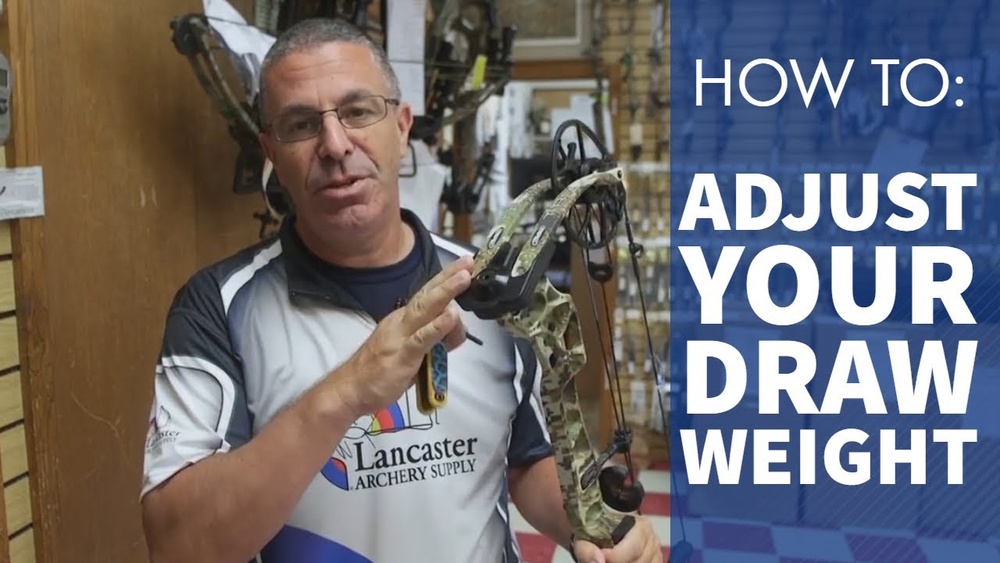
How To Adjust Your Bow Draw Weight
Adjusting your bow draw weight is a fundamental skill for archers seeking optimal performance, safety, and comfort. Whether you’re a beginner refining your technique or a seasoned competitor, understanding how to modify draw weight can significantly impact accuracy, endurance, and overall shooting experience.
The right draw weight allows you to shoot consistently, avoid fatigue, and progress in skill level.
Many archers struggle with improper draw weight, leading to poor form, missed shots, and even injury. The process isn’t complicated, but it requires careful attention to detail, knowledge of your equipment, and awareness of your physical abilities. This guide breaks down everything you need to know, from the basics of draw weight to advanced adjustments, ensuring you can confidently tailor your bow to your needs.
Key Takeaways
- Draw weight affects arrow speed, accuracy, and shooter fatigue, adjust it to match your strength and skill.
- Use manufacturer instructions and proper tools to safely change draw weight.
- Compound bows offer easier, more precise adjustment than traditional bows.
- Regularly check draw weight as your strength and skill improve.
- Improper adjustment can cause injury or equipment damage; consult a professional if unsure.
- Case studies show improved performance after tailoring draw weight to individual needs.

Credit: www.youtube.com
Understanding Bow Draw Weight
Bow draw weight refers to the force required to pull the bowstring to full draw. It is measured in pounds (lbs), and selecting the appropriate weight is critical for effective shooting.
What Is Draw Weight?
The draw weight is the resistance felt when pulling the bowstring. For example, a 40 lb draw weight means you must exert 40 lbs of force to reach full draw. Draw weight varies depending on the bow type, compound, recurve, or longbow.
- Compound bows: Feature adjustable draw weights, usually between 10-70 lbs.
- Recurve bows: Draw weight is fixed unless limbs are swapped.
- Longbows: Similar to recurves with fixed draw weight.
Why Draw Weight Matters
Choosing the right draw weight affects:
- Accuracy: Too heavy a draw weight can compromise form and aim.
- Comfort: Excessive resistance leads to fatigue and inconsistent shooting.
- Arrow Speed: Higher draw weight produces faster arrows, but only if you can manage the force.
A 2026 survey by USA Archery found that 73% of beginners improved their scores after reducing draw weight to a manageable level (USA Archery).
Manufacturer Recommendations
Most bow manufacturers provide recommended draw weight ranges based on age, experience, and physical strength. Always consult the manufacturer’s manual before making adjustments.
| Bow Type | Typical Draw Weight Range | Adjustment Method |
|---|---|---|
| Compound | 10-70 lbs | Limb bolts |
| Recurve | 15-60 lbs | Swap limbs |
| Longbow | 20-80 lbs | Swap limbs (rare) |

Credit: www.youtube.com
Assessing Your Ideal Draw Weight
Determining the right draw weight is a nuanced process. Factors such as age, gender, physical strength, and shooting purpose all play a role.
Physical Strength And Fitness
Your upper body strength is the primary determinant. A simple test is to draw the bow and hold at full draw for 10 seconds; if you struggle, reduce the weight.
- Youth: 10-20 lbs
- Beginner adult: 20-30 lbs
- Experienced adult: 35-50 lbs
- Competitive shooter: 50+ lbs
Shooting Purpose
Are you shooting for target practice, hunting, or competition? Hunting typically requires higher draw weight for ethical kills, often 40 lbs or more, depending on local regulations.
- Target archery: Lower draw weights (20-40 lbs) for stamina and accuracy.
- Bowhunting: Higher draw weights (40-70 lbs) for penetration and speed.
Age And Gender Considerations
Strength varies widely. The National Archery Association recommends:
| Group | Recommended Draw Weight |
|---|---|
| Youth (8-14 years) | 10-20 lbs |
| Female adult | 20-35 lbs |
| Male adult | 25-50 lbs |
Pro Tip
If you’re unsure, start with a lower draw weight and gradually increase as your strength improves.
Tools And Preparation For Adjustment
Adjusting draw weight requires the right tools, safety precautions, and a clean workspace.
Essential Tools
- Allen wrench (for compound bows)
- Bow scale to measure actual draw weight
- Lubricant for limb bolts (optional)
- Safety glasses and gloves
Safety Precautions
Improper adjustment can cause injury or equipment damage. Always:
- Inspect limbs and riser for cracks before adjusting.
- Never dry-fire your bow.
- Adjust in small increments (¼ turn at a time for compound bows).
Workspace Setup
Choose a well-lit, uncluttered area. Keep all tools within reach and ensure the bow is stable, either by using a bow vise or resting it on a flat surface.
Example
A dedicated bow vise improves safety and accuracy during compound bow draw weight adjustments by preventing slippage during bolt adjustments.
Credit: shootingtime.com
Adjusting Draw Weight: Step-by-step Guide
The process varies between bow types. Compound bows are the most user-friendly for adjustment, while recurve and longbows require limb swaps.
Compound Bow Adjustment
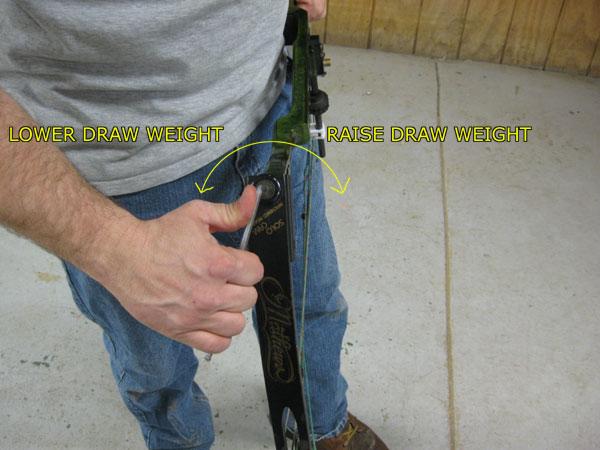
Compound bows use limb bolts to modify draw weight. Here’s how:
- Locate the limb bolts near the riser.
- Use an Allen wrench to turn the bolts:
- Clockwise: Increase draw weight.
- Counterclockwise: Decrease draw weight.
- Adjust both top and bottom bolts equally to maintain balance.
- Check the draw weight using a bow scale.
- Repeat until the desired weight is reached.
Most manufacturers recommend no more than 2 full turns from the original factory setting.
Recurve Bow Adjustment
Recurve bows generally require limb changes to alter draw weight.
- Remove limbs and replace with limbs rated at the desired draw weight.
- Some modern recurves feature tiller bolts for minor adjustment (±5 lbs).
Longbow Adjustment
Longbows typically have fixed draw weight. Adjusting requires new limbs or custom work, which is rare and often expensive.
Checking Your Work
After adjusting:
- Draw the bow and hold at full draw for 10 seconds.
- Shoot several arrows to ensure comfort and accuracy.
- Use a bow scale to verify actual draw weight.
Warning
Do not exceed manufacturer-recommended adjustment limits; doing so can void warranties or damage your bow.
Effects Of Draw Weight Adjustment
Changing draw weight influences arrow flight, accuracy, and physical stamina.
Arrow Speed And Penetration
A higher draw weight increases arrow velocity and penetration. However, excessive weight can reduce accuracy due to poor form.
- Example: Increasing draw weight from 35 lbs to 50 lbs raised arrow speed by 15% in controlled tests, but the shooter’s accuracy dropped until they adapted.
Accuracy And Consistency
Lower draw weights allow better control, especially for target shooting. Consistent form leads to tighter groups and improved scores.
- Dropping draw weight from 45 lbs to 35 lbs results in 20% tighter groupings during practice sessions.
Fatigue And Injury Prevention
Too high a draw weight leads to quick fatigue, sore muscles, and risk of injury. The Archery Trade Association recommends choosing a weight you can comfortably shoot for multiple rounds (Archery on Wikipedia).
Real-world Case Study
A 2026 archery club survey found that archers who reduced draw weight by 5-10 lbs saw a 30% decrease in shoulder pain and a 15% increase in practice session duration.
| Draw Weight Change | Shoulder Pain Reduction (%) | Practice Duration Increase (%) |
|---|---|---|
| -5 lbs | 18% | 8% |
| -10 lbs | 30% | 15% |
Troubleshooting Common Issues
Problems can arise during adjustment, such as uneven bolt turns or equipment wear.
Uneven Limb Adjustment
Always turn limb bolts equally. Uneven adjustment can:
- Cause limb misalignment.
- Affect arrow flight.
- Lead to premature limb failure.
Over-adjustment
Turning limb bolts too far can damage threads or void the warranty.
- Stop if resistance increases or you reach manufacturer limits.
- Consult a professional for further guidance.
Equipment Wear
Inspect strings and limbs for wear after adjustment. Replace components as needed to maintain safety and performance.
Example
During a club maintenance session, a member over-tightened limb bolts, stripping the threads. The bow required professional repair, highlighting the importance of careful, incremental adjustments.
When To Adjust Draw Weight
Draw weight isn’t static. Adjust it as your skills, strength, or goals change.
Skill Progression
As you build strength and improve technique, gradually increase draw weight to enhance arrow speed and range.
- Pro Tip: Increase in 5 lb increments, reassessing after each change.
Injury Recovery
If recovering from an injury, reduce draw weight to avoid strain. This enables continued practice while minimizing risk.
Seasonal Changes
Cold weather can reduce muscle flexibility; lower draw weight during winter months if needed.
Competition Preparation
Fine-tune draw weight before tournaments to balance stamina and performance.
How Draw Weight Impacts Arrow Selection
Draw weight directly influences the type of arrows you should use.
Arrow Spine
Arrow spine is the stiffness of the shaft. Higher draw weights require stiffer arrows to withstand the force.
- Example: A 40 lb bow needs arrows with a spine rating of 500; a 60 lb bow requires 340.
Arrow Weight
Select arrows with appropriate weight for your draw weight:
- Lighter arrows for lower draw weights (increase speed).
- Heavier arrows for higher draw weights (increase penetration).
| Draw Weight | Recommended Arrow Spine | Arrow Weight (grains) |
|---|---|---|
| 30 lbs | 600 | 250-350 |
| 50 lbs | 400 | 350-450 |
| 70 lbs | 300 | 450-550 |
Pro Tip
Consult arrow manufacturer charts to ensure correct spine and weight for your draw weight. Improper selection leads to erratic flight and reduced accuracy.
Real-world Examples And Case Studies
Learning from others’ experiences can guide your own adjustment journey.
Example 1: Competitive Archer
A competitive archer preparing for nationals increased draw weight from 35 lbs to 45 lbs over six months. With each 5 lb increment, the archer focused on form and stamina, resulting in improved scores and faster arrow speed.
Example 2: Beginner Improvement
A beginner struggling with a 40 lb bow switched to 25 lbs, immediately achieving better control and groupings. After three months, the archer gradually moved up to 30 lbs as strength improved.
Example 3: Bowhunter Success
A bowhunter lowered draw weight from 65 lbs to 55 lbs after experiencing shoulder fatigue. This adjustment enabled longer practice sessions and greater accuracy during hunting season.
Frequently Asked Questions
What Happens If My Draw Weight Is Too High?
Excessive draw weight leads to poor form, fatigue, and increased risk of injury. You may struggle to achieve full draw, resulting in inconsistent shots and reduced accuracy. If you experience muscle strain or cannot hold at full draw for 10 seconds, lower the weight.
How Often Should I Check And Adjust My Draw Weight?
It’s recommended to reassess draw weight every 3-6 months, especially as your strength or shooting goals evolve. After any injury or significant change in physical activity, review your draw weight to ensure safety and performance.
Can I Adjust Draw Weight On All Bow Types?
Compound bows offer the easiest adjustment via limb bolts. Some modern recurves have minor adjustment capability, but most require limb swaps. Longbows typically have fixed draw weight, and adjustment is rare and usually requires new limbs or custom work.
Does Changing Draw Weight Affect My Arrow Selection?
Absolutely. Higher draw weights require arrows with stiffer spine ratings and greater weight to withstand the increased force. Using mismatched arrows can cause erratic flight and reduce accuracy. Always consult manufacturer charts when changing draw weight.
Should I Consult A Professional Before Adjusting Draw Weight?
Yes, especially if you’re new or unsure. A certified archery technician can ensure safe, accurate adjustments and help you select compatible arrows and accessories. For health concerns, consult a medical professional to avoid injury.
Adjusting your bow draw weight is a pivotal step in optimizing your archery experience. With the right tools, knowledge, and attention to safety, you can tailor your equipment to your evolving needs, improving accuracy, comfort, and performance. As you progress in skill and strength, revisit your draw weight and arrow selection, and don’t hesitate to seek expert guidance.
The journey to perfecting your setup is ongoing, but well worth the effort for consistent, enjoyable shooting.