How To Adjust Pse Bow Draw Weight
For archers who rely on precision and performance, adjusting the draw weight of a PSE bow is a fundamental skill. Whether you’re a seasoned bowhunter, competitive target shooter, or a beginner, knowing how to fine-tune draw weight is essential to optimize accuracy, comfort, and safety. PSE bows, renowned for their engineering and versatility, offer a range of models that cater to different skill levels and shooting styles, making proper adjustment a must for everyone.
Not only does draw weight affect arrow speed and penetration, but it also directly impacts your ability to maintain consistent form and avoid fatigue or injury. Incorrect draw weight settings can lead to poor shot placement, decreased efficiency, and even physical strain.
By mastering the process of adjusting your PSE bow’s draw weight, you’ll ensure the bow matches your physical capabilities and shooting goals, resulting in enhanced performance and confidence on the range or in the field.
Key Takeaways
- Draw weight adjustment is crucial for optimizing a PSE bow’s performance and matching it to your physical strength and shooting style.
- Proper adjustment improves accuracy, reduces risk of injury, and extends the longevity of your equipment.
- Most PSE bows use limb bolts for adjustment, but always refer to your model’s manual for specifics.
- Tools required include a bow-specific Allen wrench, a bow scale, and safety gear.
- Test your adjustments with real-world shooting scenarios to ensure reliability before hunting or competition.

Credit: shootingcabin.com
Understanding Draw Weight And Its Importance
What Is Draw Weight?
Draw weight refers to the amount of force required to draw a bowstring to its full draw length. Measured in pounds, it is a critical factor determining how much energy is transferred to the arrow. On most PSE compound bows, draw weight ranges from 40 lbs to 70 lbs, depending on the model and limb configuration.
Impact On Performance And Safety
Choosing an appropriate draw weight affects both arrow velocity and kinetic energy. Higher draw weights result in faster arrows and deeper penetration, ideal for hunting large game. However, excessive draw weight can compromise accuracy, cause fatigue, and increase risk of injury, especially for beginners or those with limited upper body strength.
According to the Archery Trade Association, the recommended starting draw weight for adult men is 50 lbs, and for adult women, it’s 40 lbs. Adjustments should be made based on individual strength, shooting frequency, and intended application.
Legal And Competitive Considerations
Many states have minimum legal draw weights for hunting. For example, Colorado requires at least 35 lbs for big game archery. Competitive shooters must also comply with tournament regulations, always check with your local wildlife agency and governing bodies.

Credit: shootingcabin.com
Tools And Preparation For Adjusting Pse Bow Draw Weight
Essential Tools
Before attempting any adjustments, gather the following tools:
- PSE-approved Allen wrench (usually 3/16″ or 7/32″)
- Bow scale (for measuring draw weight)
- Safety glasses and gloves
- User manual for your specific PSE model
Preparing Your Bow
- Inspect limbs, riser, and cams for damage.
- Ensure the bow is unloaded and not under tension.
- Place the bow on a stable surface or use a bow vice for added security.
Safety Precautions
Warning: Never adjust draw weight on a loaded bow or without proper tools. Over-adjusting limb bolts beyond the manufacturer’s limits can cause catastrophic failure and injury.
Model Variations
While most PSE compound bows use limb bolts for adjustment, some high-end models feature micro-adjust systems or require additional steps. Refer to the official PSE website (PSE Archery Manuals) for model-specific guidance.
Step-by-step Guide To Adjusting Pse Bow Draw Weight
Step 1: Locate The Limb Bolts
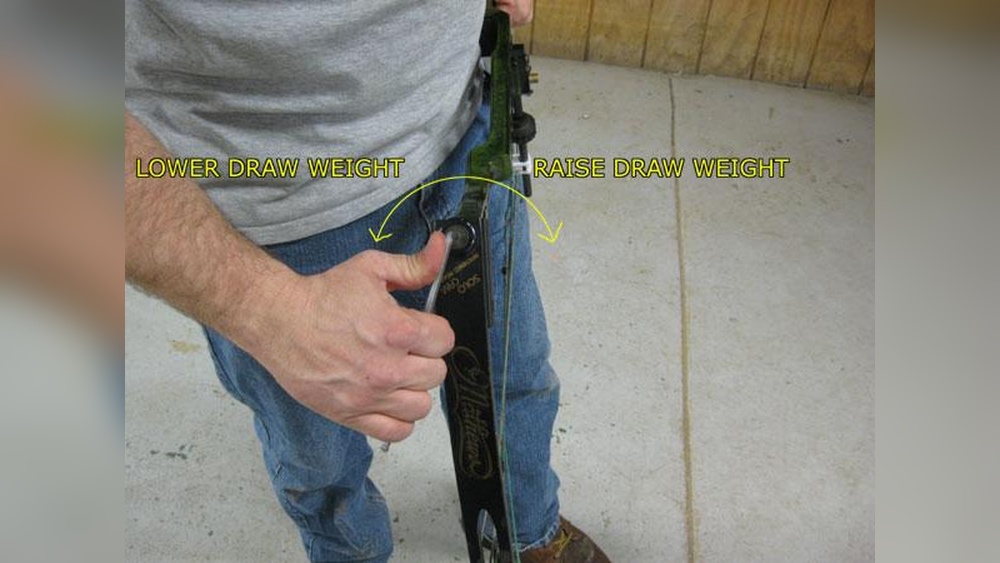
On PSE compound bows, the limb bolts are typically found at the ends of the riser, connecting the limbs to the bow body. These bolts control the tension and flex of the limbs, thereby regulating draw weight.
Step 2: Measure Current Draw Weight
Use a bow scale to determine the current draw weight:
- Attach the scale to the bowstring.
- Draw the bow to full length.
- Record the reading.
This baseline measurement helps you track changes and avoid over-adjustment.
Step 3: Adjust Limb Bolts
- To increase draw weight, turn the limb bolts clockwise (tighten).
- To decrease draw weight, turn the limb bolts counterclockwise (loosen).
Pro Tip: Adjust both limb bolts evenly. Uneven adjustments can misalign the limbs and damage the bow.
Step 4: Follow Manufacturer’s Guidelines
Most PSE bows allow up to 4 turns of limb bolts from the maximum position. Exceeding this limit can void warranties and compromise safety.
Step 5: Re-measure Draw Weight
After each adjustment, use the bow scale to verify the new draw weight. Make incremental changes (1/4 turn at a time) for precise tuning.
Step 6: Test Shooting
Shoot several arrows at a target to evaluate the impact on accuracy, comfort, and arrow velocity. Fine-tune as needed.
Step 7: Secure Limb Bolts
Once satisfied, ensure all bolts are properly tightened and check for any play or movement.
Step 8: Record Settings
Maintain a log of your draw weight settings, bolt positions, and performance results for future reference.

Credit: www.youtube.com
Real-world Examples And Case Studies
Case Study 1: Bowhunter Adjusts For Elk Season
A bowhunter preparing for Colorado’s elk season needed to increase his PSE Stinger’s draw weight from 50 lbs to 60 lbs to meet legal requirements and improve penetration. Using a 3/16″ Allen wrench, he incrementally tightened each limb bolt, measured the draw weight, and tested performance on the range.
After reaching 60 lbs, he noticed improved arrow speed and deeper target penetration, without sacrificing accuracy.
Case Study 2: Youth Archer Reduces Draw Weight
A teenage competitive archer using a PSE Uprising struggled with fatigue during tournaments. The coach recommended lowering the draw weight from 45 lbs to 35 lbs. By loosening the limb bolts evenly and measuring the results, the archer gained improved endurance, better shot placement, and higher scores.
Case Study 3: Target Shooter Fine-tunes For Consistency
A target shooter with a PSE Supra focused on consistency and comfort. He experimented with draw weights between 55 lbs and 65 lbs, adjusting limb bolts and recording results. After multiple sessions, he settled on 58 lbs, which provided optimal accuracy and manageable recoil for long-duration practice.
Comparison Of Draw Weight Effects On Performance
| Draw Weight | Arrow Speed (fps) | Penetration (inches) | Recommended Use |
|---|---|---|---|
| 35 lbs | 210 | 5 | Youth, Beginners, Small Game |
| 50 lbs | 250 | 8 | General Hunting, Target Shooting |
| 65 lbs | 290 | 12 | Big Game Hunting, Experienced Shooters |
A PSE Bow Madness with a 50 lbs draw weight achieves consistent arrow speeds around 250 fps, balancing accuracy and comfort during extended practice sessions.
Troubleshooting Common Issues In Draw Weight Adjustment
Uneven Limb Bolt Adjustment
Unevenly adjusted limb bolts can cause cam misalignment, string wear, and erratic arrow flight. Always adjust both bolts in equal increments and check cam synchronization.
Over-tightening Or Over-loosening
Exceeding manufacturer limits by over-tightening or loosening limb bolts can lead to limb damage, voided warranties, and safety hazards. If unsure, consult your user manual or a certified technician.
Inconsistent Draw Weight Readings
Fluctuating draw weight measurements may indicate scale calibration issues or mechanical defects in the bow. Regularly calibrate your bow scale and inspect the bow for wear.
Limb Bolt Sticking
If limb bolts are difficult to turn, apply a small amount of silicone lubricant and ensure the threads are clean. Avoid using excessive force.
Bow Not Holding Draw Weight
If your PSE bow does not hold the desired draw weight after adjustment, inspect the limb pockets, riser, and cam modules for damage. Seek professional service if problems persist.
Advanced Tuning For Competitive Shooters
Micro-adjustment Systems
Some high-end PSE models feature micro-adjust limb systems, allowing ultra-precise draw weight tuning in increments smaller than 1/4 turn. These systems are ideal for competitive archers seeking maximum consistency.
Balancing Draw Weight With Draw Length
Optimal performance requires balancing draw weight with draw length. Too much weight with an improper draw length can cause fatigue and poor form. Use a draw length gauge and adjust as needed.
Synchronizing Cams
Compound bows rely on cam synchronization for smooth operation. After adjusting draw weight, check cam timing by observing string travel and rotation. If cams are misaligned, adjust accordingly or seek professional help.
Custom Arrow Selection
Higher draw weights allow the use of heavier, more durable arrows. Consult arrow spine charts and select arrows that match your adjusted draw weight for optimal flight and penetration.
Maintenance And Long-term Care After Adjustment
Regular Inspection
After adjusting draw weight, regularly inspect the limbs, riser, cams, and string for wear or damage. High draw weights increase stress on components, necessitating frequent checks.
Cleaning And Lubrication
Keep limb bolts, pockets, and threads clean and lightly lubricated to prevent corrosion and sticking. Use silicone-based lubricants approved by PSE.
String And Cable Replacement
Draw weight changes can accelerate string wear. Replace strings and cables as recommended by the manufacturer, or sooner if signs of fraying or damage appear.
Storage Considerations
Store your PSE bow in a climate-controlled environment, away from moisture and extreme temperatures. Loosen limb bolts slightly during long-term storage to reduce limb stress.
Professional Servicing
If unsure about any aspect of adjustment or maintenance, consult a certified archery technician or visit an authorized PSE dealer.
Comparing Pse Bow Models And Adjustment Ranges
| Model | Draw Weight Range | Adjustment Method | Ideal User |
|---|---|---|---|
| PSE Stinger Max | 30-70 lbs | Limb Bolt | Hunters, Beginners |
| PSE Uprising | 15-70 lbs | Limb Bolt | Youth, Women, Versatile Use |
| PSE Supra | 40-70 lbs | Micro-Adjust System | Competitive Shooters |
| PSE Bow Madness | 40-70 lbs | Limb Bolt | All-Around Archers |
Refer to the official PSE Archery website (PSE Archery Official Site) for model-specific specs and manuals.
Tips For Optimizing Draw Weight For Different Applications
Hunting
- Choose a draw weight that ensures legal compliance and sufficient penetration for the game targeted.
- Test adjustments with broadhead-tipped arrows for realistic performance.
Target Shooting
- Opt for a draw weight that allows consistent form and endurance during prolonged practice sessions.
- Fine-tune for accuracy rather than maximum arrow speed.
Youth And Beginners
- Start at the lower end of the draw weight range.
- Gradually increase as strength and technique improve.
Competitive Archery
- Balance draw weight with draw length and arrow selection.
- Utilize micro-adjustment systems for incremental tuning.
Rehabilitation And Injury Prevention
- Reduce draw weight during recovery from injury.
- Consult with a sports medicine specialist before making significant changes.
Frequently Asked Questions
What Is The Safest Way To Adjust Draw Weight On A Pse Bow?
The safest method is to use a bow-specific Allen wrench and adjust the limb bolts evenly in small increments, always within the manufacturer’s specified range. Ensure the bow is unloaded and not under tension. Wearing safety glasses and gloves is recommended. If you’re new to adjustments, seek guidance from a certified archery technician.
Can I Adjust Draw Weight On All Pse Models?
Most PSE compound bows allow draw weight adjustment via limb bolts. However, some specialized models use micro-adjust systems or require additional steps. Always consult your bow’s user manual or the PSE website for model-specific instructions. If your model lacks adjustment capability, consider upgrading to a more versatile bow.
How Often Should I Check And Adjust My Draw Weight?
Check draw weight at the start of each season, after major practice sessions, or whenever you notice changes in performance or physical comfort. If you frequently switch between hunting and target shooting, regular adjustments ensure optimal results. Annual maintenance checks are recommended for all archers.
What Should I Do If The Limb Bolts Are Stuck Or Difficult To Turn?
If limb bolts are stuck, apply a small amount of silicone lubricant to the threads and gently work the bolts back and forth. Avoid using excessive force, which can damage the bow. If the bolts remain immovable, seek assistance from an authorized PSE dealer for professional servicing.
Is It Possible To Damage My Bow By Adjusting Draw Weight Incorrectly?
Yes, improper adjustment, such as over-loosening or over-tightening limb bolts beyond manufacturer limits, can cause limb, riser, or cam damage. Always follow guidelines in your user manual and make changes incrementally. If you suspect damage, stop using the bow and consult a professional immediately.
Fine-tuning the draw weight of your PSE bow unlocks greater accuracy, comfort, and shooting performance, whether you’re hunting, practicing, or competing. By following the steps and precautions outlined above, you’ll ensure safe, reliable adjustments tailored to your needs. Regular maintenance and careful record-keeping will extend your equipment’s life and maximize enjoyment for years to come.
Remember, if in doubt, consult an expert or your local archery shop for support.