How To Bow Fish Catfish
Bowfishing for catfish is a thrilling blend of hunting and angling that’s captured the attention of outdoor enthusiasts across the United States. Unlike traditional fishing methods, bowfishing leverages archery equipment to target fish in shallow waters, often at night, offering a unique and adrenaline-charged experience.
The popularity of bowfishing has surged thanks to its accessibility, the challenge it presents, and the opportunity to connect with nature in a dynamic way. Catfish, being abundant and resilient, are a prime quarry for bowfishers, providing both a sporting challenge and a delicious reward.
Whether you’re new to bowfishing or a seasoned archer, targeting catfish requires specialized knowledge, preparation, and technique. This guide will walk you through everything you need to know, from the best equipment and scouting strategies to real-world success stories and actionable tips.
We’ll also cover regulations, safety, and conservation, ensuring your bowfishing adventures are both enjoyable and responsible. Let’s explore how you can master the art of bowfishing for catfish and elevate your angling game.
Key Takeaways
- Bowfishing for catfish combines archery and fishing, offering a unique challenge and rewarding catch.
- Successful bowfishing hinges on the right equipment, scouting tactics, and knowledge of catfish behavior.
- Regulations vary by state; always verify local laws and obtain necessary permits before bowfishing.
- Nighttime bowfishing with specialized lights increases visibility and success rates for catfish.
- Conservation and ethical practices are crucial for maintaining healthy fish populations and habitats.
Credit: www.fin-finder.com
Understanding Catfish Behavior And Habitat
Bowfishing begins with understanding your quarry. Catfish are bottom-dwellers, known for their adaptability and nocturnal habits, making them ideal targets for bowfishers seeking action after sunset. To increase your odds, you need to know where and when to find them.
Catfish Species Commonly Targeted
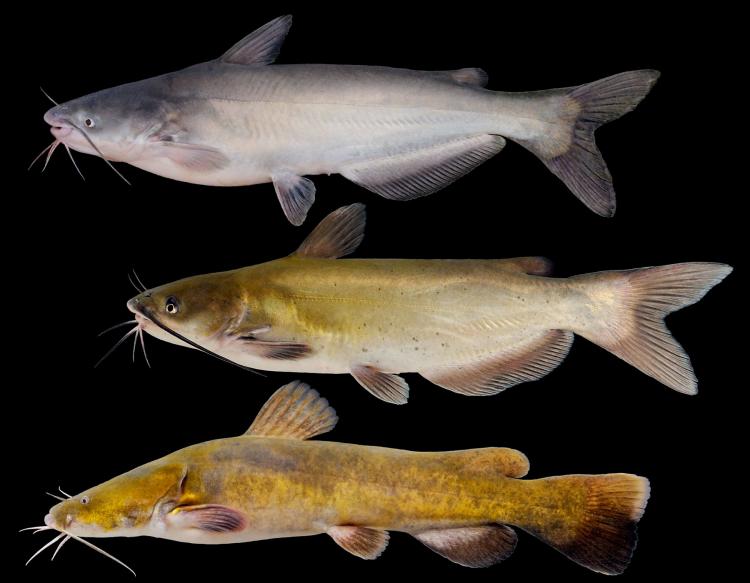
Three main species dominate bowfishing pursuits:
- Channel Catfish: Recognizable by their forked tail and spotted body, channel catfish are widespread in rivers, lakes, and reservoirs.
- Blue Catfish: The largest North American catfish, blue catfish thrive in big rivers and reservoirs, often reaching impressive sizes.
- Flathead Catfish: With their broad, flattened head and yellow-brown coloring, flatheads prefer deep holes and submerged logs.
Preferred Habitats
Catfish favor environments with cover and food sources:
- Shallow flats: Catfish migrate to shallow waters at dusk and dawn to feed.
- Riverbanks and creek mouths: Edges with structure, such as fallen trees or rock piles, attract catfish.
- Reservoirs and lakes: Look for muddy bottoms, submerged vegetation, and inflow areas.
Seasonal And Nocturnal Patterns
- Spring and early summer: Catfish move into shallows to spawn, making them more accessible for bowfishers.
- Nighttime activity: Catfish are most active after dark, especially during warm months.
Example: In my experience, targeting channel catfish in shallow, grassy flats just after sunset yielded consistent results, especially during late spring when water temperatures rose above 65°F.
Credit: www.fin-finder.com
Essential Bowfishing Equipment For Catfish
To bowfish catfish successfully, you’ll need specialized gear that balances accuracy, durability, and safety. Here’s a breakdown of the essential equipment and how it compares to other bowfishing setups.
Bow Types And Setup
- Compound bows: Offer adjustable draw weights and let-off, ideal for beginners and experienced archers alike.
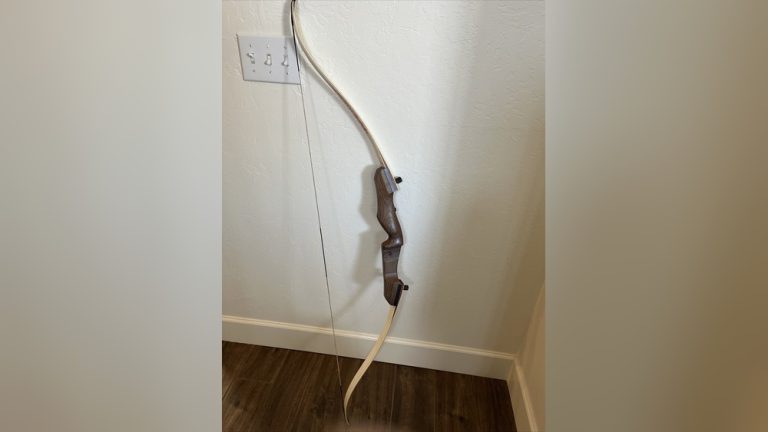
- Recurve bows: Lightweight and easy to maneuver in tight spaces, but require more skill for accuracy.
- Bowfishing bows: Built specifically for aquatic hunting, featuring corrosion-resistant materials.
| Bow Type | Draw Weight | Ease of Use | Typical Price Range |
|---|---|---|---|
| Compound | 30, 50 lbs | High | $150, $500 |
| Recurve | 25, 45 lbs | Medium | $100, $300 |
| Bowfishing-specific | 30, 40 lbs | High | $200, $600 |
Arrows And Points
- Fiberglass arrows: Durable and heavy, ideal for penetrating tough catfish skin.
- Barbed points: Secure fish upon impact; replaceable tips allow for easy maintenance.
Pro Tip: Use brightly colored arrows for visibility in murky water, and ensure barbs are sharp for a secure catch.
Bowfishing Reel Options
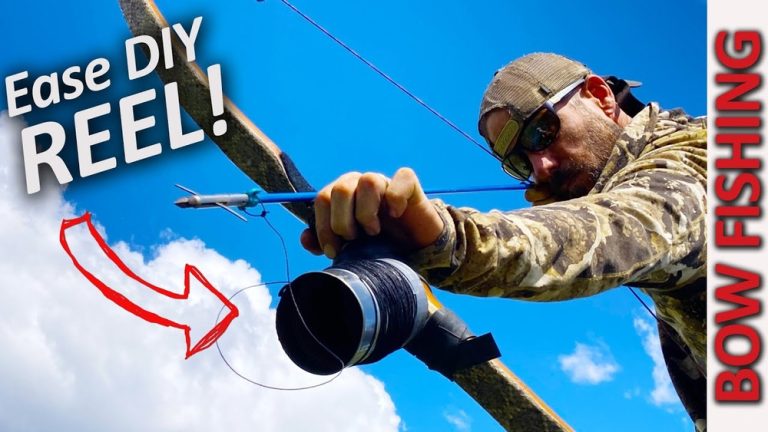
- Drum reels: Simple, reliable, and low-cost; require manual line retrieval.
- Spincast reels: Allow for faster line retrieval and easier handling; ideal for larger catfish.
| Reel Type | Retrieval Speed | Ease of Use | Best For |
|---|---|---|---|
| Drum Reel | Slow | Beginner | Small Catfish |
| Spincast Reel | Fast | Experienced | Large Catfish |
Lighting And Accessories
- LED bowfishing lights: Illuminate shallow waters at night, enhancing visibility and targeting.
- Polarized sunglasses: Essential for daytime bowfishing, reducing glare and improving sightlines.
- Gloves and safety gear: Protect hands and arms from line burns and arrow mishaps.
Boat Or Shore Setup
- Bowfishing boats: Flat-bottom boats provide stability, ample deck space, and mounting options for lights.
- Shoreline bowfishing: Ideal for beginners; focus on accessible banks and shallow areas.
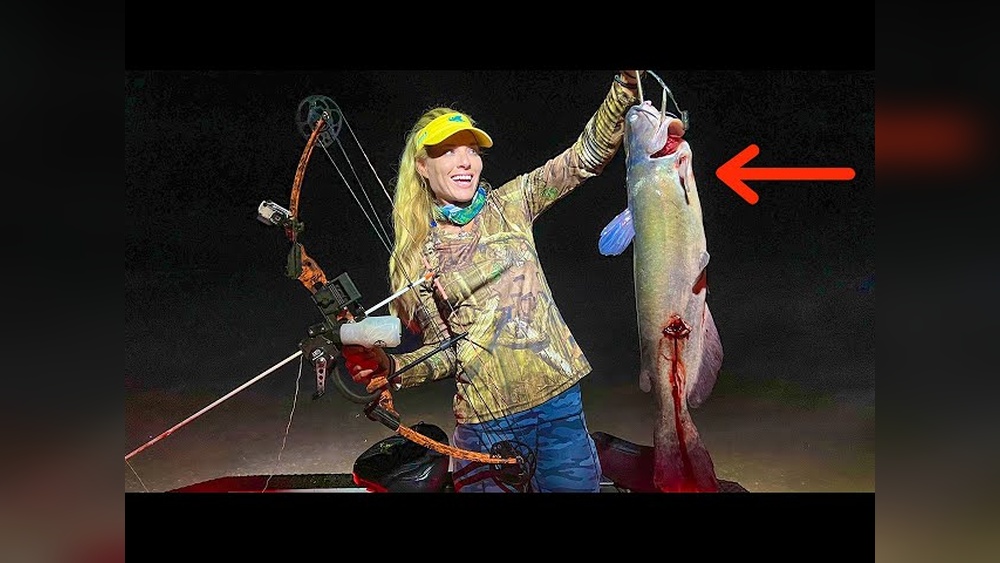
Example: When bowfishing for flathead catfish from a boat equipped with LED floodlights, I noticed a dramatic increase in sighting and targeting success after dark.
Scouting And Locating Catfish For Bowfishing
The key to bowfishing success lies in effective scouting and understanding local water conditions. Proper preparation can dramatically increase your chances of encountering catfish.
Water Clarity And Conditions
- Clear water: Offers better visibility, but catfish may be more wary.
- Murky water: Catfish remain active, especially after rainfall; use brighter lights for improved sight.
- Temperature and weather: Catfish are most active in water temperatures between 60, 80°F.
Identifying High-probability Locations
- Structure and cover: Seek out submerged logs, rocks, and vegetation where catfish hide and feed.
- Current breaks: Catfish congregate in slower-moving pockets, especially near inflows and creek mouths.
- Feeding signs: Look for bubbles, disturbed sediment, or tail swirls, these can signal catfish activity.
Pro Tip: Use a fish finder or underwater camera to scout potential hotspots before committing to a location.
Timing Your Outing
- Twilight and night: Catfish become more active as light fades; nighttime bowfishing is highly effective.
- Seasonal patterns: Spring spawning draws catfish into shallow waters, making them easier to target.
Real-world Example: Scouting Success
Example: A group of bowfishers in Oklahoma found that targeting shallow, muddy creek mouths at dusk during the spring yielded large channel catfish, particularly when recent rains raised water levels and catfish moved closer to shore.

Credit: www.desmoinesregister.com
Bowfishing Techniques And Strategies For Catfish
Mastering the physical and tactical aspects of bowfishing is essential. Here’s how to maximize your accuracy and efficiency when targeting catfish.
Shooting Techniques
- Aim low: Light refraction in water causes fish to appear higher than they actually are. Adjust your aim downward to compensate.
- Quick draw and release: Catfish move swiftly; practice rapid shooting to improve hit rates.
- Stealth approach: Move slowly and minimize noise to avoid spooking fish.
Positioning And Stalking
- Boat positioning: Maintain a steady platform and avoid casting shadows on the water.
- Shoreline stalking: Use natural cover and move parallel to the bank for optimal shooting angles.
Retrieving And Securing Catfish
- Arrow retrieval: Use reel or hand-over-hand technique; avoid excessive line tension.
- Handling: Wear gloves to grip slippery catfish, and use a landing net for larger specimens.
- Barb removal: Secure fish and carefully disengage arrow barbs to prevent injury.
Pro Tip: Practice shooting at submerged targets before your trip to hone aim and compensate for water distortion.
Case Study: Night Bowfishing Tactics
Example: In Texas, bowfishers using high-output LED lights from flat-bottom boats reported a 40% higher success rate at night compared to daytime outings. They attributed this to increased catfish activity and improved visibility.
Legal Regulations, Ethics, And Conservation
Bowfishing for catfish is regulated by state and local laws to protect fish populations and ensure ethical practices. Responsible bowfishers respect regulations, harvest limits, and environmental stewardship.
State And Local Regulations
- Permits and licenses: Most states require a valid fishing license and may have additional bowfishing endorsements.
- Species restrictions: Certain catfish species may be off-limits or subject to size and bag limits.
- Equipment rules: Some areas restrict the use of certain bow types or arrow points.
Example: The Missouri Department of Conservation mandates a daily limit of five catfish per bowfisher and prohibits bowfishing in designated trout waters. Always check current regulations before heading out.
Ethical Bowfishing Practices
- Selective harvesting: Target mature catfish and avoid overharvesting to maintain population health.
- Humane dispatch: Quickly and humanely kill fish to minimize suffering.
- Waste disposal: Use or properly dispose of all harvested fish; avoid leaving carcasses on shorelines.
Pro Tip: Join local conservation groups or participate in habitat restoration projects to support sustainable fisheries.
Conservation Efforts
- Habitat protection: Avoid damaging aquatic vegetation or disturbing spawning grounds.
- Catch-and-release options: Consider releasing trophy-sized or rare catfish to preserve genetic diversity.
- Reporting violations: Notify authorities of illegal bowfishing activities to safeguard resources.
| Regulation | Purpose | Enforcement Agency |
|---|---|---|
| Bag Limit | Prevent overharvesting | State DNR |
| Equipment Restrictions | Promote safety | State DNR |
| Species Protection | Maintain biodiversity | Fish & Wildlife Service |
For up-to-date regulations and conservation information, consult the U.S. Fish & Wildlife Service.
Preparing For A Successful Bowfishing Trip
Proper preparation can make or break your bowfishing adventure. Here’s how to get ready for a productive outing targeting catfish.
Gear Checklist
- Bow and arrows: Ensure all equipment is in good condition and properly tuned.
- Reel and line: Check for wear and replace as needed.
- Lights: Charge batteries and test illumination levels.
- Safety gear: Pack gloves, first aid kit, and life jackets for boat outings.
Scouting And Planning
- Map your route: Identify promising locations using satellite imagery or local fishing reports.
- Check weather forecasts: Avoid dangerous conditions and plan for optimal catfish activity.
- Coordinate with partners: Communicate roles and responsibilities for group outings.
Food, Water, And Comfort
- Bring snacks and hydration: Extended trips require sustenance and water.
- Dress for conditions: Wear moisture-wicking clothing and pack rain gear if necessary.
Case Study: Organized Outing
Example: An Illinois bowfishing club organized a spring overnight outing, assigning scouting duties, gear checks, and safety briefings to members. Their thorough preparation resulted in a record catch of channel catfish and a safe, enjoyable experience.
Real-world Bowfishing Success Stories
Learning from others’ experiences can inspire and inform your own bowfishing pursuits. Here are a few notable examples and strategies.
Example: Solo Bowfishing Triumph
A Michigan angler, using a recurve bow and drum reel, successfully harvested a 30-pound flathead catfish from a shallow riverbank at midnight. The angler credited his success to scouting muddy flats, using red LED lights for reduced glare, and practicing shooting angles in advance.
Example: Team Approach In Southern Rivers
A group in Arkansas targeted blue catfish using spincast reels and high-output LED lights from a custom bowfishing boat. By rotating shooting stations and coordinating boat movement, they managed to land multiple trophy-sized blue catfish in a single night.
Example: Conservation-focused Bowfishing
A bowfishing team in Tennessee participated in a catch-and-release tournament, using barbless arrows and recording fish sizes for local conservation data. The event highlighted ethical practices and contributed valuable information to fisheries management.
For additional case studies and bowfishing resources, visit the Wikipedia Bowfishing page.
Troubleshooting Common Bowfishing Challenges
Bowfishing for catfish presents unique obstacles. Here’s how to overcome common issues and adapt on the water.
Missed Shots And Poor Accuracy
- Adjust for refraction: Always aim lower than the apparent target.
- Practice regularly: Set up mock targets in shallow water to hone your skills.
- Check equipment alignment: Misaligned sights or loose arrow rests can reduce accuracy.
Catfish Not Present
- Change locations: Move to new spots if catfish are absent after 30, 60 minutes.
- Modify timing: Try late evening or early morning outings for increased activity.
- Consult local reports: Speak with other anglers or check online forums for recent catfish movements.
Equipment Malfunctions
- Carry spares: Bring extra arrows, points, and reel parts.
- Routine maintenance: Clean and lubricate reels after each trip to prevent corrosion.
- Inspect lighting: Replace bulbs or batteries before heading out.
Pro Tip: Keep a log of each outing, noting water conditions, equipment used, and results. Over time, patterns will emerge to guide future success.
Frequently Asked Questions
What Is The Best Time Of Year To Bowfish For Catfish?
The optimal time for bowfishing catfish is late spring to early summer, when water temperatures rise above 60°F and catfish move into shallow areas to spawn. This period offers increased visibility and accessibility. However, catfish remain active throughout summer, especially at night.
Can I Bowfish For Catfish From Shore, Or Do I Need A Boat?
You can bowfish from shore in areas with accessible banks and shallow water. Target creek mouths, riverbanks, and lake edges where catfish are likely to feed. Boats offer greater mobility and access to prime spots, but shoreline bowfishing is effective for beginners and those without boat access.
Are There Specific Safety Concerns When Bowfishing For Catfish?
Yes, bowfishing involves sharp arrows and high-tension lines, which can cause injury. Wear gloves to protect against line burns and slips. If bowfishing from a boat, always wear a life jacket and ensure proper lighting. Never shoot toward other anglers, and keep first aid supplies on hand.
Do I Need A Special Permit To Bowfish For Catfish?
Most states require a fishing license for bowfishing, and some mandate additional permits or endorsements. Regulations differ regarding catfish species, size limits, and allowable equipment. Consult your state’s wildlife agency before bowfishing, and secure all necessary documentation.
How Do I Clean And Prepare Catfish Caught By Bowfishing?
After dispatching your catch, clean catfish by removing the skin and guts. Use a sharp fillet knife and cut along the backbone, then remove the fillets. Rinse thoroughly and store on ice. Catfish are excellent for frying, grilling, or baking, offering a mild, flavorful meat.
Bowfishing for catfish is a rewarding pursuit that combines skill, excitement, and stewardship. With the right preparation, equipment, and ethical approach, you can enjoy unforgettable experiences on the water while contributing to sustainable fisheries. Whether on shore or boat, day or night, mastering bowfishing opens a new dimension of angling adventure.