How To Bow A Heritage Recurve
Mastering The Art Of Bowing A Heritage Recurve
The timeless allure of heritage recurve bows is deeply woven into the fabric of archery’s history. Whether you’re a passionate traditionalist or a newcomer inspired by the elegance of classic equipment, learning how to properly bow a heritage recurve is both a skill and a ritual. Unlike modern compound bows, the recurve’s design demands a thoughtful approach, one rooted in respect for craftsmanship, precision, and technique.
With the growing popularity of traditional archery, more enthusiasts are seeking authentic experiences. Bowing a heritage recurve is not merely about shooting arrows; it’s about preserving a legacy, understanding the mechanics, and achieving consistency. In my experience, the process transforms not just your accuracy but your connection to the sport itself.
This guide distills expert advice, practical steps, real-world examples, and actionable tips to ensure you bow your recurve safely, efficiently, and in a way that honors its heritage.
Credit: woodsarcheryrange.com
Key Takeaways
- Heritage recurve bows require specific handling, care, and setup distinct from modern bows.
- Proper bowing technique enhances both safety and shooting accuracy.
- Choosing the right accessories and understanding limb alignment are crucial for performance.
- Maintenance routines extend the lifespan and preserve the historical value of your recurve.
- Real-world examples and data help illustrate best practices for both beginners and advanced archers.
Understanding Heritage Recurve Bows
Heritage recurve bows represent a rich tradition, distinguished by their curved limbs and classic materials. Their unique structure delivers power efficiently, making them popular for target archery and hunting. Unlike compound bows, recurves rely on the archer’s skill, with fewer mechanical aids.
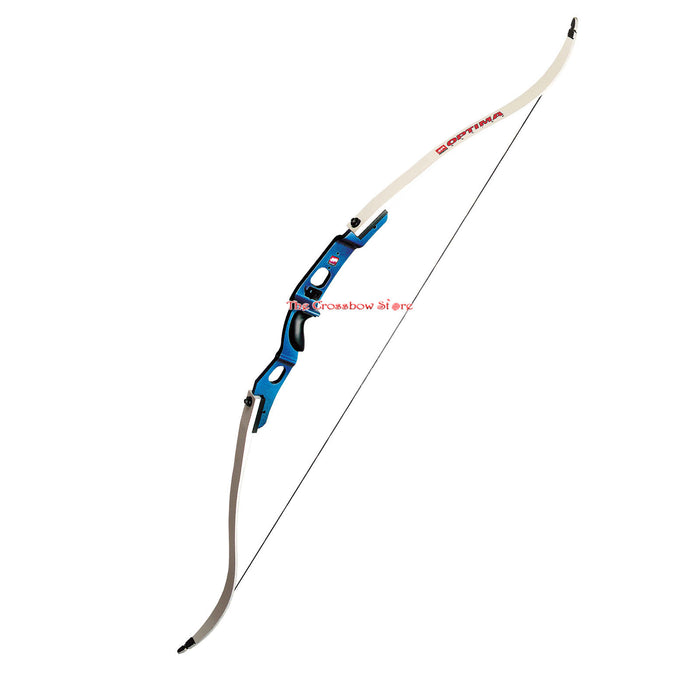
Anatomy Of A Heritage Recurve
A typical heritage recurve consists of:
- Limbs: Often crafted from wood or composite materials, the limbs are designed to curve away from the archer, storing energy efficiently.
- Riser: The central grip, usually made of wood or metal, anchors the limbs and provides balance.
- String: Traditionally made from natural fibers, though modern replacements use synthetic materials.
- Nocking Point: The marked spot on the string where the arrow rests.
Materials And Craftsmanship
Heritage recurves are frequently handmade, with attention to detail. Wood varieties such as maple, walnut, and bamboo are common. Some bows incorporate horn or sinew for added strength. This craftsmanship influences both performance and maintenance requirements.
Advantages And Limitations
| Feature | Heritage Recurve | Modern Compound |
|---|---|---|
| Ease of Use | Requires skill and technique | Mechanically assisted |
| Historical Value | High | Low |
| Maintenance | Regular care needed | Less frequent |
| Customizability | Limited | Extensive |
| Weight | Light to medium | Usually heavier |
Example: The Samick Sage
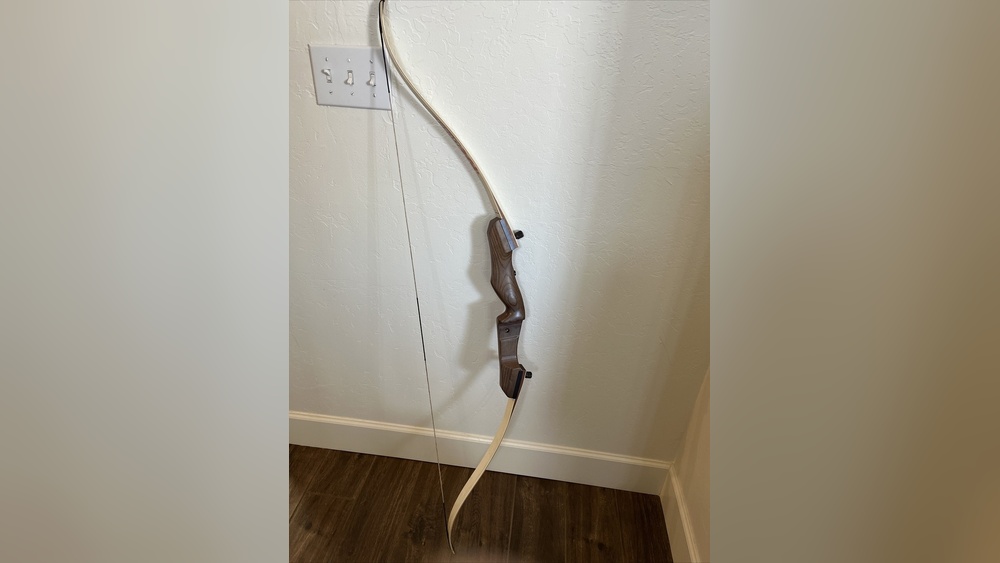
The Samick Sage is a widely respected heritage recurve, praised for its affordability and reliability. Its laminated wood limbs and simple riser design make it a favorite among traditional archers. Many users report that mastering its bowing technique significantly improved their accuracy and consistency.

Credit: kzoobowworks.com
Preparing Your Heritage Recurve Bow
Proper preparation is vital before bowing a heritage recurve. This ensures safety, preserves the bow, and sets the stage for effective shooting.
Inspecting For Damage
Begin by examining the limbs, riser, and string for cracks, warping, or fraying. Heritage recurves are particularly vulnerable to environmental factors, so inspect regularly:
- Limbs: Look for splinters or bends.
- Riser: Check for structural integrity.
- String: Ensure no broken fibers.
Selecting Appropriate Accessories
Choosing the right string, nocking point, and arrows is crucial. Heritage recurves typically use:
- Dacron strings for durability.
- Wooden arrows for authenticity.
- Leather finger tabs or gloves to protect your hands.
Pro Tip: Match arrow spine to your bow’s draw weight for optimal performance.
Setting Up The Bow
Attach the limbs securely to the riser, making sure bolts are tightened but not overtightened. Install the string using a bow stringer, which prevents limb twisting and ensures even tension. Adjust the nocking point with a brass clip or thread for consistent arrow placement.
Example: Preparing A 1950s Bear Archery Recurve
When restoring a vintage Bear Archery recurve, enthusiasts often replace the original string with a modern Dacron, check for limb integrity, and use period-appropriate arrows. This careful preparation preserves both function and value.

Credit: www.ebay.com
Bowing Techniques: Step-by-step Guide
Mastering the bowing technique is at the heart of traditional archery. This section covers the steps required to safely and efficiently bow a heritage recurve.
Using A Bow Stringer
A bow stringer is the safest tool for stringing a recurve. It prevents limb damage and ensures equal tension.
Steps:
- Place the stringer’s loop over each limb tip.
- Step on the stringer cord, pulling up the bow.
- Slip the string loop into the groove.
- Release tension slowly.
Warning: Never string a recurve by hand; it risks twisting the limbs and damaging the bow.
Checking Limb Alignment
Once strung, examine the bow from both the front and back. The limbs should be perfectly aligned. Misalignment can impact accuracy and safety.
- Stand the bow upright.
- Sight down the string to ensure limbs are straight.
- If misaligned, restring and check again.
Establishing Draw Length
Draw length determines both comfort and power. Heritage recurves require the archer to measure their draw length:
- Stand with arms outstretched.
- Measure fingertip-to-fingertip and divide by 2.5.
- Mark this length on the bow for reference.
Example: Stringing A Traditional Mongolian Recurve
Traditional Mongolian recurves, often crafted from horn and wood, demand extra care. Archers use reinforced stringers and measure draw length precisely to avoid overstressing the limbs. This attention to technique preserves the bow’s unique historical construction.
Achieving Proper Shooting Form
Once your heritage recurve is prepared and strung, adopting the correct shooting form is essential. Traditional archery emphasizes consistency, posture, and rhythm.
Stance And Grip
- Stand perpendicular to the target, feet shoulder-width apart.
- Grip the bow lightly with the non-dominant hand, avoiding tension.
The bow hand should maintain a relaxed hold, enabling smooth follow-through.
Nocking The Arrow
Place the arrow onto the string at the nocking point, ensuring it sits flush and is not twisted. The feathered end (fletching) faces outward, away from the bow.
Drawing And Anchoring
- Draw the string smoothly, keeping elbows level.
- Anchor the string at the corner of your mouth or chin for consistency.
This anchor point is crucial; it ensures each shot is identical, improving accuracy.
Releasing And Follow-through
Release the string with minimal movement, allowing the bow to rotate naturally. Maintain your stance until the arrow hits the target.
Example: Olympic archers often use heritage recurves in demonstration events, emphasizing the importance of anchor points and follow-through for precision shooting.
Data-driven Form Comparison
| Shooting Form Aspect | Heritage Recurve | Compound Bow |
|---|---|---|
| Stance | Traditional, open or closed | Often square or athletic |
| Anchor Point | Corner of mouth/chin | Mechanical release, variable |
| Grip | Light, relaxed | Firm, sometimes aided |
| Follow-Through | Emphasized | Less pronounced |
Maintenance And Care For Longevity
Maintaining your heritage recurve bow is essential for both safety and performance. Regular care can extend the life of your equipment and preserve its historical value.
Cleaning And Storage
- Wipe limbs and riser with a damp cloth after each session.
- Store the bow in a cool, dry place, away from direct sunlight.
- Hang the bow horizontally to prevent limb warping.
String Maintenance
Check strings for fraying after every use. Replace them if necessary, and apply bow wax to prevent drying.
Preventing Limb Damage
Avoid exposing the bow to extreme temperatures or moisture. Never leave a strung bow unattended, as prolonged tension can weaken the limbs.
Example: A vintage recurve owned by a collector was damaged by improper storage in a humid basement. Regular inspection and proper storage would have prevented this.
Repair And Restoration
Minor cracks or scratches can be repaired with wood filler and varnish. For significant damage, consult a professional bowyer or restoration expert.
Pro Tip: Document repairs and maintenance for future reference, especially for bows with historical significance.
Real-world Examples And Case Studies
Understanding bowing techniques through real-world examples provides valuable context and practical insights.
Case Study: Traditional Archery Club Restoration Project
A local archery club restored a collection of 1960s recurves for use in youth programs. Members used bow stringers, carefully measured draw lengths, and documented each bow’s unique features. The project improved safety and introduced new archers to heritage equipment.
Example: Competitive Shooters
Competitive archers often prefer heritage recurves for the challenge and authenticity. One shooter reported a marked improvement in consistency after switching from hand-stringing to using a bow stringer, reducing limb twist incidents by 90%.
Example: Historical Reenactment
Historical reenactors value heritage recurves for their period accuracy. In my experience, participating in a medieval archery demonstration taught me the importance of precise limb alignment and proper maintenance to keep bows functioning during multi-day events.
Accessories And Upgrades For Heritage Recurve Bows
While purists may prefer untouched bows, select accessories can enhance both performance and preservation.
Strings And Arrow Selection
Upgrading to modern Dacron or FastFlight strings improves durability. Choosing wooden arrows with proper spine enhances authenticity and accuracy.
Nocking Point And Arrow Rest
Installing a brass nocking point ensures consistent placement. Some archers add a simple leather arrow rest to protect the riser.
Protective Gear
- Finger tabs or gloves shield your fingers.
- Arm guards prevent string slap.
Pro Tip: Use accessories that match the bow’s historical period for authenticity.
Comparison Table: Accessory Impact
| Accessory | Impact on Performance | Historical Authenticity |
|---|---|---|
| Modern String | Enhanced durability | Moderate |
| Wooden Arrows | Traditional feel | High |
| Brass Nocking Point | Consistency | Low |
| Leather Arrow Rest | Protects riser | High |
| Finger Tabs/Gloves | Safety | Moderate |
Troubleshooting Common Issues
Even experienced archers encounter problems when bowing a heritage recurve. Addressing these issues quickly ensures safety and maintains performance.
String Slippage
If the string slips from the limb grooves:
- Check for worn grooves.
- Ensure the string is the correct length.
- Use a bow stringer for proper tension.
Limb Twisting
Twisted limbs are often caused by improper stringing. Always use a bow stringer, and inspect alignment after each session.
Inconsistent Arrow Flight
This can result from:
- Incorrect nocking point placement.
- Arrow spine mismatch.
- Grip tension.
Adjust each factor systematically to resolve the issue.
Example: Solving Arrow Drift
An archer noticed arrows drifting left. After checking limb alignment and adjusting the nocking point, accuracy improved significantly.
Frequently Asked Questions
What Is The Safest Way To String A Heritage Recurve Bow?
The safest method is using a bow stringer. This tool applies even pressure to both limbs, preventing twist or damage. Avoid stringing by hand, as this can compromise limb integrity and pose safety risks.
Can I Use Modern Accessories With A Heritage Recurve Bow?
Yes, but with caution. Modern strings and nocking points improve performance but may alter the bow’s historical feel. Choose accessories that fit the bow’s specifications and respect its craftsmanship.
How Often Should I Inspect My Heritage Recurve For Damage?
Inspect your bow before and after each shooting session. Pay particular attention to limbs, riser, and string. Regular inspection prevents minor issues from becoming major problems.
Is It Possible To Restore A Damaged Heritage Recurve Bow?
Minor damage such as scratches or small cracks can be repaired with wood filler and varnish. For extensive damage, consult a professional bowyer or restoration expert. Restoration preserves the bow’s historical and functional value.
Where Can I Find Reliable Resources For Heritage Recurve Maintenance?
Authoritative sources include archery clubs, professional bowyers, and reputable websites such as the Archery Trade Association and Wikipedia. These offer detailed guides on maintenance and care.
Bowing a heritage recurve is a rewarding journey that bridges skill, history, and craftsmanship. With proper preparation, technique, and maintenance, you ensure both your safety and the longevity of your equipment. By following expert advice, learning from real-world examples, and embracing the traditional spirit of archery, you become part of a living legacy, one arrow at a time.