How To Bow Hunt Deer On Windy Days
Bow hunting deer is a pursuit that demands patience, precision, and adaptability. While calm days offer their own set of challenges, windy conditions can make bow hunting both more complicated and, paradoxically, more rewarding for those who know how to adapt. For many hunters, wind is seen as a foe, an unpredictable element that ruins scent control, shifts arrow flight, and causes deer to behave erratically. But savvy bow hunters recognize that understanding and leveraging the wind can give them a significant edge.
Whether you’re a seasoned archer or new to the woods, learning how to hunt deer on windy days can mean the difference between going home empty-handed or tagging a mature buck. Wind alters deer movement, affects your shot trajectory, and can either mask your presence or give you away in an instant. This comprehensive guide explores the science, strategy, and real-world techniques for bow hunting deer on windy days, ensuring you’re prepared to tackle blustery conditions with confidence.
Key Takeaways
- Windy days can increase deer movement and offer unique hunting opportunities if you adapt your strategy.
- Scent control and wind direction are more crucial than ever, using the wind to your advantage is key.
- Arrow flight is affected by wind; selecting proper equipment and adjusting shot technique is essential.
- Stand placement and terrain features can help mitigate wind challenges and increase your odds.
- Understanding deer behavior in wind allows you to predict movement and set effective ambushes.

Credit: nockonarchery.com
The Science Of Wind And Deer Behavior
Wind is not merely a backdrop to your hunt, it actively shapes the way both you and deer behave in the woods. By understanding the science behind wind patterns and deer responses, you can tailor your approach for greater success.
How Deer React To Wind
Deer rely heavily on their sense of smell to detect predators. On windy days, their behavior changes in several ways:
- Increased movement: Studies from Texas A&M University have shown that deer often move more during moderate winds (10-15 mph) as the noise and movement in trees help mask their presence.
- Seeking cover: When winds become excessive (over 20 mph), deer prefer dense cover such as cedar thickets or creek bottoms to avoid discomfort and disorientation.
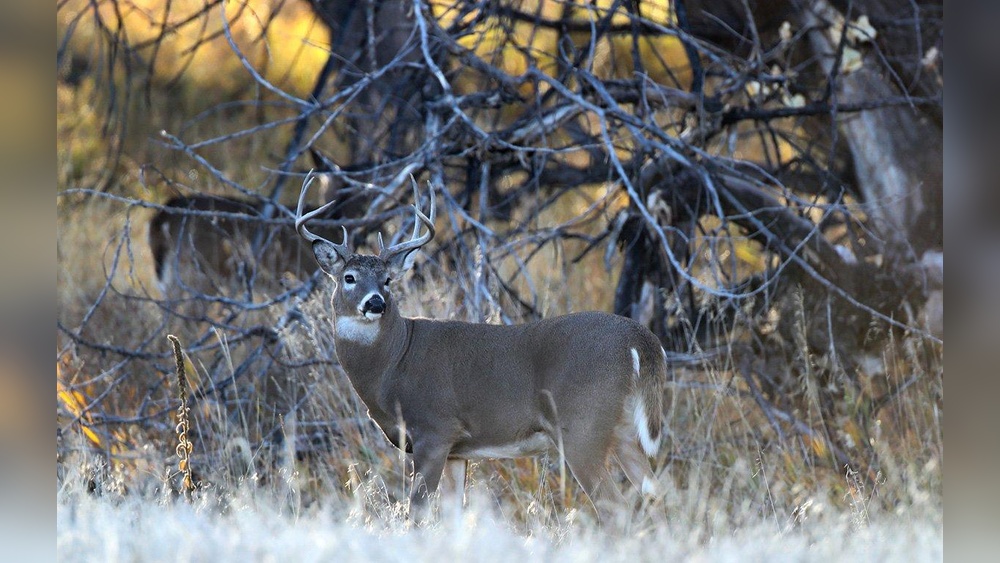
- Edge travel: Deer may travel along field edges or leeward sides of ridges to stay shielded from the wind while still moving safely.
Understanding these tendencies lets hunters predict likely deer locations during gusty conditions.
Wind Patterns And Scent Dispersion
Wind affects the way human scent travels. Light, swirling winds can create unpredictable scent paths, while steady winds offer a more consistent direction. According to research from the Quality Deer Management Association, deer can detect human scent at distances over 500 yards under the right wind conditions, making wind awareness vital for bow hunters.
- Thermals: In the morning, cooler air sinks, causing scent to move downhill. In the afternoon, rising thermals lift scent upward. Wind direction can amplify or counteract these thermals.
- Swirling winds: In hilly or wooded terrain, wind can swirl unpredictably, making it difficult to predict scent trails.
Real-world Example: Midwestern Oak Ridge
A bow hunter in the Midwest found that on a steady 12 mph northwest wind, deer consistently traveled the leeward side of an oak ridge. By positioning his stand 20 yards below the crest, he avoided swirling currents and had multiple shot opportunities within 30 yards as deer used the cover to move against the wind.

Credit: beasafehunter.org
Essential Gear And Bow Setup For Windy Conditions
Success on windy days starts with the right bow hunting gear and a setup tailored to challenging weather. The following adjustments can make a significant difference in both accuracy and concealment.
Choosing The Right Arrows And Broadheads
Wind can push lighter arrows off course, reducing accuracy:
- Heavier arrows (400+ grains) are less affected by wind drift than lightweight alternatives, providing more stable flight.
- Low-profile broadheads, such as fixed-blade designs with minimal surface area, help reduce wind drag and erratic flight.
Example: In a comparative range test, a 450-grain arrow drifted 25% less than a 350-grain arrow at 30 yards in a 15 mph crosswind.
Bow Stabilization And Sight Adjustments
Wind can also affect bow stability:
- Longer stabilizers (8-12 inches) help counteract lateral movement and provide better balance.
- Micro-adjustable sights allow hunters to fine-tune for windage, compensating for left-right drift.
Pro Tip: Practice shooting in windy conditions before the season to understand how your setup responds and to increase real-world accuracy.
Clothing And Concealment
Wind creates more movement in the woods, which can help mask hunter movement but also increases the risk of fabric noise:
- Choose quiet, windproof clothing with a soft exterior to minimize unnatural sounds.
- Use a face mask or camo paint, as wind can shift vegetation and expose shiny skin.
Comparison Table: Arrow Drift In Wind
| Arrow Weight | Broadhead Type | Drift @ 30 Yards (15 mph Crosswind) | Recommended Usage |
|---|---|---|---|
| 350 grains | Mechanical | ~10 inches | Calm days only |
| 400 grains | Fixed-blade | ~7 inches | Moderate wind |
| 450 grains | Low-profile fixed | ~5 inches | Windy days |
Credit: 1source.basspro.com
Stand Placement And Terrain Tactics
Where you choose to hunt on a windy day can be as important as how you hunt. Stand placement and understanding terrain features allow you to use the wind to your advantage while minimizing its disadvantages.
Leeward Side Positioning
Deer instinctively use the wind for safety, often traveling on the leeward side of ridges or hills (the side sheltered from the wind). These areas offer both cover and a break from the brunt of the wind.
- Place stands 20-40 yards below ridge crests, ensuring your scent is carried over, not into, likely travel routes.
- Focus on funnels, natural pinch points where terrain forces deer movement. Wind-driven deer will use these to minimize exposure.
Using Natural Windbreaks
Thick vegetation, creek bottoms, and brushy draws act as natural windbreaks, providing comfort and security for deer:
- Set up stands or ground blinds just downwind of these areas, where deer are likely to stage before entering feeding zones.
- Avoid open fields and ridge tops during strong winds, as deer rarely expose themselves in these locations.
Entry And Exit Routes
Wind direction should dictate not only your stand location but also your approach and exit:
- Plan routes that keep your scent away from bedding and feeding areas.
- Use the wind to cover the sound of your movement, especially when leaves and twigs are dry and noisy.
Example: Creek Bottom Hunt
A hunter in Ohio consistently tagged mature bucks by accessing a stand in a creek bottom on windy afternoons. The steady noise masked his entry, and the thick cover funneled deer movement within archery range.
Scent Control Strategies For Windy Days
No matter how careful you are, scent control becomes even more critical when hunting in the wind. While wind can help disperse scent, it also broadcasts it farther, making proper management essential.
Layered Scent Control Approach
- Shower with scent-free soap before the hunt.
- Store gear in airtight containers with earth-scent wafers.
- Dress in the field, not at home or in your vehicle, to minimize contamination.
Wind Checker Tools
Use powder or lightweight wind indicators to constantly check wind direction. A shift of just a few degrees can mean your scent suddenly reaches a deer’s nose.
- Reassess wind direction every 15-20 minutes, especially in hilly terrain where thermals and swirls are common.
Ozone And Scent-blocking Technology
Portable ozone generators and carbon-lined clothing can reduce scent signature, but they are not foolproof.
- Use technology as a supplement, never a replacement, for playing the wind correctly.
Scent Control Table: Common Methods And Effectiveness
| Scent Control Method | Effectiveness (Windy Days) | Best Practice |
|---|---|---|
| Scent-free sprays | Moderate | Use before each entry |
| Ozone generator | High (close range) | Run in stand/blind |
| Wind direction management | Very High | Primary focus |
| Carbon-lined clothing | Moderate | Wear as outer layer |
Shooting Techniques And Accuracy In The Wind
Wind not only impacts where deer travel, it also affects your arrow’s flight path. Understanding and adjusting your shooting technique can dramatically improve your success rate.
Reading The Wind
- Use visual cues like moving grass, leaves, and wind indicator powder to judge wind strength and direction at your stand.
- Remember that wind at ground level can differ from that at your arrow’s height, especially in timber.
Adjusting Your Shot
- Aim slightly into the wind to compensate for drift, especially on shots over 20 yards.
- Reduce shot distance when possible; the closer the shot, the less wind affects arrow trajectory.
Pro Tip: When possible, wait for a lull between gusts before releasing your arrow. Consistent wind is easier to compensate for than sudden, erratic gusts.
Practice In The Wind
In my experience, practicing with your hunting setup in similar wind conditions to what you’ll face in the field is invaluable. This builds confidence and muscle memory, reducing surprises when it matters most.
Comparison Table: Shot Accuracy In Varying Winds
| Wind Speed (mph) | Average Group Size @ 30 yds | Recommended Max Shot Distance |
|---|---|---|
| 0-5 | 2 inches | 40 yards |
| 6-12 | 4 inches | 30 yards |
| 13-20 | 6-8 inches | 20-25 yards |
Advanced Strategies: Timing, Decoys, And Calling
Windy days require flexible, creative tactics. By leveraging advanced strategies, you can turn challenging conditions to your advantage.
Optimal Timing For Windy-day Hunts
Research shows that deer movement is often highest during the first few hours after sunrise and the last hour before sunset on windy days. The wind’s masking effect allows deer to move more confidently.
- Focus hunting efforts on these windows, especially near bedding cover.
Decoy Placement And Use
Wind can make decoys more effective by adding natural movement, but it can also cause unnatural spinning or tipping.
- Use staked decoys designed for stability in wind.
- Place decoys upwind of your stand, so deer approach cautiously and offer a broadside shot.
Calling Techniques
Wind muffles sound, so calls must be louder and timed for maximum effect.
- Use grunt tubes with adjustable volume and short, sharp bursts.
- Rattling antlers can be effective, but ensure your position is secure, as deer may approach quickly and from downwind.
Case Study: Nebraska Plains Hunt
A Nebraska hunter used a lightweight decoy staked just upwind of a travel corridor on a 20 mph day. The decoy’s motion drew the attention of a mature buck, who circled downwind for a closer look, presenting a 22-yard shot in thick cover.
Safety Considerations For Windy-day Hunts
While hunting in the wind can be productive, it introduces unique safety risks that must be managed responsibly.
Tree Stand Stability
High winds increase the risk of tree stand accidents:
- Always inspect stands for secure attachment before climbing.
- Use a full-body safety harness at all times.
- Avoid hunting from dead or damaged trees, which are more likely to fall in strong winds.
Falling Limbs And Tree Hazards
Wind can dislodge branches, making falling debris a serious hazard:
- Choose stands with minimal overhead deadwood.
- Consider using a ground blind in areas where trees are suspect or wind is excessive.
Arrow Flight And Ethics
Wind can push arrows off course, increasing the risk of poor shots:
- Limit shots to ranges where you can maintain accuracy.
- If wind gusts exceed your confidence threshold, wait for calmer conditions or pass on marginal shots.
Emergency Preparedness
Wind increases the likelihood of lost bearings and communication failures:
- Carry a charged phone and a map or GPS.
- Let someone know your hunting location and expected return time.
Pro Tip: On extremely windy days (over 25 mph), consider postponing your hunt or switching to scouting activities for safety.
Real-world Examples And Case Studies
Learning from actual hunts provides valuable insight into bow hunting deer on windy days.
Example 1: Appalachian Mountain Success
A hunter in the Appalachian foothills noted increased deer traffic along a thick laurel edge during a series of windy October days. By adjusting stand location to the leeward side and limiting shots to under 25 yards, he was able to arrow a mature doe at close range as she used the cover to avoid wind.
Example 2: Prairie Ground Blind Setup
On the prairies of South Dakota, a bow hunter used a pop-up ground blind tucked into a brushy fence line to hunt during a 30 mph wind. The blind provided shelter and muffled sound, allowing the hunter to draw undetected as a group of deer moved along a field edge, resulting in a successful harvest.
Example 3: Urban Edge Adaptation
In a suburban-rural interface, a bow hunter exploited high wind to approach a heavily used trail between two woodlots. The steady noise masked his entry, and deer moved earlier than usual, feeling safer with the added cover of wind.
Frequently Asked Questions
What Wind Speed Is Too High For Bow Hunting Deer?
Most hunters find that winds over 25 mph make bow hunting unsafe and impractical. Not only does accuracy suffer, but deer also become less predictable and seek deep cover, dramatically lowering shot opportunities. Safety risks, such as falling limbs and unstable stands, also increase at these speeds.
How Does Wind Affect A Deer’s Sense Of Smell?
Wind disperses scent more widely, but can also concentrate human odor if the wind is steady. Deer use wind to detect predators, so hunting with the wind in your face or quartering away from likely deer approach routes is crucial. In swirling winds, scent can travel unpredictably, making careful stand selection even more important.
Are Ground Blinds More Effective Than Tree Stands On Windy Days?
Ground blinds offer superior protection from wind and noise, keeping hunters concealed and comfortable. They also reduce the risk posed by unstable trees. However, ground blinds must be well brushed-in and placed downwind of expected deer movement to be effective.
Does Wind Noise Help Or Hurt My Chances Of Drawing On A Deer?
Wind helps mask the sound of movement, including the noise of drawing a bow. This can make it easier to get away with slight movements or repositioning. However, wind can also cause more vegetation movement, so extra caution is still needed to avoid sudden, large motions that might catch a deer’s eye.
What Special Scouting Tactics Help For Windy-day Hunts?
Scout for leeward bedding areas, dense thickets, and travel corridors shielded from the brunt of the wind. Mark these locations in a hunting app or map for use on windy days. Also, observe how wind patterns shift in your hunting area during different times of day, as this can inform future stand placement.
Windy days present unique challenges for bow hunters, but with the right gear, strategy, and mindset, they can become some of the most productive times in the woods. By understanding how wind influences both deer and your own hunting tactics, you can turn blustery conditions into an advantage. For deeper insights and advanced wind mapping tools, consider resources like Quality Deer Management Association or meteorological data from National Weather Service. With preparation, patience, and adaptability, your next windy-day bow hunt could yield your most memorable success yet.