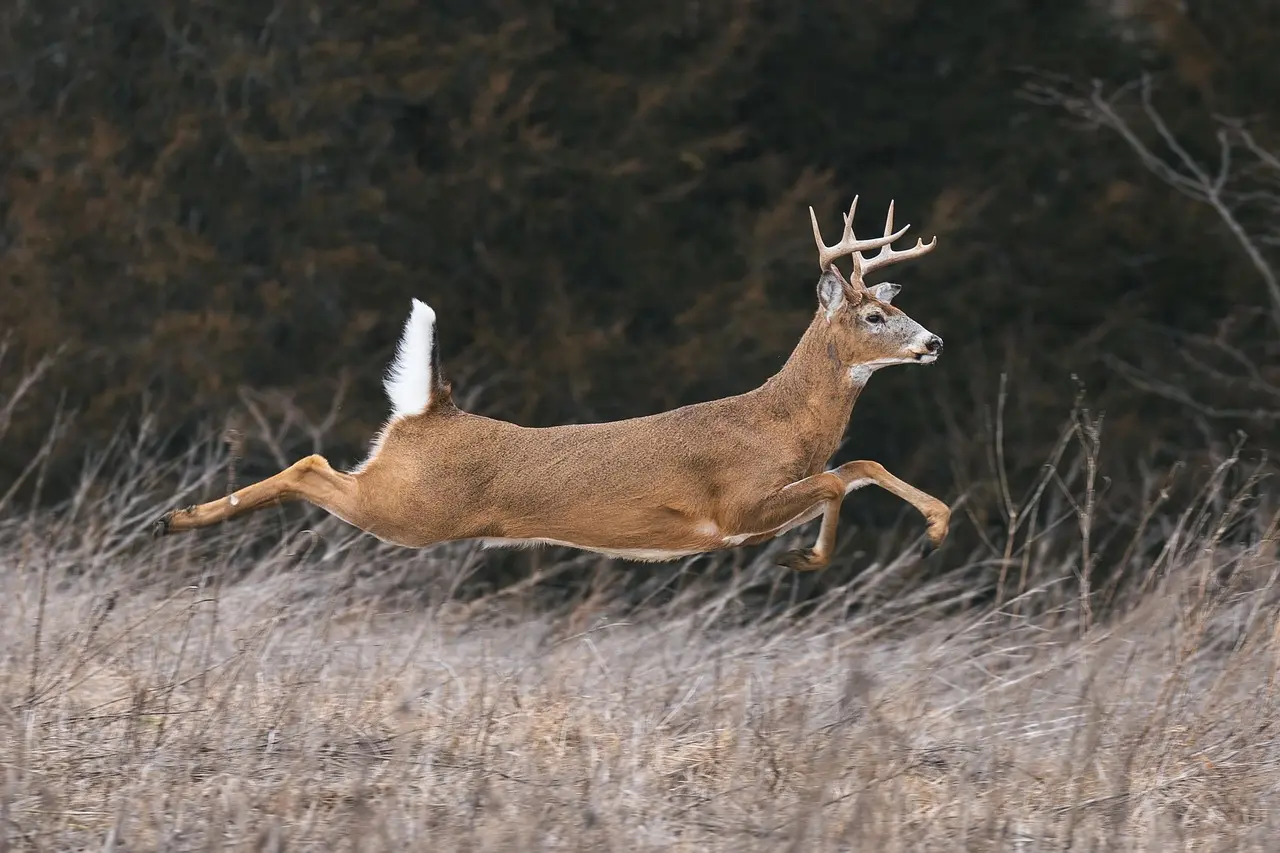
Do Deer Move More Before a Cold Front?
Deer often move more in the roughly 6 to 12 hours before a cold front, and the strongest window is often the last afternoon before arrival rather than during the front itself. Miss it, and you waste prime daylight with the wrong stand or the wrong wind. This guide breaks down pre-front, frontal, and post-front movement, plus the setups worth hunting and the windows to skip.
This guide is part of our Bowhunting the Whitetail Rut: Timing, Tactics and Late-Season Adjustments series.
Cold fronts and deer movement


A true cold front matters because it brings a change in temperature, pressure, and wind all at once. Deer do not react to every weather shift the same way, and a rain shower alone is not the same thing as a front. The best hunts usually come when the change is sharp enough to alter feeding, bedding, and daylight movement.
Whitetail deer behavior is driven by food, safety, environmental challenges, and weather conditions. They are naturally most active during dawn and dusk, and movement can increase when a cold front moves in. That increase is not automatic. It depends on where the deer are, what food is available, and how harsh the front becomes.
What changes in temperature, pressure, and wind matter most
The temperature drop matters because it can push deer to feed earlier and move with less stress. Pressure change matters, too, but it is not a magic switch. Wind direction often matters more than pressure alone because deer still need to avoid danger, and a poor wind can shut down a good setup.
Wind also shifts the best approach. A front often turns travel corridors into scent traps, especially on leeward sides where deer feel safer. If the wind blows your scent into bedding cover or into the line deer use to reach food, the window closes fast.
Why food, bedding, and daylight movement shift around fronts
As a front approaches, deer often trade daytime caution for food access. That is why food sources become more important around weather changes. Oak flats, agricultural fields, and food plots can all pull deer earlier than usual, especially when bedding cover is close and the weather is about to turn.
That movement can be food-driven or bedding-to-feed movement. Food-driven movement shows up when deer leave cover early to beat the front. Bedding-to-feed movement shows up when thick cover, cedar swamps, or other security cover gives deer a safe place to wait until the last light before feeding.
When a front is too weak to matter
Not every front creates a useful hunt. A weak change in cloud cover, a light shift in temperature, or a short rain event may not move deer enough to justify a full sit. Heavy wind, a bad access route, or a front that comes with unstable conditions can cancel the benefit.
Say your area gets a small rain band and the temperature only drops a few degrees. If the wind stays steady and the woods stay quiet, the result may be ordinary movement, not a true front window. In that case, the better choice is often to save the stand for a sharper change.
Do deer move more before a cold front?
Deer often move more before a cold front, especially in the roughly 24 to 48 hours leading up to it. The strongest activity usually shows up late in the day, when deer shift from bedding cover toward food before conditions get harsher. That said, the forecast has to call for a real front, not just a passing shower.
Why the 24-48 hour window often matters
This window matters because deer can sense a coming change in comfort and risk. They may feed earlier, travel farther, and step out of cover before the front arrives. The effect is strongest when the front includes a meaningful temperature drop and a wind shift that still leaves them able to move safely.
Adult bucks can be more selective than does and younger deer. Does and younger deer often move sooner and more openly when food is close. Mature bucks may hold tighter to bedding until the last safe hour, then move on the edges of fields, edges of cover, or along a hidden corridor.
Why the last few hours can be better than the whole day
The last few hours before passage are often stronger than the full day because deer time their movement around the shift itself. That late-afternoon push is common when the weather still feels calm enough for travel, but the deer know the front is close. The closer the front, the more important timing becomes.
A common first-timer mistake is sitting too early in the day on a marginal setup and burning the best evening movement. If the front is due near sunset, a stand over a known travel route into an oak flat or a field edge is usually a better bet than a deep-cover stand with no clear exit pattern.
Which deer are most likely to move early?
Does and younger deer are often the first to shift because food access matters to them and they are willing to move in less-than-perfect conditions. Mature bucks may move early too, but their movement is usually tighter to cover and more tied to bedding exit routes, especially if wind and access are right.
In the rut, bucks become more active, so a front can add to an already busy pattern. Outside the rut, the same front may only create a modest bump. That is why the forecast has to be read with the season in mind.
Do deer move during a cold front?
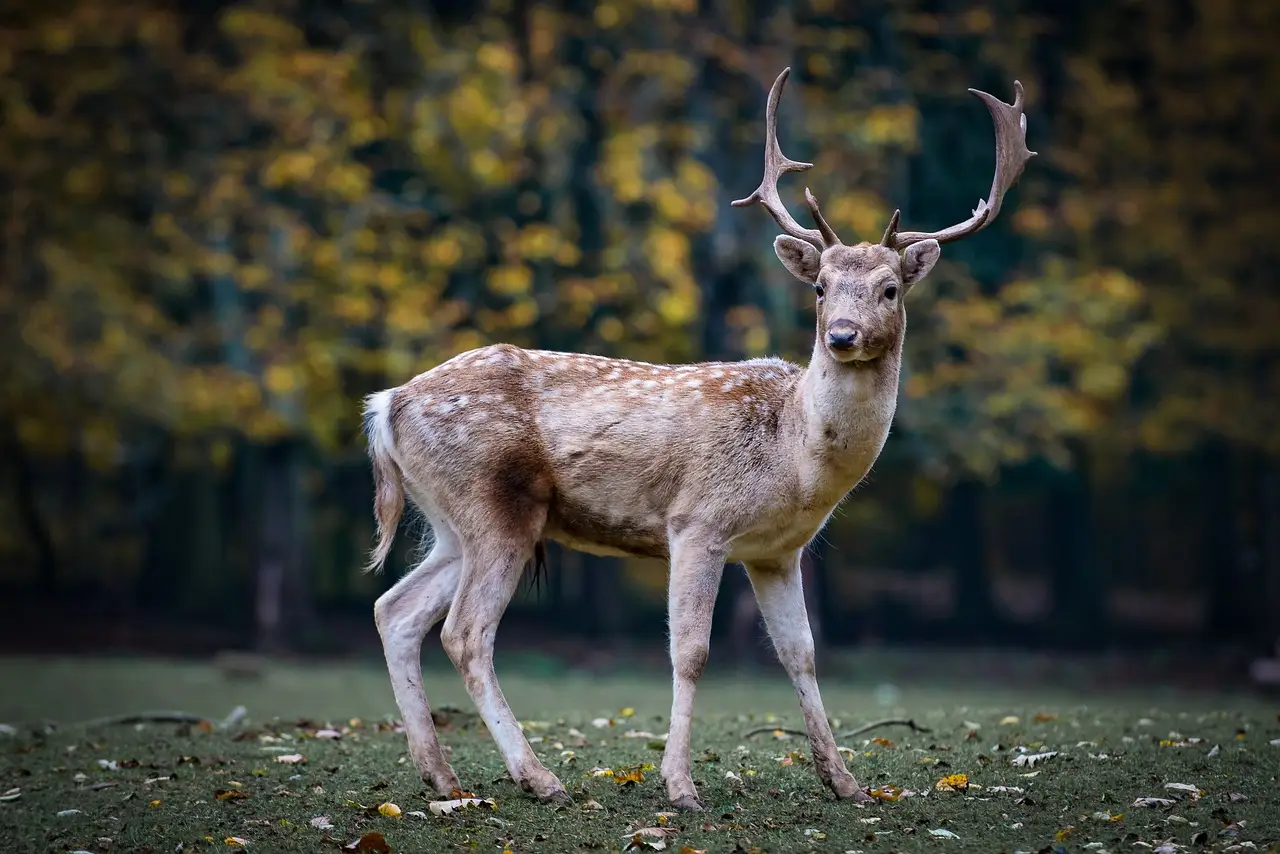
During a cold front, deer movement is often lower than in the hours just before or after. During passage, the weather often turns rough enough to reduce daylight movement, especially if wind rises, the temperature falls fast, or rain becomes heavy. Deer may still travel, but many will shorten their moves or stay tucked in cover.
What passage-day weather usually does to daylight movement
Heavy rain and downpours cause deer to hunker down. Thunderstorms are dangerous, and deer usually avoid exposed movement when lightning, strong wind, or driving rain makes travel uncomfortable. When the front arrives with those conditions, daylight movement often falls off instead of improving.
Rain can be very good for deer hunting, but it has to be the right kind. Light drizzle or mist is arguably the best condition. Steady, moderate rain is still very good. Heavy rain and downpours are different, because they usually suppress movement rather than encourage it.
How wind, rain, and fast pressure changes affect activity
Rain dampens sound, masks scent, and often gets deer on their feet. It can also help deer move ahead of a front, and deer may move during a light rain after a heavy one stops. That is useful for bowhunters because the woods get quieter and deer may feel less exposed.
Still, wind direction rules the setup. If the wind carries your scent into a corridor or bedding area, the deer will notice even in rain. Humidity and wet leaves can change odor spread, but they do not cancel bad wind or poor stand placement.
When the woods get too uncomfortable to hunt
If the front brings strong wind, pounding rain, or dangerous storms, the hunt can turn into a poor use of daylight. Visibility drops, branches move, and getting into position can spook deer before you ever settle in. In those cases, the smart move is often to wait for the window after passage.
Fog and mist are different from violent weather, but they still shrink sight lines. A bowhunter should shorten shot distance and set up closer to travel routes when visibility is low. Long shots are a bad trade when you cannot see a deer clearly from chest to vitals.
Do deer move more after a cold front?
The first calm day after a front can bring a rebound, especially if the wind settles and the temperature becomes more stable. Deer often resume normal feeding patterns once the roughest conditions pass. The best post-front hunt is usually tied to the first quiet, usable daylight, not the day of the storm itself.
Why the first stable day can rebound activity
The first calm day after passage can feel like a reset. Deer that stayed tight to cover may step out to feed, and daylight movement can return along the same food routes they used before the front. If the weather clears quickly, that rebound may happen earlier than expected.
The period right after rain is called a magic window. That can matter after a front because the rain has quieted the woods, washed the air, and left deer more willing to move. The key is whether conditions have stabilized enough for safe travel.
How sun, calm wind, and a new temperature pattern change travel
Calm wind makes travel easier to predict, but it can also make deer more alert if your scent hangs in the same lane. Sun on a stable day can warm a bedding edge and pull deer into feeding patterns later in the afternoon. The direction of movement often follows the best food and the safest cover, not just the temperature itself.
What matters more is often post-front calm or food availability. If the woods are calm and a food source is close to bedding cover, deer may move well. If food is scattered and the wind stays tricky, movement can still be slow.
Cold front decision table
| Timing | Expected deer movement | Best stand type | Best food-source setup | Go/no-go |
|---|---|---|---|---|
| 24-48 hours pre-front | Moderate to strong late-day movement, especially near feeding routes | Leeward edge stand near bedding exit trails | Oak flats, agricultural field edge, or food plot near cover | Go if wind is usable and access is quiet |
| Last few hours before passage | Highest odds of an afternoon spike, especially before sunset | Travel-corridor stand with short shooting lanes | Primary route from thick cover to a food source | Go if the front is real and the wind stays favorable |
| Front passage | Often reduced; deer may bed down or shorten travel | Low-visibility setup only if access is safe | Closest secure food source to bedding cover | No-go in heavy rain, dangerous wind, or storms |
| First calm day after | Rebound movement if weather stabilizes and food is nearby | Ambush on the first safe route out of cover | Food plots or field edges near thick cover | Go if conditions settle and deer can move naturally |
Best stand setups for front hunting
Leeward side setups often matter most because deer like areas that reduce direct wind exposure. A stand on the downwind side of a bedding area can catch deer as they move out to feed, but only if your scent stays out of the trail line. One wrong wind and the whole plan collapses.
Leeward side and wind direction
When the wind shifts with the front, the best stand may change with it. A setup that works on one wind can fail on the next. Bowhunters should think in terms of scent detection risk and travel corridor influence, not just the prettiest tree or the closest trail.
Food sources near bedding cover
The best front hunt often pairs a food source with nearby security cover. Oak flats can be strong when acorns are dropping. Agricultural fields and food plots can shine when deer want easy calories before a weather change. Thick cover and cedar swamps help explain where deer come from and where they want to return after feeding.
Shorter shooting lanes in low visibility
Fog, mist, and rain shorten sight lines. That means the smart setup is closer to the travel route, with shot distance reduced to what can be handled cleanly in poor visibility. If the lane is long enough to tempt a rushed shot, it is probably too long for that weather.
Suppose a field edge usually allows a 35-yard shot. In light mist, that same shot may become risky because you lose depth perception and target detail. Moving 10 to 15 yards closer to the trail can make the setup safer and more realistic.
When the forecast should keep you out
Skip the stand when the forecast points to heavy wind, dangerous storms, or a front that arrives with poor access conditions. A hunt that looks good on paper can turn bad if the route in is noisy, the wind is unstable, or visibility is too poor for a clean shot. Deer movement is only half the decision.
Heavy wind and poor stand access
Heavy wind can reduce movement and make your entry noisy. It also makes branches, ropes, and straps louder on the way in. If your access crosses open ground or forces you through bedding cover, the front is not worth the risk.
Fog, mist, and rain that shrink shot distance
Light drizzle or mist can be excellent, but it still limits how far you can shoot with confidence. Rain quiets the woods and changes scent behavior, yet it also makes judging range harder. Shorten your shot plan and stay within a distance you can hold steady without guessing.
Cases where deer movement is likely to fall off
Movement often falls off when the front is violent, fast, or paired with a big temperature swing that pushes deer into tight cover. If the woods are loud, the wind is bad, and the food source is exposed, the hunt can become low-odds very quickly. That is the time to stay home and save the good spot.
Frequently asked questions
Do deer move more before a cold front or after?
Both windows can be good, but they are not the same. Before the front, deer often push earlier to feed. After the front, the first calm day can bring a rebound if wind settles and the woods quiet down. The better choice depends on timing, access, and wind.
Do deer move more right before a cold front?
Often yes. The last few hours before passage can be the best window, especially the final afternoon before the front arrives. Deer may hurry their feeding cycle or shift from bedding to food before the weather turns rough, but only if the wind and cover still feel safe to them.
How do I hunt deer when a front is approaching?
Focus on food-source setups near bedding cover, and pick the leeward side that matches the wind. Check radar, time the front, and plan to be in position before the best window opens. Keep shots short in low visibility, and do not force a stand when access is loud or risky.
Should I stay in the stand when weather changes fast?
Stay only if the conditions still fit the setup. If the wind turns bad, storms build, or visibility collapses, the safer call is to climb down. If the change is a light rain or mist with a favorable wind, staying put can pay off because deer may move during and just after the shift.