How Far Can You Accurately Shoot a Deer with a Compound Bow?
A compound bow is accurate enough for deer at the distance where the smallest repeatable group stays inside a deer’s vital zone, and for many beginners that is about 20 to 30 yards. Miss that standard, and clean misses turn into wounded deer and lost opportunities. This guide explains how to set an ethical maximum range using group size, setup, and real practice standards.
What you’ll need before setting your range
- A tuned compound bow with the draw length fitted to the shooter
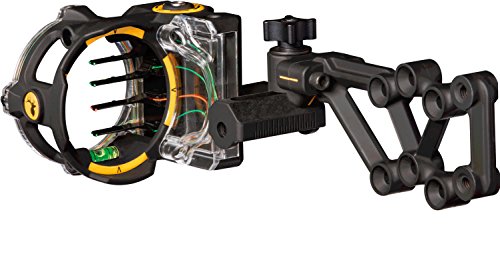
- A sight with pins set for the distances you will actually hunt
- A stabilizer to help keep the bow vertical and reduce hand torque
- A release aid matched to your shooting style
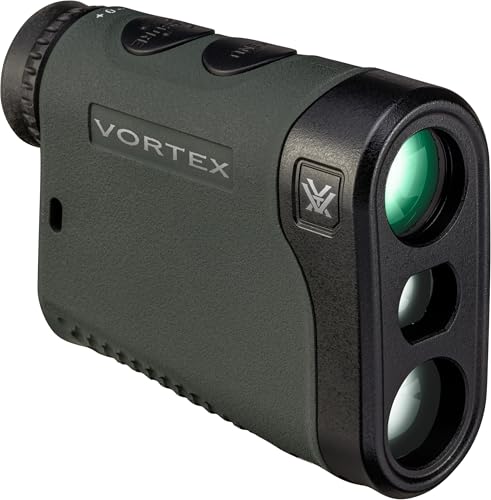
- A rangefinder for treestand, blind, and spot-and-stalk setup verification
- Arrows matched to spine, weight, and broadhead use
- Practice targets with a clear deer-size vital zone
Ethical range calculator
| Distance | Required group size | Common miss risks | Recommended hunter skill level |
|---|---|---|---|
| 20 yards | Every arrow inside a 4-inch vital area | Target panic, rushed release, misread pin float | Beginner to intermediate |
| 30 yards | Every arrow inside a 4-inch vital area, with margin | Small form errors, poor anchor, low-light doubt | Intermediate |
| 40 yards | Tight 3- to 4-inch groups on demand | Wind drift, distance misjudgment, buck fever | Strong intermediate to advanced |
| 50 yards | Tight 3-inch groups, repeatable under pressure | Pin gap error, steep angle, longer arrow time in air | Advanced |
| 60 yards | Very tight groups and field-tested control | Wind, fatigue, light loss, poor angle judgment | Advanced only |
This table stays conservative on purpose. A 2- to 4-inch miss can move an arrow from lungs to non-lethal tissue, especially on quartering shots or when the deer steps during the release.
Why max distance is not ethical range
Maximum arrow flight and ethical hunting distance are not the same thing. Modern compound bows use cams and cables to reduce holding weight at full draw, and let-off commonly ranges from 70% to 90%, but that does not make a long shot ethical by itself. Accuracy still depends on tuning, form, and accessories.
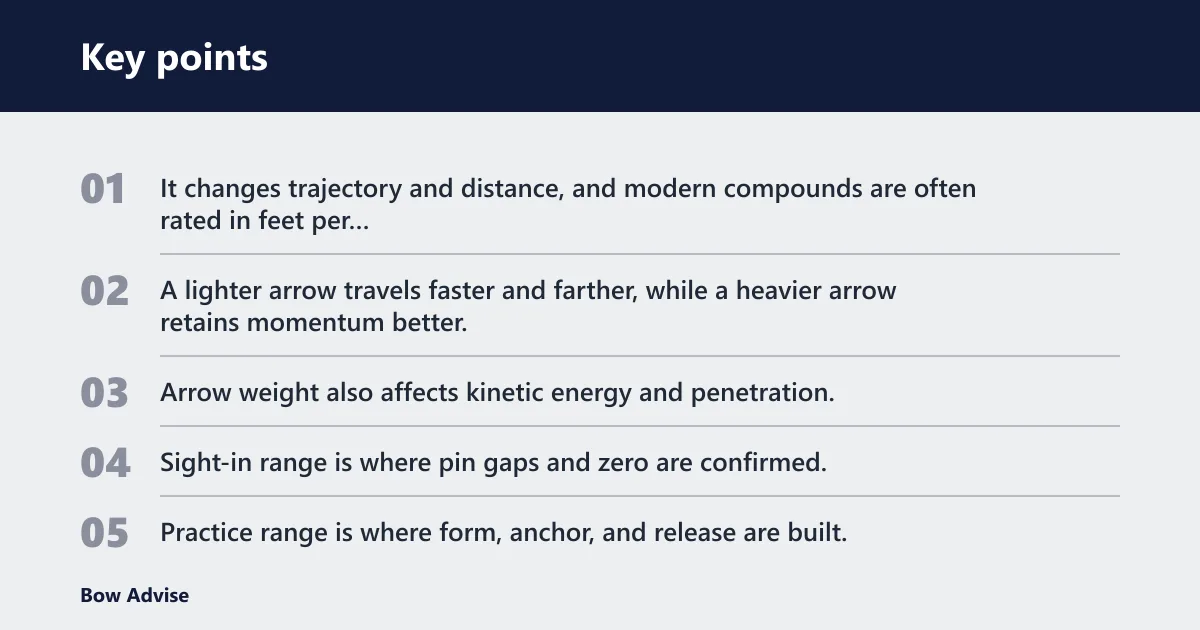
Arrow speed matters too. It changes trajectory and distance, and modern compounds are often rated in feet per second, but speed never fixes poor shot placement. A lighter arrow travels faster and farther, while a heavier arrow retains momentum better. Arrow weight also affects kinetic energy and penetration.
Separate practice range, sight-in range, and hunting range
These jobs are different. Sight-in range is where pin gaps and zero are confirmed. Practice range is where form, anchor, and release are built. Hunting range is the farthest distance where the worst group still stays inside a deer’s vital zone under real field conditions.
Suppose a hunter can group well at 40 yards on a calm range, but the same arrows open up when heavy clothing changes anchor pressure. The hunting range is not 40 yards. It is the farthest distance where that change does not break the group.
How to decide your max deer range
- Shoot from the farthest distance you expect in the field.
- Use a deer-size vital zone target, not a bullseye.
- Measure the worst group, not the best one.
- Keep only the farthest distance where every arrow stays inside vitals.
- Reduce that distance if wind, low light, or a steep angle is present.
The practical rule is simple: if the worst group at 40 yards leaks outside a deer’s vital zone, 40 yards is too far. If 30 yards stays tight but 40 yards opens up, the ethical limit is 30 yards, even if the bow can send an arrow much farther.
Use group size, not hope
Good form, a steady anchor, and a clean release matter more than bow specs. Pin float is normal at full draw, and it should be accepted rather than fought. Fighting it often creates target panic and a rushed trigger.
A common first-timer mistake is deciding range from a single perfect group. Say a shooter makes one tight three-arrow cluster at 50 yards, then the next group spreads four inches because the sight picture feels unstable. The ethical answer follows the wider group, not the lucky one.
How field conditions change the shot
Wind can push an arrow off line and change its path, so the same yardage is not the same shot in a crosswind. Verify distance with a rangefinder before release, especially in a treestand or on uneven ground. A missed yardage call at 35 or 40 yards can move impact far enough to matter on deer-size vitals.
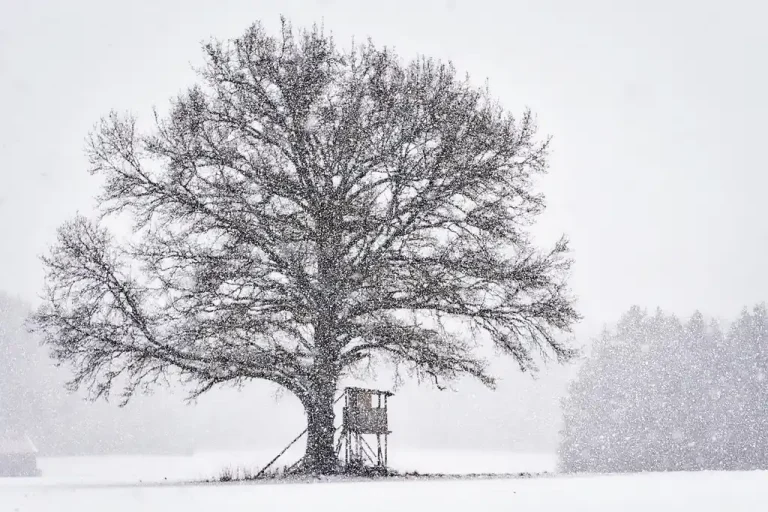
Treestand whitetail shots are often about 20 to 30 yards, and steep angles can make judging the impact point harder than on level ground. Heavy clothing can change anchor position. Low light can make pins blur. Each of those reduces margin for error.
Field conditions that should shorten range
- Wind that pushes the arrow or moves the deer
- Low light that makes pins or vitals hard to read
- Heavy clothing that changes string contact or anchor
- Steep treestand angles that alter the aiming point
- Buck fever that makes the sight picture and trigger feel rushed
Picture a 24-yard treestand shot on a calm morning. That can be a reasonable deer shot for a practiced bowhunter. Add a 35-yard angle with wind and a last-second range guess. That is a different shot, and usually a worse one.
What to tune before blaming distance
Compound bow tuning should include cam rotation and center-shot alignment. If the draw length is off, long-range consistency usually suffers first. A bow that feels “fine” at 20 yards can still open up badly at 40 or 50 yards because small setup errors grow with distance.
A stabilizer helps keep the bow vertical and reduces hand torque. A sight helps place pins at known distances. A rangefinder removes guesswork. Together, those parts do not create accuracy on their own, but they remove avoidable errors before the arrow leaves the string.
- Verify draw length fit at full anchor.
- Check cam timing and cam rotation.
- Set center-shot alignment to the manufacturer’s baseline.
- Confirm arrow spine and broadhead compatibility.
- Recheck sight pins after tuning.
Common mistakes
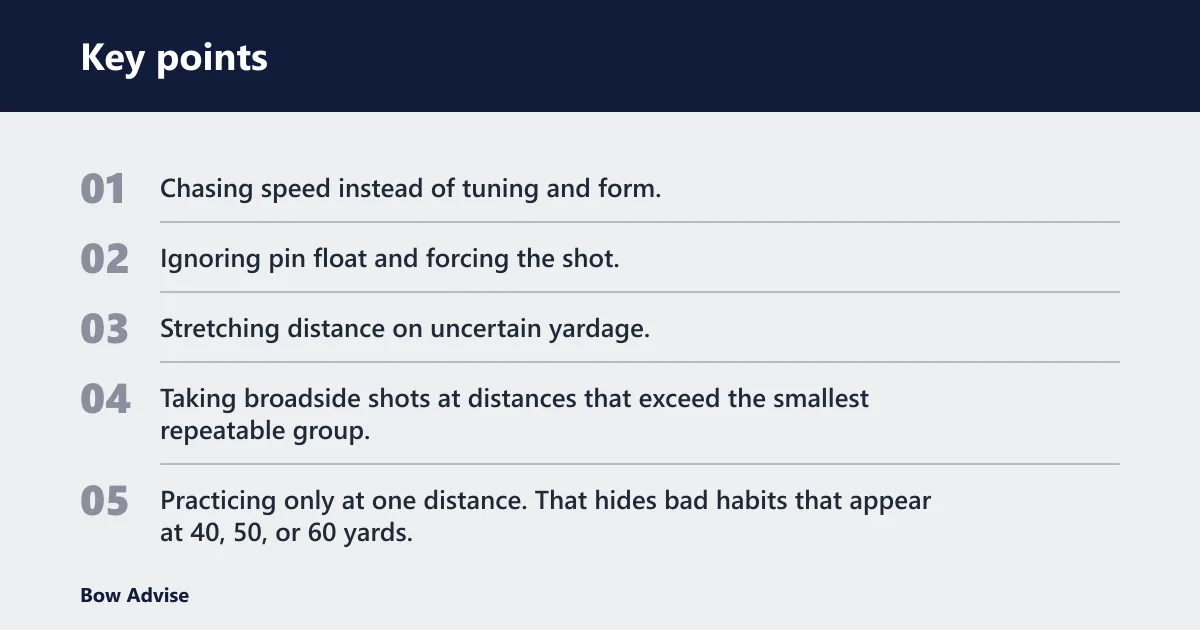
- Chasing speed instead of tuning and form. A faster arrow still misses if the bow is out of tune.
- Ignoring pin float and forcing the shot. Let the pin settle within the vital zone instead of snatching the release.
- Stretching distance on uncertain yardage. Use the rangefinder and pass the shot if the number is not certain.
- Taking broadside shots at distances that exceed the smallest repeatable group. The angle is good, but the range still has to fit the shooter.
- Practicing only at one distance. That hides bad habits that appear at 40, 50, or 60 yards.
Should practice be longer than hunting distance? Yes. Shooters are advised to start at 30 yards and increase by five or ten yards. That wider practice window reveals where form breaks down before the deer season opens.
How far to practice versus how far to hunt
Practice farther than the intended hunting distance so that the hunting distance feels controlled. If the goal is a 30-yard deer limit, practice at about 35 and 40 yards too. That exposes anchor drift, sight wobble, and release errors before they matter in the field.
Do not turn practice distance into hunting permission. A hunter who can keep arrows together at 50 yards on a target face still needs to ask whether real deer conditions leave enough margin for a clean hit.
Frequently asked questions
How far can I shoot a deer with a compound bow accurately?
The accurate distance is the farthest range where your worst group still stays inside deer vitals under hunting conditions. For many beginners, that is 20 to 30 yards. For stronger intermediate archers, it can be 40 yards, but only if wind, angle, and light are controlled.
What is the ethical maximum range for bowhunting deer?
There is no single universal maximum. Ethical range depends on repeatable group size, field conditions, and whether the shooter can keep every arrow inside deer-size vitals. Most bowhunters should stay within a 20- to 30-yard window, with treestand shots often landing closer to 20 to 30 yards.
How do I know if my bow setup is accurate enough for 30, 40, or 50 yards?
Shoot a deer-size vital target at each distance and compare the worst group, not the best one. If every arrow stays inside the vital zone at 30 yards, move to 40. If the group opens outside the zone at 40, stop there and shorten your hunting distance.
Does arrow weight affect how far a compound bow shoots?
Yes. Lighter arrows usually travel faster and farther, while heavier arrows retain momentum better and often penetrate better on game. The right choice depends on tuning, broadhead use, and the distance you plan to hunt. Speed alone does not make a shot ethical or accurate.
Should I practice at longer distances than I plan to hunt?
Yes. Start at 30 yards and add five or ten yards as control improves. Longer practice distance exposes flaws in anchor, release, and pin control that may not show up close in. That makes the real hunting distance more honest and easier to judge.
What distance is realistic for treestand deer shots?
Treestand whitetail shots are often 20 to 30 yards. That shorter window helps, but steep angle, wind, and low light still reduce margin for error. Use a rangefinder, keep the bow level, and treat any uncertain yardage as a reason to pass.
How does wind change a compound bow shot at longer range?
Wind can move the arrow and change its path, especially at 40 yards and beyond. A mild crosswind can push a shot out of the vital zone, and a stronger wind can do it quickly. Shorten distance when the wind makes the arrow path less predictable.
Is a compound bow more accurate than a recurve for deer hunting?
In general, a compound bow is easier to hold and tune for consistent sighted accuracy because cams and cables reduce holding weight. That does not remove the need for good form, proper draw length, or repeatable groups. Either bow can be ethical only inside the shooter’s real limit.