Traditional bow vs compound bow: which should you buy?
Buy a compound bow if you want the easiest start for hunting, backyard practice, or learning form; choose a traditional bow only if you want simplicity, lower cost, and lots of close-range practice time. Pick the wrong one and you can waste money, build bad habits, or quit early from frustration. I’ll break down beginner strength, practice time, budget, hunting use, and backyard use so you can choose the bow that fits your goals.
Traditional bow vs compound bow: the real trade-off

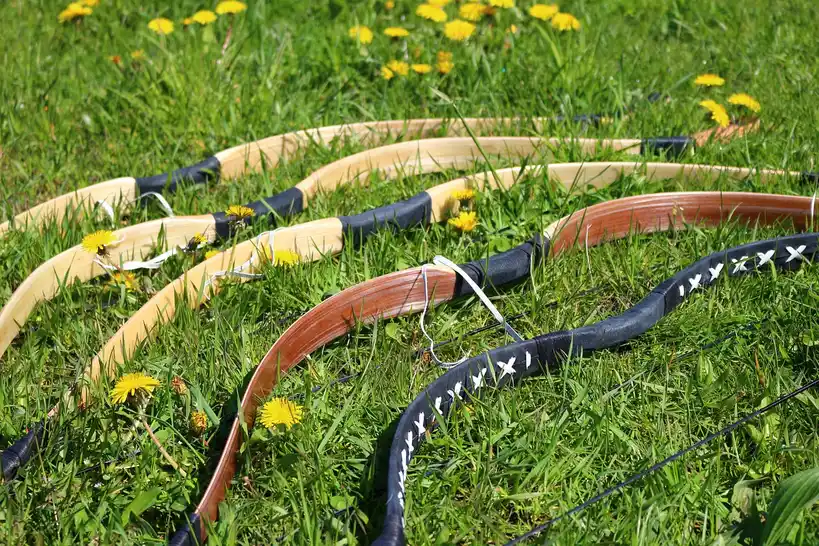
The core trade-off is simple: traditional bows are simpler, cheaper, lighter, and more hands-on, while compound bows are easier to hold and usually more accurate and powerful once tuned. I’ve watched beginners make solid progress with both, but the best choice depends on your budget, strength, practice time, and whether you plan to hunt.
| Factor | Traditional bow | compound bow: which should you buy | Winner |
|---|---|---|---|
| Cost / budget | Lower bow price and simpler starter setup; usually the cheaper entry point | Higher upfront price plus more accessories; starter cost can climb with sight, rest, arrow setup, release aid, and tuning work | Traditional bow |
| Learning curve | Harder to shoot well; sloppy form shows fast and basic competence usually takes longer | Easier to start once set up correctly; more forgiving and many beginners become functional sooner | compound bow: which should you buy |
| Physical effort / holding | More holding effort; you must hold more of the draw weight yourself with no let-off | Less strain at full draw thanks to the cam system and let-off | compound bow: which should you buy |
| Maintenance | Minimal upkeep; fewer moving parts and fewer things to tune, loosen, or replace | More tuning, inspection, and parts to manage; cams, pulleys, cables, and timing need attention | Traditional bow |
| Portability | Usually lighter and easier to carry; easier to live with when walking, moving through brush, or packing light | Heavier and more accessories to manage | Traditional bow |
| Speed and hunting readiness | Slower arrow speed and a shorter effective comfort window; requires better range discipline and cleaner shot selection | Faster arrow speed and better hold for hunting shots; can help with trajectory and practical hunting distance | compound bow: which should you buy |
| Best-fit use | Best for close-range practice, learning form, and beginners who want lower entry cost and lots of practice time | Best for the easiest start for hunting, backyard practice, learning form, and quick hunting readiness | Tie |
| Ongoing ownership / upkeep over time | Less ongoing attention and fewer moving parts mean fewer things to replace or adjust | More inspection of strings, cables, and timing, plus regular tuning and possible replacement parts | Traditional bow |
Budget
A traditional bow is usually the cheaper entry point because the design is simple and the part count is low. A compound bow usually costs more upfront, and the starter cost can climb once you add a sight, rest, arrow setup, release aid, and tuning work.
Learning curve
Traditional bows punish sloppy form fast. You feel every mistake in the shot, which is why many new archers need more time before they group arrows well. A compound bow is easier to start with because the let-off makes it simpler to settle into aiming, but only after it is tuned correctly.
Physical effort
If you are worried about upper body strength, the compound bow is the safer starting point. The cam system can reduce effort at full draw, so you may hold steadier with less strain. A traditional bow asks you to hold more of the draw weight yourself, shot after shot.
Maintenance
Traditional bows ask for less attention. I can inspect a string, check limb condition, and keep shooting. Compound bows need more regular tuning because of cams, pulleys, and cables, and a poor setup can turn into a frustrating month very quickly.
Portability
For walking to a target, moving through brush, or packing light, traditional bows can be easier to live with. Recurve bows are especially handy here because of their light nature, and longbows stay simple. Compound bows carry more parts, more accessories, and more weight.
Speed and hunting readiness
Compound bows are often faster, which can help with trajectory and practical hunting distance. Traditional bows are slower, so you need better range discipline and cleaner shot selection. For hunting, I care about hold stability, arrow speed, and the ability to repeat a shot under pressure.
According to Traditional vs. Compound Bows: Which One is Right for You? — Compound bows were developed in the 1960s.
What is a traditional bow?
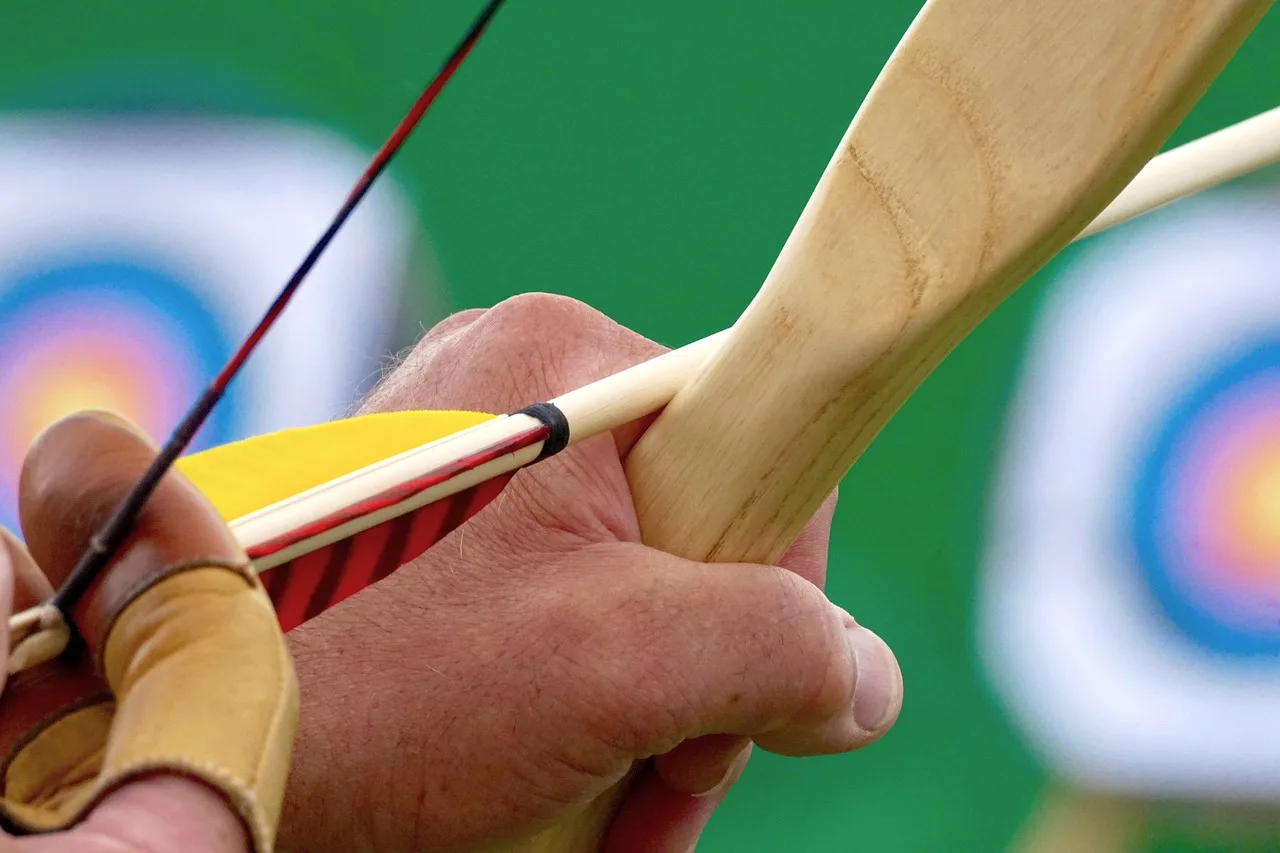
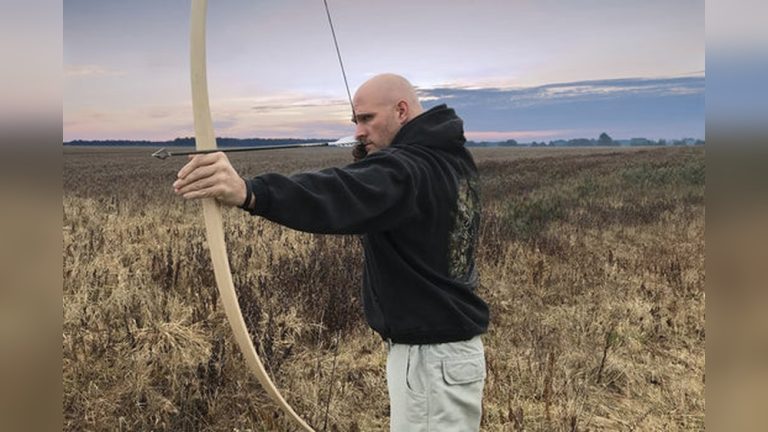
A traditional bow is a simple bow with no complex mechanisms. It has fewer moving parts, minimal upkeep, and a very direct shot feel. That simplicity is why many beginners like it, but it also means the archer must supply more skill, more consistency, and more practice.
Recurve bow vs longbow
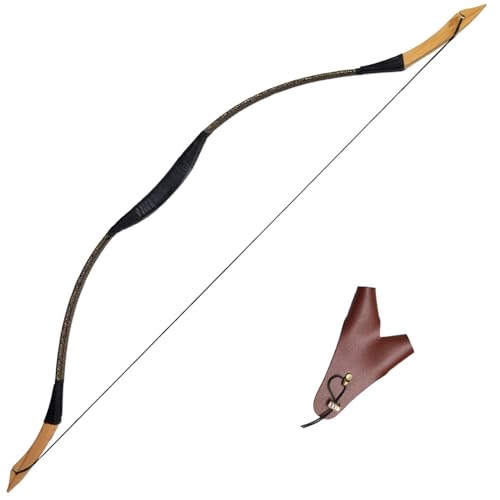
A recurve bow has limbs that curve away from the archer at the tips, and it is usually lighter to carry than a compound bow because of its light nature. A longbow is the simple stick-and-string style that takes a D shape when strung, and it is harder to shoot accurately because it leans more on skill and instincts.
Eye dominance matters: a left-eye-dominant archer often aims more naturally with a left-hand bow. My groups tightened after a couple of weeks, and the change reminded me that fit matters as much as style. On a traditional bow, poor fit shows up quickly.
How fewer moving parts change setup, maintenance, and carry weight
Fewer moving parts mean fewer things to tune, loosen, or replace. That helps in the field and in the backyard. It also means you won’t get the same help from equipment when your form is off, so the bow teaches more and forgives less.
Where traditional bows fit for beginners
Traditional bows work best for beginners who want close-range practice, a lower entry cost, and a stronger focus on form. They are a good fit if you have time to practice often and you do not mind slower progress. If you want quick hunting readiness, they are usually not the easiest first step.
What is a compound bow?
A compound bow uses a cam system, pulleys, and cables to reduce effort at full draw. That design makes holding easier, and it also makes the bow highly adjustable for draw weight and draw length. The trade-off is more setup, more upkeep, and more parts to get right.
How cams, pulleys, and cables work
The cam system changes how the bow feels through the draw cycle. Once you reach full draw, you hold with less strain, which is a big advantage for new archers and hunters. The design also lets the bow store and transfer energy efficiently when tuned well.
Why adjustable draw weight matters for beginners
Adjustable draw weight matters because beginner comfort drives consistency. I have seen archers buy bows too heavy for their strength, then flinch for weeks and wonder why their groups never settle down.
Accessory and tuning costs you should expect
A compound bow usually needs more than the bare bow to be useful. A compound bow may need a sight, rest, release aid, arrow setup, and a proper tune. Replacement parts and periodic tuning also matter, so the real price is more than the sticker price.
Which bow is easier for beginners?
A compound bow is easier for most beginners because it reduces holding effort and is more forgiving once it is set up well. A traditional bow can still be a smart first bow if you want to learn pure form, but it demands more practice and more physical control before your groups become reliable.
Learning curve and timeline to basic competence
With a compound bow, many beginners become functional sooner because they can aim and hold without as much strain. With a traditional bow, basic competence usually takes longer because every part of the shot depends on repeatable body position, anchor point, and release. I usually expect more reps before the groups tighten on a traditional setup.
How much upper body strength each bow demands
Draw weight affects holding effort on both bow types, but it matters more on a traditional bow because there is no let-off to help you at full draw. A beginner should match draw weight to real strength, not ego. If the bow is too heavy, form breaks first, then accuracy, then confidence.
Common beginner mistakes: too much draw weight and poor tuning
The two biggest failure cases I see are a bow that is too heavy and a compound that is poorly tuned. Too much draw weight causes shaky anchors, rushed release, and flinching. Poor tuning creates bad flight and bad groups, even when the archer is doing everything else right.
- Match draw weight to the weakest honest shooting position you can hold cleanly.
- Choose a setup you can draw, anchor, and release without strain.
- For a compound, confirm tune before judging your own shooting.
- For a traditional bow, accept that practice volume matters more than accessory help.
Which bow is cheaper to start with?
A traditional bow is usually cheaper to start with, but the real answer depends on what you count as “start.” If you only buy the bow, traditional wins often. If you count a complete hunting or target setup, a cheap compound can end up costing more once you add the needed accessories and tuning work.
Bow price vs full starter setup cost
This is where many buyers get surprised. The bow itself is only part of the cost. For a compound, the full starter setup often includes more pieces, and that extra gear matters if you want a bow that shoots well instead of one that only looks ready.
Replacement parts and maintenance costs over time
Traditional bows usually need less ongoing attention because they have fewer moving parts. Compound bows often need more inspection of strings, cables, and timing, plus regular tuning. That does not make them bad; it just means the ownership cost is higher over time.
When a cheaper bow is not the cheaper path
A bargain bow can become expensive if it is wrong for your strength or poorly set up. I would rather see a beginner spend a little more on the right draw weight than save money on a bow they hate shooting. Bad fit is a cost, even if the receipt looks small.
How do they compare for hunting and backyard shooting?
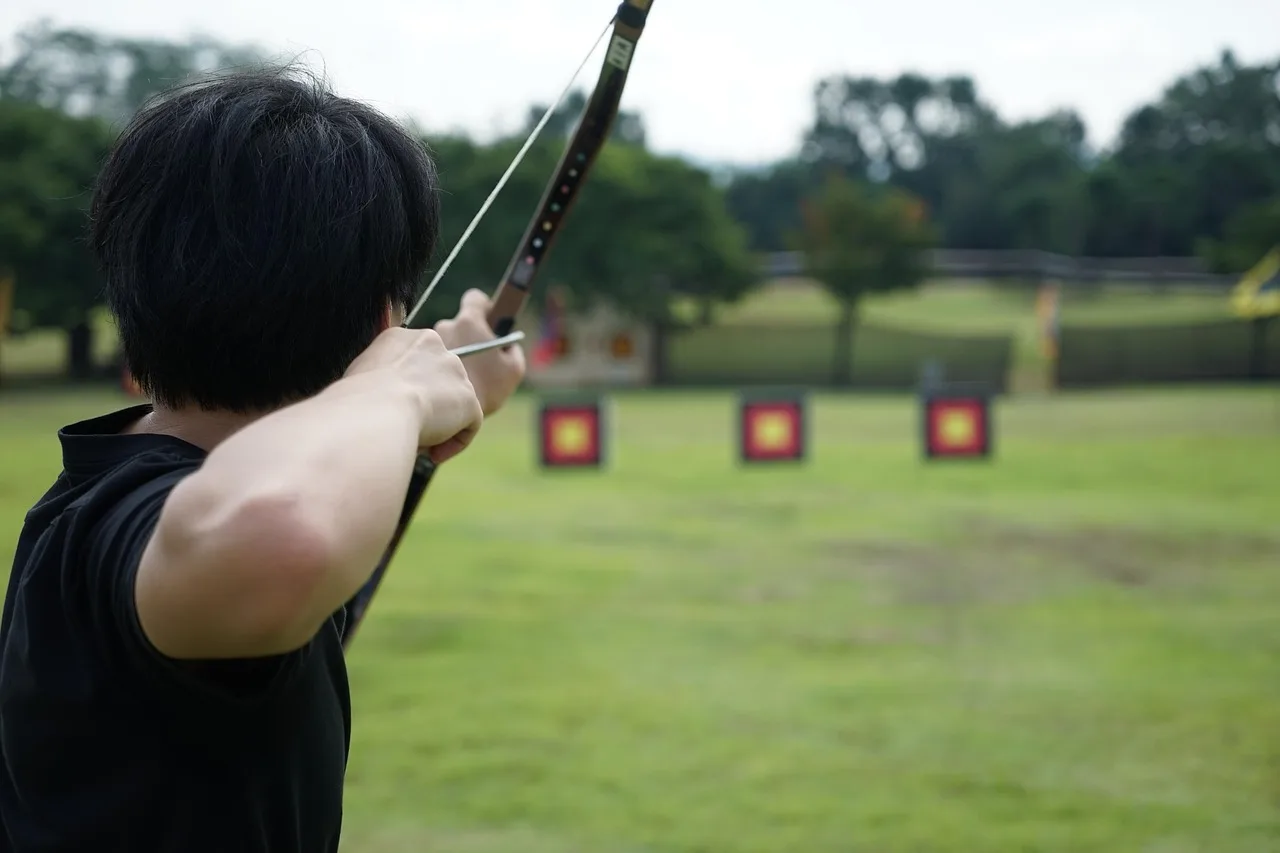
For hunting, the compound bow usually has the edge because it is easier to hold, faster, and better suited to longer shots when tuned. For backyard practice, a traditional bow can be more pleasant because it is quieter, lighter, and simpler to grab for a short session. The right bow depends on where and how you shoot most often.
Noise, portability, and carry comfort in the field
Traditional bows are quieter for hunting, which matters when you want to stay discreet at close range. They are also easier to carry, especially on long walks or when moving through brush. Compound bows are still huntable, but they bring more gear and more noise management to the job.
Arrow speed, trajectory, and range
Compound bows send arrows faster, and that helps with trajectory and practical distance. Traditional bows are slower, so range judgment matters more and small aiming errors show up faster. If you want a more forgiving hunting rig at common field distances, compound is usually the better tool.
Which bow is better for target shooting?
For pure target shooting, a compound bow is usually more accurate for most beginners because it is easier to hold steady and tune consistently. A traditional bow can be deeply rewarding, but it asks more of the shooter. If your goal is tight groups sooner, compound is the safer pick.
Choose traditional bow if… / Choose compound bow if…
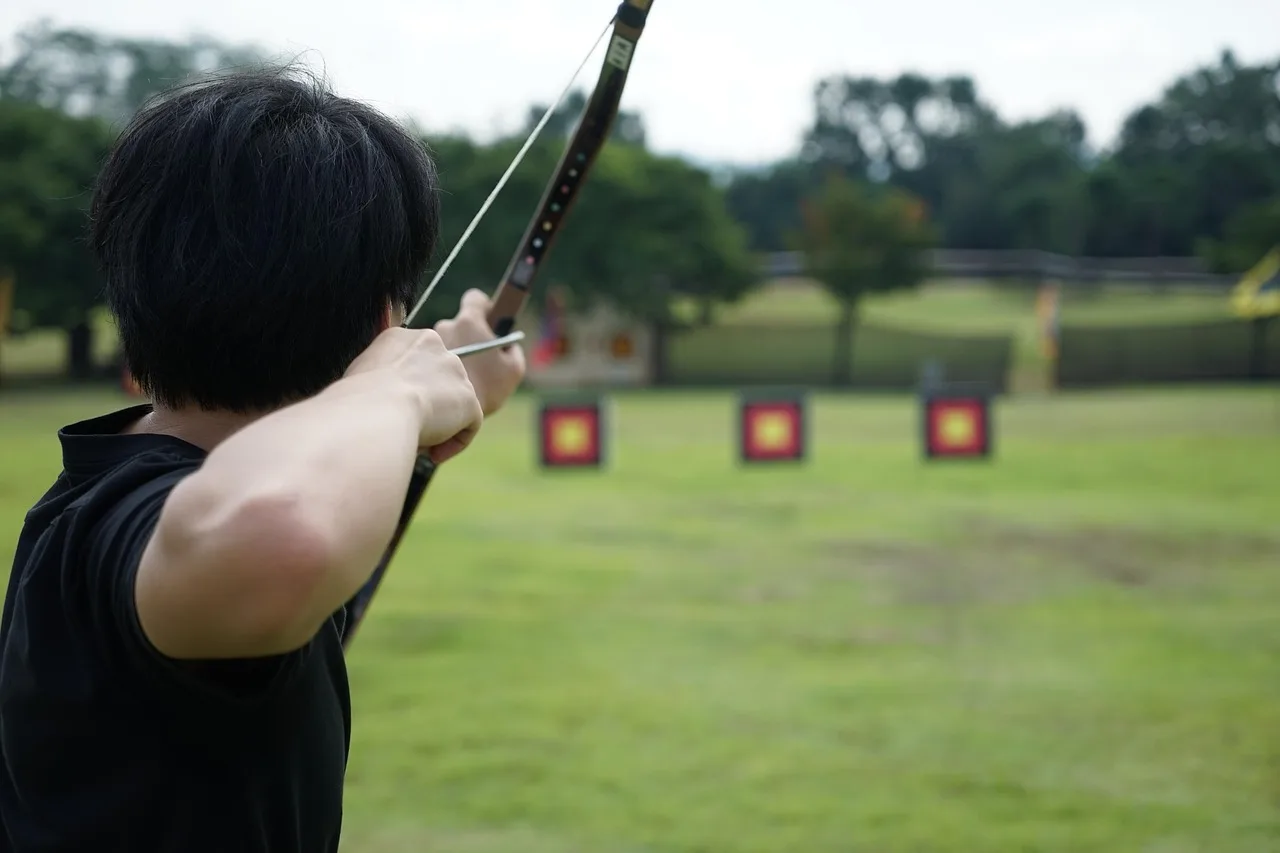
Choose a traditional bow if you want a simpler setup, lower entry cost, lighter carry weight, and a bow that keeps maintenance low. It also fits you if you plan to shoot a lot at close range, enjoy the learning process, and do not mind slower progress.
Choose a compound bow if you want an easier start, care about hunting readiness, need help holding at full draw, or want faster progress toward useful accuracy. It is the better pick if you have limited practice time and want a bow that supports repeatable shooting once tuned.
Buyer checklist by score
| Score range | Budget | Learning curve | Physical effort | Maintenance | Portability | Hunting readiness | Recommended bow type |
|---|---|---|---|---|---|---|---|
| 1-2 | Very tight budget | You want the simplest path | You need low strain | You want minimal upkeep | You care about a light carry | Hunting is not the main goal | Traditional bow |
| 3-4 | Moderate budget | You can accept some setup help | You have decent strength | You can handle tuning | Portability matters some | You may hunt later | Depends on goal, lean compound for hunting |
| 5-6 | You can fund a full setup | You want quicker competence | You want less holding strain | You do not mind regular upkeep | Extra gear is acceptable | You want hunting-ready performance | Compound bow |
Best fit by use case
Hunting: I would steer most new hunters toward a compound bow. The hold, speed, and adjustment range make it easier to build confidence in the field.
Backyard practice: If you want quiet, simple sessions and close-range work, a traditional bow is a strong choice. If you want faster progress toward practical accuracy, compound wins.
Learning fundamentals: Traditional bows teach clean form fast, but they do it the hard way. If you want a gentler start with fewer physical barriers, compound is easier.
Frequently asked questions
Should I buy a traditional bow or a compound bow?
Buy a compound bow if you want an easier start for hunting, backyard practice, or learning form. Buy a traditional bow if you want a simpler setup, lower entry cost, and more hands-on practice. Your choice should match your strength, patience, and how much setup you want to manage.
Is a compound bow easier for beginners than a traditional bow?
Yes, for most beginners it is easier because the cam system reduces effort at full draw and helps you hold steadier. That said, a compound only feels easy when it is set up correctly. A bad tune or too much draw weight can make it frustrating fast.
Which bow is cheaper to start with, traditional or compound?
A traditional bow is usually cheaper to start with because the bow itself and the starter setup are simpler. But I do not treat price as the only number. If you need a full hunting setup with accessories and tuning, the gap can shrink more than people expect.
Which bow is better for hunting, traditional or compound?
A compound bow is usually better for hunting because it is easier to hold, faster, and more forgiving when you need a clean shot under pressure. Traditional bows are quieter and lighter to carry, but they demand more skill and tighter range discipline in the field.
How much practice does a traditional bow take compared with a compound bow?
A traditional bow usually takes more practice to reach the same level of basic consistency because it gives you less mechanical help. A compound bow can get a beginner to useful accuracy sooner if the fit and tune are right. The trade is that compounds demand more setup discipline.
Do compound bows need more maintenance than traditional bows?
Yes. Compound bows need more maintenance because they use cams, pulleys, and cables, so string inspection, tuning, and timing matter more. Traditional bows have fewer moving parts and minimal upkeep, which makes them easier to live with if you want simple ownership.