Beginner Compound Bow Vs Expensive: Which Should You Choose?
If you’re new to archery, you might wonder: should I start with a beginner compound bow or invest in an expensive high-end model? The answer isn’t always clear. Your choice affects not just your budget, but also your progress, enjoyment, and even safety. Many beginners believe pricier bows are always better, but this isn’t always true. Understanding the real differences between entry-level and premium compound bows can help you make a smart decision, and avoid costly mistakes that many newcomers regret.


What Is A Compound Bow?
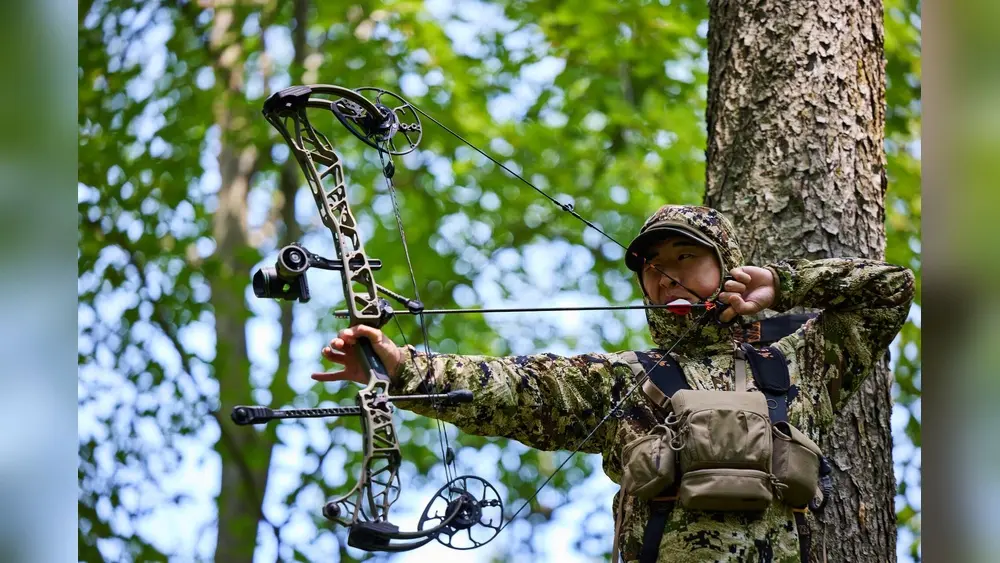
A compound bow is a modern bow using cables and pulleys to bend the limbs. This design makes drawing the bowstring easier, especially at full draw. Compound bows are popular for target shooting and hunting because they offer high speed, accuracy, and consistency. Both beginner and expensive compound bows share this basic mechanism, but the details set them apart.
Key Differences: Beginner Compound Bow Vs. Expensive Models
Understanding what sets these bows apart is vital. Let’s break down the main differences:
Materials And Build Quality
Beginner compound bows are often made from aluminum alloys or basic fiberglass. They’re strong enough for regular use, but not as durable or lightweight as high-end materials. Expensive bows use carbon fiber, aircraft-grade aluminum, or even custom composites. These materials make the bow lighter and more resistant to wear.
Performance Features
High-end bows often include advanced features such as:
- Adjustable draw weight and length with fine-tuning options
- Smoother cams for easier draw cycles
- Noise and vibration dampeners for quieter shooting
- Custom grips for better comfort
Entry-level bows usually have fewer adjustment options and basic accessories. While they are reliable, they can feel stiff or noisy compared to their premium counterparts.
Price Range
Beginner compound bows usually cost between $150, $400, including basic accessories. Expensive models can range from $700 to $1,500 or more, and often require you to buy extra accessories separately.
Accuracy And Consistency
Expensive bows are designed for maximum accuracy. Their smooth draw cycles, better balance, and quality strings reduce user error. Beginner bows are accurate enough for new archers but may have more noticeable vibration or “hand shock.”
Ready-to-shoot Packages
Most starter bows come as ready-to-shoot packages with sight, rest, arrows, and quiver included. High-end bows are often sold “bare,” so you must buy and install each accessory yourself.

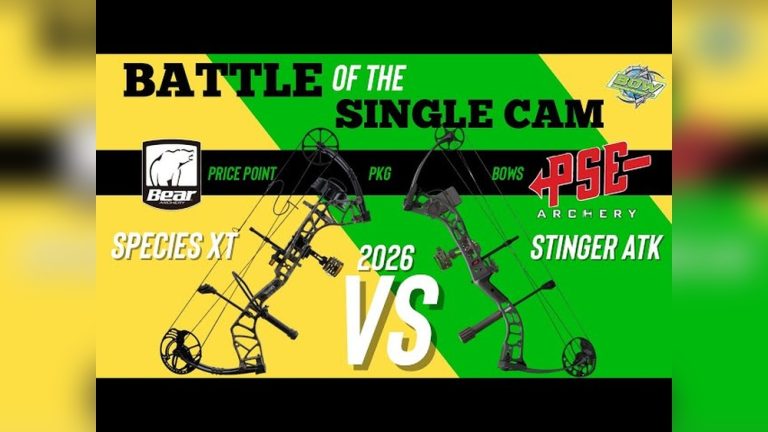
Credit: www.youtube.com
Pros And Cons Of Beginner Compound Bows
Let’s look at what you gain and what you sacrifice with an entry-level bow.
Advantages
- Affordability: Lower cost makes it easier to start archery without a big investment.
- Simplicity: Fewer tuning options mean less confusion for new shooters.
- All-in-One Packages: You get everything you need to start, with less hassle.
- Forgiving Design: Many beginner bows are designed to be more forgiving of mistakes, which helps learning.
Disadvantages
- Limited Adjustability: Fewer options for draw length and weight as you grow.
- Lower Resale Value: These bows lose value quickly if you upgrade.
- Heavier and Louder: Basic materials can make the bow heavier and noisier.
- Accessory Quality: Included sights and rests are usually lower quality and may need upgrading soon.
Example: The Beginner’s Experience
When I first started, I chose a beginner compound bow package. It was easy to set up and felt comfortable. But after six months, I noticed limitations: the draw weight adjustment didn’t go high enough as I got stronger, and the basic sight made precision difficult. This is a common path for many new archers.
Pros And Cons Of Expensive Compound Bows
Now, let’s explore what you get, and what you risk, by investing in a premium bow early.
Advantages
- High Performance: Smoother draw, less vibration, and better accuracy.
- Customization: You can tailor every part to your needs, draw length, draw weight, grip style, stabilizer, and more.
- Durability: Top materials last longer and handle more wear.
- Upgrade Path: Accessories and components can be swapped or upgraded easily.
Disadvantages
- Cost: The price tag is high, and accessories add even more cost.
- Complexity: More tuning means a steeper learning curve.
- Not Always Beginner-Friendly: Some expensive bows are designed for experienced archers and can be less forgiving if your form is not perfect.
- Bare Bow Sales: You need to research and buy each accessory, which can be confusing for first-timers.
Example: Advanced Bow Ownership
A friend of mine invested in a high-end bow right away. He loved the smooth draw and adjustability, but struggled to set it up. He had to visit a pro shop several times for tuning, and the total cost (with accessories) was much higher than expected.
He admitted later that a simpler bow might have made his first year more enjoyable.
Side-by-side Comparison
Here is a detailed comparison to make the differences clear:
| Feature | Beginner Compound Bow | Expensive Compound Bow |
|---|---|---|
| Price | $150, $400 (with accessories) | $700, $1,500+ (bare bow) |
| Materials | Aluminum, fiberglass | Carbon fiber, high-grade aluminum |
| Adjustability | Basic; limited range | Wide; fine adjustments possible |
| Weight | Heavier | Lighter (often) |
| Performance | Good for learning | Excellent for accuracy/speed |
| Noise/Vibration | More vibration; louder | Very quiet; minimal vibration |
| Accessories | Included; basic | Separate purchase; high-quality |
Who Should Buy A Beginner Compound Bow?
A beginner bow is a smart choice for most people who are new to archery, including:
- Teenagers and younger shooters: Growing archers need adjustable draw weight/length, but don’t benefit from expensive features.
- Casual shooters: If you plan to shoot for fun or just a few times per year, a basic bow meets your needs.
- Budget-conscious buyers: Want to try archery without a big commitment? Start simple.
- Those unsure about long-term interest: If you’re not sure archery is for you, it makes sense to start with a lower investment.
Pro Tip: If your beginner bow becomes limiting, you can always upgrade and keep your first bow for friends or family to use.

Credit: www.youtube.com
Who Should Consider An Expensive Compound Bow?
High-end bows are best for archers who:
- Compete in tournaments: Advanced features are needed to match other serious competitors.
- Hunt regularly: Lightweight, quiet bows with custom tuning are ideal for hunting situations.
- Value precision and customization: If you want to control every detail and get the most from your equipment, a premium bow is worth it.
- Have experience: If you’ve shot before and know what you want, a high-end bow makes sense.
If you’re committed to archery for the long term and want to push your skills, investing in a better bow early can save time and money later.
Common Mistakes Beginners Make
1. Overestimating Skills
Many new archers assume they need the best gear right away. In reality, technique matters more than equipment for your first year.
2. Ignoring Proper Fit
A bow that doesn’t match your draw length or strength will hurt your accuracy and can even cause injuries. Always get measured at a pro shop.
3. Skipping Lessons
No bow, no matter how expensive, will fix poor form. Beginners often buy top-end bows expecting instant results, but lessons provide better long-term gains.
4. Forgetting Hidden Costs
Expensive bows require more than just the bow itself. You’ll need to budget for:
- Arrows ($50, $150 per dozen)
- Release aid ($30, $150)
- Sight ($50, $300)
- Arrow rest ($20, $100)
- Quiver, stabilizer, case, etc.
These add up quickly and can double your total cost.
5. Not Trying Before Buying
Every bow feels different. Visit an archery shop and test several models before purchasing. Comfort and “feel” are just as important as specs.
How To Choose The Right Bow For You
It’s easy to get overwhelmed by options. Here’s a simple process to choose the best bow for your needs:
1. Set Your Budget
Decide what you’re comfortable spending, including accessories.
2. Visit A Pro Shop
Get measured for draw length and draw weight. Ask to try several bows in your price range.
3. Focus On Fit And Comfort
Don’t worry about the most advanced features. Make sure the bow feels good in your hand and is easy to draw.
4. Ask About Upgrade Options
Some beginner bows allow for future upgrades. This can save money if you want to improve parts later.
5. Take A Lesson
Even one hour with a coach will help you understand what to look for and avoid common mistakes.
Are Expensive Bows Worth The Money?
If you’re new, an expensive bow won’t make you a better archer overnight. The extra money pays for:
- Precision engineering
- Customization
- Top-tier materials
- Long-term durability
These advantages matter more as you develop your skills. For a beginner, the key is to find a bow that fits well, is easy to use, and keeps you excited to practice.
Real-world Example: Upgrading After A Year
In my experience, starting with a mid-range beginner bow was the right choice. After a year, I understood what features I wanted, lighter weight, smoother draw, better sight. Only then did I upgrade to a more expensive model, and the improvement was dramatic because my form was solid. Many archers follow this path and avoid buyer’s regret.
Data: Popular Compound Bow Models
Here’s a look at some popular models and their typical price ranges:
| Brand & Model | Type | Price Range | Best For |
|---|---|---|---|
| Bear Archery Cruzer G2 | Beginner | $300, $400 | All-around starter |
| Diamond Infinite Edge Pro | Beginner | $350, $450 | Youth and adults |
| Mathews V3X | Expensive | $1,200, $1,400 | Advanced hunters |
| Hoyt RX-7 | Expensive | $1,700, $1,900 | Competitive archers |
| PSE Stinger Max | Beginner | $350, $450 | New archers |
For more on compound bow models and specs, check out the Wikipedia page on Compound Bows.
How To Upgrade From A Beginner Bow
If you start with a basic bow, there’s a simple path to upgrading:
- Replace accessories first. Upgrading your sight, rest, or stabilizer can improve performance without buying a new bow.
- Increase draw weight as your strength improves.
- Save for a higher-end model once you understand your shooting style and preferences.
- Sell or gift your old bow. Many beginners keep their first bow as a backup or lend it to friends.
Maintenance And Longevity
Both beginner and expensive bows need regular care:
- String waxing: Prevents fraying and extends life.
- Bolt checks: Make sure all screws are tight before each use.
- Store properly: Avoid heat and moisture to prevent damage.
Expensive bows may last longer, but only if maintained correctly. Neglect can ruin any bow, no matter the price.
Two Insights Beginners Often Miss
- You’ll Outgrow Your First Bow: It’s normal to want a better bow after a year or two. Plan for this, and don’t overspend at the start.
- Accessories Matter More Than Most Think: Quality sights, rests, and arrows often improve accuracy more than the bow itself, especially in the first year.
Frequently Asked Questions
Credit: huntwise.com
How Much Should I Spend On My First Compound Bow?
Start with a budget you feel comfortable losing if archery isn’t for you. For most people, $300, $500 (including accessories) is a safe range. This covers a good beginner bow and the basics you need to shoot.
Can I Use A High-end Compound Bow As A Beginner?
You can, but it’s often harder to set up and tune without experience. Many features are designed for advanced archers, and the learning curve can slow your progress if you’re not familiar with tuning and maintenance.
What Accessories Do I Need With A Beginner Compound Bow?
At minimum, you’ll want a sight, arrow rest, quiver, release aid, and arrows. Most beginner packages include these, but quality varies. Upgrade accessories as you improve for better results.
How Long Will A Beginner Compound Bow Last?
With proper care, a beginner bow can last several years. Many archers keep their first bow as a backup after upgrading. Strings should be replaced every 1, 2 years depending on use.