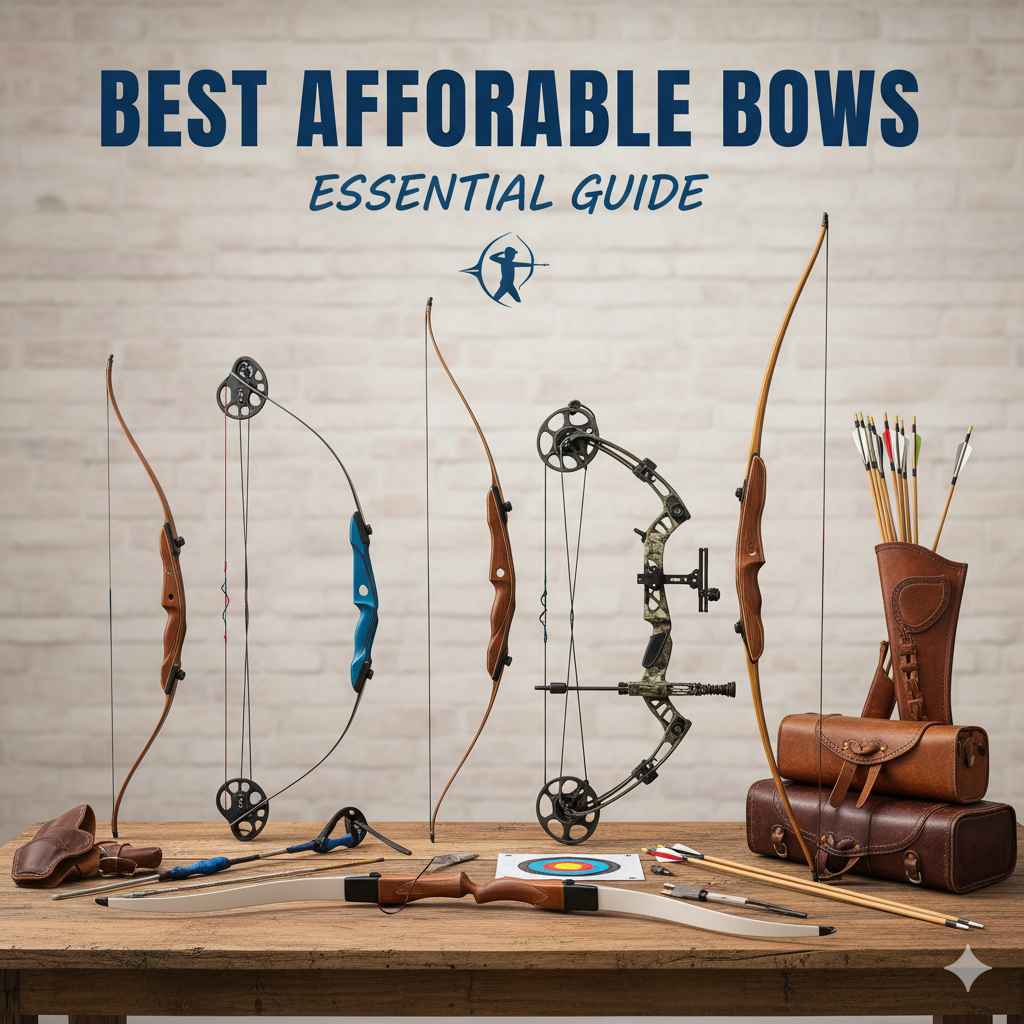
Best Affordable Bows: Essential Guide
Discover the best affordable bows for archery beginners! This guide breaks down finding quality, budget-friendly options that feel great and perform well, ensuring you start your archery journey without breaking the bank. We’ll help you choose a bow that’s perfect for your first arrows.
This guide is part of our Archery basics: beginner guide to bows and shooting series.
Ever dreamed of hitting the bullseye or simply enjoying the quiet focus of archery? It’s a fantastic sport, but sometimes the gear can seem a bit pricey. You might feel stuck, wondering how to get started without spending a fortune. Don’t worry, getting into archery doesn’t need a huge investment. There are plenty of excellent, affordable bows out there that are perfect for beginners. We’re here to guide you through finding exactly what you need. Let’s explore how you can start shooting with a great bow that’s kind to your wallet.


Your First Bow: What Really Matters for Beginners
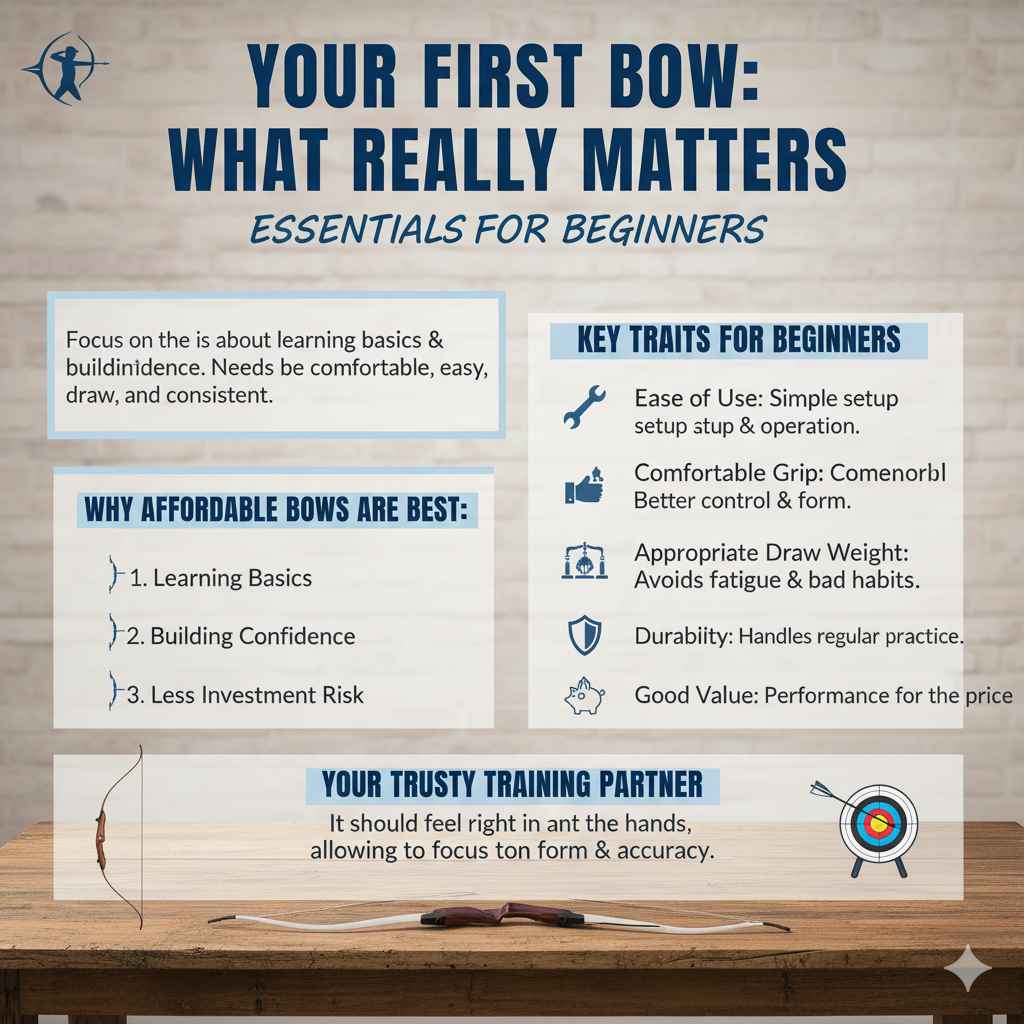
When you’re just starting out in archery, your first bow is all about learning the basics and building confidence. You don’t need the fanciest, most expensive equipment. What you do need is a bow that’s comfortable to hold, easy to draw, and consistent enough to help you see improvement. Think of it as your trusty training partner. It should feel right in your hands and allow you to focus on your form and accuracy, not on fighting the equipment.
Focus on the Fundamentals, Not Flash
The best affordable bows for beginners share a few key traits:
- Ease of Use: They should be simple to set up and operate.
- Comfortable Grip: A good grip makes a huge difference in control.
- Appropriate Draw Weight: Starting too strong can lead to bad habits and frustration.
- Durability: You want a bow that can handle regular practice sessions.
- Good Value: Excellent performance for the price point.
We’ll dive into the types of bows that fit these needs and what to look for when comparing options.
Understanding Bow Types for Beginners
Archery offers a few different types of bows, but for beginners looking for affordability and ease of use, two main categories stand out:
1. Recurve Bows
Recurve bows are a fantastic choice for newcomers. They are often simpler in design and can be more forgiving as you learn. A traditional recurve bow often looks like a “D” shape when unstrung. The limbs curve away from the archer at the top and bottom. They are known for being:
- Beginner-Friendly: Simpler to learn the basics of shooting.
- Versatile: Good for target practice, recreational shooting, and even some traditional hunting in certain regulations.
- Affordable: Many excellent starter recurve bows are very budget-friendly.
- Lightweight: Generally easier to carry and handle.
There are two main types of recurve bows that beginners usually encounter:
One-Piece Recurve Bows
These bows are built as a single unit. They are very simple and often the most affordable. However, they aren’t adjustable, so ensuring you get the right size is crucial.
Take-Down Recurve Bows
These are very popular for beginners because the limbs can be detached from the riser (the handle section). This makes them easy to transport and store. More importantly, it allows you to easily upgrade the limbs as you get stronger or more experienced, without needing a whole new bow. This adaptability makes them a great long-term investment, even at an affordable price point.
2. Compound Bows (Entry-Level)
Compound bows use a system of pulleys and cables to make them easier to hold at full draw. This system “lets off” some of the weight, meaning the bow feels lighter when you’re aiming. While often more expensive than recurves, there are very capable entry-level compound bows that offer great performance for their cost.
- Easier Aiming: The let-off feature allows for steadier aiming.
- Faster Arrows: Generally shoot arrows faster than recurves.
- More Complex: Require a bit more understanding of mechanics and tuning.
- Higher Initial Cost: Even affordable compounds tend to be more expensive than similarly positioned recurves. However, they often come as a complete package (ready-to-shoot).
For most absolute beginners, a recurve bow is usually the recommended starting point due to its simplicity and lower cost. However, if you have a specific interest in compound archery or have access to coaching, an entry-level compound can also be a consideration.
Key Features to Look for in Affordable Bows
When shopping for your first bow, keep these essential features in mind:
Draw Weight
This is the amount of force (measured in pounds) it takes to pull the bowstring back to your full draw length. For most adult beginners, especially women or those new to physical activity, a draw weight between 20-29 pounds for a recurve bow is ideal. For men, starting around 25-35 pounds is common. Starting too heavy can hinder your progress by causing fatigue, poor form, and potential injury. It’s always better to start lighter and focus on technique. You can always increase the draw weight later with stronger limbs (for take-down recurves) or by eventually upgrading your bow.
Draw Length
This is the distance you pull the bowstring back. It’s crucial for accuracy and comfort. Most beginner bows come in standard sizes, but if you’re significantly shorter or taller than average, you might need to pay attention to bow length. A bow that’s too long or too short can affect your shooting. A general rule for choosing a bow length is based on your wingspan or height, but many starter bows are designed to accommodate a wide range of draw lengths.
Bow Length and Size
For recurve bows, length often refers to the overall length of the bow. Shorter bows (around 54-62 inches) are often lighter and easier to maneuver but can be a bit more twitchy. Longer bows (64-70 inches) tend to be more stable and forgiving. For most adults, a bow in the 64-68 inch range is a good balance, especially for take-down recurves.
Materials and Construction
Affordable bows are typically made from durable materials like:
- Riser: Often made from strong woods (like maple or oak) or modern, durable plastics/polymers. Some higher-end affordable bows might use aluminum.
- Limbs: Usually wood cores (like maple or carbon) reinforced with fiberglass on the outside.
- String: Dacron is a common and durable material for recurve bowstrings.
These materials provide a good balance of strength, flexibility, and affordability.
Brace Height
This is the distance from the deepest part of the grip to the string when the bow is strung. It’s usually set by the manufacturer, but a correct brace height is important for consistent shot performance. Most beginner bows will have this set correctly out-of-the-box or with simple instructions.
Top Affordable Bow Options for Beginners
Here are some popular and well-regarded affordable bows that consistently receive high marks from beginner archers. These are often available as complete packages, meaning they come with essential accessories.
Recurve Bow Packages
Many brands offer excellent starter packages that include the bow, a stringer, arrows, an armguard, and a finger tab or glove. This is often the most economical way to get started.
| Bow Model Examples | Typical Draw Weight Range (lbs) | Typical Price Range (USD) | Key Benefits |
|---|---|---|---|
| Martin Jaguar Elite / Bear Grizzly | 25-60 (often available in lower weights) | $150 – $250 | Durable, classic design, good for learning. |
| Southwest Archery Spyder/Tarantula | 25-60 (available in lower weights) | $150 – $200 | Excellent value, often based on classic designs like the Fred Bear RTH. Easy to find limbs for upgrades. |
| Samick Sage / Sage THUB (Thumb) | 25-60 (available in lower weights) | $160 – $220 | Very popular take-down recurve, comfortable, forgiving, upgradeable limbs. Excellent for beginners. |
| Shoriku Takedown Recurve Bow | 20-50 (available in lower weights) | $100 – $150 | Extremely budget-friendly, good entry point for those unsure about commitment. |
Prices are approximate and can vary based on retailer, sales, and included accessories. Always check package contents.
Entry-Level Compound Packages
If you’re set on starting with a compound bow, these offer a good balance of performance and price for newcomers. They usually come as a “Ready-to-Shoot” package.
| Bow Model Examples | Typical Draw Weight Range (lbs adjusted) | Typical Price Range (USD) | Key Benefits |
|---|---|---|---|
| Bear Cruzer G2 / Cruzer Lite | Adjustable (e.g., 12-70 lbs, 5-50 lbs for Lite) | $350 – $500 | Highly adjustable, excellent for growing archers or those unsure about exact draw length/weight. Ready-to-shoot. |
| Diamond Infinite Edge Pro | Adjustable (e.g., 5-70 lbs) | $400 – $600 | Very adaptable, good performance, suitable for a wide range of shooters. |
| Genesis Original / Genesis Mini | Adjustable (single cam, low let-off) | $200 – $300 | Extremely simple, very durable, highly adjustable draw length. Often recommended for youth and school programs. Simpler performance than more advanced compounds. |
Compound bow pricing is generally higher. The “draw weight” on adjustable compound bows refers to peak draw weight, while the let-off makes it feel lighter at full draw.
When looking at these options, research specific package contents. A good starter package for a recurve should ideally include:
- Bow: Riser and limbs.
- Bowstring: Usually pre-installed or easily attached.
- Arrow Rest: A simple flipper or wire rest.
- Sight: A basic pin sight.
- Stringer: Essential for safely stringing and unstringing your recurve bow.
- Armguard: Protects your forearm from string slap.
- Finger Tab/Glove: Protects your finger(s) when drawing the string.
- Arrows: A few beginner-friendly arrows (often fiberglass or aluminum).
For compound bows, packages are often called “Ready-to-Shoot” (RTS) and include:
- Bow: With accessories already installed.
- Arrow Rest: Usually a more advanced type.
- Sight: Often a multi-pin sight.
- Stabilizer: Helps balance the bow.
- Quiver: To hold your arrows.
- Peep Sight and D-Loop: For accurate aiming alignment (may require installation/adjustment).
- Release Aid: A mechanical trigger to shoot the bow (sometimes included, sometimes sold separately).
Where to Buy Affordable Bows
Finding the right place to buy can make a big difference:
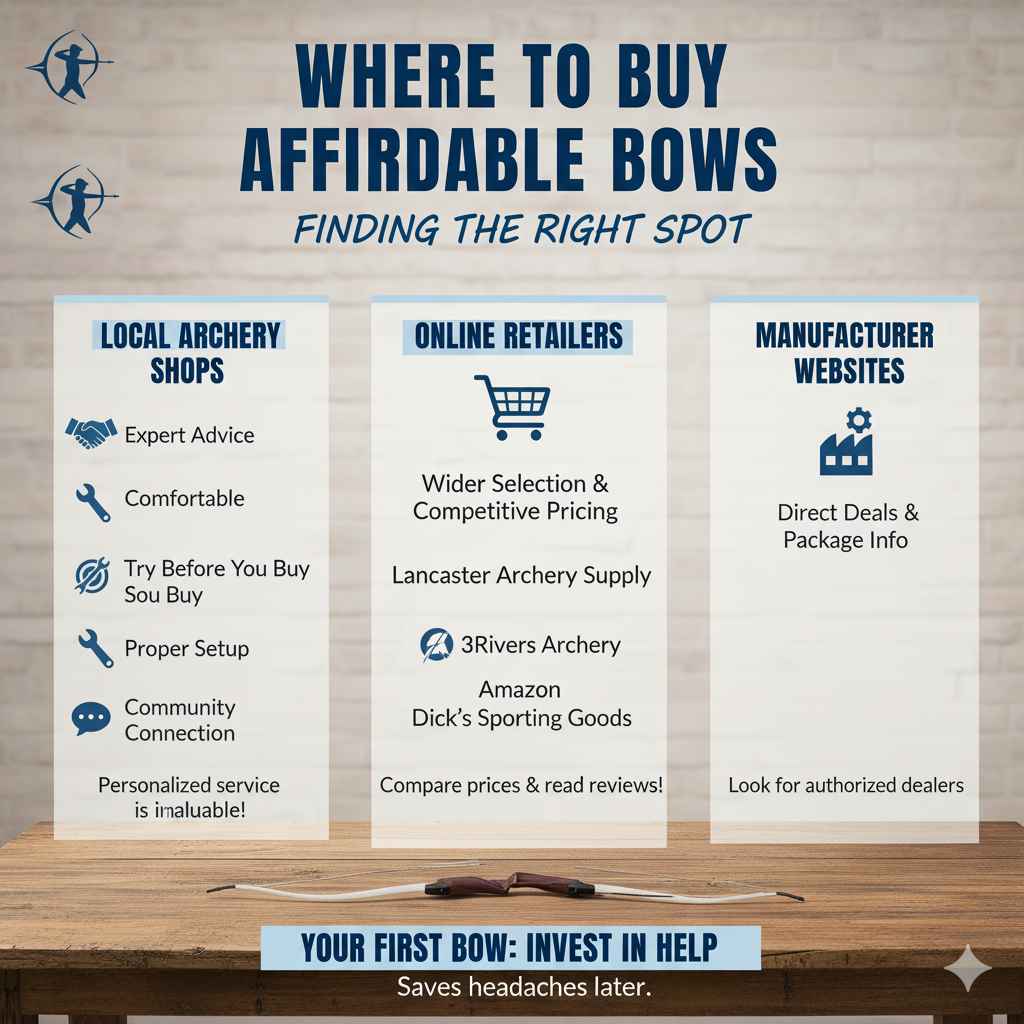
Local Archery Shops
This is often the best option, especially for beginners. The staff can offer:
- Expert Advice: They can help you find the right size and draw weight.
- Try Before You Buy: You might be able to a few shots to feel the difference.
- Proper Setup: They can ensure your bow is properly assembled and tuned.
- Community Connection: You can learn about local ranges and clubs.
While prices might be slightly higher than online, the personalized service is invaluable when you’re starting out.
Online Retailers
Many large online sporting goods stores and specialized archery shops offer a wider selection and competitive pricing. Be sure to buy from reputable dealers. Look for websites that provide detailed product descriptions, customer reviews, and clear return policies. Some popular online options include:
- Lancaster Archery Supply
- 3Rivers Archery
- Amazon (research sellers carefully)
- Dick’s Sporting Goods
Manufacturer Websites
Sometimes, directly from the manufacturer or their authorized dealers can offer good deals or specific package information.
Always compare prices and read reviews before making a purchase. For your very first bow, investing a bit more in personalized help from a local shop can save you headaches later.
Safety First: Essential Archery Tips for Beginners
Archery is incredibly rewarding, but safety is paramount. Always follow these rules to ensure a fun and safe experience for everyone:
- Never Dry Fire: This means never draw and release the string without an arrow nocked. It can severely damage the bow and cause injury.
- Always Nock an Arrow: Before drawing the string, make sure an arrow is properly placed on the string and arrow rest.
- Know Your Target and What’s Beyond: Be absolutely certain of your target and ensure there are no people, animals, or valuable objects behind it. Archery ranges have safety rules for a reason.
- Treat Every Bow as Loaded: Handle bows with respect, whether they are yours or someone else’s.
- Safe Arrow Storage: Keep arrows in a quiver when not actively shooting.
- Proper Stance and Draw: Learn the correct way to stand and pull the string.
- Use Protective Gear: Always wear an armguard to protect your forearm and a finger tab or glove to protect your shooting fingers.
- Supervise Children: Never let children handle a bow without direct adult supervision.
- Inspect Your Equipment: Before each shooting session, check your bow, string, and arrows for any signs of damage.
If you’re new to the sport, consider taking a beginner’s archery class. Organizations like USA Archery offer resources for finding clubs and certified instructors, which is an excellent way to learn proper technique and safety protocols.
Archery Terms Explained for Beginners
Here are a few common archery terms you’ll hear:
- Riser: The main handle part of the bow.
- Limbs: The upper and lower sections of the bow that bend.
- String: The cord that is drawn back to propel the arrow.
- Nock: The end of the arrow that clips onto the bowstring.
- Fletching: The feathers or plastic vanes on the back of an arrow that stabilize its flight.
- Arrow Rest: A small device on the riser that supports the arrow before it’s shot.
- Sight: A device attached to the bow to help aim.
- Draw Weight: The force needed to pull the string back to full draw.
- Draw Length: The distance the string is pulled back.
- Brace Height: The distance from the grip to the string.
- Camo: Camouflage pattern for blending in (more for hunting, but can be on recreational bows).
FAQ: Your Beginner Archery Questions Answered
What is the best affordable bow for a complete beginner?
For most complete beginners, an affordable take-down recurve bow package is ideal. Brands like Samick Sage, Southwest Archery Spyder, or even simpler models like the Shoriku offer great value, ease of use, and the ability to upgrade later. They are generally less expensive and simpler to learn on than compound bows.