Difference Between Hunting and Tactical Scopes: A Comprehensive Guide
Hey there! If you’re reading this, you’re probably curious about the difference between hunting and tactical scopes. Maybe you’re a hunter looking to upgrade your gear, or perhaps you’re into tactical shooting and wondering what sets these scopes apart. I’ve spent countless hours in the field and at the range, peering through both types of scopes, and I’m excited to share what I’ve learned. Whether you’re stalking deer in the woods or honing your skills at a tactical range, understanding these differences can make or break your experience. So, let’s dive into this topic with enthusiasm and clarity, breaking it down in a way that’s easy to follow and packed with insights.
What Are Hunting Scopes?

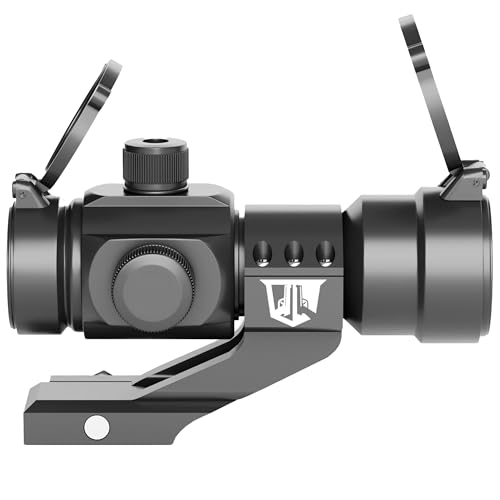

When I first started hunting, I didn’t realize how much a scope could impact my success. Hunting scopes are designed with one main goal: to help hunters hit their target in the wild. These scopes are built for rugged outdoor use, often in unpredictable conditions like dawn or dusk, where light is low. They’re typically lightweight, durable, and easy to use, even if you’re not a tech wizard.
Hunting scopes focus on versatility. You might be shooting at a deer 100 yards away in thick brush or aiming at an elk across a 300-yard clearing. The scope needs to perform in varied environments—think rain, fog, or freezing temperatures. Most hunting scopes have magnification ranges like 3-9x or 4-12x, which give you flexibility for both close and long-range shots. The reticles (those crosshairs you look through) are usually simple, like a duplex or crosshair design, so you can quickly acquire your target without fuss.
Another thing I love about hunting scopes is their emphasis on light transmission. When you’re out at first light, you need a scope that gathers every bit of available light to give you a clear, bright image. That’s why quality hunting scopes often have larger objective lenses (the front part of the scope) and coatings to reduce glare. They’re also built to be shockproof and waterproof, because let’s face it—hunting isn’t always gentle on gear.
What Are Tactical Scopes?
Now, let’s switch gears to tactical scopes. I remember the first time I picked up a tactical scope at a shooting range—it felt like a whole different beast. Tactical scopes are designed for precision shooting, often in high-stakes situations like law enforcement, military operations, or competitive shooting. These scopes are all about accuracy, repeatability, and customization.
Unlike hunting scopes, tactical scopes are built for scenarios where you need to engage targets at varying distances with pinpoint precision. Think of a sniper adjusting for a 600-yard shot or a competitive shooter dialing in for a match. Tactical scopes often have higher magnification ranges, like 5-25x or even 10-40x, to handle long-range shooting. They also come with complex reticles, like mil-dot or BDC (bullet drop compensator), which help you calculate windage, elevation, and distance.
One thing that stands out with tactical scopes is their adjustability. The turrets (those knobs you turn to adjust the scope) are often exposed and designed for quick, precise adjustments. You can “dial in” your shot and then return to zero easily. These scopes are also built like tanks—rugged enough to withstand rough handling in intense situations. But they’re often heavier than hunting scopes, which can be a trade-off.

Key Differences Between Hunting and Tactical Scopes
So, what really sets these two apart? I’ve spent a lot of time comparing them, and it comes down to purpose, design, and features. Let’s break it down with some key differences that I’ve noticed in the field and at the range.
Purpose and Use Case
Hunting scopes are made for the outdoorsman. Whether you’re tracking game through dense forests or waiting in a blind, these scopes are built for quick target acquisition in natural environments. I’ve used them in pouring rain and freezing cold, and they hold up beautifully. Their primary job is to help you make ethical shots on game, often in less-than-ideal conditions.
Tactical scopes, on the other hand, are for precision and control. They’re designed for situations where every shot counts, like in tactical training or competitive shooting. I’ve seen shooters use them to hit targets at 800 yards or more, adjusting for wind and bullet drop with incredible accuracy. They’re less about speed and more about getting it exactly right.
Magnification Range
When I’m hunting, I rarely need crazy high magnification. Most shots are within 300 yards, so a scope with 3-9x or 4-12x is perfect. It gives me enough zoom to see clearly without making the scope bulky. Hunting scopes prioritize a balance between magnification and field of view, so you can still see what’s around your target.
Tactical scopes often have higher magnification, sometimes going up to 25x or more. This is great for long-range shooting, where you need to see tiny details at extreme distances. But that high magnification narrows your field of view, which isn’t ideal for quick shots in the woods. I’ve found tactical scopes to be overkill for most hunting scenarios.
Reticle Design
The reticle is a big deal. In my hunting scopes, I prefer simple reticles like duplex or crosshair. They’re easy to use, and I can line up a shot quickly without overthinking it. When you’re in the heat of the moment, with a buck about to bolt, simplicity is your friend.
Tactical scopes, though, often have more complex reticles. Mil-dot, Horus, or Christmas tree-style reticles are common. These are packed with hash marks and dots to help you estimate range, windage, and bullet drop. I’ve spent hours practicing with mil-dot reticles, and they’re fantastic for long-range precision, but they can feel overwhelming if you’re not trained to use them.
Turrets and Adjustments
Turrets are another area where these scopes differ. Hunting scopes usually have capped turrets, which protect the adjustments from getting bumped in the field. You set your zero and leave it alone for most hunts. I’ve rarely needed to tweak my hunting scope once it’s dialed in.
Tactical scopes have exposed turrets that click with precision. You can make on-the-fly adjustments for elevation and windage, which is critical for long-range shooting. I’ve watched shooters at the range dial their scopes up and down between shots, and it’s impressive how repeatable those adjustments are. But those exposed turrets can be a liability in the brush, where they might get knocked out of alignment.
Weight and Durability
Weight matters when you’re hiking miles into the backcountry. Hunting scopes are designed to be lightweight, so you’re not lugging extra pounds through the woods. My favorite hunting scope is compact and doesn’t throw off the balance of my rifle.
Tactical scopes are often heavier because they’re built for extreme durability. They’re designed to take a beating in harsh conditions, like military operations. While they’re tough as nails, that extra weight can be a drag if you’re carrying your rifle all day.
Price and Accessibility
Hunting scopes come in a wide price range. You can get a solid one for $200-$500, though high-end models can cost over $1,000. They’re designed to be accessible for the average hunter, and I’ve found plenty of budget-friendly options that perform well.
Tactical scopes tend to be pricier, often starting at $500 and going well into the thousands. The advanced features, like first focal plane reticles or high-end glass, drive up the cost. If you’re just starting out, a tactical scope might feel like a big investment.
Here’s a quick comparison table to sum it up:
| Feature | Hunting Scopes | Tactical Scopes |
|---|---|---|
| Purpose | Quick shots in natural environments | Precision shooting at long ranges |
| Magnification | 3-9x, 4-12x | 5-25x, 10-40x |
| Reticle | Simple (duplex, crosshair) | Complex (mil-dot, BDC, Horus) |
| Turrets | Capped, minimal adjustments | Exposed, precise adjustments |
| Weight | Lightweight | Heavier, more rugged |
| Price | $200-$1,000+ | $500-$2,000+ |
When to Choose a Hunting Scope
I’ve had moments in the field where my hunting scope was a lifesaver. If you’re primarily a hunter, a hunting scope is usually the way to go. They’re perfect for scenarios where you need to move fast and shoot in low-light conditions. I remember one early morning hunt where the fog was thick, but my scope’s clarity helped me spot a deer through the mist.
Choose a hunting scope if:
- You hunt in varied environments (woods, fields, mountains).
- You need a lightweight setup for long treks.
- You want a simple, reliable scope that’s easy to use.
- Your shots are typically within 300 yards.
When to Choose a Tactical Scope
Tactical scopes shine in controlled environments. I’ve used them at long-range shooting competitions, and the precision is unmatched. If you’re into tactical shooting, long-range target practice, or need a scope for professional use, a tactical scope is your best bet. They’re built for shooters who love to tinker and fine-tune their setup.
Choose a tactical scope if:
- You shoot at long ranges (500+ yards).
- You need precise adjustments for windage and elevation.
- You’re comfortable with complex reticles and calculations.
- Weight isn’t a big concern.
Can You Use Them Interchangeably?
Here’s a question I get a lot: can you use a hunting scope for tactical shooting or a tactical scope for hunting? The short answer is yes, but it’s not ideal. I’ve tried using a tactical scope on a hunting rifle, and while it worked, the weight and complexity slowed me down in the field. Similarly, a hunting scope on a tactical rifle might lack the precision needed for long-range shots.
If you’re a beginner or on a budget, you might start with a versatile scope that bridges the gap, like a 3-15x model with a simple mil-dot reticle. But for the best results, match the scope to your primary activity.
My Personal Experience
I’ve been lucky enough to test both types of scopes extensively. One of my favorite hunting moments was using a 3-9x scope during a whitetail hunt in Michigan. The light was fading, but the scope’s clarity let me make a clean shot at 150 yards. On the tactical side, I’ve spent hours at the range with a 5-25x scope, dialing in shots at 600 yards. The ability to adjust for wind and distance felt like a superpower.
Both scopes have their place, and choosing the right one depends on what you love to do. If you’re torn, think about your environment, shooting style, and goals. You can’t go wrong as long as you pick a quality scope that fits your needs.
Conclusion
After diving deep into the world of hunting and tactical scopes, I hope you feel more confident about choosing the right one for you. Hunting scopes are your trusty companion in the wild—light, simple, and built for quick shots in tough conditions. Tactical scopes are all about precision, giving you the tools to hit distant targets with surgical accuracy. Each has its strengths, and understanding those differences can transform your shooting experience.
Whether you’re a hunter chasing game or a shooter perfecting your craft, the right scope is an extension of your skills. Take your time, think about what you need, and invest in a scope that feels like a natural fit. Happy shooting, and may your aim always be true!
Frequently Asked Questions
What is the main difference between a hunting and tactical scope?
The main difference is their purpose. Hunting scopes are built for quick, reliable shots in natural environments, with simple reticles and lightweight designs. Tactical scopes focus on precision for long-range shooting, with complex reticles and adjustable turrets.
Can I use a tactical scope for hunting?
Yes, you can, but it’s not always practical. Tactical scopes are heavier and more complex, which can slow you down in the field. They’re better suited for long-range precision than quick shots in the woods.
Are hunting scopes cheaper than tactical scopes?
Generally, yes. Hunting scopes start around $200 and go up, while tactical scopes often start at $500 due to their advanced features. However, high-end hunting scopes can still be pricey.
What magnification is best for hunting?
For most hunting, a 3-9x or 4-12x scope is ideal. It gives you enough zoom for shots up to 300 yards while keeping a wide field of view for closer targets.
Do tactical scopes work in low light?
Some tactical scopes have good low-light performance, but hunting scopes are typically better optimized for dawn and dusk conditions due to their focus on light transmission.
How do I choose between a hunting and tactical scope?
Think about your primary activity. If you hunt in varied environments and need a lightweight scope, go for a hunting scope. If you shoot long-range or need precise adjustments, choose a tactical scope.