Forest vs. Stand of Trees: What’s the Difference?
A forest is a large, self-sustaining natural area (canopy cover over 10%) with many tree species and full wildlife habitat, while a stand of trees is a smaller group — often one tree type and similar age, sometimes planted or managed — that may or may not grow into a forest over time. Below, I break down how to tell them apart and why the distinction matters.
What Is a Forest?
A forest is a big area full of trees, plants, and animals. It’s like a busy city for nature, with a thick canopy of tree tops covering at least 10% of the land. Forests are home to many creatures, like birds, deer, and bugs. They clean the air and store carbon, helping the planet stay healthy.
What Is a Stand of Trees?
A stand of trees is a smaller group of trees growing close together. It’s like a neighborhood in the forest city. Stands are often similar in age, size, or type, like a patch of pine trees. They don’t always have the same variety of plants and animals as a forest.
Why the Difference Matters
Knowing the difference between a forest and a stand of trees helps you understand nature better. Forests are big ecosystems that support lots of life. Stands are smaller and often managed for things like timber or replanting. For example, a forester might plant a stand of oak trees to harvest later, while a forest grows wild with many species.
How to Spot a Forest vs. a Stand
Want to tell a forest from a stand? Here’s a simple guide:
- Look at size: Forests are big, covering acres. Stands are smaller, like a corner of a park.
- Check variety: Forests have many tree types, plants, and animals. Stands often have one or two tree types.
- Notice density: Forests have a thick canopy (tree tops touching). Stands may have gaps between trees.
Try this next time you’re outside! Visit a park and look for a big, busy area with lots of plants (forest) versus a neat group of similar trees (stand).

Fun Example: My Backyard Adventure
Last summer, I explored a nearby park. I saw a huge area with tall oaks, maples, and chirping birds—a forest! Nearby, there was a small patch of young pine trees planted in rows—a stand. The forest felt wild and full of life, while the stand looked tidy, like someone planned it. This showed me how forests are big and diverse, but stands are smaller and simpler.
Best Pick for Spotting Wildlife

Nikon ACULON A211 10×42 Binoculars
10×42 magnification is the sweet spot for spotting wildlife in a full forest canopy without the bulk of a hunting-grade optic.
- Best for: birdwatching and spotting animals in a forest or stand
- Why we picked it: clear, tripod-adaptable optics from a trusted brand at a reasonable price
- Main drawback: step up from the smaller/cheaper Aculon models if you want more zoom
Compare more options
 Option 1 National Geographic Pocket Guide to Trees and Shrubs
|  Option 2 Peterson First Guide To Trees
| 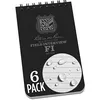 Option 3 Rite In The Rain Weatherproof Field Notebook
|
As an Amazon Associate we earn from qualifying purchases.
Tools to Explore Forests and Stands
You don’t need fancy tools to explore nature. Here are some basics:
- Binoculars: Spot birds or animals in a forest. Try a simple pair like the Nikon Aculon ($70).
- Notebook: Write down tree types or animals you see. A small journal works great.
- Guidebook: Use a tree identification book, like the National Audubon Society’s Field Guide to Trees.
These tools help you notice differences between forests and stands, like tree types or wildlife.
Benefits of Forests and Stands
Forests and stands both help nature, but in different ways. Forests clean air, store carbon, and house animals. Stands provide timber, shade, or windbreaks for farms. For example, a stand of trees near a field can protect crops from wind, while a forest supports rare animals like owls.
Drawbacks to Know
Forests can be hard to manage because they’re so big. They might face fires or pests. Stands are easier to care for but may lack variety, so they don’t support as many animals. For instance, a stand of one tree type might not attract birds like a forest does.
Other Terms You Might Hear
You might hear words like “grove” or “woodland.” A grove is a small group of trees, like a stand, but often for fruit trees, like an apple grove. A woodland is less dense than a forest, with more open space. Knowing these terms helps you talk about nature like a pro!
Simple Comparison Table
Here’s a table to compare forests and stands:
| Feature | Forest | Stand of Trees |
|---|---|---|
| Size | Large, covers acres | Smaller, like a park corner |
| Tree Variety | Many types (oaks, pines, maples) | Often one or two types |
| Canopy Cover | Thick, over 10% | Gaps, less dense |
| Wildlife | Lots (birds, deer, bugs) | Fewer animals |
Caption: This table shows how forests and stands differ in size, trees, and wildlife.
Tips from My Experience
I’ve spent years hiking and studying trees. Here are my tips:
- Visit both: Check out a forest and a stand in one trip to compare them.
- Take photos: Snap pictures to note tree types or canopy density.
- Ask locals: Park rangers can point out forests and stands near you.
These tricks make learning about nature fun and easy.
Common Mistakes to Avoid
Don’t mix up forests and stands! Here are mistakes to watch for:
- Calling a stand a forest: A small patch of trees isn’t a forest. Look for size and variety.
- Ignoring wildlife: Forests have more animals than stands. Check for signs like bird nests.
- Forgetting scale: Stands are often man-made, while forests grow naturally.
Another Comparison Table
Here’s a table for exploring forests and stands:
| Activity | Forest | Stand of Trees |
|---|---|---|
| Hiking | Long trails, lots to see | Short walks, less variety |
| Birdwatching | Many birds, use binoculars | Fewer birds, less to spot |
| Tree Identification | Many types, use a guidebook | One or two types, easier to learn |
Caption: This table helps plan activities in forests versus stands.
How Forests and Stands Help the Planet
Forests are superheroes for the planet. They store carbon, which fights climate change. According to the USDA Forest Service, forests absorb billions of tons of CO2 yearly. Stands help too, but on a smaller scale. For example, a stand of trees can provide shade for a park, while a forest cleans air for a whole city.

My Favorite Forest Memory
Once, I camped in a forest in Oregon. The trees were so tall, and I saw an owl at night! Nearby, there was a stand of fir trees planted by rangers. It was neat but didn’t feel as wild. This taught me that forests are big, living systems, while stands are like small tree projects.
Where to Learn More
Want to dive deeper? Check these trusted sites:
- USDA Forest Service: Learn about forest ecosystems.
- National Park Service: Find forests and stands near you.
- Arbor Day Foundation: Tips on tree planting and care.
These resources are great for beginners and pros alike.
Conclusion
The difference between a forest and a stand of trees is simple: forests are big, diverse ecosystems, while stands are smaller groups of similar trees. Both are awesome parts of nature! Try visiting a park to spot them yourself. Take a notebook, look for wildlife, and enjoy the trees. Share your adventure with friends or comment below—what’s your favorite forest or stand? Let’s explore nature together!
Frequently Asked Questions
What’s the main difference between a forest and a stand of trees?
A forest is a large area with many tree types, plants, and animals, covering at least 10% of the land with a canopy. A stand is a smaller group of similar trees, often planted for a purpose like timber. Forests are wilder, while stands are more managed.
Can a stand of trees become a forest?
Yes, a stand can grow into a forest if it gets bigger, more diverse, and develops a thick canopy over 10%. For example, a planted stand of pines might attract other plants and animals over time, turning into a forest. It takes years, though!
Are forests and stands the same as woods?
Not quite. Woods (or woodlands) are less dense than forests, with 5-60% canopy cover. Forests have thicker canopies (over 10%). Stands are smaller and often have one tree type, unlike the variety in woods or forests.
Why do people plant stands of trees?
People plant stands for timber, shade, or wind protection. For example, a farmer might plant a stand of poplars to block wind from crops. Stands are easier to manage than forests and can be harvested for wood.
Do forests and stands have different animals?
Yes, forests have more animals, like birds, deer, and bugs, because they’re bigger and more diverse. Stands have fewer animals due to less variety. For instance, a forest might have owls, while a stand might only have squirrels.
How can I explore a forest or stand safely?
Bring a map, water, and a friend when exploring. Stick to trails in forests to avoid getting lost. In stands, watch for uneven ground. Check weather forecasts, and tell someone your plans. A guidebook helps identify trees safely.
What’s an easy way to tell a forest from a stand?
Look at size and variety. A forest is big with many tree types and a thick canopy. A stand is smaller, often with one tree type and gaps between trees. Try counting tree types on your next walk!