3 vs. 4 Fletch Arrows: Which Is Right for You?
3-fletch arrows spin faster and clear a wider range of rests and risers, while 4-fletch arrows add extra stability and steer better with fixed-blade broadheads, at a small cost in speed. Most target and 3D archers run 3-fletch; many broadhead hunters step up to 4-fletch for that added forgiveness. Here’s how I break down the choice. For more on this, see our guide on How to Aim With a Flatbow. For more on this, see our guide on How to Adjust Draw Poundage on Alpine Youth Bow Easily.
What Are Fletchings, Anyway?
Before we jump into the differences, let’s make sure we’re on the same page about what fletchings are. If you’ve ever looked at an arrow, you’ve noticed those little feathers or plastic vanes at the back. Those are fletchings, and they’re not just there for decoration. Fletchings stabilize the arrow in flight, helping it fly straight and true toward the target. Think of them like the fins on a rocket—they guide the arrow by creating drag and spin.
Fletchings come in different shapes, sizes, and configurations, but the most common setups are 3 fletch and 4 fletch. The number refers to how many vanes or feathers are attached to the arrow shaft. A 3 fletch arrow has three vanes, usually spaced evenly at 120 degrees apart, while a 4 fletch arrow has four vanes, typically spaced at 90 degrees. Each setup has its own strengths, and choosing the right one depends on your shooting style, goals, and conditions. Let’s explore the key differences.
Stability and Spin: How Fletchings Affect Flight
When I first started archery, I didn’t think much about fletchings. I figured they all did the same thing—keep the arrow flying straight. But after some trial and error, I realized that the number of fletchings can have a noticeable impact on how an arrow behaves in the air.
3 Fletch Arrows: The Classic Choice
The 3 fletch setup is the most common in archery, and there’s a good reason for that. It’s like the reliable pickup truck of fletching configurations—simple, effective, and versatile. With three vanes spaced evenly around the arrow, this setup creates a good amount of spin, which helps stabilize the arrow during flight. The spin corrects any wobble or fishtailing, ensuring the arrow stays on course.
I’ve found that 3 fletch arrows are great for most situations, especially for target shooting and hunting. They’re lightweight, which means less drag and a faster arrow speed. When I’m shooting at the range, I love how 3 fletch arrows feel snappy and quick off the bow. They’re also easier to fletch yourself because you’re dealing with fewer vanes, which can save time and effort if you’re building your own arrows.
4 Fletch Arrows: Extra Control
Now, 4 fletch arrows are a bit like adding an extra wheel to your car for more stability. With four vanes, the arrow spins faster and stabilizes more quickly. This can be a game-changer in certain scenarios, like when you’re shooting in windy conditions or using a heavier broadhead for hunting. The extra vane increases drag, which helps the arrow correct its flight path sooner, especially if it’s wobbling right out of the bow.
I remember one windy day at the range when my 3 fletch arrows were drifting a bit more than I liked. I switched to some 4 fletch arrows I’d made, and the difference was noticeable. My groups tightened up, and I felt like I had more control, especially at longer distances. That said, the extra vane adds a bit more weight and drag, which can slow the arrow down slightly. It’s a trade-off, but one that’s worth it in the right situations.

Speed and Trajectory: Finding the Balance
One thing I’ve learned from years of shooting is that speed matters, especially if you’re trying to hit a distant target or ensure a clean shot while hunting. The number of fletchings plays a big role here.
With 3 fletch arrows, you get less drag because there’s one less vane creating resistance. This means the arrow maintains more of its initial speed, giving you a flatter trajectory. A flatter trajectory is awesome for long-range shooting because it makes it easier to judge distances and hit your mark. I’ve used 3 fletch arrows for 3D archery competitions, and the speed really helps when you’re aiming at targets 50 yards away or more.
On the other hand, 4 fletch arrows sacrifice a bit of speed for extra stability. The additional vane increases drag, which can cause the arrow to drop a little faster at longer distances. But for shorter ranges or situations where stability trumps speed—like hunting with a heavy broadhead—the trade-off is often worth it. I’ve found that 4 fletch arrows shine when I’m shooting in thick brush or windy conditions, where I need the arrow to stabilize quickly and stay on target.
Best Pick to Test Both Setups
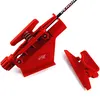
Adjustable Fletching Jig, Straight & Helix
Adjustable clamp works for both 3-fletch and 4-fletch layouts, plus straight or helix offset, so you can actually test both setups this guide compares instead of buying pre-made arrows twice.
- Best for: archers who want to test 3-fletch vs 4-fletch themselves
- Why we picked it: one jig covers both fletch counts and offset styles
- Main drawback: takes practice to get consistent results at first
Compare more options
 Option 1 Bohning Shield Cut Vanes, 36-Pack
| 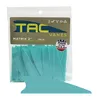 Option 2 TAC Vanes 2 in Matrix Vanes, 36-Pack
| 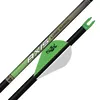 Option 3 Easton Axis Pre-Fletched Carbon Arrows
|
As an Amazon Associate we earn from qualifying purchases.
Accuracy: Which Setup Wins?
If you’re wondering which fletching setup is more accurate, the answer isn’t black-and-white. It depends on your setup, shooting style, and conditions. Let’s break it down.
3 Fletch: Reliable and Forgiving
In my experience, 3 fletch arrows are incredibly forgiving, especially for target shooters. The three-vane setup provides enough stabilization for most situations without overcomplicating things. If your bow is well-tuned and your form is solid, 3 fletch arrows will give you tight groups and consistent performance. I’ve used them for everything from backyard practice to competitive shoots, and they rarely let me down.
One thing to keep in mind is that 3 fletch arrows can be a bit more sensitive to imperfections in your setup. If your bow isn’t perfectly tuned or your broadhead isn’t aligned just right, you might notice some wobble. But with a little tweaking, you can usually dial it in.
4 Fletch: Precision in Tough Conditions
For situations where conditions are less than ideal, 4 fletch arrows can give you an edge. The extra vane helps the arrow stabilize faster, which can improve accuracy if you’re dealing with crosswinds or a less-than-perfect release. I’ve noticed this especially when hunting with fixed-blade broadheads, which can be tricky to stabilize. The 4 fletch setup seems to “forgive” minor tuning issues better than 3 fletch, making it a go-to for bowhunters who need reliability in the field.
Here’s a quick comparison to sum it up:
| Feature | 3 Fletch Arrows | 4 Fletch Arrows |
|---|---|---|
| Number of Vanes | 3 | 4 |
| Stability | Good, suitable for most conditions | Excellent, ideal for windy conditions or heavy broadheads |
| Speed | Faster, less drag | Slightly slower, more drag |
| Accuracy | Reliable for well-tuned setups | More forgiving in tough conditions |
| Weight | Lighter | Slightly heavier |
| Fletching Time | Quicker to fletch | Takes a bit longer |
Practical Considerations: What I’ve Learned
Beyond the technical differences, there are some practical things to think about when choosing between 3 and 4 fletch arrows. Here’s what I’ve picked up over the years.
Fletching Time and Cost
Fletching your own arrows is a rite of passage for many archers, and I’ve spent plenty of evenings at my workbench gluing vanes. A 3 fletch setup is quicker to fletch because you’re dealing with one less vane per arrow. If you’re making a dozen arrows, that time savings adds up. Plus, you’ll use fewer vanes, which can save you a bit of money over time.
With 4 fletch arrows, the process takes a little longer, and you’ll need more vanes. If you’re buying high-quality vanes, the cost can add up, especially if you’re f Anyway, let’s keep going with the practical side of things.
Durability and Maintenance
Another thing I’ve noticed is that 4 fletch arrows can sometimes take a beating better than 3 fletch ones. With an extra vane, there’s a bit more surface area to absorb impacts, which can be handy if you’re shooting through brush or hitting targets repeatedly. That said, the extra vane also means there’s more to potentially damage, so it’s a bit of a toss-up. I always check my fletchings before a shoot, regardless of the setup, to make sure they’re in good shape.
Bow Tuning and Compatibility
One lesson I learned the hard way is that your bow setup matters just as much as your fletching choice. A 3 fletch arrow might show up tuning issues more noticeably because it has less drag to mask them. If your arrow rest isn’t aligned perfectly or your nock point is off, you might see some wobble with 3 fletch arrows. On the other hand, 4 fletch arrows can sometimes “hide” minor tuning issues because of the extra stabilization. When I switched to 4 fletch for hunting, I found I didn’t need to obsess over my bow’s tune as much, which was a relief during long days in the field.
When to Choose 3 Fletch Arrows
After experimenting with both setups, I’ve found that 3 fletch arrows are my go-to for a lot of situations. They’re perfect for target shooting, especially at longer ranges where speed and a flat trajectory matter. If you’re competing in 3D archery or shooting field archery, the lightweight design and quick flight of 3 fletch arrows can give you an edge. They’re also great for beginners because they’re simpler to work with and less likely to overwhelm you with tuning challenges.
I remember my first 3D shoot with a new set of 3 fletch arrows. The course had targets out to 60 yards, and the arrows flew like darts. My confidence grew with every shot, and I ended up placing higher than I expected. If you’re looking for versatility and speed, 3 fletch is hard to beat.
When to Choose 4 Fletch Arrows
On the flip side, 4 fletch arrows have earned a special place in my quiver for specific scenarios. If you’re a bowhunter, especially one using fixed-blade broadheads, the extra stability of 4 fletch arrows can be a lifesaver. They’re also my choice when I’m shooting in windy conditions or through dense cover, where I need the arrow to stabilize quickly and stay on course.
One hunt stands out in my memory. I was in a treestand on a blustery fall day, and the wind was playing havoc with my shots. I’d brought along some 4 fletch arrows, and they made all the difference. My arrow hit exactly where I aimed, despite the gusts, and I walked away with a clean harvest. If you’re facing challenging conditions or need extra forgiveness, 4 fletch arrows are worth considering.
Mixing and Matching: Can You Use Both?
Here’s something I’ve toyed with over the years: using both 3 and 4 fletch arrows depending on the situation. There’s no rule saying you have to stick to one setup for everything. I keep a set of 3 fletch arrows for range days and competitions, where speed and precision are key. For hunting or windy days, I switch to 4 fletch arrows for that extra stability. It’s like having different tools in your toolbox—you pick the one that fits the job.
If you’re thinking about experimenting, I’d recommend starting with 3 fletch arrows since they’re more common and easier to work with. Once you’re comfortable, try out 4 fletch arrows in different scenarios to see how they perform for you. It’s all about finding what works best for your style and setup.

My Final Thoughts
After years of shooting, tweaking, and testing, I’ve come to appreciate both 3 and 4 fletch arrows for what they bring to the table. The 3 fletch setup is like a trusty friend—reliable, fast, and great for most situations. The 4 fletch setup, on the other hand, is like a dependable partner in tough conditions, giving you that extra control when you need it most. Neither is inherently “better” than the other; it all comes down to what you’re trying to achieve.
If you’re just starting out or shooting primarily for fun, I’d lean toward 3 fletch arrows for their simplicity and speed. If you’re a bowhunter or often shoot in challenging conditions, give 4 fletch arrows a try for their stability and forgiveness. The beauty of archery is that it’s a journey of discovery, and experimenting with different setups is part of the fun.
So, next time you’re at the range or in the field, take a moment to think about your fletchings. Try both setups, see how they feel, and don’t be afraid to mix things up. Archery is all about finding what works for you, and I’m confident you’ll find the perfect fletching setup to take your shooting to the next level. Happy shooting!
FAQs
Why do some archers prefer 3 fletch arrows?
I’ve noticed that many archers, including myself, love 3 fletch arrows for their speed and simplicity. They’re lighter, which means less drag and a faster, flatter shot. They’re also quicker to fletch, which is a bonus if you’re making your own arrows. For target shooting or competitions, 3 fletch arrows are often the go-to because they’re reliable and work well with a well-tuned bow.
When should I use 4 fletch arrows?
In my experience, 4 fletch arrows are awesome when you need extra stability. If you’re hunting with broadheads or shooting in windy conditions, the fourth vane helps the arrow stabilize faster. I’ve used them on gusty days and found they keep my shots on target better than 3 fletch arrows in those situations.
Do 4 fletch arrows affect arrow speed?
Yes, they do, but it’s not a huge difference. I’ve found that 4 fletch arrows are slightly slower because the extra vane adds more drag. This can make the arrow drop a bit faster at long ranges. For shorter shots or when stability is more important, like in hunting, the trade-off is worth it.
Can I use 3 and 4 fletch arrows with the same bow?
Absolutely! I’ve used both setups with the same bow, and as long as your bow is tuned properly, you shouldn’t have any issues. You might notice slight differences in how the arrows fly, so I’d recommend testing both to see which feels better for your shooting style.
Are 4 fletch arrows harder to fletch?
They’re not harder, but they do take a bit more time. With 4 fletch arrows, you’re gluing an extra vane, which adds a few minutes to the process. I’ve found it’s no big deal once you get the hang of it, but if you’re fletching a lot of arrows, the time can add up.