70 Lb Compound Bow Vs Recurve: Ultimate Archery Showdown
Comparing a 70 lb compound bow with a recurve bow is a common question for archers who want more power, accuracy, or a new challenge. Both types of bows have fans, and each brings its own strengths and weaknesses. If you’re thinking about moving up in draw weight or choosing between compound and recurve, understanding the details will help you make the right choice. Let’s break down what makes each unique and look at 70 key differences, features, and comparisons to help you decide.


What Makes A 70 Lb Compound Bow Unique?
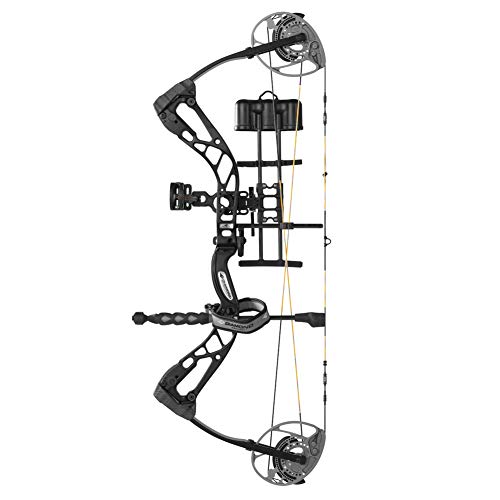
A compound bow with a 70-pound draw weight is a powerful tool. The “70 lb” means it takes 70 pounds of force to draw the string fully back. Compound bows use cams and pulleys, which give you a mechanical advantage. This means you hold less weight at full draw compared to a recurve.
Most adult compound bows have adjustable draw weights, but 70 lbs is considered high and is used for hunting large game or for strong, experienced archers. The technology in compound bows makes them more forgiving and accurate for many shooters.
What Makes A Recurve Bow Different?
A recurve bow is a traditional style of bow with limbs that curve away from the archer at the tips. This design helps store more energy and deliver it efficiently to the arrow. Unlike compound bows, recurves don’t have let-off, meaning you hold the full draw weight at full draw.
Many Olympic archers use recurve bows, but hunting recurves also exist.
Most recurve bows have lower draw weights than 70 lbs, but some can be custom-ordered or built for higher weights. These require significant physical strength and proper technique.
70 Key Comparisons: 70 Lb Compound Bow Vs. Recurve
To give you a full picture, here are 70 specific factors, differences, and features to consider. Each is explained to help you see how a 70 lb compound bow and a recurve stack up.
1. Draw Weight
A 70 lb compound holds most of its weight in the first part of the draw, then “lets off” at the end. A recurve holds the full 70 lbs at the end, which is much harder to maintain.
2. Let-off
Compound bows can have up to 85% let-off, making it easier to aim. Recurves have zero let-off.
3. Power
A compound bow at 70 lbs will typically shoot arrows faster than a 70 lb recurve because of the cam system’s efficiency.
4. Accuracy
Most shooters find compound bows more accurate due to the let-off and mechanical release aids.
5. Arrow Speed
Compound bows at 70 lbs often reach 300-340 feet per second (fps). Recurve bows at 70 lbs usually reach 200-220 fps.
6. Holding Time
You can hold a compound at full draw much longer thanks to the let-off. With a recurve, fatigue sets in quickly.
7. Hunting Suitability
A 70 lb compound is legal for all North American big game. A 70 lb recurve is also legal, but more difficult to shoot accurately at longer ranges.
8. Target Archery
Compounds dominate in target archery due to their stability and accuracy. Recurves are used in the Olympics, but with lower draw weights.
9. Strength Requirement
A 70 lb recurve demands much more strength and endurance than a 70 lb compound because you hold the full weight at full draw.
10. Tuning Complexity
Compound bows need more precise tuning. Recurves are simpler but require good form for consistent shooting.
11. Maintenance
Compound bows have more parts, strings, cables, cams, that require regular maintenance. Recurves are simpler and easier to maintain.
12. Noise
Compounds are usually quieter because of dampeners and their design. Recurves can be noisier unless tuned carefully.
13. Vibration
Compounds often have less felt vibration thanks to dampeners. Recurves may have more hand shock.
14. Cost
Compounds, especially at 70 lbs, are often more expensive due to their technology. Recurves are usually cheaper.
15. Weight Of The Bow
Compound bows are heavier due to cams and risers. Recurves are lighter and easier to carry.
16. Arrow Selection
Compounds can shoot lighter arrows without loss of energy. Recurves need heavier arrows for stability and safety.
17. Sights
Compound bows use advanced sights with magnification and rangefinders. Recurves use simple pins or instinctive aiming.
18. Release Aid
Most compound shooters use a mechanical release. Recurve shooters use fingers.
19. Learning Curve
Compounds are easier for beginners to shoot accurately. Recurves require more practice for accuracy.
20. Portability
Recurves can be taken down for transport. Compounds are bulkier due to their cams and cables.
21. String Replacement
Replacing a string on a recurve is simple. On a compound, it’s more complex and often requires a bow press.
22. Weather Resistance
Compounds can be affected by rain and dirt in cams. Recurves are more tolerant of harsh conditions.
23. Tradition
Recurves connect to archery’s roots. Compounds are a modern innovation.
24. Legal Restrictions
Some countries or competitions ban compounds. Recurves are almost always allowed.
25. Draw Length Flexibility
A recurve’s draw length is flexible. Compound draw length is fixed and must match the shooter.
26. Safety
Compound bows, if dry-fired, can be damaged easily. Recurves are more forgiving.
27. Customization
Compounds offer more customization: sights, rests, stabilizers. Recurves have fewer options.
28. Accessories
Compound bows can support a wide range of accessories. Recurves are limited.
29. Physical Therapy
Recurve archery is often used for physical therapy because of the full draw weight and smooth motion.
30. Cam Timing
Compound cams must be timed correctly. Recurves have no cams.
31. Consistency
Compounds are more consistent shot-to-shot due to mechanics. Recurves depend on shooter skill.
32. Bowfishing
Both can be used, but recurves are simpler for quick shots.
33. Arrow Rest
Compound bows use advanced rests. Recurves use simple shelves or plungers.
34. String Angle
Compound bows have a steeper string angle, which can affect nocking and release.
35. Takedown Feature
Most recurves can be taken down for travel. Most compounds cannot.
36. Aging Shooter Suitability
Older shooters often prefer compounds for easier holding.
37. Youth Suitability
Compounds with adjustable weights are good for teens. 70 lb recurves are rarely suitable for young archers.
38. Draw Cycle
Compounds have a more complex draw cycle. Recurves are smooth and linear.
39. Storage
Recurves store flat or disassembled. Compounds require more space.
40. Resale Value
High-end compounds can keep value. Recurves are more about personal fit.
41. Limbs
Compound limbs are shorter and stiffer. Recurve limbs are longer and flexible.
42. Arrow Penetration
A 70 lb compound delivers more kinetic energy on impact than a recurve.
43. String Serving
Compounds need frequent serving replacement at the cam area. Recurves wear evenly.
44. Broadhead Use
Both can use broadheads, but compounds can shoot mechanical broadheads better.
45. Tuning For Arrows
Compounds need arrow spine matched to draw length and weight. Recurves are more tolerant.
46. Brace Height
Recurves have higher brace heights, which can make them more forgiving.
47. Limb Failure
Compound limb failure is rare but dangerous. Recurves are simpler and less prone to catastrophic failure.
48. Arrow Flight
Compound arrows fly flatter due to higher speed.
49. Historical Use
Recurves have been used for centuries in war and hunting. Compounds are new to the scene.
50. Bow Cases
Compound bows need hard cases for protection. Recurves can travel in soft cases.
51. Draw Stop
Compounds have a hard wall at full draw. Recurves do not.
52. Overdrawing
You can overdraw a recurve, but not a compound.
53. Dry Fire Tolerance
Recurves are more tolerant to accidental dry fire. Compounds can be damaged easily.
54. Limb Materials
Compound limbs are often made of advanced composites. Recurve limbs may be wood, fiberglass, or carbon.
55. Arrow Nocking
Compound bows often need nock points set precisely. Recurves are less strict.
56. Custom Limbs
Recurve limbs can be swapped for different weights. Compounds require matching limbs and cams.
57. Service Life
Recurves can last decades with care. Compounds can wear out faster due to moving parts.
58. Visual Appeal
Recurves are often considered more beautiful due to natural materials.
59. Camouflage
Compound bows are often painted for hunting. Recurves may be less “tactical. ”
60. Sight Window
Compound bows have cutouts for larger sight windows. Recurves have a simple shelf.
61. Release Consistency
Release aids on compounds produce more consistent shots.
62. Olympic Use
Only recurves are used in the Olympics.
63. Shooting Style
Compounds are almost always shot with a release. Recurves can be shot instinctively or with a tab.
64. String Angle At Full Draw
Compound bows have a sharper string angle, which can affect anchor point comfort.
65. String Materials
Compound strings need to handle high tension. Recurve strings are simpler.
66. Archery Clubs
Many clubs separate compound and recurve shooters due to different scoring.
67. Range Estimation
Compounds with rangefinding sights make this easier.
68. Draw Hand Position
Compounds keep your draw hand more relaxed at full draw.
69. Arrow Shelf
Compound bows have adjustable arrow shelves. Recurves have a fixed shelf.
70. Shooter Community
Recurve archery has a strong tradition-based community. Compound shooters often focus on technology and competition.
Side-by-side Data: Compound Vs. Recurve
To help visualize some of these differences, here’s a direct comparison of key specs:
| Feature | 70 lb Compound Bow | 70 lb Recurve |
|---|---|---|
| Let-Off | Up to 85% | 0% |
| Arrow Speed | 300, 340 fps | 200, 220 fps |
| Physical Strength Needed | Moderate | High |
| Maintenance | High | Low |
| Cost Range | High | Moderate |
Real-world Scenarios
Hunting
A 70 lb compound bow can ethically and efficiently hunt all North American game, even elk and moose. The let-off allows archers to wait at full draw, aiming at a moving animal without fatigue. A 70 lb recurve is powerful but demands more skill and strength. Only experienced archers should use such a heavy recurve for hunting, and most hunters prefer 45, 60 lbs for ethical shots.
Target Shooting
Compounds dominate field, 3D, and indoor target archery because of their accuracy and ease of aiming. Recurves are used in Olympic and traditional formats. For pure target shooting, a 70 lb draw is rare and excessive; most target bows use 30, 40 lbs for better control and less fatigue.
Training And Fitness
Shooting a 70 lb recurve provides a full-body workout, building strength in the back, shoulders, and core. Compounds work these muscles too, but less at full draw because of let-off. In my experience, switching from a recurve to a compound bow after years of traditional shooting made aiming much easier, but I missed the physical challenge of holding a heavy recurve.
Key Considerations Before Choosing
- Experience Level: Only experienced archers should consider a 70 lb bow of any kind.
- Purpose: If hunting, a compound is more forgiving. For tradition or sport, a recurve offers a unique challenge.
- Physical Fitness: Shooting a 70 lb recurve is a serious test of strength. Many archers overestimate their ability.
- Maintenance: Compounds need more upkeep. Recurves are simpler and easier to fix in the field.
- Budget: Compounds are more expensive, both for the bow and accessories.
Common Mistakes When Choosing
- Overestimating Draw Weight: Many archers buy a bow that’s too heavy. This leads to poor form and injury.
- Ignoring Form: With a recurve, form is everything. Poor form leads to inconsistent shots.
- Skipping Professional Setup: Compounds need tuning by a pro shop for best results.
- Neglecting Practice: Both types require regular practice, but recurves especially.
- Choosing Based on Looks: A bow must fit your needs, not just look cool.
Practical Tips For Each Bow
For 70 Lb Compound Bows
- Always use a mechanical release for consistency.
- Regularly inspect cams, cables, and strings for wear.
- Work with a pro shop for tuning.
- Use arrows matched to your bow’s specs.
For 70 Lb Recurve Bows
- Warm up and stretch to avoid injury.
- Focus on form and follow-through.
- Use a heavy, sturdy arrow to prevent damage.
- Practice often to build strength.
Comparing Arrow Performance
Let’s look at how arrow performance compares between the two:
| Bow Type | Arrow Speed (fps) | Kinetic Energy | Effective Range (Hunting) |
|---|---|---|---|
| 70 lb Compound | 300, 340 | High | Up to 60 yards |
| 70 |