9Mm Vs Compound Bow: Ultimate Showdown for Power and Precision
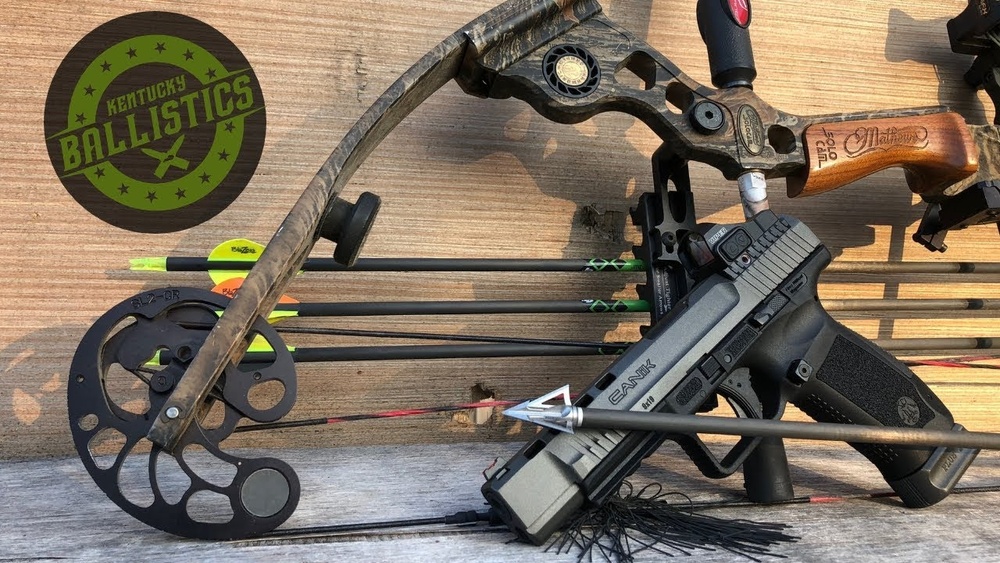
Choosing between a 9mm handgun and a compound bow is not as simple as asking which one is “better.” These two weapons come from completely different worlds, one built for the modern age, the other shaped by ancient traditions and advanced with technology. Yet, people often compare them for self-defense, hunting, sport, or survival. Understanding their differences will help you decide which is right for your needs, skills, and local laws.
Some people see the 9mm as a tool for security and efficiency, while others value the silent precision and tradition of the compound bow. This article will break down their features, uses, and key comparisons so you can make an informed decision. Along the way, I’ll share insights you won’t find in basic guides, using real-world scenarios and my own experience.


How The 9mm And Compound Bow Work
Before comparing, let’s look at how each weapon operates.
The 9mm handgun fires bullets using gunpowder and a firing pin. Pull the trigger, and an explosion sends the bullet out at high speed. Most 9mm handguns hold between 10 and 17 rounds in a magazine, making follow-up shots quick.
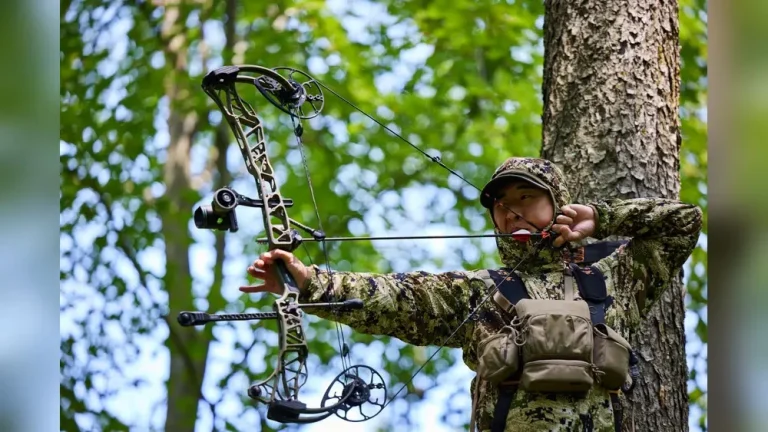
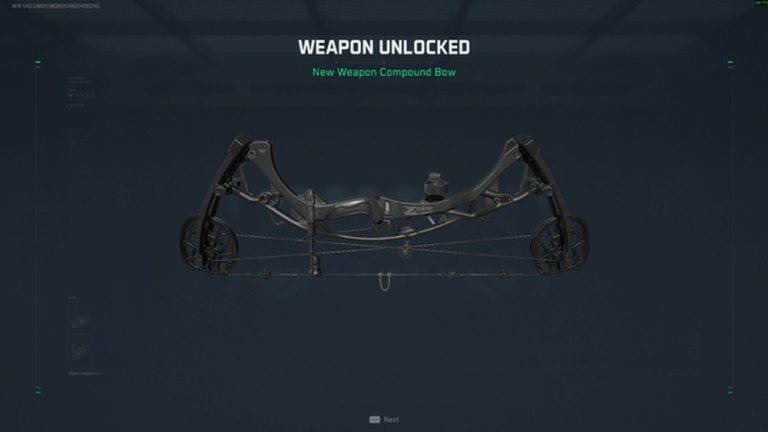
A compound bow uses a system of pulleys, cams, and cables to store and release energy. You pull the string, the cams rotate, and the stored energy launches an arrow. This design allows for more power with less effort at full draw, compared to traditional bows. Arrows are loaded one at a time.
Speed And Power
Let’s compare the raw force and speed of both weapons.
9mm handguns typically fire bullets at speeds of around 1,000 to 1,300 feet per second (fps), depending on the model and ammunition. The energy delivered is strong enough for self-defense and, in some cases, hunting small to medium game.
Compound bows shoot arrows at speeds between 250 and 350 fps. This is slower than a bullet but still powerful enough to take down large game like deer when used correctly.
Here’s a side-by-side overview:
| Weapon | Projectile Speed (fps) | Typical Energy (ft-lbs) |
|---|---|---|
| 9mm Handgun | 1,000, 1,300 | 300, 400 |
| Compound Bow | 250, 350 | 40, 80 |
Pro Tip: While speed and energy numbers look impressive, remember that hunting or self-defense is about shot placement, not just raw power.
Accuracy: Hitting Your Target
Accuracy depends on the shooter, the weapon, and the situation.
A compound bow is known for precision, especially with practice. The let-off feature (reduced holding weight at full draw) allows archers to aim carefully. At 20-40 yards, an experienced archer can group arrows tightly.
The 9mm handgun is accurate at short distances (typically up to 25 yards for most shooters). Recoil and hand steadiness affect accuracy, especially for beginners.
| Distance | 9mm Handgun | Compound Bow |
|---|---|---|
| 10 yards | Very accurate | Very accurate |
| 25 yards | Moderate | High |
| 50 yards | Difficult | Possible (with skill) |
Non-obvious insight: In my experience, a compound bow’s accuracy drops sharply in windy conditions, while a 9mm bullet is less affected. However, at close range, a bow can be more forgiving if you practice regularly.
Noise And Stealth
Noise is a critical factor for hunting, survival, or self-defense in sensitive situations.
The 9mm handgun is loud, gunshots can be heard from blocks away. This can alert others, scare away game, and possibly bring unwanted attention.
The compound bow is much quieter. The sound of a released arrow is a soft thump, barely noticeable beyond a short distance. This makes bows ideal for stealth and hunting.
Pro Tip: If you value quiet operation, a compound bow is hard to beat. Even with a suppressor, a 9mm is still much louder than a bow.

Credit: www.youtube.com
Learning Curve And Skill Development
It’s a myth that guns are “point and shoot” while bows are hard to master, both require practice, just in different ways.
9mm Handgun
- Learning to handle recoil, clear malfunctions, and shoot under stress takes time.
- Beginners can learn basic operation quickly, but accuracy and speed require ongoing training.
- Safety is critical, as accidental discharges are a real risk.
Compound Bow
- Drawing, aiming, and releasing correctly takes practice.
- Proper stance, anchor point, and follow-through are essential for consistency.
- Tuning the bow and arrows (adjusting sights, draw weight) adds complexity.
Non-obvious insight: Many beginners struggle more with bow consistency than with basic handgun accuracy, especially under fatigue or excitement.
Legal Issues And Ownership
Rules for owning and using 9mm handguns and compound bows vary by country, state, and even city.
- 9mm handguns often require background checks, permits, and sometimes registration. Some places ban handguns altogether.
- Compound bows are legal almost everywhere, with few restrictions. However, hunting laws (seasons, permitted species) apply.
Warning: Always check local laws before purchasing or carrying either weapon. Ignorance is not a defense.
Uses: Self-defense, Hunting, And Sport
What you plan to do with the weapon is a major factor.
Self-defense
- The 9mm handgun is designed for self-defense. It’s fast, effective, and can be used in close quarters.
- The compound bow is not practical for self-defense. Drawing a bow takes time, and it’s not suited for sudden threats.
Hunting
- Compound bows are popular for hunting deer, elk, and other game, especially where firearms are not allowed or are too noisy.
- 9mm handguns are less common for hunting, usually used for small game or as a backup weapon.
Sport
- 9mm handguns are used in target shooting and competitions like IPSC or IDPA.
- Compound bows are central to archery competitions, both indoor and outdoor.
Example: In archery-only hunting seasons, firearms are usually banned, making the compound bow the only legal choice.
Portability And Maintenance
How easy is it to carry and care for each weapon?
9mm Handgun
- Compact and lightweight; easy to conceal.
- Needs regular cleaning to prevent jams and corrosion.
- Spare magazines and ammunition are easy to carry.
Compound Bow
- Bulky and can be awkward to transport, especially with arrows.
- Needs string waxing, tuning, and occasional part replacement.
- Arrows are fragile and require careful handling.
Non-obvious insight: Traveling by air with a compound bow usually faces fewer restrictions than flying with a handgun, but always check airline policies.
Ammunition And Arrows: Cost And Availability
Your choice may be influenced by how easy and affordable it is to get ammunition or arrows.
- 9mm ammo is widely available in most countries where handguns are legal, but prices can rise sharply in times of crisis.
- Arrows are reusable if not damaged, but high-quality arrows can be expensive, and losing them is common in the field.
Pro Tip: For survival, the ability to reuse arrows makes the compound bow attractive, but repairing or crafting new arrows in the wild is a skill on its own.
Safety Considerations
Both weapons are dangerous if mishandled.
- 9mm handguns can cause fatal accidents if safety rules aren’t followed.
- Compound bows can also injure or kill. “Dry firing” (shooting without an arrow) can damage the bow and cause injury.
Warning: Never dry fire a compound bow. Always point firearms in a safe direction and keep your finger off the trigger until ready to shoot.
Real-world Scenarios
How Do These Weapons Compare In Actual Use?
Home Defense
A 9mm handgun is far more practical. It’s ready in seconds, easy to maneuver indoors, and effective at close range. A compound bow is slow to draw and not ideal for quick response.
Wilderness Survival
A compound bow offers silent hunting and the potential to recover arrows. It also avoids gunshot noise that could attract attention. However, for self-defense against large predators, a handgun offers more stopping power.
Urban Survival Or Crisis
Handguns are easier to conceal and faster to deploy, but legal risks are higher. Compound bows are low-profile and legal almost everywhere, but not ideal for fast defense.
Example: During a camping trip, I found that carrying a compound bow drew little attention, while even a holstered handgun made some bystanders nervous.
Cost Comparison
Let’s look at the typical costs involved in getting started.
| Item | 9mm Handgun | Compound Bow |
|---|---|---|
| Weapon Cost | $400, $800 | $300, $1,000 |
| Ammunition/Arrows | $0.20, $0.50 per round | $5, $15 per arrow (reusable) |
| Accessories | Holster, spare mags | Quiver, sights, release aid |
| Ongoing Maintenance | Cleaning kit, oil | String wax, replacement parts |
Non-obvious insight: The initial investment for a compound bow can be higher due to necessary accessories, but long-term costs may be lower if you recover your arrows.
Training And Practice
Which weapon is easier to master, and how much practice does each require?
- 9mm handgun: Most gun owners need regular practice to maintain accuracy and safe handling. Dry fire drills and range time are important.
- Compound bow: Requires more consistent practice to keep muscles tuned and technique sharp. Even a break of a few weeks can affect your aim.
Pro Tip: For both weapons, professional training is worth the cost. Good instruction prevents bad habits and improves safety.
Environmental Impact
The environmental footprint of each weapon is rarely discussed, but it matters.
- 9mm handguns: Spent casings are usually collected at ranges, but lost bullets and lead can pollute soil. Some ranges use lead-free ammo.
- Compound bows: Lost arrows can harm wildlife if not found, but they are less toxic than bullets.
Warning: Always retrieve your arrows and spent casings to minimize environmental harm.
Situational Suitability
Let’s match each weapon to common scenarios.
- Urban home defense: 9mm handgun
- Backcountry hunting: Compound bow
- Competitive sport: Both, depending on discipline
- Silent food gathering: Compound bow
- Traveling internationally: Compound bow (fewer regulations)
- Immediate threat response: 9mm handgun
The best choice depends on your goals, environment, and legal situation.
Popular Models
Here are some well-known models for each weapon:
9mm Handguns
- Glock 19, Reliable, used by law enforcement worldwide.
- Sig Sauer P320, Modular design, easy to customize.
- Smith & Wesson M&P9, Good ergonomics and safety features.
Compound Bows
- Hoyt PowerMax, Smooth draw and forgiving for beginners.
- Bear Archery Cruzer G2, Adjustable for all ages and skill levels.
- Diamond Infinite Edge Pro, Versatile with wide draw weight range.
Example: I started with a Diamond Infinite Edge Pro and found its adjustability made learning much less frustrating.

Credit: www.youtube.com
Social Perception And Cultural Factors
Guns and bows carry different social meanings.
- Carrying a 9mm handgun can make people nervous, especially in public or unfamiliar places.
- Carrying a compound bow is often seen as a sport or hobby, not a threat.
Pro Tip: If you want a low-profile tool for outdoor sport, a compound bow draws less negative attention.
The Role Of Technology
Both weapons benefit from ongoing innovation.
- 9mm handguns: Advances in polymer frames, optics, and recoil reduction.
- Compound bows: New materials, better cams, and improved let-off for easier aiming.
Non-obvious insight: The compound bow’s technology curve is steep, every few years, designs change enough to make older models feel outdated. With handguns, the basic function stays similar for decades.
Making Your Choice
To choose between a 9mm and a compound bow:
- Know your purpose: Self-defense, hunting, sport, or survival.
- Check your local laws.
- Consider your willingness to train and maintain skills.
- Think about noise, portability, and cost.
- Try both, if possible, before buying.
In my experience, there is no universal winner. The “best” weapon is the one that fits your needs, skills, and environment.
For more on archery mechanics and history, see the Compound Bow Wikipedia page.
Frequently Asked Questions
Is It Legal To Hunt With A 9mm Handgun?
In most US states, hunting with a 9mm handgun is allowed for small game, but not for large animals like deer. Many states set minimum caliber requirements for big game, usually larger than 9mm. Always check your state’s regulations before hunting.
Can A Compound Bow Be Used For Home Defense?
A compound bow is not practical for home defense. Drawing and aiming takes time, and it’s hard to react quickly in a crisis. Most experts recommend a firearm, pepper spray, or other fast-deploying tools for home defense scenarios.
How Hard Is It To Maintain A Compound Bow Compared To A Handgun?
Compound bows need regular string waxing, tuning, and inspection for cracks or worn parts. Handguns need cleaning after use and occasional lubrication. A bow’s maintenance is more about adjustment, while