1″ vs 30mm Hunting Scope: Choosing the Right Scope
Choosing the right hunting scope can seem tricky, especially when you’re starting. The question of 1″ vs 30mm Hunting Scope: Which Is Better? is a common one that new hunters often face. It can be hard to know the difference between the tube sizes and what that means for your shooting. But don’t worry, we’ll break it down in a way that’s easy to get. We’re going to examine the key factors that help you make the best choice. Let’s start by looking at what these numbers mean and what makes one option better than another.
What Are 1″ and 30mm Hunting Scopes?
The numbers “1″” and “30mm” refer to the diameter of the scope’s main tube. This tube is the central part that holds all the internal components. A 1-inch tube, or approximately 25.4mm, has been a standard in the hunting world for a long time. It’s widely available, and scopes with this tube size tend to be lighter. The 30mm tube, on the other hand, is a bit larger and becoming more popular. Think of it as the pipe that everything inside the scope is built around.
1-Inch Scope Details
1-inch scopes are the classic choice, they have been the standard size for scopes for a long period. Many hunters start with them, and a lot of scopes are still made with this size. You can usually find a lot of different brands and models with a 1-inch tube. They’re generally lighter than scopes with 30mm tubes, which can be a good thing if you’re carrying your rifle for a long time. However, a 1-inch tube has its own unique features. Let’s explore what makes them tick.
Availability: 1-inch scopes are easier to find in stores and online, offering many options.
Because they’ve been around for a long time, there’s a huge selection of 1-inch scopes from various companies. Whether you’re looking for a basic model or something with more advanced features, you’ll probably find a 1-inch scope that fits the bill. The widespread availability also means you might find better deals and sales, so you can often get a quality scope without spending too much money.
Weight: These scopes are usually lighter, making the rifle easier to carry.
The smaller tube diameter means less material is used in construction. This reduces the overall weight of the scope, which can make a real difference when you are in the field all day. A lighter rifle means less fatigue, allowing you to be more steady and accurate when you take your shot. Every ounce counts when you are hiking over rough terrain.
Mounting Options: Many different mounting options are available, and they are usually less expensive.
Since 1-inch scopes have been around for a while, there’s a big market for rings and bases that fit them. This means you will not have any problems finding a mounting system that fits your rifle. Also, because they’re so common, the mounts tend to be more affordable than those for larger tube sizes. This is a plus, since you can save a little money and still get a good, solid mount.
30mm Scope Overview
The 30mm tube has been gaining traction in the hunting world. It gives the scope more space inside, which lets in more light. This can lead to a brighter, clearer image, especially in low-light conditions. While they are not as widely available as 1-inch scopes, the 30mm option is quickly gaining popularity among hunters who want better performance. The benefits of a 30mm scope can make a big difference, particularly when you are hunting at dusk or dawn. Let’s look at the key advantages.
Light Transmission: Bigger tubes allow more light to pass through, improving clarity.
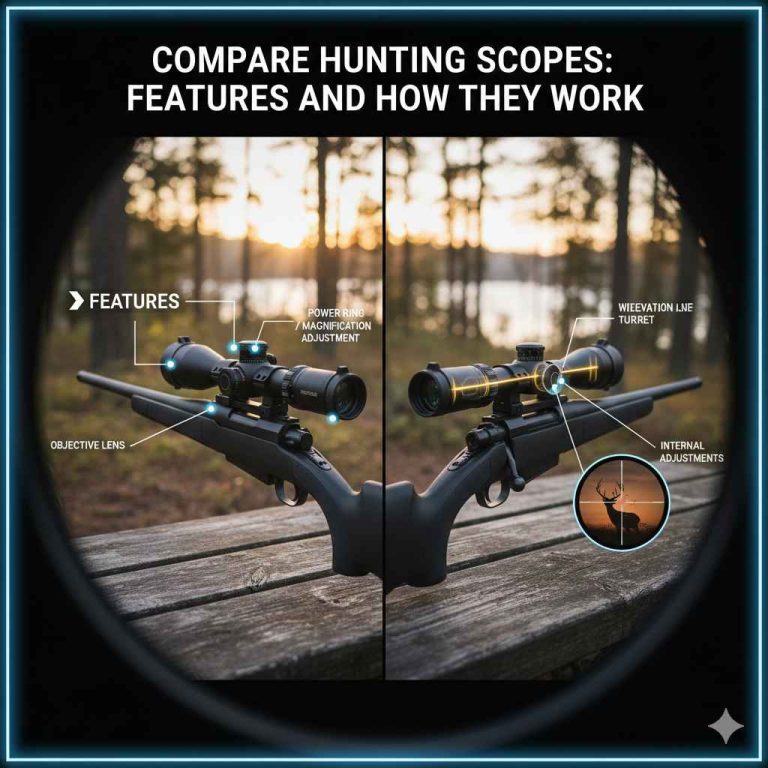
The increased internal space allows the use of larger lenses, specifically the objective lens. Larger lenses grab more light, which means you can see better in dimmer situations, like early morning or late evening. This means you can identify your target more easily and make a confident shot even in difficult light conditions. The clarity helps you see all the details.
Adjustment Range: More internal adjustment for elevation and windage.
With a larger tube, manufacturers can put in more space for the internal adjustments. This lets the scope have a wider range of adjustments for your bullet’s trajectory and wind drift. This can be a huge help when you’re shooting at different distances, as it allows you to easily compensate for bullet drop and wind effects. You can fine-tune your scope to match the conditions.
Durability: Often built stronger, which gives improved performance.
The 30mm tubes often have thicker walls and more robust construction. This can give them better durability, making them more resistant to the bumps and bangs of field use. Scopes with 30mm tubes are usually built to handle more recoil, so they can handle repeated shots over time without any problems. This can be important for hunters who want equipment that can withstand rough conditions.

Comparing the Key Features of 1″ vs 30mm Hunting Scope
To help you decide between a 1-inch and a 30mm scope, it’s helpful to see the main differences side-by-side. We can explore how each of them affects what you see, how easy they are to use, and the advantages they give you while hunting. We can also explore their practical effects on your shooting experience. This will clarify which one is a better fit for your needs.
| Feature | 1-Inch Scope | 30mm Scope |
|---|---|---|
| Light Gathering | Generally Less | Generally More |
| Internal Adjustments | Less Range | More Range |
| Weight | Lighter | Heavier |
| Availability | Wide | Growing |
| Cost (Scope) | Potentially Lower | Potentially Higher |
| Cost (Mounts) | Generally Lower | Generally Higher |
This table offers a clear overview, providing a direct way to compare the key differences between 1-inch and 30mm scopes. The simple layout lets you immediately see the strengths of each option. We can now compare the performance side-by-side.
Optical Performance Comparison
The main job of a scope is to give you a clear view of your target. The size of the tube plays a big role in how well the scope does this. The amount of light that a scope gathers is a key factor. When the light fades at dawn or dusk, more light means a brighter, clearer image. Let’s explore these differences.
Brightness and Clarity: How each scope performs in different light conditions.
The 30mm scope often has the edge when it comes to low-light performance. With a bigger tube, there’s more room for larger lenses, especially the objective lens. This can let in more light, which gives you a brighter and clearer image, especially in situations where there is not much natural light. However, scope designs are always getting better, and some 1-inch scopes have also improved.
Image Quality: Factors that affect the quality of the image you see through the scope.
Image quality includes clarity, color accuracy, and overall sharpness. While a 30mm scope generally leads in low-light, this doesn’t mean the 1-inch scope always lags behind. High-quality glass and coatings are used to make both types of scopes. The quality of the lenses and the coatings they have will impact the image quality.
Field of View: Considerations for spotting your target and its surroundings.
Field of view is how much of the scene you can see through the scope at a specific distance. A wider field of view helps you spot your target and any surroundings or potential dangers. With the same magnification level, the tube size does not usually have a big effect on the field of view. However, other factors like the scope’s design and lens quality can affect it.
Mechanical and Practical Considerations
Besides optical performance, you also need to think about how easy the scope is to use and how well it holds up to the rigors of hunting. Weight, adjustment range, and mounting options can affect your shooting experience in many ways. You also need a scope that is strong enough to handle all the challenges of being in the field.
Weight and Balance: How the scope impacts the overall balance of your rifle.
A heavier scope can impact the balance of your rifle, making it a little harder to carry. A lighter scope won’t make your rifle feel front-heavy, which is good. With a 1-inch scope, you often get a lighter overall package. But, if you like the extra light gathering and adjustment of a 30mm scope, the extra weight might be a fair trade. It really depends on your hunting style and how far you will walk.
Adjustment Range: Differences in internal adjustments and how they impact shooting.
Internal adjustments let you change the scope’s aim to correct for bullet drop and wind drift. The 30mm scopes often have a greater range of adjustment because there is more space inside the tube. This can be very useful when you are shooting at different distances. If you often make long shots or hunt in windy conditions, this extra range can be very useful.
Durability and Build Quality: How the scope handles the bumps and rough conditions of the field.
Both 1-inch and 30mm scopes are built to handle recoil, but construction matters. 30mm scopes tend to be built tougher because the tube itself is thicker. This makes it more resistant to damage. However, you can also find tough 1-inch scopes that can handle the rough and tumble. Quality materials and craftsmanship matter more than just the tube size when it comes to durability.
Mounting and Compatibility
The mounting system is what keeps your scope attached to your rifle. This is a very important part of the setup. You need to make sure the scope and mount work well together. The options available for each size and how they affect your setup are essential parts of the selection process. Compatibility is also something to keep in mind, and the availability of mounts will play a role in which scope you pick.
Mounting Options: Availability of rings, bases, and different mounting systems.
The 1-inch scopes have been around for a while, so there are a lot of mounting options available. You can find rings, bases, and whole mounting systems that will fit a 1-inch scope with no problem. When you are looking for a 30mm scope, you might have fewer choices, although the selection is growing. Check that there are suitable mounts available for your rifle before you choose the scope.
Compatibility: Ensuring that the scope fits your rifle.
Compatibility means making sure the scope fits your rifle and works well. You need to consider the height of the scope over the barrel, which will affect the alignment of your eye. You should also consider the length of the scope and make sure it has the proper eye relief. Make sure your setup will work and provide the proper clearance. You can look at many online resources.
Cost Considerations: Comparing costs for scope mounts.
The cost of mounts can vary based on the type, the materials, and the brand. Since 1-inch scopes have been around for a long time, the mounts are often a little less expensive. The 30mm mounts can sometimes be more pricey, especially if they are high-quality or have special features. When you choose a scope, add the cost of the mount to your budget. Also, think about if you want quick-detach mounts.
Real-World Examples and Scenarios
Let’s look at a few examples to see how the choice between a 1-inch and a 30mm scope might play out. These situations demonstrate how a hunter’s specific needs and the environment can determine the better scope choice.
Example 1: The Mountain Hunter: A hunter who spends lots of time hiking in the mountains wants a lightweight setup. The terrain is often rugged, and shots may be taken at longer ranges, which requires lots of adjustment.
In this scenario, a 1-inch scope might be preferred because of the reduced weight, making the rifle easier to carry up and down the mountains. However, if long-range shots are often needed and there are windy conditions, a 30mm scope can be a better choice. The hunter could use the 30mm scope’s extra adjustment range to make precision shots. Ultimately, the best scope choice depends on the specific conditions.
Example 2: The Low-Light Deer Hunter: A hunter who hunts in dense forests or in the early morning or late evening. Light conditions are often poor, and the ability to clearly see the target is important.
For this hunter, the 30mm scope is usually a better choice because it gathers more light. It improves visibility in low-light conditions. This means the hunter can more easily identify the deer and make a good shot when it’s dark. The hunter can use a scope with excellent light transmission and make a reliable shot.
Example 3: The Target Shooter: A target shooter focuses on accuracy at various ranges, in many conditions. The shooter needs a scope that provides a consistent and accurate image.
A 30mm scope can be a good choice because of the extra internal adjustments and can give a clear and precise image. This extra precision is important. The target shooter can rely on the scope’s adjustments. However, the choice can also depend on the specific rules of the shooting competition and personal preferences.

Frequently Asked Questions
Question: Is a 30mm scope always better than a 1-inch scope?
Answer: Not necessarily. While 30mm scopes can offer advantages in light gathering and adjustment range, a 1-inch scope can be a better choice depending on your needs.
Question: Does the size of the tube affect the scope’s magnification?
Answer: No, the tube size doesn’t directly affect magnification. The magnification of a scope is determined by the lenses inside, not the diameter of the tube.
Question: Are there differences in the image quality between 1-inch and 30mm scopes?
Answer: Both can have excellent image quality. But, 30mm scopes often have better low-light performance due to their potential to use larger objective lenses.
Question: What about the cost of mounts?
Answer: Mounts for 1-inch scopes are often less expensive. Mounts for 30mm scopes can be more costly, which is something to consider in your budget.
Question: Should I consider weight?
Answer: Yes, the weight of the scope matters. 1-inch scopes are typically lighter, which can be useful if you’ll be carrying your rifle for a long time.
Final Thoughts
Selecting between a 1-inch and a 30mm hunting scope comes down to balancing different factors. A 1-inch scope offers an easy-to-find, lighter option. This is helpful if you’re focused on reducing weight or if you are on a budget. A 30mm scope might be better if you need enhanced light gathering, which is helpful in low-light situations, or a wider adjustment range for longer shots. You might also choose a 30mm scope if you plan on hunting at dusk and dawn. Remember, a bigger tube is not always better. The key is to match your needs with the scope’s capabilities. Consider your typical hunting environment, the types of shots you usually take, and your comfort when carrying your rifle.
You can use the details we’ve explored to pick the scope that best fits your hunting style. Be sure to look at scopes in person, if possible. Consider what you need for the field. You can take a look at the other components, such as the mounting equipment. You’re now prepared to find the best scope to help you succeed in the field. Enjoy the hunt!