How To Bow Fish Video
Bowfishing has surged in popularity over the last decade, captivating outdoor enthusiasts with its unique blend of archery, fishing, and adventure. Watching a how to bow fish video can inspire both newcomers and seasoned anglers to try this high-action sport, but learning the techniques, gear, and safety essentials is crucial before heading out on the water. Whether you’re drawn to the challenge of hitting fast-moving targets or eager to harvest invasive fish species, bowfishing offers a thrilling experience unlike any other.
Yet, not all bowfishing videos are created equal. The best instructional content walks viewers step-by-step through equipment choices, legal considerations, shot placement, and ethical harvesting. This comprehensive guide explores how to make the most of a how to bow fish video, from understanding what to look for in quality content to practical tips for honing your skills. Drawing on expert advice, real-world examples, and data-driven comparisons, we’ll ensure you’re fully prepared to start your bowfishing journey.
Key Takeaways
- Bowfishing requires specialized gear and safety precautions distinct from traditional fishing or archery.
- High-quality how to bow fish videos feature step-by-step instruction, clear visuals, and experienced hosts.
- Ethical practices and legal compliance are essential for sustainable bowfishing.
- Real-world examples, gear comparisons, and actionable tips help viewers progress from novice to skilled bowfishers.
- Proper video selection and hands-on practice maximize learning and success on the water.

Credit: troutbitten.com
Understanding Bowfishing Fundamentals
Bowfishing is a dynamic sport that combines the precision of archery with the excitement of fishing. Unlike conventional angling, bowfishers use specialized bows to shoot arrows at fish swimming in shallow waters. This method is especially popular for targeting invasive species like common carp, which threaten native ecosystems.
The Core Mechanics Of Bowfishing
Bowfishing involves shooting a barbed arrow attached to a fishing line, allowing the angler to retrieve the fish after a successful hit. Unlike regular fishing hooks, these arrows are designed to penetrate and hold onto the fish until it is reeled in. Most bowfishing is done in shallow, clear waters where fish are visible from above.
Key Differences From Conventional Fishing
- No bait required: Bowfishing relies on sight and quick reflexes, not lures or bait.
- Day and night options: Bowfishers often use boats equipped with powerful lights for nighttime expeditions.
- Target species: Focuses mainly on rough or invasive fish, with strict regulations on which species can be legally harvested.
- Unique gear: Specialized bows, arrows, and reels are essential for success and safety.
Essential Safety Considerations
Safety is paramount in bowfishing. Arrows travel at high speeds and can ricochet off water or hard surfaces. Always wear protective eyewear and ensure that all bystanders are positioned safely behind the shooter. Proper handling and storage of equipment reduce the risk of accidental injury.
Legal And Ethical Guidelines
Bowfishing regulations vary widely by location. Always consult your local fish and wildlife authority for up-to-date rules regarding permissible species, seasons, and gear restrictions. Ethical bowfishers aim for quick, humane kills and proper disposal of harvested fish.
Selecting The Best How To Bow Fish Video
The internet is flooded with bowfishing content, but only a fraction of it offers reliable, actionable instruction. Discerning viewers should seek out videos that emphasize clarity, accuracy, and safety.
Characteristics Of High-quality Instructional Videos
A top-tier how to bow fish video should include:
- Step-by-step demonstrations: Clear explanations and close-up visuals of each technique.
- Experienced hosts: Instructors with proven bowfishing credentials and a track record of ethical practices.
- Variety of scenarios: Footage covering both day and night bowfishing, as well as different water types (rivers, lakes, marshes).
- Slow-motion replays: Useful for analyzing shot placement and arrow trajectory.
- Safety reminders: Emphasis on protective gear and responsible shooting.
Evaluating Video Content For Skill Level
Not all videos are suitable for beginners. Look for content tailored to your experience:
- Beginner videos: Focus on gear setup, basic shooting form, and safety.
- Intermediate videos: Cover advanced aiming techniques, stalking fish, and reading water conditions.
- Advanced videos: Explore tournament strategies, custom gear modifications, and managing challenging environments.
Recognizing Trusted Sources
Stick to videos produced by reputable organizations or experienced bowfishers. Official wildlife agencies, established outdoor brands, and recognized archery instructors often provide the most reliable guidance. For example, the National Bowfishing Association frequently releases educational content vetted by professionals.
Example: Evaluating A Top-ranked Youtube Tutorial
A popular YouTube tutorial by respected bowfisher Tim Wells demonstrates proper stance, aiming, and shot follow-through using high-definition footage. Viewers praise its detailed breakdowns, slow-motion analysis, and emphasis on ethical harvest. This video’s production quality and expert commentary distinguish it from amateur uploads.

Credit: troutbitten.com
Bowfishing Gear: What You Need And How To Choose
Quality gear is the foundation of a successful bowfishing experience. Understanding the options, and how they compare, will help you select the right equipment for your needs.
Essential Bowfishing Equipment
The basic bowfishing setup includes:
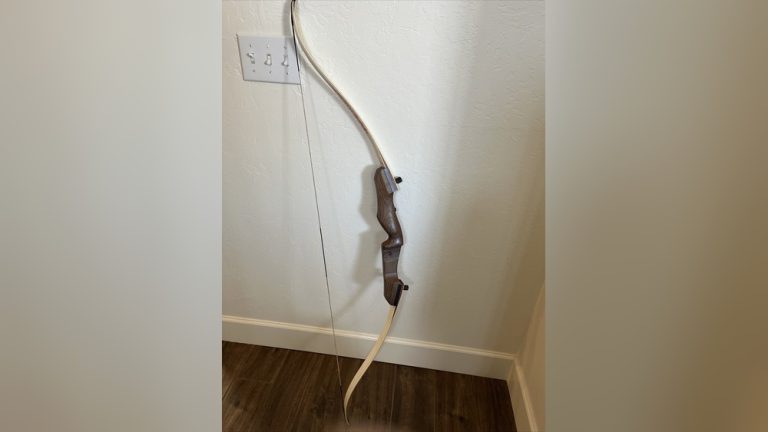
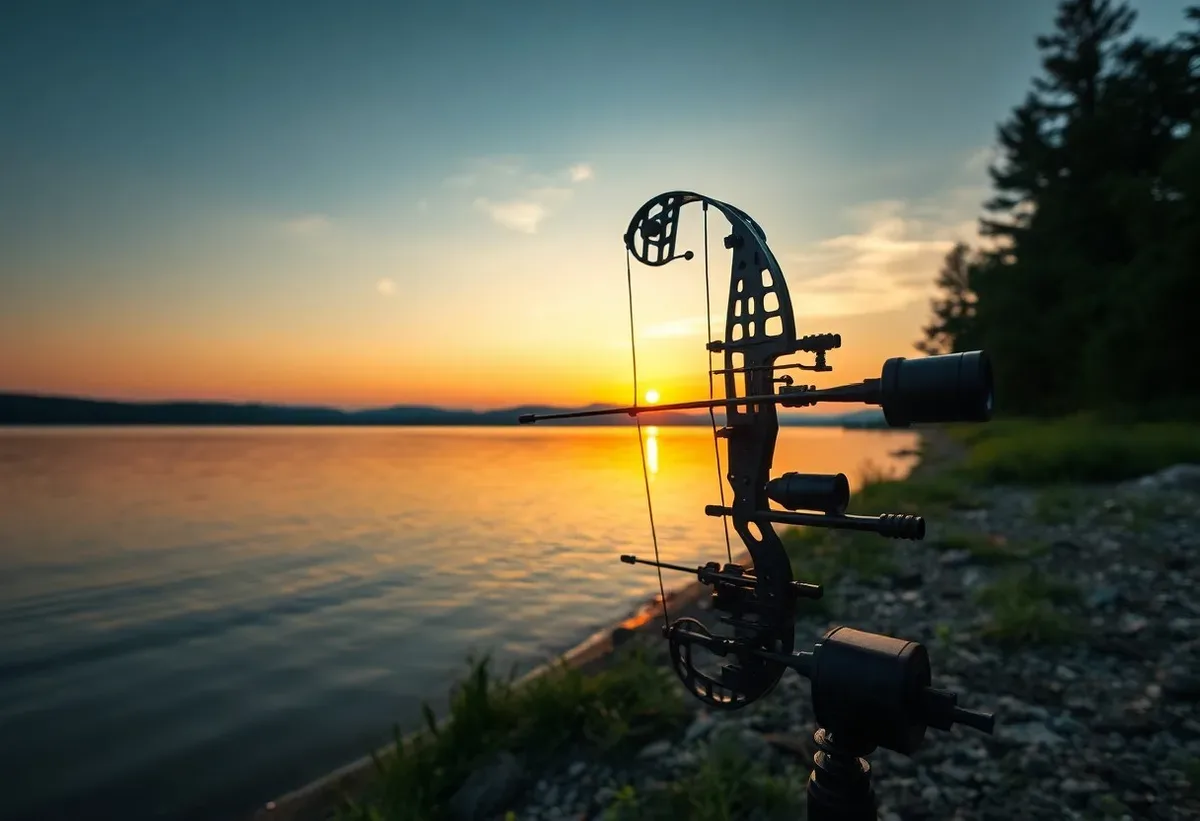
- Bow: Either a recurve, compound, or specialized bowfishing bow.
- Reel: Attaches to the bow, allowing you to retrieve arrows quickly.
- Arrows: Durable, often made from fiberglass or carbon, with barbed tips.
- Line: Heavy-duty, abrasion-resistant line, typically 80, 200 lbs test.
- Rest and Safety Slide: Keeps the arrow in position and prevents line tangling.
- Protective gear: Gloves and eyewear to safeguard against mishaps.
Comparing Bow Types For Bowfishing
Bow selection significantly affects performance and comfort. The following table compares the main bow types used in bowfishing:
| Bow Type | Draw Weight Range | Advantages | Drawbacks | Best For |
|---|---|---|---|---|
| Recurve | 30, 50 lbs | Simple, lightweight, easy maintenance | Less power, harder to hold at full draw | Beginners, quick shots |
| Compound | 30, 70 lbs | Higher power, let-off for easier aiming | Heavier, more complex | Intermediate/Advanced, larger fish |
| Bowfishing-specific | 25, 50 lbs | Designed for aquatic use, corrosion-resistant | Limited versatility for other archery types | Dedicated bowfishers |
Choosing The Right Reel System
Three main types of reels are available for bowfishing:
- Drum reels: Simple, reliable, but slower retrieval.
- Spincast reels: Faster, easier for beginners, but require more maintenance.
- Retriever reels: Tangle-free, quick line pickup, favored by many experts.
Arrow And Tip Options
Bowfishing arrows must be strong and straight. Most are made from fiberglass or carbon fiber. Tip designs vary:
- Barbed tips: Secure fish after impact.
- Quick-release tips: Easier removal, ideal for catch and release or frequent shooting.
- Interchangeable tips: Provide versatility for different species and conditions.
Example: Gear Choices In A Real-world Scenario
In my experience bowfishing for carp in Midwest rivers, a 40-lb recurve bow with a retriever reel and fiberglass arrows offered the ideal balance between maneuverability and stopping power. Protective gloves prevented hand injuries during quick shots, especially when wading in rocky shallows.

Credit: troutbitten.com
Step-by-step: Learning Bowfishing Techniques Through Video
Mastering bowfishing requires more than just equipment; it’s about developing the right skills, many of which can be efficiently learned by watching high-quality videos.
Understanding Shot Placement And Aiming
Unlike shooting at stationary targets, bowfishing involves aiming at moving fish, often in murky or reflective water. Refraction causes fish to appear higher than they actually are, so shooters must aim below the apparent position. This “aim low” principle is one of the most critical lessons, and well-produced videos often use underwater and split-screen visuals to illustrate it.
Practicing Stalking And Positioning
Approaching fish without spooking them is an art. Instructional videos break down:
- Boat positioning: Keeping the sun at your back for better visibility.
- Wading tips: Moving slowly to minimize ripples and noise.
- Reading water: Spotting likely fish habitat based on current, depth, and vegetation.
Trigger Control And Shot Execution
Proper trigger control ensures both accuracy and safety. Key points covered in top videos include:
- Drawing the bow smoothly and anchoring consistently.
- Releasing the arrow with minimal movement to avoid spooking fish.
- Following through to maintain accuracy, especially on longer shots.
Ethics And Fish Handling
Responsible bowfishers minimize suffering and waste. Step-by-step videos often highlight:
- Quick retrieval: To ensure a swift, humane kill.
- Immediate dispatch: Using a club or knife if necessary.
- Proper disposal: Following local regulations for invasive species.
Example: Technique Breakdown In A Pro Video
A how to bow fish video produced by the Florida Fish and Wildlife Conservation Commission showcases multiple camera angles of successful and missed shots. The host pauses and rewinds key moments, helping viewers identify correct aiming points and common mistakes.
Comparing Bowfishing In Different Environments
Bowfishing conditions vary dramatically depending on whether you’re in a river, lake, or marsh. The right techniques and gear choices depend on your environment, as illustrated in the table below.
| Environment | Typical Target Species | Water Clarity | Recommended Gear | Unique Challenges |
|---|---|---|---|---|
| River | Carp, gar, suckers | Variable, often murky | Retriever reel, heavier arrows | Current, obstacles, debris |
| Lake | Buffalo, drum, catfish | Generally clearer | Spincast reel, polarized glasses | Deep water, boat maneuvering |
| Marsh | Tilapia, bowfin, grass carp | Shallow, weedy | Recurve bow, waders | Dense vegetation, limited visibility |
River Bowfishing
Rivers often have fast-moving water and murky conditions. Videos focusing on river environments teach viewers to anticipate fish movement and adjust shot timing. Safety tips include watching for submerged debris and using heavier arrows to maintain accuracy.
Lake Bowfishing
Lakes offer greater visibility but may require longer shots. Instructional videos demonstrate how to use polarized sunglasses to reduce glare and improve spotting. Boat-based bowfishing is common, with tutorials covering anchoring, quiet approach, and managing equipment on deck.
Marsh Bowfishing
Marshes are typically shallow, with plenty of vegetation. Videos often cover wading strategies, stealth, and close-range shooting. Unique hazards include mud, sudden drop-offs, and hidden obstacles.
Example: Success Story From A Marsh Bowfisher
A case study from southern Louisiana illustrates how adapting techniques, such as using shorter, lighter bows and moving quietly through reeds, resulted in a successful harvest of several invasive tilapia, as documented in a local outdoor video.
Maximizing Learning: Tips For Watching How To Bow Fish Videos
Watching instructional content is only effective if viewers engage actively and apply what they learn. The following strategies will help you get the most out of each how to bow fish video.
Active Watching Techniques
- Take notes: Jot down key tips, gear lists, and shot placement reminders.
- Pause and rewind: Rewatch complex sections or slow-motion replays to solidify understanding.
- Compare multiple videos: Different instructors may offer varied perspectives and solutions.
Practicing Alongside The Video
Set up your gear and practice movements in a safe, controlled environment as you watch. Use a target block or dummy fish to simulate real shots. This hands-on approach accelerates muscle memory and confidence.
Joining Online Bowfishing Communities
Forums, social media groups, and comment sections are valuable for sharing experiences and asking questions. Engage respectfully, and seek advice from seasoned bowfishers who can recommend the most helpful videos and troubleshoot common issues.
Example: Progression From Video To Real-world Success
After following a complete video series by a professional bowfishing guide, one angler documented their first successful trip, crediting the videos for teaching proper safety procedures and effective aiming. The progression from novice to confident bowfisher was evident in subsequent footage.
Ethical And Environmental Considerations
Bowfishing carries unique responsibilities. By following ethical guidelines and respecting aquatic ecosystems, participants ensure the sport remains sustainable and respected.
Targeting Invasive Species
Many regions encourage bowfishing for non-native species like carp and tilapia to protect native fish and habitats. Videos produced in partnership with conservation agencies often highlight these benefits, reinforcing the importance of responsible harvest.
Minimizing Waste And Impact
Ethical bowfishers utilize harvested fish whenever possible, for consumption, fertilizer, or donation to wildlife programs. Avoid discarding fish in waterways, which is often illegal and ecologically harmful.
Compliance With Laws And Regulations
Always check local laws before bowfishing. Regulations may restrict certain species, gear types, or seasons. Some states require special permits or reporting of catches. For the latest legal information, consult official resources such as the U.S. Fish and Wildlife Service.
Example: Conservation-focused Bowfishing Event
A successful bowfishing tournament in Illinois, documented in a regional outdoor video, removed over 5,000 pounds of invasive carp from a single lake. Organizers partnered with local agencies to ensure ethical practices and proper fish disposal, highlighting bowfishing’s potential for positive environmental impact.
Common Mistakes And How To Avoid Them
Many beginners make errors that hinder their success or compromise safety. Recognizing and correcting these mistakes is essential for enjoyable and responsible bowfishing.
Aiming Too High
Refraction causes fish to appear closer to the surface than they are. Beginners often aim too high, missing beneath the fish. Pro Tip: Always aim several inches below the target, adjusting for water depth and distance.
Poor Equipment Maintenance
Neglecting to clean and inspect gear leads to malfunctions and lost fish. Regularly check bowstrings, arrow tips, and reel mechanisms, especially after trips in muddy or brackish water.
Ignoring Local Regulations
Failure to observe legal restrictions can result in fines or equipment confiscation. Always verify the latest rules before each outing.
Unsafe Shooting Practices
Swinging the bow carelessly or failing to account for bystanders puts everyone at risk. Maintain strict awareness of your surroundings and keep arrows pointed downrange.
Example: Learning From A Mistake
A bowfisher in Texas shared a video of a missed shot that resulted in a tangled line and lost arrow. By reviewing the footage and identifying the error, incorrect reel setup, they were able to correct the issue and improve future performance.
Frequently Asked Questions
What Is The Best Time Of Year For Bowfishing?
The optimal season varies by region and target species. In most US states, spring and early summer are ideal, as fish move into shallow water to spawn. Warmer temperatures and increased daylight improve visibility and activity levels. However, some species like gar or tilapia can be targeted year-round in southern states. Always check local regulations for seasonal restrictions.
Can Bowfishing Be Done At Night?
Yes, bowfishing at night is extremely popular, especially on lakes and rivers. Anglers use powerful LED lights mounted on boats to illuminate shallow areas and spot fish more easily. Night bowfishing often yields higher success rates due to reduced boat traffic and fish being less wary. Safety precautions are even more critical after dark, including proper lighting and clear communication among participants.
What Should I Do With The Fish I Harvest?
Many bowfished species are edible, such as carp, buffalo, and tilapia, though preparation methods may differ from traditional game fish. If you do not plan to eat the fish, consider using them as fertilizer, donating to wildlife rehabilitation centers, or checking if local agencies offer disposal or recycling programs.
Never discard harvested fish in waterways, as this can harm the environment and is often illegal.
Is Special Training Required For Bowfishing?
Formal certification is not required in most areas, but practical training is highly recommended. Beginners should start with detailed instructional videos, then practice with experienced bowfishers or attend a local workshop. Many archery shops and outdoor retailers offer bowfishing clinics. Additionally, some states require a fishing license or special bowfishing permit, always verify legal requirements in advance.
How Can I Find Bowfishing Locations Near Me?
The best bowfishing spots are typically shallow rivers, lakes, or marshes known for populations of rough or invasive fish. Start by contacting your state’s fish and wildlife agency, which often provides maps and species lists. Online forums, local bowfishing clubs, and social media groups can also offer valuable recommendations. For additional resources and educational materials, visit the Bowfishing Association of America.
Bowfishing offers a unique, adrenaline-filled way to connect with nature, improve your archery skills, and contribute to aquatic conservation. By choosing the right instructional videos, investing in quality gear, and practicing ethical techniques, you can enjoy safe and successful outings.
Whether you’re a complete beginner or looking to refine your abilities, the wealth of online resources and passionate community support make now an excellent time to try bowfishing for yourself.