How To Bow Fish With A String And A Arrow
Bowfishing is an exhilarating outdoor pursuit that blends the precision of archery with the challenge of fishing. Unlike conventional rod-and-reel angling, bowfishing requires skill, patience, and an understanding of aquatic environments. Whether you’re targeting invasive carp in Midwestern rivers or stalking gar in Southern bayous, bowfishing with just a string and an arrow is both a primal and practical method. This guide will walk you through the essentials, techniques, safety, and practical tips for mastering this unique sport, ensuring you’re well-equipped to hit the water and start landing fish.
The simplicity of bowfishing, requiring only a bow, a sturdy string, and a specialized arrow, makes it accessible to beginners and appealing to seasoned outdoorsmen. However, success depends on proper preparation, a clear understanding of the equipment, and respect for both local wildlife and regulations.
Through real-world examples, data-driven comparisons, and actionable advice, this article will help you develop the skills and confidence needed to bowfish with a string and an arrow, maximizing both enjoyment and results.
Key Takeaways
- Bowfishing combines archery and fishing, offering a unique, hands-on approach to catching fish.
- Essential gear includes a bow, string, and arrow, with specialized arrows designed for aquatic targets.
- Mastering bowfishing requires understanding water clarity, fish behavior, and shooting techniques.
- Safety, ethical practices, and adherence to local regulations are crucial for responsible bowfishing.
- Real-world case studies highlight effective strategies and common challenges encountered by bowfishers.
- Comparison tables provide insights on gear selection and target species to optimize your bowfishing experience.
Credit: www.youtube.com
Understanding Bowfishing: The Basics
Bowfishing is an ancient practice that has evolved into a modern sport. Its appeal lies in its simplicity and the visceral connection between hunter and prey. Unlike traditional fishing, bowfishing allows you to spot, stalk, and shoot fish in shallow waters. The technique is particularly effective for targeting species like carp, gar, and catfish, which frequent the shallows and can be visually tracked.
What Makes Bowfishing Unique
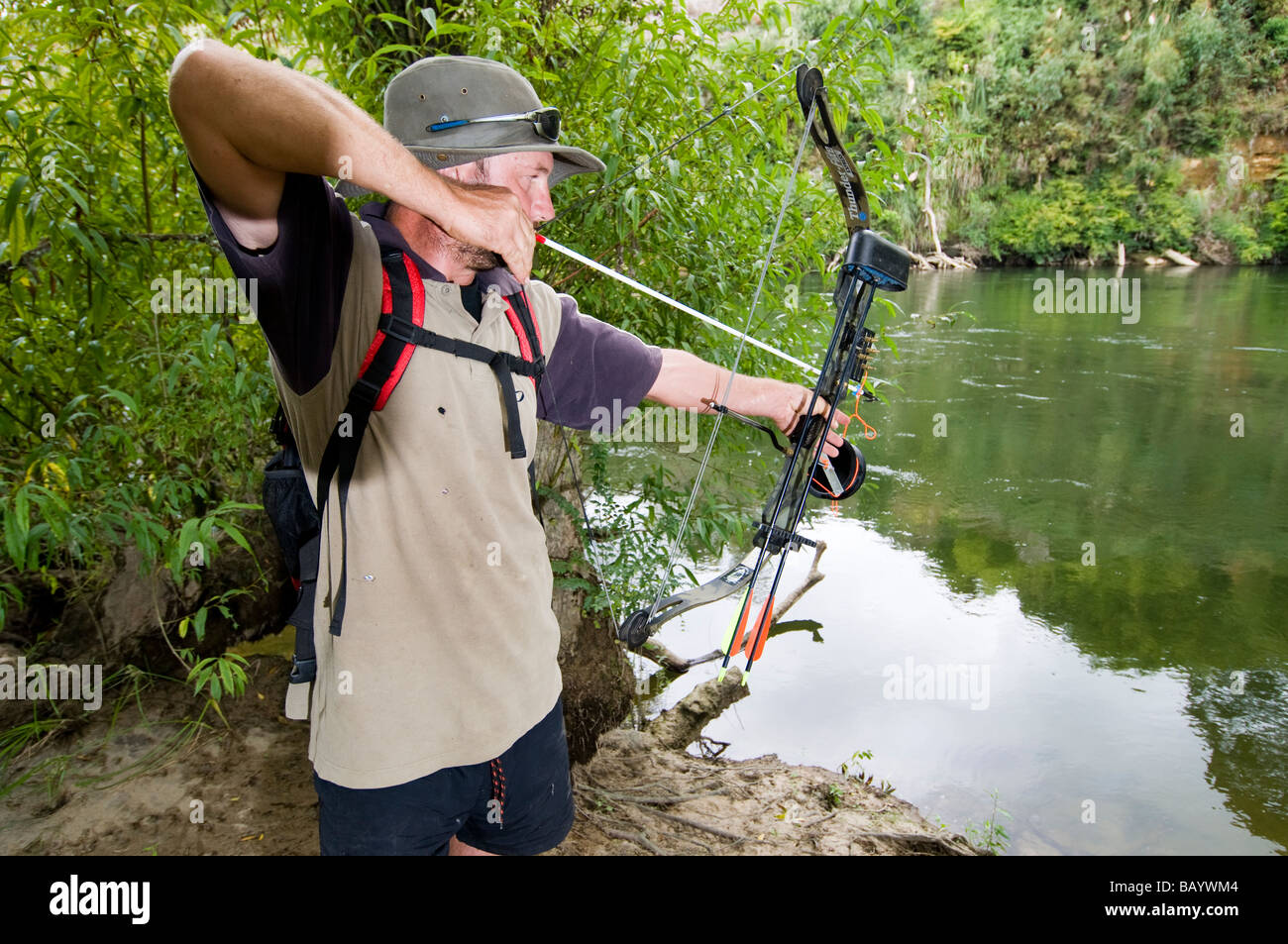
The sport stands apart due to its direct engagement with aquatic environments. Participants must read water conditions, anticipate fish movements, and react quickly. Bowfishing is often conducted from boats, but can also be done from shorelines or wading in shallow waters.
Key characteristics of bowfishing include:
- Visual targeting: Spotting fish before shooting.
- Immediate action: Shooting and retrieving fish in real time.
- Minimal gear: Using only a bow, string, and arrow, no complex reels or lures.
Equipment Overview
The core components are:
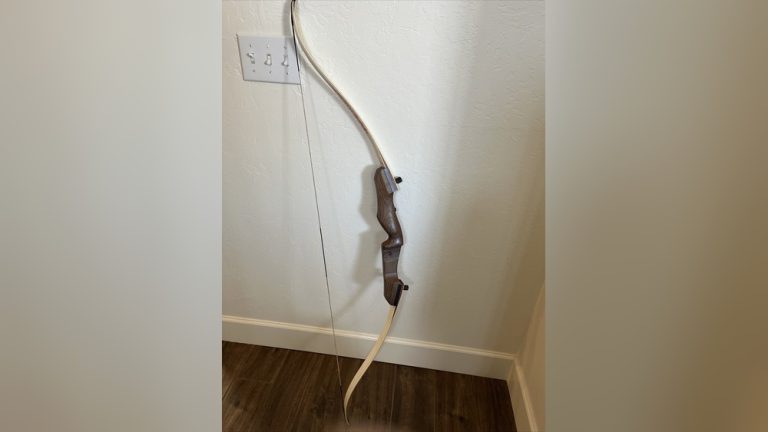
- Bow: Compound, recurve, or even traditional longbows can be used.
- String: Heavy-duty line attached to the arrow for retrieval.
- Arrow: Typically made of fiberglass or aluminum, with barbed tips designed to penetrate and hold fish.
A simple setup can be highly effective, but understanding each component’s role is essential for accuracy and safety.
Historical Context
Bowfishing has roots in indigenous cultures worldwide. Native American tribes, for example, used handmade bows and arrows to hunt fish in rivers and lakes, often at night with torches to attract their quarry. Today, modern bowfishing preserves these traditions while integrating advances in materials and techniques.
Credit: www.alamy.com
Essential Gear For Bowfishing With String And Arrow
Choosing the right equipment is the foundation of successful bowfishing. While the method is minimalist, the quality and compatibility of your gear can significantly impact performance.
Bow Selection
Your bow should be:
- Durable and resistant to water exposure.
- Easy to draw with moderate draw weight (typically 30, 50 pounds is sufficient).
- Comfortable for extended use, whether from shore or boat.
Compound bows offer adjustable draw weights and are popular for their efficiency, but recurve bows provide simplicity and reliability.
Arrow Specifications
Bowfishing arrows differ from standard archery arrows:
- Made from fiberglass or aluminum for strength and weight.
- Equipped with barbed tips to prevent fish escape.
- Heavier than target arrows to aid penetration in water.
The arrow’s barbed tip is crucial, as it ensures the fish remains attached during retrieval.
String And Line Attachment
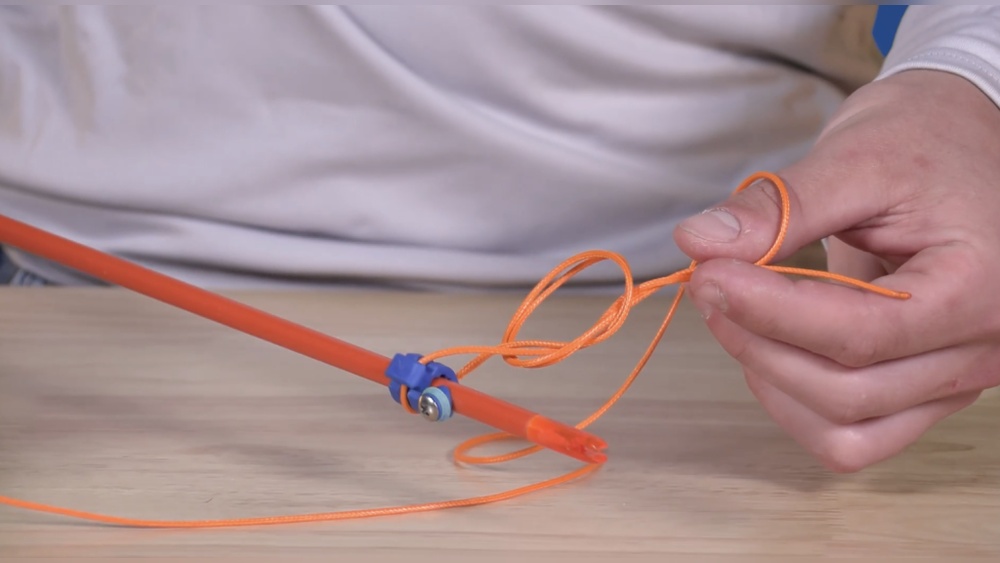
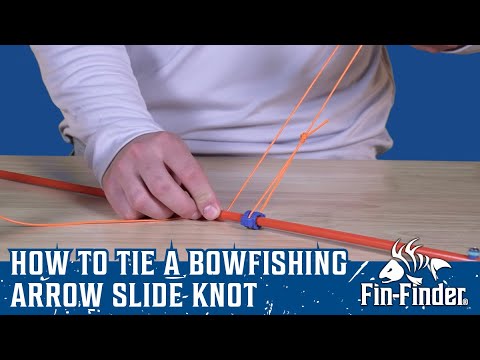
The string, often referred to as the bowfishing line, is attached to the arrow via a slide or loop. Key considerations:
- Strength: Must withstand the pull of large fish and potential snags.
- Visibility: High-visibility lines help track arrows in murky waters.
- Material: Braided nylon or Spectra lines are commonly used.
Comparison Table: Bow Types For Bowfishing
| Bow Type | Draw Weight Range | Ease of Use | Water Resistance | Typical Price Range |
|---|---|---|---|---|
| Compound | 30, 50 lbs | High | Good | $200, $500 |
| Recurve | 25, 45 lbs | Medium | Excellent | $100, $300 |
| Longbow | 30, 40 lbs | Low | Excellent | $150, $400 |
Pro Tip:
Start with a recurve bow if you’re new to bowfishing. It offers simplicity and a forgiving learning curve, especially when shooting from unstable platforms like boats.
Techniques For Bowfishing Success
Mastering bowfishing requires more than just hitting the target, it demands an understanding of fish behavior, water conditions, and shooting mechanics.
Spotting And Stalking Fish
Success hinges on your ability to spot fish in their natural habitat. Factors to consider:
- Water clarity: Clear, shallow waters are ideal. Early morning and late evening offer optimal visibility.
- Light and shadow: Use polarized sunglasses to reduce glare and improve detection.
- Movement: Look for subtle ripples or flashes beneath the surface.
Stalking involves moving quietly to avoid spooking fish. Many bowfishers use boats equipped with trolling motors for silent approach.
Aiming And Shooting Techniques
Unlike archery on land, refraction affects aiming underwater. The light bending makes fish appear closer to the surface than they are. To compensate:
- Aim below the fish, typically 3, 6 inches, depending on depth.
- Practice “snap shooting,” where you release quickly without full draw.
- Use instinctive shooting; sights are rarely effective due to water distortion.
Retrieving Your Catch
Once the arrow strikes, retrieval is immediate:
- Pull the line hand-over-hand, keeping tension to prevent fish escape.
- Use gloves for protection against sharp fins and barbed tips.
- Secure the fish and remove the arrow carefully.
Case Study: Midwestern Carp Bowfishing
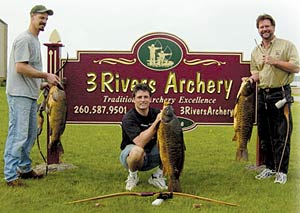
In the Illinois River, bowfishers have successfully reduced invasive carp populations using string-and-arrow setups. By targeting dense schools in shallow tributaries, local anglers increased their catch rates by 40% (Illinois DNR report). The technique proved effective for both recreational and conservation efforts.
Credit: www.3riversarchery.com
Safety And Ethical Considerations
Bowfishing presents unique risks and responsibilities. Ensuring safety and ethical conduct protects both participants and aquatic ecosystems.
Personal Safety
Key safety tips include:
- Wear eye protection and gloves.
- Check all gear for damage before use.
- Maintain awareness of surroundings, especially when shooting from boats or wading.
Avoid aiming at fish near swimmers or in crowded areas.
Wildlife And Environmental Stewardship
Ethical bowfishing means:
- Targeting non-native or overpopulated species to aid conservation.
- Avoiding protected or endangered fish.
- Properly disposing of all fish and minimizing waste.
Legal Regulations
Always consult state and local authorities regarding:
- Permitted species and seasons.
- Licensing requirements.
- Gear restrictions (some areas prohibit barbed arrows or night bowfishing).
For example, the Texas Parks & Wildlife Department requires bowfishers to obtain a fishing license and prohibits targeting certain native species. Refer to official resources like TPWD Regulations for specific guidelines.
Example: Ethical Bowfishing In Florida
Florida bowfishers often target invasive tilapia and catfish in Lake Okeechobee. By adhering to strict bag limits and avoiding native species, they contribute to ecosystem balance while enjoying the sport.
Advanced Strategies And Real-world Scenarios
Experienced bowfishers develop nuanced strategies to maximize their success. Adapting to different environments and fish behaviors is key.
Night Bowfishing
Many anglers prefer bowfishing at night, when fish are more active and easier to spot with artificial lights. Popular methods include:
- Using high-powered LED spotlights to illuminate shallows.
- Targeting species like gar and carp, which feed at night.
- Employing stealth to approach fish without spooking them.
Night bowfishing requires extra safety precautions, such as wearing reflective gear and ensuring boats have proper lighting.
Wading Vs. Boating
There are distinct advantages and challenges to each approach:
- Wading: Offers close proximity and quiet movement, but limits mobility and can be hazardous in deeper waters.
- Boating: Provides access to larger areas and can accommodate multiple anglers, but requires more gear and navigation skill.
| Method | Mobility | Safety | Target Range | Equipment Complexity |
|---|---|---|---|---|
| Wading | Low | Medium | Shallow waters | Simple |
| Boating | High | High | Wide areas | Moderate |
Example: Bowfishing For Gar In Louisiana Bayous
Louisiana’s bayous are prime territory for gar. Local bowfishers often use flat-bottom boats and string-and-arrow setups, targeting gar at night with spotlights. In my experience, the best results came from slowly drifting along weed beds and aiming well below the visible target, gar are notoriously slippery and require precise shots.
Weather And Seasonal Adjustments
Bowfishing is influenced by environmental conditions:
- Spring: High water clarity and spawning fish in shallows.
- Summer: Increased vegetation, requiring careful navigation.
- Fall: Lower fish activity but opportunities for larger catches.
Adapting your approach to seasonal changes can significantly improve your success rates.
Preparing For Your Bowfishing Adventure
Preparation goes beyond gear selection, planning, scouting, and understanding local conditions are essential.
Scouting Locations
Identify potential spots by:
- Checking online forums and local fishing reports.
- Visiting areas at different times of day to assess water clarity and fish activity.
- Consulting maps for shallow flats, river bends, and backwaters.
Scouting helps you anticipate fish movements and plan your shots.
Practice And Skill Development
Regular practice is critical. Set up targets in shallow water to simulate real conditions. Focus on:
- Quick, instinctive shooting.
- Adjusting aim for water refraction.
- Retrieving arrows efficiently.
Joining local bowfishing clubs or attending tournaments can accelerate skill development through shared knowledge and friendly competition.
Gear Maintenance
Keep your equipment in top condition:
- Inspect strings and arrows for wear.
- Clean and dry gear after each outing to prevent corrosion.
- Replace barbed tips as needed.
Proper maintenance ensures reliability and safety during bowfishing trips.
Packing Checklist
Before heading out, ensure you have:
- Bow and arrows with attached string.
- Gloves, sunglasses, and protective clothing.
- First aid kit and emergency supplies.
- Flashlights or LED spotlights for night fishing.
- Valid fishing license and copies of regulations.
Target Species And Habitat Insights
Knowing which fish to target and where to find them is central to bowfishing success. Species selection should align with local regulations and conservation goals.
Common Bowfishing Targets
Popular species include:
- Carp: Abundant, invasive, and excellent for beginners.
- Gar: Large, challenging, and often found in Southern waters.
- Catfish: Found in rivers and lakes, especially at night.
- Tilapia: Invasive in many regions, targeted for ecosystem control.
Habitat Preferences
Each species favors specific habitats:
- Carp: Shallow, muddy flats.
- Gar: Weedy bayous and slow-moving rivers.
- Catfish: Deep pools and under submerged structures.
- Tilapia: Warm, vegetated lakes.
Data Table: Target Species And Habitats
| Species | Preferred Habitat | Best Time to Fish | Difficulty | Legal Status |
|---|---|---|---|---|
| Carp | Muddy flats | Spring | Easy | Invasive (legal in most states) |
| Gar | Weedy rivers | Night/Summer | Medium | Regulated (check local laws) |
| Catfish | Deep pools | Night | Medium | Legal (with license) |
| Tilapia | Vegetated lakes | Year-round | Easy | Invasive (legal in many states) |
Example: Targeting Carp In The Great Lakes Region
Carp bowfishing in the Great Lakes has become a popular method for controlling invasive populations. Anglers regularly report high catch rates in shallow bays during spring, contributing to ecosystem health and providing excellent sport.
Conservation Impact
Bowfishing can play a vital role in conservation. By targeting invasive species, bowfishers help restore balance to aquatic ecosystems. For more information on conservation efforts, visit Wikipedia: Bowfishing.
Frequently Asked Questions
What Type Of Bow Is Best For Beginners In Bowfishing?
A recurve bow is widely recommended for beginners due to its simple design and forgiving nature. It doesn’t require extensive setup or maintenance, and its lighter draw weights make it easier to handle during extended sessions. Beginners can focus on developing their shooting skills without getting overwhelmed by complex adjustments.
How Do I Avoid Losing Arrows While Bowfishing?
To minimize arrow loss, always use a slide or loop attachment for the line, ensuring it is securely fastened to the arrow. Inspect connections regularly for wear, and choose brightly colored lines to make arrows easier to spot in water. Practicing retrieval techniques and aiming away from obstacles also helps reduce losses.
Is It Possible To Bowfish In Saltwater Environments?
Yes, bowfishing is feasible in saltwater, especially in coastal areas and tidal flats. However, saltwater can accelerate gear corrosion, so it’s important to rinse all equipment with fresh water after each outing and use arrows with stainless steel tips. Target species often include mullet, flounder, and sheepshead.
What Are The Biggest Mistakes New Bowfishers Make?
Common mistakes include overestimating water depth when aiming, neglecting gear maintenance, and failing to check local regulations. New bowfishers may also spook fish by moving too quickly or making excessive noise. Practicing patience and learning proper aiming techniques are crucial for success.
Can Bowfishing Be Practiced Year-round, Or Are There Seasonal Restrictions?
Bowfishing can often be practiced year-round, but seasonal restrictions may apply depending on local laws and target species. Some areas limit bowfishing during spawning periods or for specific fish. Always consult official regulations and plan trips according to local guidelines to avoid penalties.
Bowfishing with a string and an arrow offers an authentic, hands-on experience that connects anglers to nature in a unique way. By understanding the equipment, mastering shooting techniques, and respecting safety and ethical standards, you can enjoy successful outings while contributing to conservation efforts.
Whether you’re a beginner or a seasoned bowfisher, the sport promises adventure, challenge, and lasting memories.