How To Bow Fish During The Day
Bowfishing offers anglers a unique blend of archery and fishing, transforming waterways into hunting grounds for sport and sustenance. While night bowfishing is popular for its dramatic visuals and abundance of active fish, daytime bowfishing presents its own set of challenges and rewards. With sunlight illuminating the water, spotting fish can be easier, but the visibility also makes stealth and precision more critical. Whether you’re seeking carp, gar, or other invasive species, mastering bowfishing during daylight hours can elevate your skills and yield impressive results.
Day bowfishing appeals to those who want to maximize their time outdoors, avoid late-night excursions, or simply prefer to hunt fish in full view of their surroundings. However, this method requires a keen understanding of local fish behavior, water clarity, and the right equipment.
From selecting the best spots to fine-tuning your gear and technique, this comprehensive guide will equip you with everything you need to know to bow fish successfully during the day.
Key Takeaways
- Daytime bowfishing offers unique visibility advantages and challenges compared to night bowfishing.
- Success depends on proper equipment, stealth tactics, and understanding fish behavior.
- Water clarity, sun angle, and weather play significant roles in spotting and targeting fish.
- Ethical and legal considerations are crucial; always check local regulations before bowfishing.
- Case studies and real-world examples highlight effective strategies for different environments.

Credit: windrider.com
Understanding Day Bowfishing: Differences And Advantages
Bowfishing during daylight hours is markedly different from night sessions, primarily due to visibility, fish activity, and environmental factors. Recognizing these distinctions is vital to tailoring your approach.
Visibility And Spotting Fish
Sunlight allows you to see deeper into the water, making fish easier to spot, especially in clear, shallow environments. However, this increased visibility works both ways; fish can see you too, necessitating stealthy movements and careful positioning. Polarized sunglasses are indispensable, reducing glare and enhancing underwater visibility.
Fish Behavior And Activity
Many target species such as carp, gar, and bowfin are active during the day, often feeding in the shallows. However, their behavior can vary based on weather, season, and water temperature. In my experience, carp tend to move into sun-warmed shallows in late spring and early summer, while gar may patrol deeper edges during midday.
Environmental Factors
Water clarity is a critical consideration. Clear water makes spotting fish easier but demands greater stealth. Murky water can hide fish but complicates aiming and identification. Wind, sun angle, and cloud cover also affect visibility and fish activity, requiring flexibility in your approach.
| Factor | Day Bowfishing Impact | Night Bowfishing Impact |
|---|---|---|
| Visibility | High with sunlight; glare can be an issue | Low, requires artificial lighting |
| Fish Activity | Species-specific; varies by weather/season | Often increased for nocturnal/invasive fish |
| Stealth | Critical, fish can see you | Less critical, darkness conceals movement |
| Equipment Needs | Polarized glasses, sun protection | High-powered lights, night optics |
Example: Carp In Sunlit Shallows
On a late May afternoon at Lake Fork, Texas, carp were visible cruising the edges of lily pads. Using polarized sunglasses and a camouflaged approach, I consistently spotted and targeted fish within 20 feet. The sunlight made it easy to discern movement, but the carp’s awareness required slow, deliberate movements.
Credit: windrider.com
Selecting The Right Equipment For Day Bowfishing
The right gear is essential for effective day bowfishing. Equipment choices should reflect the environment, target species, and daylight conditions.
Bow Selection And Setup
Most bowfishers use compound bows or recurve bows designed for rugged use and quick shots. Draw weight for bowfishing typically ranges from 30 to 50 pounds, sufficient for penetrating water and tough fish scales. Specialized bowfishing bows often feature corrosion-resistant finishes and adjustable draw weights.
Arrows And Tips
Bowfishing arrows are heavier than standard archery arrows, often made from fiberglass or carbon for durability. They are equipped with barbed tips to securely hold fish. For daytime, brightly colored arrows can aid in recovery and tracking.
Reels And Line
Three types of reels are common: hand-wrap, spincast, and retriever reels. Spincast reels offer fast retrieval and are beginner-friendly, while retriever reels handle heavier fish and longer shots. Use braided line with a minimum 80-pound test for durability.
| Reel Type | Advantages | Best for Day Bowfishing? |
|---|---|---|
| Hand-Wrap | Simple, lightweight, inexpensive | No, slower retrieval, less visibility |
| Spincast | Quick retrieval, easy operation | Yes, ideal for beginners and clear water |
| Retriever | Heavy-duty, fast line recovery | Yes, for larger fish and long shots |
Polarized Sunglasses
Polarized lenses are non-negotiable for day bowfishing. They cut glare, improve underwater visibility, and reduce eye strain. Brands like Costa Del Mar and Oakley are favored for their performance and durability.
Boats And Platforms
A flat-bottomed boat or shallow-draft kayak allows access to prime bowfishing spots. Elevated platforms enhance visibility and improve shooting angles, especially in sunlit water. When bank fishing, lightweight waders can help reach shallows without disturbing the fish.
Sun Protection And Clothing
Sun exposure is a concern during day bowfishing. Wear UV-protective shirts, hats, and sunscreen. Lightweight, breathable fabrics keep you cool while maintaining coverage.
Example: Gear For Clear Water Rivers
On the White River in Arkansas, I used a compound bow with a retriever reel, fiberglass arrows, and polarized sunglasses. The clear water demanded stealth and bright arrows for easy tracking. Elevated boat platforms allowed better sightlines, and sun-protective clothing kept me comfortable throughout the day.
Finding The Best Locations For Day Bowfishing
Location is a key determinant of success. Understanding local water bodies and fish habits helps target areas with high fish concentrations and clear shooting opportunities.
Shallow Flats And Weed Beds
Fish often feed and spawn in shallow flats, especially during spring and early summer. Weed beds provide cover and attract prey species, making them hotspots for carp and gar. Look for areas where sunlight penetrates and vegetation is dense but not impenetrable.
Riverbanks And Creek Mouths
Riverbanks and creek mouths funnel fish into predictable paths. During the day, target fish moving between deeper and shallower water. Approach slowly to avoid spooking them, and use polarized sunglasses to scan edges for movement.
Man-made Structures
Docks, bridges, and submerged debris attract fish by providing shade and shelter. These areas often harbor invasive species, making them ideal for bowfishing. Always check local regulations regarding fishing near structures.
Clear Water Lakes
Day bowfishing thrives in lakes with clear water and minimal boat traffic. Early morning and late afternoon are optimal for reduced glare and increased fish activity. Scout ahead to locate areas with visible fish and minimal disturbance.
Example: Urban Reservoir Success
A case study from the Lake Springfield Reservoir in Illinois showed daytime bowfishers targeting carp and buffalo near bridge pilings. Using a kayak and polarized glasses, anglers reported high success rates during midday hours when fish gathered in shaded pockets.
Pro Tip:
Scout locations in advance and use aerial maps or online resources to identify shallow, accessible areas with minimal human disturbance.
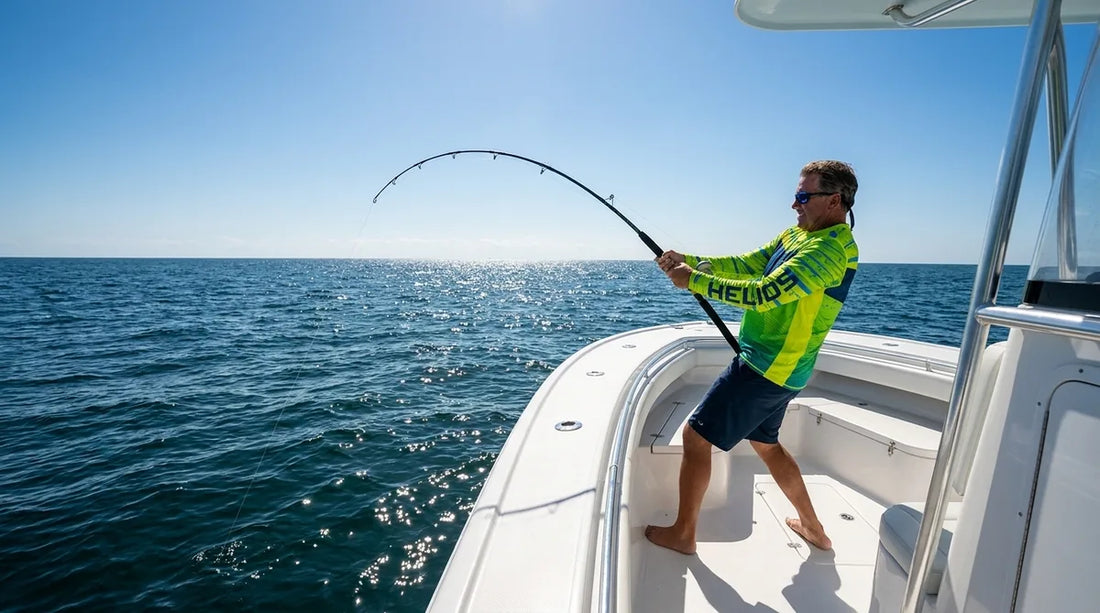
Credit: windrider.com
Mastering Day Bowfishing Techniques
Skillful execution is vital for converting sightings into successful shots. Day bowfishing demands accuracy, patience, and an understanding of fish behavior.
Stealth And Approach
Fish are more alert during the day. Move slowly, avoid sudden movements, and use natural cover to break up your silhouette. Approach from downwind or downstream to minimize scent and vibration.
Shot Placement And Refraction
Water bends light, making fish appear closer or deeper than they are. Aim low to compensate for refraction; a common rule is to aim 4 inches lower for every foot of depth. Practice regularly to refine your accuracy.
Reading Fish Behavior
Observe fish for signs of feeding, spawning, or cruising. Feeding fish are easier to approach, while spawning fish may be more aggressive. Learn to distinguish between target and non-target species to avoid legal issues.
Recovery And Retrieval
After a successful shot, retrieve fish promptly to prevent loss and minimize stress. Use gloves for handling large or spiny species. Always dispose of invasive fish responsibly to comply with conservation guidelines.
Example: A Bowfishing Tournament
At a daytime bowfishing tournament on the Mississippi River, participants used stealth tactics, low-angle shots, and quick retrieval methods. Teams who practiced refraction compensation saw higher hit rates and won top prizes for accuracy and quantity.
| Technique | Daytime Challenge | Solution |
|---|---|---|
| Stealth | Fish can see movement | Move slowly, use cover |
| Shot Placement | Refraction distorts fish location | Aim lower, practice often |
| Fish Identification | Sunlight can obscure details | Polarized glasses, careful observation |
Safety, Ethics, And Legal Considerations
Responsible bowfishing is essential for conservation and compliance. Ethical practices ensure healthy ecosystems and respect for fellow anglers.
Local Regulations And Permits
Always check state and local laws before bowfishing. Some states require specific permits or restrict bowfishing to certain species. Refer to the U.S. Fish & Wildlife Service for updated regulations and consult local authorities for details.
Target Species And Conservation
Focus on invasive species like carp, gar, and suckers, which threaten native fish populations. Avoid targeting protected species, and familiarize yourself with local fish identification to prevent mistakes.
Safe Handling And Disposal
Use proper tools for handling fish, especially large or spiny species. Dispose of invasive fish according to local guidelines, never return them to the water. Some communities have disposal sites or programs for bowfishing catches.
Respect For Other Water Users
Bowfishers share waterways with boaters, swimmers, and anglers. Maintain safe distances, avoid crowded areas, and communicate with others when necessary.
Example: Conservation Initiatives
The Texas Parks and Wildlife Department runs bowfishing tournaments targeting invasive carp. Participants are required to dispose of catches at designated sites, supporting ecosystem health and community engagement.
Warning:
Failure to comply with regulations can result in fines and loss of fishing privileges. Always consult official sources and err on the side of caution.
Real-world Case Studies And Success Stories
Learning from successful bowfishers provides actionable insights and inspiration.
Case Study 1: Lake Erie Bowfishing
Anglers on Lake Erie targeted common carp during midday hours, using elevated boat platforms and polarized glasses. They reported 30% higher visibility compared to night sessions. Strategic scouting and low-angle shots led to significant catches.
Case Study 2: Arkansas River Tournament
In a daytime tournament, teams focused on shallow sandbars and weed beds. By moving quietly and using brightly colored arrows, they increased their hit rate. The winning team attributed their success to regular practice and meticulous gear setup.
Case Study 3: Urban Bowfishing In Dallas
Urban bowfishers in Dallas used kayaks to access city lakes, targeting gar and buffalo. They avoided busy areas, scouted early mornings, and wore sun-protective clothing. Their approach resulted in sustainable harvests and positive community feedback.
Advanced Tips And Strategies For Day Bowfishing
Experienced bowfishers can fine-tune their results with advanced tactics and strategic adjustments.
Adapting To Weather And Sun Angle
Fish behavior changes with weather. Overcast days reduce glare and make fish less wary. Early morning and late afternoon provide optimal light angles for spotting fish, while midday sun can create challenging reflections.
Using Technology
Modern bowfishers leverage GPS, fish finders, and drones to scout locations and track fish movement. Fish finders help identify underwater structure, while drones offer aerial views of shallow flats.
Teamwork And Communication
Bowfishing with a partner or team increases effectiveness. Assign roles, spotter, shooter, retriever, to streamline the process. Clear communication prevents missed opportunities and promotes safety.
Practice And Skill Development
Regular practice is crucial. Set up targets in shallow water and practice shooting at various angles and depths. Review footage or use apps to analyze shot placement and improve accuracy.
Example: Integrating Technology
A team in Florida used a Garmin fish finder and a drone to locate tilapia in shallow canals. Their tech-driven approach led to higher catch rates and minimized wasted effort.
Frequently Asked Questions
What Are The Best Times Of Day To Bow Fish During Daylight Hours?
The optimal times for day bowfishing are early morning and late afternoon, when sunlight is less intense and fish are more active in the shallows. These periods also reduce glare, making it easier to spot fish. Midday can be challenging due to increased reflection and fish retreating to deeper water.
How Can I Improve My Accuracy When Bowfishing In Clear Water?
Improving accuracy requires understanding light refraction and practicing regularly. Aim several inches lower than the apparent position of the fish. Use polarized sunglasses to clarify underwater images and practice at varying depths to develop muscle memory.
Are There Specific Fish Species That Are Easier To Target During The Day?
Yes, carp, gar, and buffalo are commonly targeted during daylight hours because they feed and spawn in shallow, sunlit areas. Species behavior varies by region and season, so research local fish habits for best results.
What Should I Do With Invasive Fish After Bowfishing?
After harvesting invasive fish, follow local disposal guidelines. Some areas have designated drop-off sites or programs for bowfishing catches. Never return invasive species to the water, as this harms native populations and violates regulations.
Is Bowfishing Allowed Everywhere During The Day?
Bowfishing regulations vary widely by state and municipality. Some areas restrict bowfishing to certain species or prohibit it during spawning seasons. Always check official sources such as the U.S. Fish & Wildlife Service and local government websites before planning a trip.
Bowfishing during the day offers a thrilling and rewarding challenge, blending archery skill with angling expertise. With the right equipment, strategic planning, and ethical practices, you can make the most of daylight hours and enjoy sustainable, exciting harvests. Whether you’re a seasoned bowfisher or a newcomer, adapting your approach to the unique demands of daytime conditions will help you spot, target, and land more fish. For further reading and regulations, consult authoritative resources such as the Wikipedia Bowfishing page. With practice and respect for your environment, daytime bowfishing can become an essential part of your outdoor adventures.