How To Bow Hunt Carp
Bowfishing for carp is a unique fusion of archery and angling that’s rapidly gaining popularity across North America. It transforms a traditional fishing trip into an adrenaline-filled hunt, pitting your accuracy and timing against one of the most resilient invasive fish species.
Whether you’re looking for a new outdoor challenge, aiming to help control carp populations, or seeking a sustainable way to harvest wild fish, bowhunting carp delivers an engaging experience that rewards both skill and patience.
From shallow spring creeks to summer riverbanks, bowfishing opens up environments rarely explored by typical anglers. Carp, known for their wary nature and explosive strength, present a moving target that requires quick reflexes and proper equipment. This guide covers every facet of bowhunting carp, from gear selection and legal considerations to expert strategies and real-world examples.
Prepare to discover the techniques, tips, and insights that will put you on the path to bowfishing success.
Key Takeaways
- Bowhunting carp blends archery and fishing, offering action-packed, accessible sport.
- Proper gear selection, especially bow setup and arrows, is critical for success.
- Understanding carp habits and seasonal behavior boosts your chances.
- Ethical practices and legal compliance are essential for responsible bowfishing.
- Real-world tactics and examples help novices and seasoned hunters alike.
- Bowfishing is an effective tool for controlling invasive carp populations.

Credit: www.pyramydair.com
Understanding Bowhunting Carp
Bowhunting carp is more than shooting arrows into water, it’s a specialized pursuit requiring knowledge of equipment, carp behavior, and regional regulations. Mastering these basics sets the stage for memorable and productive outings.
What Is Bowfishing For Carp?
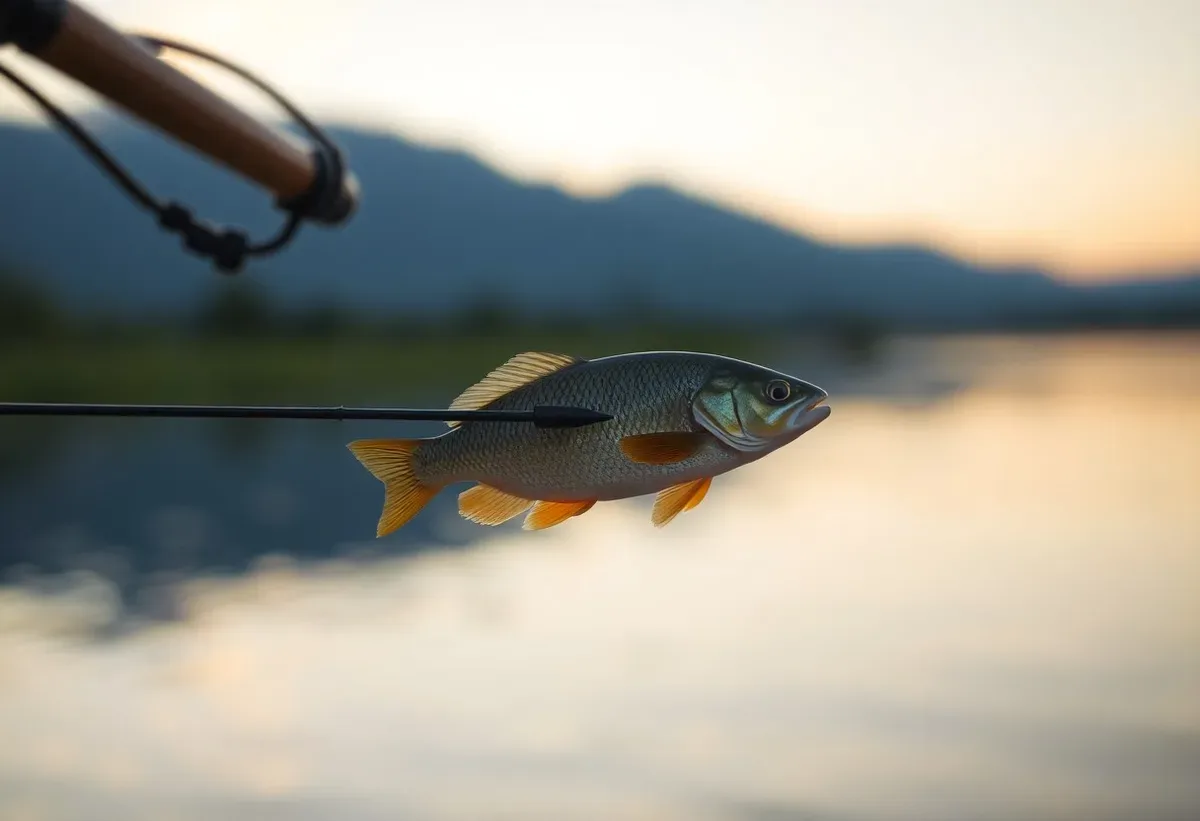
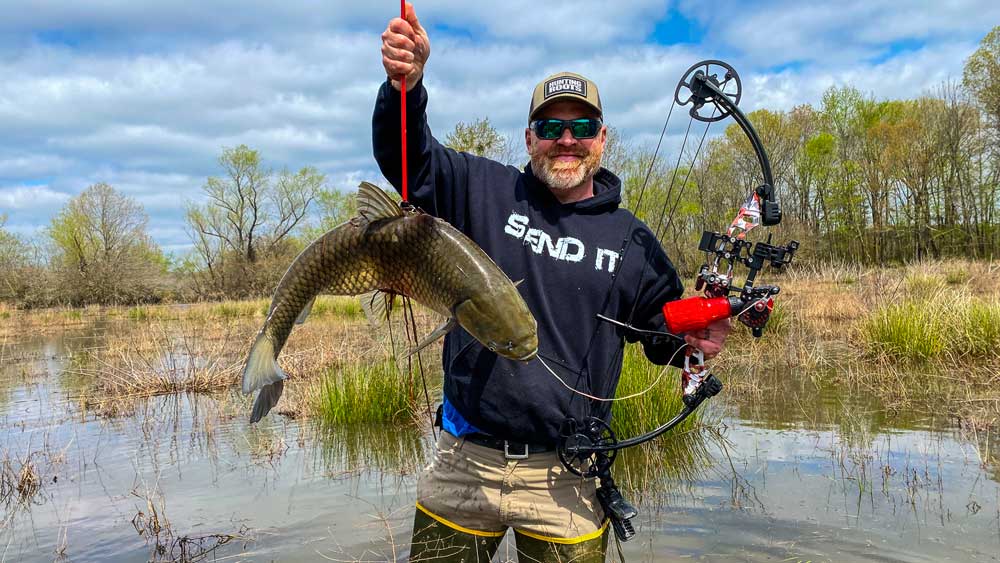
Bowfishing is the practice of shooting specialized arrows from a bow to harvest fish, primarily in shallow water. Unlike conventional fishing, the line is attached to the arrow, allowing you to retrieve the fish after a successful shot. Carp are a prime target due to their abundance, large size, and status as an invasive species in many waterways.
Why Target Carp?
Carp, especially the common carp (Cyprinus carpio), are prolific, hardy fish that disrupt native ecosystems by uprooting vegetation and increasing turbidity. Many states encourage bowfishing for carp to help manage their populations. Additionally, their size and wary habits make them challenging and rewarding quarry.
Legal And Ethical Considerations
Regulations vary by state and province. Most allow bowfishing for non-game species like carp, but some require specific licenses or restrict certain waters.
- Always check local wildlife agency guidelines before heading out.
- Respect property boundaries and obtain permission when accessing private waters.
- Practice ethical harvest: Take only what you can use, and dispose of remains properly.
Pro Tip: Consult your state’s fishing regulations online before each trip, as rules change seasonally or by region. A good reference is the U.S. Fish & Wildlife Service site.
Carp Species Commonly Targeted
While common carp are the primary target, bowfishers may encounter:
- Grass carp
- Bighead carp
- Silver carp (notorious for leaping out of water)
- Buffalo fish (often mistaken for carp)
Each species has unique behaviors and legal status, so proper identification is important.
Credit: www.mossyoak.com
Essential Gear For Bowhunting Carp
Success in bowfishing relies on selecting, configuring, and maintaining the right equipment. Each component plays a specific role in accuracy, retrieval, and safety.
Choosing The Right Bow
Most bowfishers use recurve bows or compound bows with draw weights between 30 and 50 pounds, enough to penetrate water and a carp’s scales without excessive force.
- Recurve bows are durable, simple, and easy to maintain.
- Compound bows offer adjustable draw weights and let-off for easier aiming.
Dedicated bowfishing bows often feature corrosion-resistant finishes and are designed for repeated shots at close range.
Arrows And Tips
Bowfishing arrows are heavier than standard arrows, usually made from fiberglass or carbon fiber. They feature:
- Barbed tips: Secure the fish after penetration.
- Slide systems: Prevent snapback injuries.
- Retrieval line: Typically 80, 200 lb test braided line.
| Arrow Material | Weight | Durability | Typical Use |
|---|---|---|---|
| Fiberglass | Heavy | High | General carp hunting |
| Carbon Fiber | Medium | Very High | Long-range, frequent use |
| Hybrid (Glass/Carbon) | Medium-Heavy | Very High | Versatile, advanced users |
Bowfishing Reels
Three main types of reels are used:
- Drum reels: Simple, affordable, and reliable. Require manual line winding.
- Spincast reels: Allow rapid retrieval, similar to fishing reels.
- Retriever reels: Use a bottle-style design for fast, tangle-free line management.
Each reel type suits different preferences and budgets. For beginners, drum reels offer simplicity, while serious bowfishers often upgrade to retrievers for speed.
Additional Gear And Accessories
Essential accessories include:
- Polarized sunglasses: Improve visibility by cutting surface glare.
- Gloves: Protect hands from line burns.
- Bowfishing rest: Guides the arrow during rapid shots.
- String wax: Maintains bow string performance.
- Boat or waders: For accessing shallow water.
For night bowfishing, LED lights and generator-powered setups illuminate water and attract fish.
Maintenance And Safety
Regularly inspect all gear for wear, especially lines, tips, and bow limbs. Always point arrows in a safe direction, and never shoot in unknown water depths. Use slide systems to prevent dangerous arrow snapback.
Where And When To Bow Hunt Carp
Success depends heavily on timing, location, and understanding carp behavior. By targeting the right environments and seasons, you maximize encounters and shot opportunities.
Best Carp Habitats
Carp thrive in:
- Shallow lakes and ponds
- Slow-moving rivers
- Backwaters and creeks
- Flooded fields (during high water)
Look for areas with muddy bottoms, aquatic vegetation, and warm, sunlit shallows.
Seasonal Patterns
Carp activity peaks during:
- Spring spawning (April, June): Carp gather in large numbers in very shallow water (1, 3 feet), making them visible and accessible.
- Summer: Fish are active early and late in the day, often in shaded or weedy areas.
- Fall: Carp move deeper but can be found along shorelines in warm afternoons.
Winter bowfishing is possible in southern climates but is far less productive.
| Season | Carp Behavior | Best Tactics |
|---|---|---|
| Spring | Spawning in shallows | Wade or boat in flooded areas |
| Summer | Feeding early/late | Spot-and-stalk along banks |
| Fall | Deeper, sun-warmed shallows | Use boats, target warm days |
Accessing Productive Spots
- Bank fishing: Ideal for small ponds and rivers; stealth is critical.
- Boat bowfishing: Allows access to remote or expansive waters.
- Wading: Offers close-range shots in shallow, clear water.
Scout areas at midday when sunlight reveals carp movement. Use polarized sunglasses to spot fish.
Navigating Public Vs. Private Waters
Many productive carp waters are public, but some prime locations are on private land. Always obtain permission and respect posted signs. For public lakes and rivers, check for local restrictions, as some areas may prohibit bowfishing.

Credit: fishingbooker.com
Techniques And Strategies For Successful Bowfishing
Mastering bowfishing requires more than just good aim. Understanding how to approach, spot, and shoot at carp is crucial for high success rates.
Spotting Carp
Carp can be elusive. Key indicators include:
- Tail swirls: Muddy water stirred by feeding fish.
- Backs or dorsal fins breaking the surface.
- V-shaped wakes in shallow water.
Move slowly and keep a low profile to avoid spooking fish.
Approaching Without Spooking Fish
Carp are sensitive to vibrations and sudden movements.
- Walk softly, or use a pole instead of an engine in shallow boats.
- Approach upwind or up-current to avoid detection.
- Wear neutral-colored clothing to blend in with surroundings.
Aiming And Shooting
Due to light refraction, fish appear higher than they actually are. Aim below the visible target to compensate, this is known as “aim low.”
- For fish 3 feet deep, aim about 6, 8 inches below where you see them.
- Practice “snap shooting”, drawing and releasing quickly, since carp rarely stay still.
Pro Tip: Practice in a swimming pool or clear water with submerged targets to master refraction compensation.
Retrieving And Handling Fish
Once a fish is struck:
- Retrieve the arrow and fish steadily, avoiding jerky pulls.
- Use gloves to avoid line burns.
- Dispatch fish quickly and humanely.
Remember, many states prohibit the release of invasive carp after capture.
Real-world Example: Carp Hunt On The Illinois River
On a spring trip to the Illinois River, a group of bowfishers targeted spawning carp in flooded backwaters. Using a flat-bottomed boat and retriever reels, they quietly maneuvered into shallow sloughs. By focusing on muddy tail swirls and moving slowly, they each landed multiple 10, 15 lb carp in an afternoon.
This case highlights the value of stealth, proper gear, and knowledge of spawning behavior.
Advanced Tactics: Night Bowfishing, Tournaments, And Specialty Setups
For those looking to elevate their bowfishing game, advanced techniques and community events offer new challenges and rewards.
Night Bowfishing
Carp are highly active at night and less wary of human presence. Night bowfishing requires:
- High-powered LED lights mounted on boats.
- Generators or batteries for power.
- Extra safety gear (life jackets, communication devices).
Carp are attracted to illuminated shallows, making them easier targets. However, visibility is key, clear water and calm nights yield the best results.
Tournament Bowfishing
Competitive bowfishing tournaments are growing in popularity. Events often reward the largest bag (total weight) or biggest single fish.
- Teams use boats with advanced lighting and spotting equipment.
- Strict rules govern eligible waters, fish species, and disposal practices.
- Tournaments often promote conservation by targeting invasive species.
Example: The U.S. Open Bowfishing Championship draws hundreds of teams annually, with thousands of pounds of carp removed from lakes in a single night.
Specialty Setups: Kayaks, Shore Rigs, And More
Some bowfishers prefer kayaks for stealthy access to remote creeks, while others use ultralight shore rigs for small urban ponds. Experimenting with setups can reveal new opportunities and improve overall success.
Tuning Your Bowfishing Rig
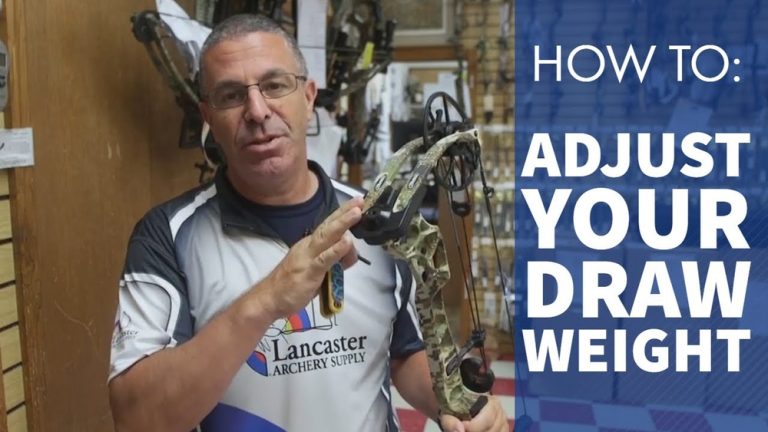
- Adjust draw weight for comfort and accuracy.
- Regularly check arrow slides and tips for wear.
- Use quick-release arrow rests for faster shooting.
Pro Tip: In my experience, a properly tuned retriever reel and carbon fiber arrow make a noticeable difference in speed and accuracy during fast-paced action.
Cleaning, Cooking, And Utilizing Your Catch
Harvesting carp is only half the challenge, making use of your catch is an important step in ethical bowfishing.
Field Dressing And Cleaning Carp
Carp have a reputation for being bony, but proper cleaning yields quality fillets.
- Bleed the fish by cutting the gills immediately after capture.
- Scale or skin the fish, depending on recipe requirements.
- Fillet along the backbone, removing the lateral line to reduce “muddy” flavor.
Cooking And Recipes
Carp are popular in many global cuisines. Recommended methods include:
- Smoking: Imparts flavor and firms up flesh.
- Frying: Traditional approach, especially for smaller fish.
- Pickling: Preserves fillets and adds unique taste.
Carp are lean; avoid overcooking to maintain texture.
Example: In Missouri, smoked carp fillets are a local specialty, served with crackers and hot sauce at fishing camps.
Disposal Of Remains
Never dump carcasses in public waters or on banks. Options include:
- Composting
- Burying away from water sources
- Donation to wildlife rehabilitation or fertilizer projects
Legal And Conservation Considerations
Some states require reporting large catches or participating in carp removal programs. Check with local fisheries for guidelines and opportunities to contribute to conservation.
Conservation Impact And Responsible Bowfishing
Bowhunting carp is more than sport, it’s a valuable conservation tool when practiced responsibly.
Impact On Native Ecosystems
Carp displace native fish, increase water turbidity, and uproot vegetation. Effective removal helps restore:
- Water clarity
- Aquatic plant beds
- Native fish populations
Bowfishers contribute directly to ecosystem health by harvesting invasive carp.
Ethics Of Harvest
- Take only what you can use or properly dispose of.
- Avoid shooting protected species, learn to identify local fish.
- Participate in local clean-up and conservation efforts.
Involving Community And Youth
Introducing new anglers to bowfishing encourages stewardship of local waters. Many clubs host youth clinics, cleanup days, and educational seminars.
Pro Tip: Volunteer at a local carp derby to share knowledge and support conservation.
Real-world Example: Community Carp Cleanup
In 2026, a Wisconsin lake hosted a bowfishing event that removed over 2,000 lbs of carp in one weekend. The effort, coordinated with local wildlife agencies, improved water quality and raised awareness about invasive species.
External Resources
For further reading on the environmental impact of carp and responsible bowfishing, see the Wikipedia: Bowfishing entry.
Real-world Examples And Case Studies
Understanding the nuances of carp bowhunting is best illustrated through real-world stories.
Example: Solo Shore Bowfishing In Kansas
A Kansas bowfisher, using a recurve bow and drum reel, targeted carp during a summer drawdown at a local reservoir. By moving slowly along muddy banks and focusing on early morning hours, he consistently landed carp up to 12 lbs.
The experience highlights the accessibility of shore bowfishing with basic gear.
Example: Kayak Bowfishing In Urban Waters
In Minneapolis, a group of bowfishers used kayaks to access urban lakes. Polarized glasses and stealthy paddling allowed them to approach carp in heavily vegetated coves. Over several outings, they removed dozens of invasive carp, contributing to local water clarity.
Example: Youth Bowfishing Clinic
A bowfishing club in Texas hosted a youth event, providing equipment and instruction. Participants learned about local fish identification, ethical harvest, and conservation. Many caught their first carp, fostering lifelong interest in responsible outdoor sports.
Frequently Asked Questions
How Do I Deal With Muddy Or Murky Water When Bowfishing For Carp?
Muddy water reduces visibility, making it harder to spot and accurately shoot carp. Use polarized sunglasses to minimize glare and focus on surface disturbances, such as swirls, splashes, or backs breaking the water. In low-visibility conditions, target shallow flats where carp are more likely to be feeding and closer to the surface. Night bowfishing with high-intensity LED lights can also improve your ability to see fish in turbid water.
Is Bowfishing For Carp Allowed Everywhere, And Do I Need A Special License?
Bowfishing regulations vary widely by region. In most U.S. states, bowfishing for non-game species like carp is permitted, but some bodies of water have specific restrictions or require a special fishing license. Check with your local Department of Natural Resources or fisheries agency for up-to-date rules before you go. Some areas may also restrict bowfishing during certain seasons or prohibit it entirely in protected habitats.
What Do I Do With Carp After Harvesting Them If I Don’t Want To Eat Them?
If you choose not to consume your catch, consider donating carp to local wildlife rehabilitation centers or using them as garden fertilizer. Some communities organize carp removal programs that accept donations for composting or animal feed. Always dispose of remains responsibly, never dump carcasses in public waters or on shorelines, as this can harm the ecosystem and attract unwanted pests.
Can I Use My Regular Hunting Bow For Bowfishing, Or Do I Need Specialized Equipment?
While you can adapt a regular hunting bow for bowfishing by adding a reel and using appropriate arrows, specialized bowfishing bows are designed for rapid shots and repeated use in wet conditions. If using your hunting bow, make sure to use a lower draw weight (30, 50 lbs), install a bowfishing reel, and switch to heavy, barbed arrows with slide systems to prevent accidents. Always clean and maintain your bow thoroughly after exposure to water.
Are There Any Safety Risks Or Common Injuries Associated With Bowfishing For Carp?
The main safety risks in bowfishing include arrow snapback (when the line catches and the arrow rebounds), line burns, and accidental slips near water. Always use arrows with proper slide systems, wear gloves, and never shoot if your line is tangled. When bowfishing at night, ensure your boat is well-lit and equipped with personal flotation devices. Stay aware of your surroundings and other people nearby to prevent accidents.
Bowhunting for carp offers a thrilling way to engage with both archery and aquatic environments, blending sport, conservation, and culinary adventure. With the right gear, strategies, and ethical mindset, you can enjoy productive outings while making a positive impact on local waterways.
Whether you’re a seasoned bowhunter or a newcomer eager to try something different, carp bowfishing delivers excitement, challenge, and lasting memories on every trip.