How To Bow Hunt For Pigs In Nc
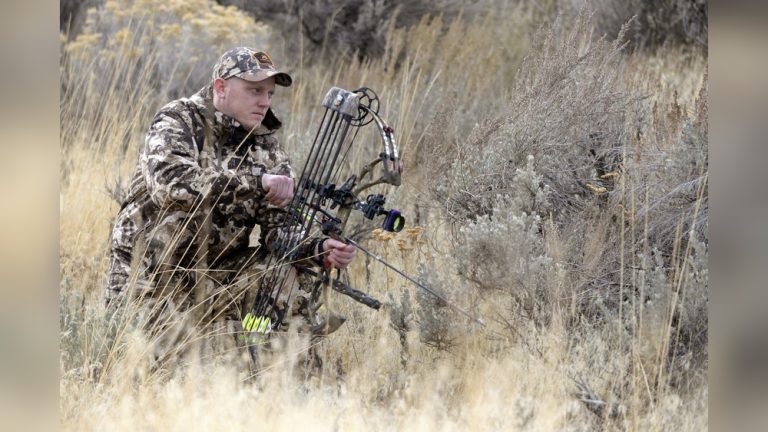
Bow hunting for pigs in North Carolina (NC) is a pursuit that challenges even experienced hunters. The state’s abundant wild hog population, known for their intelligence and adaptability, presents unique opportunities and obstacles. From the dense swamps of the Coastal Plain to the rolling hills of the Piedmont, understanding the nuances of the landscape, legal regulations, and the behavior of feral pigs is vital for success.
This comprehensive guide arms you with actionable strategies, safety tips, equipment recommendations, and field-tested tactics to elevate your bow hunting experience in North Carolina.
Whether you’re a seasoned archer seeking a new quarry or a novice exploring the thrill of wild pig hunting, North Carolina offers diverse environments and extended hunting seasons. However, hunting pigs with a bow requires more than just marksmanship, it demands stealth, patience, and a deep understanding of both your quarry and the legal framework.
Drawing on expert knowledge and real-world experiences, this article walks you through every step of the process, from scouting and gear selection to shot placement and ethical harvest.
Key Takeaways
- Wild pigs are a non-native, invasive species in North Carolina, making year-round hunting legal on private land with landowner permission.
- Scouting, scent control, and camouflage are critical for effective pig bow hunting due to hogs’ keen senses.
- Equipment selection, including broadheads, draw weights, and arrows, must match the toughness of wild pigs.
- Understanding local regulations and securing the right permissions is crucial for ethical and legal hunting.
- Success rates increase with a combination of ground blinds, stand hunting, and careful tracking of pig behavior.
- Safety and ethical hunting should always be top priorities, including proper shot placement and retrieval methods.

Credit: www.carolinasportsman.com
Understanding Wild Pigs In North Carolina
Feral Hog Population And Distribution
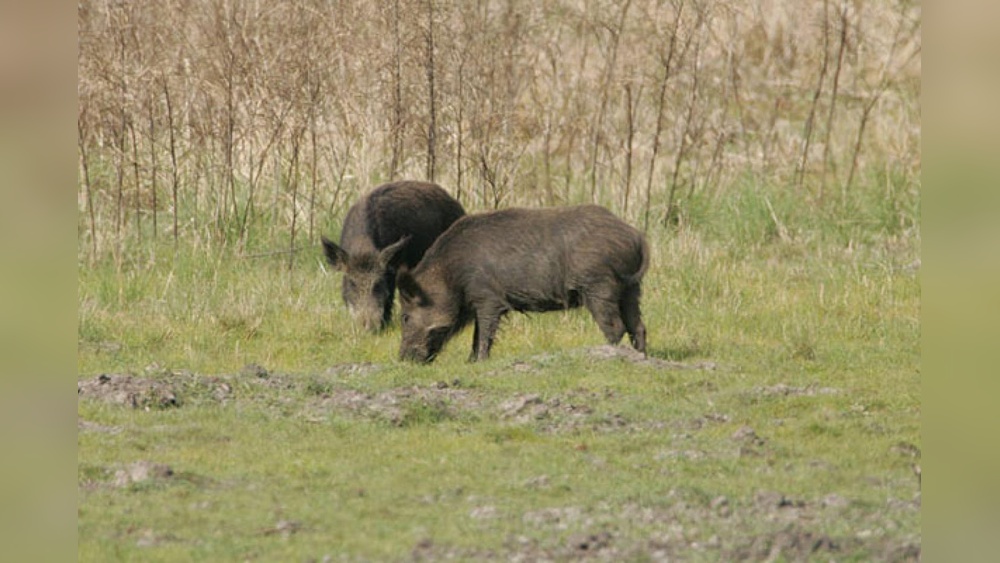
North Carolina’s wild pig population has expanded dramatically over the past two decades. According to the North Carolina Wildlife Resources Commission (NCWRC), wild pigs, also called feral hogs, are now found in at least 80 of the state’s 100 counties.
Their adaptability allows them to thrive in a range of habitats, from agricultural fields to upland forests and swamps.
Key features of wild pigs in NC:
- Diet: Omnivorous, feeding on crops, roots, acorns, small animals, and carrion.
- Reproduction: Sows can have 2-3 litters per year, each with 4-10 piglets.
- Impact: Cause significant agricultural and ecological damage, prompting aggressive management efforts.
Behavior And Movement Patterns
Understanding pig behavior is central to successful hunting. Wild pigs are primarily nocturnal, especially in heavily hunted areas, but will feed during the day where unpressured.
- Travel corridors: Pigs use the same trails repeatedly, often along water sources and thick cover.
- Sounders: Family groups called sounders consist of sows and young, while mature boars are more solitary.
- Senses: Exceptional sense of smell (up to seven times more sensitive than a bloodhound), average hearing, and relatively poor eyesight.
Legal Status And Hunting Regulations
Wild pigs are classified as a nongame, non-protected species in North Carolina. This provides hunters with a unique set of opportunities and responsibilities.
- Private land: No closed season, no bag limits. Hunting is allowed day or night with permission.
- Public land: Wild pig hunting regulations align with the game species in season. Check NCWRC or specific game land rules.
- Licensing: A valid hunting license is required. Additional permits may be necessary for special game lands or during deer season.
For the latest regulations, consult the NC Wildlife Resources Commission.
Credit: www.carolinasportsman.com
Essential Gear And Equipment For Pig Bow Hunting
Choosing The Right Bow And Draw Weight
Wild pigs have tough hides, thick bones, and substantial muscle mass. Selecting the appropriate bow and draw weight is crucial for an ethical, effective harvest.
- Compound bows: 50, 70 lb. Draw weight recommended.
- Recurve/longbows: 45 lb. Minimum, though 50+ lb. Preferred.
- Crossbows: Legal in NC, with 150+ lb. Draw weight being optimal.
Pro Tip: Test your bow setup on 3D hog targets to confirm penetration and accuracy before your hunt.
Arrows And Broadheads For Hogs
Your arrow and broadhead choices directly impact penetration and lethality.
- Arrows: Use heavy, durable shafts (400+ grains total weight).
- Broadheads: Fixed-blade or strong mechanical broadheads, 1-1.5″ cutting diameter, designed for deep penetration.
- Practice: Regularly shoot at various angles and distances to simulate field conditions.
| Broadhead Type | Penetration | Reliability on Hogs |
|---|---|---|
| Fixed-blade | Excellent | Very High |
| Mechanical | Good (when properly chosen) | High |
| Hybrid | Good | Moderate |
Camouflage And Scent Control
Given pigs’ acute sense of smell, scent control is non-negotiable. Use scent-free soaps, launder clothes in odorless detergent, and store gear in sealed containers.
- Wear full camouflage suited to the local environment (woodland, marsh, or cropland).
- Use face masks and gloves to reduce exposed skin.
- Scent elimination sprays can provide an added layer of protection.
Field Gear Checklist
A successful hunt depends on thorough preparation. Essential gear includes:
- Binoculars (8×42 or 10×42)
- Rangefinder
- Headlamp or flashlight (with red/green filters for night hunting)
- Field dressing kit
- First aid kit
- GPS or navigation app
- Water and high-energy snacks
Example: In my experience, a compact chest harness for binoculars and rangefinder keeps optics accessible without snagging on brush, especially when stalking in NC’s thick swamps.
Scouting And Locating Pigs In Nc
Identifying Pig Sign
Wild pigs leave distinctive sign that sets them apart from deer or other game.
- Rooting: Torn-up ground where pigs search for roots and insects.
- Wallows: Muddy depressions where hogs cool off.
- Tracks: Rounded, blunt hoof prints (deer tracks are more pointed).
- Droppings: Piles of dark, cylindrical scat.
- Rub marks: Muddy smears on trees, fence posts, or stumps.
Best Locations To Hunt Pigs
Scouting is most productive when you focus on areas with reliable food, water, and cover.
- Agricultural fields: Corn, peanuts, and soybeans attract pigs, especially in the evening.
- Creeks and swamps: Provide shade, water, and security cover.
- Edge habitats: Transition zones between woods and fields.
| Habitat Type | Pig Activity Level | Best Time to Hunt |
|---|---|---|
| Agricultural Fields | High (night/early morning) | Dusk, dawn, night |
| Swamps/Creeks | Moderate to High | Midday (hot weather) |
| Hardwood Forests | Moderate | Afternoon, dusk |
Trail Cameras And Modern Scouting Tools
Deploying trail cameras can reveal pig movement patterns, preferred feeding times, and group sizes. Place cameras:
- Near fresh rooting or trails
- Over bait sites (where legal)
- Along water sources
Modern GPS and mapping apps (e.g., onX, HuntStand) help you:
- Mark sign and travel corridors
- Track pig movements over time
- Share waypoints with hunting partners
Local Knowledge And Landowner Relationships
Building relationships with local farmers and landowners can provide invaluable information about pig activity. Many landowners are eager to reduce hog populations due to crop damage.
Pro Tip: Offer to share meat or help with other property maintenance as a gesture of goodwill.
Credit: www.worldclassoutdoors.com
Hunting Methods And Strategies
Stand Hunting
Stand hunting is effective where pigs are predictable, such as near feeding areas or travel corridors.
- Use climbing stands or ladder stands for optimal visibility.
- Set up 15, 30 yards from the most active trails or bait sites.
- Ensure shooting lanes are clear and practice shooting from the stand position.
Ground Blinds
Ground blinds offer concealment and scent reduction, especially in open fields or along field edges.
- Brush in blinds to match the environment.
- Position downwind from expected pig movement.
- Use natural cover to break up your outline.
Example: On a hunt in Johnston County, I set a pop-up blind along a creek edge, brushed in with cedar limbs. Within two evenings, a sounder of pigs began using the trail 20 yards from my setup, allowing a perfect broadside shot.
Still Hunting And Spot-and-stalk
Still hunting, moving slowly and quietly through pig habitat, demands patience and stealth.
- Move against the wind.
- Pause frequently to glass and listen for pig noises.
- Use terrain features (ditches, brush, hills) to approach within bow range.
Spot-and-stalk works best on solitary boars or when pigs are actively feeding in open areas.
Night Hunting Tactics
On private land, night hunting is legal for pigs. This can dramatically increase success rates but adds complexity.
- Use red or green lights (pigs are less sensitive to these colors).
- Thermal or night vision optics (where legal) can help spot pigs in total darkness.
- Always prioritize safety, as limited visibility increases risk.
Warning: Never shoot at movement or sound alone, always positively identify your target.
Shot Placement, Retrieval, And Field Care
Understanding Pig Anatomy For Ethical Shots
Wild pigs have thick shoulder shields and tough bones. Proper shot placement is critical.
- Heart/lung shot: Aim just above the elbow, one-third up the body.
- Quartering-away shots: Preferred, as they avoid the shield and maximize vital organ exposure.
- Avoid head or spine shots unless at very close range.
| Shot Angle | Difficulty | Ethical Kill Probability |
|---|---|---|
| Broadside | Moderate | High |
| Quartering Away | Moderate | Very High |
| Frontal | High | Low |
Blood Trails And Tracking
Pigs rarely drop on the spot, even with a well-placed arrow. Expect them to run 40, 150 yards after the shot.
- Look for bright, frothy blood (lung hit) or darker blood with bubbles (heart/liver).
- Mark the last blood spot with tape or a marker.
- Move slowly, scanning ahead for the pig or additional sign.
Dealing With Tough Recoveries
Pigs can be difficult to recover due to thick cover and their ability to absorb damage. If the trail goes cold:
- Grid-search the area, expanding outward from the last sign.
- Use a tracking dog if available (and legal).
- Note the direction of travel relative to water or cover.
Field Dressing And Meat Care
Wild pig meat spoils quickly, especially in warm weather.
- Field dress immediately and cool the carcass as soon as possible.
- Wear gloves and avoid contact with blood or fluids (pigs may carry diseases).
- Bone out meat if a long carry is needed.
For more on safe field dressing, see the CDC’s feral swine guidelines.
Safety, Ethics, And Hunter Responsibility
Disease Risks And Safe Handling
Wild pigs can carry brucellosis, pseudorabies, and other pathogens that pose risks to humans and pets.
- Always wear gloves when handling hogs.
- Avoid eating undercooked pork.
- Clean all knives and gear with hot, soapy water.
Landowner Permission And Respect
Respecting landowner property is non-negotiable.
- Always secure written permission before hunting private land.
- Follow all posted rules and avoid damaging crops or fences.
- Leave gates as you found them and pack out all trash.
Hunter Safety In The Field
Bow hunting for pigs often involves thick cover and low-light conditions.
- Always identify your target and what’s beyond.
- Carry a first aid kit and let someone know your hunting plan.
- Use a safety harness when in a tree stand.
Ethical Harvest And Conservation
While pigs are unprotected, ethical hunters strive for quick, humane kills and responsible meat use.
- Take only shots you are confident will result in a clean kill.
- Recover and utilize all harvested animals.
- Report any illegal activity or waste to NCWRC.
Real-world Case Studies And Success Stories
Case Study 1: Hunting Sounders In Bladen County
A group of hunters in Bladen County secured permission to hunt a cornfield plagued by hogs. By scouting trails with cameras and setting up ground blinds near the most active wallows, they were able to harvest three pigs in two evenings.
The key to their success was patience, waiting for pigs to commit to the field before drawing and shooting.
Case Study 2: Solo Bow Hunt In The Uwharrie National Forest
A solo archer targeted pigs in the Uwharrie National Forest during the winter. After locating fresh rooting sign, he still-hunted along a creek and intercepted a solitary boar feeding at midday. Careful wind management and slow, deliberate movement brought him within 20 yards for a successful shot.
Case Study 3: Night Hunting In Eastern Nc
A team of hunters used thermal optics and red lights on a private farm in Pitt County. By patterning pig movement with trail cameras and hunting after dark, they increased their harvest rate significantly. Safety protocols, including clear communication and positive identification, were essential.
Maximizing Success: Advanced Tips And Tactics
Scent Control Beyond Basics
Hogs will often circle downwind of a setup before committing. Advanced scent control includes:
- Using ozone generators in blinds (where legal).
- Storing clothing in sealed bags with local vegetation.
- Avoiding strong-smelling foods or drinks before the hunt.
Decoy And Attractant Use
Commercial pig attractants (sweet corn, anise oil) can draw pigs to shooting lanes but should be used in moderation to avoid educating hogs.
- Place attractants at 20, 30 yards, upwind of your setup.
- Rotate attractant locations to prevent patterning.
Weather And Moon Phase Effects
Hog movement often increases during:
- Overcast or rainy conditions (less wary, more daytime movement).
- New or dark moon phases.
- After cold fronts, when pigs feed heavily to recover energy.
Team Tactics And Communication
When hunting in groups:
- Assign clear roles (spotter, shooter, tracker).
- Use hand signals or radios for silent communication.
- Coordinate stalks to prevent spooking hogs into other hunters.
Frequently Asked Questions
What Is The Best Time Of Year To Bow Hunt Pigs In North Carolina?
While pigs can be hunted year-round, late winter and early spring often offer the best opportunities. Crops are out of the fields, making sign easier to spot, and cooler weather helps with meat preservation. During these months, pigs are more likely to feed during daylight, increasing bow hunting opportunities.
Do I Need A Special License To Hunt Pigs With A Bow In Nc?
No special pig license is required. However, you must have a valid North Carolina hunting license. If hunting on game lands or during big game seasons, additional permits or requirements may apply. Always check the latest NCWRC regulations before your hunt.
Can I Use Bait When Bow Hunting Pigs In North Carolina?
On private land, baiting is generally allowed for pigs. On public game lands, baiting is prohibited except for certain managed hunts. Always confirm specific rules for your hunting area, as local ordinances may differ.
How Dangerous Are Wild Pigs, And What Should I Do If Charged?
Wild pigs can be aggressive when wounded or cornered, particularly large boars or sows with piglets. If charged, seek cover, climb a tree if possible, and be prepared to defend yourself with your bow or a backup sidearm (where legal).
Always hunt with a partner when possible and maintain situational awareness.
What Should I Do If I Harvest A Pig Suspected Of Disease?
If you notice unusual lesions, abscesses, or abnormal behavior in a harvested pig, avoid consuming the meat. Contact the local wildlife agency for guidance. Dispose of the carcass according to NCWRC recommendations to prevent disease spread.
Bow hunting for pigs in North Carolina offers a challenging and rewarding experience, blending the thrill of spot-and-stalk with the strategy of stand hunting. With careful preparation, respect for land and game, and a commitment to ethical practices, hunters can help manage the state’s wild pig population while enjoying some of the best archery hunting in the Southeast.