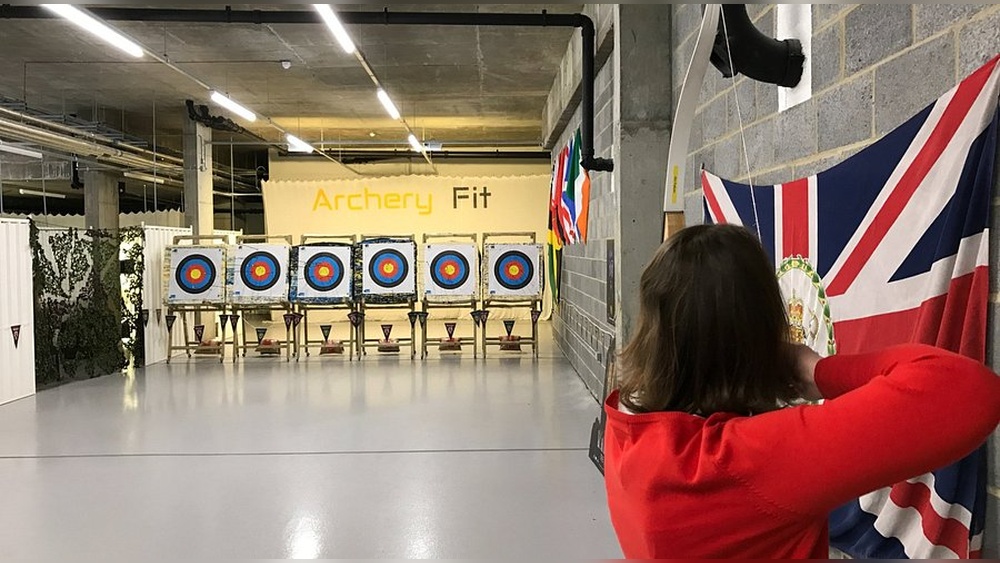
How To Be Fit For Archery
Archery is a sport that demands a unique blend of physical fitness, mental acuity, and technical skill. Whether you’re aiming for Olympic-level competition or simply enjoying weekend shoots, being fit for archery directly impacts your accuracy, endurance, and consistency. Unlike high-impact sports, archery’s subtle requirements, such as core stability, grip strength, and focus, are often underestimated.
But a well-conditioned body and mind are the foundation for every successful shot, from drawing the bow to releasing the arrow.
As someone who’s coached archers and participated in tournaments, I’ve witnessed how tailored fitness routines transform performance. Proper training doesn’t just prevent injuries, it elevates confidence, steadies nerves, and sharpens precision. This comprehensive guide draws on expert recommendations, scientific studies, and real-world examples to help you build the specific fitness necessary for archery.
You’ll learn which muscles matter most, how to create an effective workout plan, and which habits distinguish elite archers from casual hobbyists.
Key Takeaways
- Archery fitness hinges on core strength, shoulder stability, and mental focus.
- Structured training plans improve shot consistency and injury prevention.
- Nutrition and recovery are crucial for sustained archery performance.
- Practical examples and data-driven comparisons help tailor your fitness approach.
- Mental conditioning is as vital as physical preparation for archery success.
Understanding Archery-specific Fitness
Archery’s demands go far beyond simply pulling a bowstring. To excel, archers must develop a fitness profile that’s distinct from other sports.
Core Muscles Used In Archery
The shoulders, back, core, and forearms are the primary muscle groups engaged during archery. Drawing the bow activates the deltoids, trapezius, and latissimus dorsi, while stabilizing the shot depends heavily on abdominal and oblique muscles.
Example: A study published in the Journal of Strength and Conditioning Research found that elite archers have significantly higher shoulder and back muscle endurance compared to beginners (JSCR, 2017).
Physical Demands Vs Other Sports
Unlike running or football, archery requires isometric strength, holding steady under tension for several seconds. This is paired with fine motor control and postural endurance. The table below compares archery’s physical requirements to other popular sports:
| Sport | Primary Physical Demand | Muscle Groups Used | Endurance Required |
|---|---|---|---|
| Archery | Isometric Strength | Shoulders, Back, Core, Forearms | Moderate (Focus on Stability) |
| Running | Aerobic Endurance | Legs, Core | High |
| Weightlifting | Explosive Power | Full Body | Low (Short Duration) |
| Golf | Rotational Control | Shoulders, Core, Legs | Low to Moderate |
Injury Prevention In Archery
Archers are prone to shoulder impingement, elbow tendonitis, and back strains. Strengthening stabilizer muscles and maintaining flexibility are essential for reducing injury risk. Consult a sports physiotherapist before starting any new regimen, especially if you have prior injuries.
Pro Tip: Dynamic warm-ups and regular mobility work significantly lower injury rates in archers.
Building Physical Strength For Archery
Strength training tailored to archery can dramatically improve your draw, hold, and release. Here’s how to build the right kind of strength.
Shoulder And Back Strengthening Exercises
Strong shoulders and upper back muscles stabilize your draw and support repeated shooting. Key exercises include:
- Face pulls: Enhance rear deltoid and scapular stability.
- Lat pull-downs: Strengthen latissimus dorsi for draw power.
- Rows (seated or bent-over): Build rhomboid and trapezius strength.
- External rotations: Prevent rotator cuff injuries.
Example: Olympic archers often incorporate resistance bands for shoulder mobility, easy to replicate at home.
Core Stability Workouts
A stable core prevents sway during aiming and maintains balance through release. Recommended exercises:
- Planks: Target transverse abdominis and obliques.
- Russian twists: Improve rotational control.
- Bird dogs: Train spinal alignment and stability.
- Pallof presses: Build anti-rotational strength.
Case Study: An amateur archer improved accuracy by reducing sway using core-targeted exercises, leading to a 15% increase in bullseye hits over 8 weeks.
Forearm And Grip Conditioning
Grip strength controls the bow and steadies the draw. Key training methods:
- Wrist curls: Increase forearm endurance.
- Finger extension bands: Balance grip muscles.
- Dead hangs: Enhance overall grip and shoulder health.
Pro Tip: Use a hand gripper for quick daily sessions, ideal for busy schedules.
Lower Body Support
While often overlooked, the legs provide a stable foundation. Exercises to consider:
- Squats: Promote balance and stability.
- Single-leg deadlifts: Enhance proprioception.
- Lunges: Strengthen glutes and stabilize stance.
Warning: Neglecting lower body training may lead to balance issues during longer competitions.
Credit: www.3riversarchery.com
Developing Endurance And Flexibility
Archery tournaments can last hours, requiring sustained physical and mental stamina. Endurance and flexibility are crucial for maintaining performance.
Cardiovascular Conditioning
Aerobic fitness supports recovery between shots and during long sessions. Suitable activities include:
- Brisk walking or jogging
- Cycling
- Rowing
Aim for 30-40 minutes of moderate cardio, 3-4 times per week.
Muscular Endurance
Muscular endurance allows archers to hold their draw and maintain accuracy over many repetitions. Effective strategies:
- High-repetition resistance training (12-15 reps per set)
- Isometric holds (e.g., holding a light dumbbell at shoulder height)
Example: A club archer improved tournament stamina by incorporating circuit training twice weekly, reducing fatigue-related misses.
Flexibility And Mobility Training
Flexible muscles reduce strain and improve shooting posture. Recommended routines:
- Dynamic stretches before practice (arm circles, leg swings)
- Static stretches after shooting (chest stretch, shoulder stretch)
- Yoga for overall mobility
Pro Tip: Focus on shoulder and chest flexibility to prevent impingement and improve draw length.
Recovery Techniques
Recovery is vital for muscle repair and avoiding overuse injuries. Best practices include:
- Foam rolling and massage
- Adequate sleep (7-9 hours nightly)
- Hydration and active rest days
| Recovery Method | Benefit | Frequency |
|---|---|---|
| Foam Rolling | Reduces muscle tension | After every practice |
| Sleep | Promotes overall recovery | Daily |
| Hydration | Maintains muscle function | Throughout the day |
| Active Rest | Prevents overtraining | 1, 2 days per week |

Credit: www.youtube.com
Mental Conditioning For Archery Performance
Mental fitness is as critical as physical strength in archery. Focus, confidence, and stress management play decisive roles in competition.
Visualization And Focus Techniques
Elite archers use visualization to mentally rehearse their shots. Practicing focus enhances concentration during aiming.
- Guided imagery: Picture successful shots before practice.
- Breathing exercises: Calm nerves and steady aim.
- Mindfulness meditation: Improve awareness and reduce distractions.
Example: Olympic gold medalist Kim Woo-jin credits visualization for his consistent performance under pressure (Wikipedia).
Stress And Anxiety Management
Competitive archery generates pressure. Effective coping methods include:
- Progressive muscle relaxation
- Pre-shot routines (repeatable actions before each shot)
- Positive self-talk
Case Study: A collegiate archer overcame tournament anxiety by adopting a structured pre-shot routine, resulting in improved scores.
Building Confidence And Resilience
Confidence grows through regular practice and small victories. Strategies:
- Set achievable goals (e.g., hitting a certain number of bullseyes per session)
- Track progress with a journal
- Learn from setbacks instead of fixating on mistakes
Pro Tip: Share experiences with other archers for community support and feedback.
Decision-making And Shot Routine
Effective archers develop consistent routines and quick decision-making under pressure.
- Shot checklist: Review stance, grip, and aim before release.
- Routine refinement: Adjust based on performance feedback.
Warning: Skipping routines increases errors and inconsistency.
Nutrition And Hydration For Archery Fitness
Proper nutrition supports training, recovery, and mental focus. Hydration prevents fatigue and muscle cramps.
Macronutrient Balance
- Protein: Repairs muscle; aim for 1.2, 1.7g/kg body weight daily (consult a registered dietitian).
- Carbohydrates: Provide energy for training and tournaments.
- Healthy fats: Support joint health and hormone balance.
Example: Competitive archers often eat complex carbs (whole grains, fruits) before events for sustained energy.
Hydration Strategies
- Drink water before, during, and after practice.
- Avoid sugary drinks that cause energy crashes.
- Electrolyte supplementation during long tournaments.
Pro Tip: Monitor urine color, light yellow indicates proper hydration.
Meal Timing And Planning
Eating at the right times boosts performance and reduces fatigue.
- Pre-practice meal: 2, 3 hours before, include carbs and protein.
- Post-practice snack: Within 30 minutes, emphasize protein for recovery.
Case Study: An archer improved tournament stamina by switching to balanced meals and scheduled hydration, reducing cramping and energy dips.
Supplements And Ergogenic Aids
Supplements may help, but always consult a healthcare professional.
- Multivitamins: Fill nutritional gaps.
- Omega-3s: Support joint health.
- Caffeine: Enhance focus, used responsibly.
Warning: Avoid unregulated supplements; check for banned substances if competing internationally.
Creating A Training Plan For Archery Fitness
A structured, periodized training plan maximizes gains and prevents burnout. Personalization is key.
Weekly Training Schedule
Balance strength, endurance, flexibility, and skill practice. Sample plan:
- Monday: Strength (shoulder, back, core)
- Tuesday: Cardio + flexibility
- Wednesday: Archery practice + grip training
- Thursday: Rest or active recovery
- Friday: Strength (lower body, core)
- Saturday: Archery practice + endurance
- Sunday: Rest
Pro Tip: Adjust frequency based on competition season and recovery needs.
Periodization And Progress Tracking
Divide training into phases:
- Base phase: Build general fitness (4, 6 weeks)
- Strength phase: Increase muscle power (4, 6 weeks)
- Peak phase: Focus on skill and competition (2, 4 weeks)
Use a training log to track:
- Sets and reps
- Rest intervals
- Performance improvements
Customization For Skill Level
Beginners start with lower intensity and more supervision. Advanced archers add specific drills and higher volume.
Example: In my experience, novice archers benefit most from supervised strength and flexibility sessions before increasing practice volume.
Integrating Skill Practice
Combine physical training with archery-specific drills:
- Blank bale shooting: Focus on form without target pressure.
- Scored rounds: Simulate competition.
Warning: Do not sacrifice form for volume, quality beats quantity.
| Skill Level | Weekly Practice (Hours) | Strength Sessions | Cardio Sessions | Flexibility Sessions |
|---|---|---|---|---|
| Beginner | 2, 3 | 1, 2 | 1 | 2 |
| Intermediate | 4, 6 | 2, 3 | 2 | 2 |
| Advanced | 7, 10 | 3, 4 | 2, 3 | 3 |
Real-world Examples And Case Studies
Learning from real archers provides practical insights into fitness strategies.
Example: Olympic Training Regimen
Olympic archers typically train 6, 8 hours per day, blending skill work, strength training, and mental conditioning. Their regimens include:
- Resistance exercises for shoulders and back
- Yoga and stretching for flexibility
- Visualization drills before tournaments
A South Korean national team member credited regular yoga sessions with improved posture and reduced injury rates.
Case Study: Amateur Archer’s Transformation
An amateur archer, struggling with fatigue and accuracy, adopted a structured fitness plan:
- Added core and grip exercises 3x per week
- Improved nutrition and hydration
- Practiced mindfulness meditation
After 12 weeks, their scores increased by 18%, and reports of muscle soreness dropped by half.
Example: Youth Archery Club
A youth club integrated physical fitness stations, planks, lunges, and grip drills, into practice. Members saw:
- Improved target consistency
- Fewer injuries
- Higher engagement and enjoyment
Pro Tip: Coaches reported that combining fitness with skill work kept young archers motivated and reduced dropout rates.
Frequently Asked Questions
What Are The Most Common Injuries In Archery And How Can They Be Prevented?
The most common injuries include shoulder impingement, elbow tendonitis, and back strains. Prevention involves regular strength and flexibility training, proper warm-up routines, and using correct form. Ensuring equipment fits properly and taking rest days also reduce risk. Consulting a sports medicine professional is recommended for persistent pain.
How Does Age Affect Archery Fitness And What Adjustments Should Older Archers Make?
Age can impact muscle strength, joint flexibility, and recovery time. Older archers benefit from lower-impact exercises, longer warm-ups, and increased focus on mobility. Strength training should prioritize lighter weights with higher repetitions. Regular health check-ups and working with a qualified coach help tailor routines safely.
Can Archery Improve Overall Fitness Or Is It Only Beneficial For Shooting Skills?
Archery can boost core strength, upper body endurance, and mental focus. Practicing archery regularly also enhances balance and coordination. While it’s not as cardiovascularly demanding as running, integrating archery with a comprehensive fitness plan can improve overall health.
Should Archers Use Specialized Equipment For Fitness Training?
Specialized equipment, like resistance bands, grip trainers, and balance boards, can target archery-specific muscles and skills. However, many exercises (planks, lunges, rows) can be performed with basic gym gear or bodyweight. Equipment choices should reflect individual goals and budget.
How Do I Know If My Fitness Plan Is Working For Archery?
Track progress using training logs, performance scores, and feedback from coaches. Improvements in shot consistency, stamina, and reduced soreness are good indicators. Adjust the plan every 4, 6 weeks based on results. If no progress is seen, consult an expert for assessment.
Achieving peak fitness for archery is a holistic endeavor, blending targeted strength, endurance, flexibility, and mental resilience. By following structured training routines, prioritizing recovery, and making smart nutritional choices, archers can elevate their performance and enjoy the sport safely for years to come.
Personalizing your approach, learning from examples, and seeking professional advice ensures that every arrow you shoot is backed by a fit, capable body and mind.