How To Be A More Accurate Bow Shooter
Archery is both an art and a science, demanding precision, focus, and a deep understanding of both technique and equipment. Whether you’re a competitive target archer, a traditional enthusiast, or a bowhunter in pursuit of greater accuracy, improving your shot consistency can be a lifelong pursuit.
The smallest adjustments in form, mindset, or gear can dramatically shift your performance. Even seasoned archers know that accuracy isn’t just about hitting the bullseye, it’s about repeatability and control under pressure.
Many archers hit plateaus, struggling with frustrating inconsistencies that can erode confidence and enjoyment. But the good news is that accuracy isn’t a mysterious talent, it’s a skill you can develop through targeted practice, equipment optimization, and mental discipline. This comprehensive guide brings together proven strategies, actionable tips, and expert insights to help you become a more accurate bow shooter, no matter your current skill level.
Key Takeaways
- Mastering archery accuracy requires a blend of perfecting form, tuning equipment, and refining mental focus.
- Consistent practice routines and performance tracking are crucial for measurable improvement.
- Proper bow and arrow selection can significantly impact shot precision.
- Understanding common mistakes helps prevent errors that undermine accuracy.
- Real-world examples and expert tips provide actionable ways to boost your archery results.

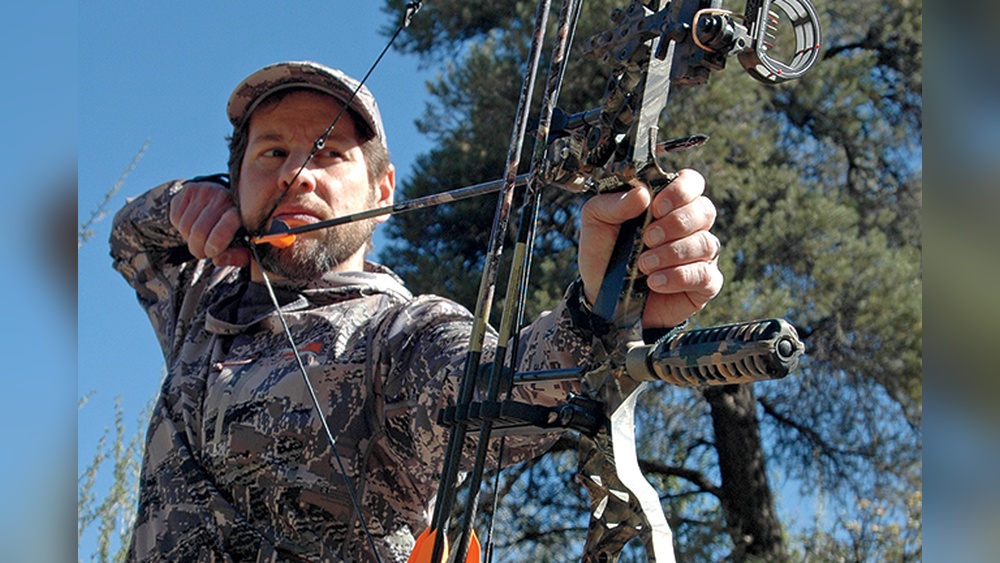
Credit: www.bowhunter.com
The Foundations Of Accurate Bow Shooting
Accuracy in archery is rooted in fundamentals, without a solid foundation, advanced techniques offer little improvement. This section explores the essential building blocks every archer must master for consistent, accurate shooting.
The Importance Of Stance And Posture
Your body’s alignment is the first step toward reliable accuracy. A stable, repeatable stance creates the base for every shot.
- Square Stance: Place your feet shoulder-width apart, perpendicular to the shooting line. Distribute your weight evenly across both feet.
- Open Stance: For some, angling the lead foot slightly forward improves balance and clearance.
- Posture: Stand tall with a straight back, relaxed shoulders, and a slight bend in the knees.
In my experience, adjusting from a closed to an open stance immediately improved my grouping by reducing string contact with my chest and clothing.
Grip And Bow Hand Placement
A relaxed, neutral grip minimizes torque and allows the bow to naturally follow the shot.
- Low Wrist Grip: Rest the bow in the web between your thumb and index finger. Avoid squeezing, this causes torque.
- Thumb Position: Point the thumb toward the target, keeping fingers relaxed.
A study published in the “Journal of Sports Sciences” found that improper grip increased left-right shot deviation by up to 30% in recurve archers.
Anchor Points And Consistency
Consistency is the heart of accuracy. Anchoring refers to the repeatable spot where your draw hand comes to rest.
- Common Anchor Points: Corner of the mouth, jawbone, or cheekbone.
- String Contact: Some archers lightly touch the nose with the string for additional reference.
Record your anchor point and use a mirror or video to check for consistency.
Release Technique
The release must be smooth and controlled.
- Fingers: For finger shooters, relax the fingers to let the string roll off.
- Release Aid: For compound shooters, squeeze the trigger rather than punching it.
Example: A USA Archery coach reported that students who practiced blank-bale shooting (focusing solely on release) improved their accuracy by 15% after four weeks.
Optimizing Your Archery Equipment
Even flawless technique can be undermined by poorly matched or tuned equipment. Optimizing your setup is essential for both beginner and advanced archers.
Bow Selection And Fit
The type of bow and its specifications must suit your body and shooting style.
- Draw Weight: Choose a weight you can pull comfortably for multiple shots.
- Draw Length: Have your draw length measured by a professional for proper fit.
- Bow Type: Recurve, compound, and traditional bows each have unique accuracy features.
| Bow Type | Best For | Accuracy Features | Skill Level |
|---|---|---|---|
| Recurve | Target, Olympic | Stabilizer use, sight options | All |
| Compound | Hunting, 3D, Target | Let-off, mechanical release | Intermediate, Advanced |
| Traditional/Longbow | Instinctive, Field | Simplicity, no aids | Intermediate, Advanced |
Arrow Selection And Tuning
Arrows must match your bow’s specifications for spine, weight, and length.
- Spine: The arrow’s flexibility. Too stiff or weak causes erratic flight.
- Length: Should be 1, 2 inches longer than your draw length.
- Fletching: Larger fletching stabilizes arrows but increases drag.
An arrow that is too stiff for your bow will consistently miss to the left (for right-handed shooters), while too weak will drift right.
Sight Adjustment And Peep Alignment
A high-quality sight, properly aligned, allows for precise aiming.
- Micro-Adjustable Sights: Enable fine-tuning for windage and elevation.
- Peep Sights: Ensure the peep is at eye level at full draw.
- Leveling: A bubble level helps prevent canting the bow.
Pro Tip: Always set your sight at the closest distance first and work outwards, adjusting for elevation and windage as you go.
Bow Tuning And Maintenance
Regular tuning prevents mechanical issues from affecting accuracy.
- Paper Tuning: Shoot through paper to check for clean arrow flight.
- Nocking Point: Must be set so the arrow leaves the bow at the correct angle.
- String Maintenance: Wax strings regularly and check for wear.
A well-tuned bow can reduce shot deviation by several inches at 30 yards, according to archery technician reports.

Credit: www.youtube.com
Developing Effective Practice Routines
Consistent and structured practice is the engine of accuracy. Random shooting leads to random results; a focused routine accelerates improvement.
Warm-up And Stretching
Archery uses muscles that aren’t often engaged in daily life. Proper warm-up reduces injury risk and improves shooting form.
- Shoulder Rotations
- Arm Circles
- Elastic Band Pulls
Spend at least 5, 10 minutes warming up before picking up your bow.
Blank Bale Shooting
Shooting at a blank bale (no target face) focuses attention on form and release, not aiming.
- Distance: 3, 5 yards from the target.
- Goal: Build muscle memory for proper shot execution.
In my experience, dedicating one session per week to blank bale shooting noticeably improved my anchor consistency and reduced target panic.
Progressive Distance Training
Start close and gradually increase distance as accuracy improves.
- Begin at 10 yards
- Add 5, 10 yards only after grouping consistently
Track your group sizes at each distance in a shooting journal.
Performance Tracking And Goal Setting
Objective measurement fuels motivation and improvement.
- Shooting Journal: Record arrow groups, scores, and notes on each session.
- SMART Goals: Set Specific, Measurable, Achievable, Relevant, Time-bound goals.
Example: Reduce 20-yard group size from 6 inches to 4 inches in four weeks.
| Session | Distance | Group Size (inches) | Notes |
|---|---|---|---|
| 1 | 10 yards | 2.5 | Good anchor, rushed release |
| 2 | 15 yards | 3.1 | Crosswind present |
| 3 | 20 yards | 5.8 | Inconsistent grip |
Incorporating Variety And Realism
Varying practice simulates real-world conditions and prevents stagnation.
- Shoot from kneeling or seated positions
- Practice under different lighting and weather
- Simulate tournament pressure with timed ends

Credit: www.outdoorlife.com
Mental Game: Focus And Performance Under Pressure
Accurate shooting is as much mental as physical. Managing nerves, distractions, and self-doubt is critical for consistency.
Visualization And Mental Rehearsal
Top archers use visualization to reinforce success.
- Imagine the Shot: See and feel each step of a perfect shot in your mind.
- Routine: Practice visualization before each session or competition.
Research in “The Sport Psychologist” journal demonstrates that athletes using visualization improved performance under pressure by up to 20%.
Breathing And Relaxation Techniques
Controlled breathing reduces tension and steadies aim.
- Diaphragmatic Breathing: Inhale deeply, exhale slowly while drawing and aiming.
- Pre-Shot Routine: Establish a consistent breathing pattern before each shot.
Managing Competition And Hunting Pressure
Pressure situations amplify errors if not properly managed.
- Routine: Stick to your established shot process, regardless of the stakes.
- Self-Talk: Use positive, actionable cues like “steady anchor” or “smooth release.”
Example: At a local 3D tournament, focusing on my breath and process rather than score helped me shoot my personal best despite a noisy crowd.
Handling Target Panic
Target panic is a psychological block that can disrupt aiming and release.
- Blank Bale Practice: Removes the anxiety of aiming.
- Shot Anticipation Drills: Practice holding at full draw and letting down without shooting.
If target panic persists, consult a qualified coach or sports psychologist.
Advanced Techniques For Precision
Once you’ve mastered the basics, advanced techniques can further refine your accuracy. These methods often separate good archers from great ones.
String Walking And Gap Shooting
Primarily used in barebow and traditional archery, these methods control arrow trajectory without a sight.
- String Walking: Adjust the position of your fingers on the string for different distances.
- Gap Shooting: Use the gap between the arrow point and the target as a reference.
Each technique requires consistent anchor and release for best results.
Tuning For Broadheads Vs. Field Points
Hunters must ensure that broadhead-tipped arrows fly as accurately as field points.
- Paper Tuning: Confirm arrow flight with both point types.
- Micro-Adjust Rest and Nocking Point: Small changes can resolve flight differences.
Pro Tip: Always tune with your actual hunting arrows, not just field points.
Stabilizer And Weight Customization
Adding or adjusting stabilizers can reduce vibration and improve hold.
- Front Stabilizers: Enhance aim steadiness.
- Side Bars: Counteract torque and balance the bow.
Experiment with different weights and lengths to find what works best for your shooting style.
Advanced Sight Techniques
For compound archers, advanced sight options can fine-tune accuracy.
- Lens Magnification: Helps with aiming at long distances.
- Sight Tapes: Custom tapes allow for quick distance adjustments.
Example: After adding a 4x lens to my sight, I saw measurable improvement in my 50-meter accuracy, but only after adjusting my peep height for proper alignment.
Common Accuracy Killers And How To Fix Them
Many archers struggle due to a few persistent mistakes. Identifying and correcting these errors can provide immediate accuracy gains.
Improper Follow-through
Failing to maintain proper form after release causes inconsistency.
- Solution: Hold your bow arm steady until the arrow hits the target.
Flinching Or Anticipating The Shot
Anticipating the release leads to jerky movements and poor accuracy.
- Solution: Practice surprise releases with a coach or using a mechanical release aid.
Inconsistent Anchor Point
Even minor variations in anchor point shift arrow impact.
- Solution: Use tactile references such as a kisser button or nose touch.
Equipment Neglect
Loose screws, worn strings, or damaged arrows cause unpredictable results.
- Solution: Inspect your gear regularly and perform routine maintenance.
| Mistake | Effect on Accuracy | Correction |
|---|---|---|
| Gripping Bow Too Tightly | Left/right misses | Relax bow hand |
| Incorrect Peep Height | High/low groups | Adjust peep alignment |
| Worn Arrow Fletching | Erratic flight | Replace fletching |
Real-world Examples And Case Studies
Learning from other archers’ experiences can provide valuable insights and inspiration for your own journey.
Case Study: Olympic Training Regimen
An elite Olympic archer spends up to 40 hours a week on structured practice, including:
- Technique drills
- Video analysis
- Physical conditioning
- Mental training
Their accuracy is tracked daily, and even tiny deviations are corrected immediately.
Example: Hunting Scenario
A bowhunter reported that after switching to heavier arrows and tuning for broadheads, his groups shrank from 8 inches to 4 inches at 30 yards. This translated into cleaner, more ethical harvests.
Case Study: Overcoming Target Panic
A competitive archer struggled with target panic for months. By dedicating two sessions per week to blank bale shooting and working with a sports psychologist, she regained confidence and returned to the podium within a season.
Leveraging Technology And Resources
Modern archery offers a wealth of resources to accelerate your progress.
Video Analysis Tools
Recording your shots with a smartphone or high-speed camera allows for frame-by-frame analysis of form and release.
- Apps: Coaches’ Eye, Dartfish, Hudl Technique
Review your footage to spot subtle mistakes that may not be apparent in real time.
Archery Simulators And Apps
Virtual tools allow for form practice without a range.
- Simulators: Allow for shot repetition and aiming drills in limited space.
- Apps: Track scores, group sizes, and progress over time.
Joining Clubs And Seeking Coaching
Learning from experienced archers accelerates improvement.
- Clubs: Offer structured practice, competition, and support.
- Certified Coaches: Provide personalized feedback and technique correction.
According to USA Archery, archers who work with a certified coach improve their average scores 18% faster than those who self-train (USA Archery).
Staying Informed
Regularly reading reputable resources and following professional archers keeps you updated on best practices.
- Websites: Archery360, World Archery
- Magazines: Bowhunter, Archery Focus
Pro Tip: Follow manufacturers’ official recommendations for tuning and maintenance, as outlined by resources like Wikipedia.
Frequently Asked Questions
What Is The Most Important Factor In Improving Archery Accuracy?
While every aspect matters, consistency, in form, anchor point, and routine, has the greatest impact. Developing a shot process you can repeat exactly every time allows for more predictable results. Minor improvements in consistency often yield bigger accuracy gains than switching equipment or aiming techniques.
How Often Should I Tune My Bow For The Best Accuracy?
For most archers, tuning every few months or after any equipment change is ideal. Competitive archers may tune weekly or before every event. Always check tune after restringing, changing arrows, or noticing sudden accuracy issues.
Are Expensive Bows And Arrows Always More Accurate?
Not necessarily. While higher-end equipment can offer more adjustment and stability, a well-fitted, properly tuned mid-range bow can outperform an expensive one that’s mismatched or poorly maintained. Focus on fit and tuning before upgrading gear.
How Can I Track My Progress If I Don’t Compete?
Use a shooting journal to record scores, group sizes, and practice notes. Apps like Artemis or MyTargets allow you to visualize your improvement over time. Set personal goals and test yourself at increasing distances or with new drills.
What Should I Do If I’m Not Seeing Improvement Despite Regular Practice?
Plateaus are common. Try to change your routine, seek feedback from a coach, or record your sessions for analysis. Sometimes a small unnoticed habit or equipment issue is the culprit. Taking a short break can also refresh your focus and motivation.
Improving archery accuracy is a journey that rewards patience, curiosity, and a willingness to refine both body and mind. By focusing on technique, equipment, mental strength, and structured practice, you can see steady progress and greater satisfaction in every shot.
Whether you’re aiming for the podium or the perfect group in your backyard, these strategies will help you become a more accurate and confident bow shooter.