How To Adjust Your Sight On A Bow
Few skills in archery are as crucial as knowing how to accurately adjust your sight on a bow. Whether you’re a competitive archer, a hunter, or simply a recreational shooter, precision sight adjustment is the difference between consistent bullseyes and frustrating misses.
Mastering this technical aspect not only sharpens your aim but also unlocks the full potential of your bow, turning each shot into a predictable, repeatable action. With modern bows and advanced sighting systems, the process can be both scientific and artful, combining mechanical know-how with personal feel.
Yet, adjusting a bow sight is often misunderstood or overlooked by beginners and even some seasoned archers. Errors here can cascade into poor form, wasted arrows, and missed opportunities. This comprehensive guide covers every step, from understanding sight types to advanced calibration techniques.
Drawing from real-world examples, expert recommendations, and personal experience, you’ll gain actionable strategies and data-driven insights to transform your accuracy. Whether you shoot compound, recurve, or traditional bows, this resource is your roadmap to flawless sight adjustment.
Key Takeaways
- Correct sight adjustment is essential for achieving consistent accuracy in archery.
- Understanding bow sight types helps tailor adjustments to your equipment.
- Precise calibration relies on systematic testing at multiple distances.
- Factors like wind, lighting, and arrow selection impact sight alignment.
- Regular maintenance and fine-tuning ensure reliable performance over time.
Credit: shootingtime.com
Understanding Bow Sight Types
Bow sights come in several designs, each catering to specific shooting styles and preferences. Recognizing the differences among these types is foundational before attempting any adjustments.
Single-pin Sights
Single-pin sights feature one adjustable pin that slides up and down to accommodate different distances. This offers a clear, uncluttered view and is favored by hunters who often shoot at varying ranges. The simplicity allows quick, intuitive adjustments mid-shot.
Example: When hunting deer, a single-pin sight enables fast adaptation if the animal moves closer or further away, minimizing distractions and maximizing focus.
Multi-pin Sights
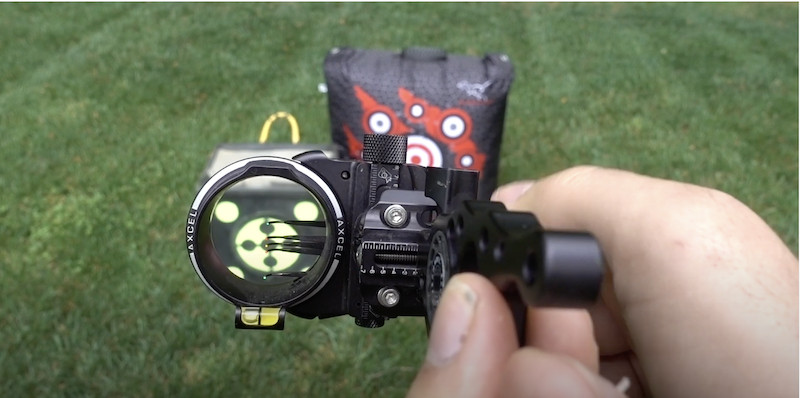
Multi-pin sights typically have 3-7 pins, each set for a specific distance. Archers must remember which pin corresponds to which range. Multi-pin setups are popular in competitive archery and hunting scenarios where rapid distance estimation is needed.
Example: At a 3D archery tournament, a shooter may use five pins set at 20, 30, 40, 50, and 60 yards, allowing for quick target acquisition.
Fixed Vs. Movable Sights
Fixed sights remain static once set, making them reliable but less adaptable to changing conditions. Movable sights can be adjusted for windage (left/right) and elevation (up/down), giving archers greater control.
| Sight Type | Adjustability | Best For |
|---|---|---|
| Single-Pin | High | Hunting, variable ranges |
| Multi-Pin | Medium | Competition, fixed distances |
| Fixed | Low | Beginner archery, static shooting |
| Movable | High | Advanced archers, precision shooting |
Digital Sights
Digital sights incorporate electronic components, like LED displays or rangefinding modules. While more expensive, they offer real-time data and micro-adjustments, which can be valuable in high-level competition.
Pro Tip: While digital sights provide advanced functionality, always check local regulations before using them in tournaments, as they may be restricted.
Credit: archery360.com
Preparing For Sight Adjustment
Proper sight adjustment starts long before you touch the dials. Preparation ensures that your efforts are effective and repeatable.
Inspecting Your Equipment
Begin by thoroughly inspecting your bow, sight, and arrows. Ensure all components are clean, undamaged, and correctly assembled. Loose screws or worn parts can introduce inconsistencies, making sight adjustment impossible.
Example: In my experience, missing a tiny screw on a multi-pin sight led to unpredictable shifts during a regional archery competition. A simple pre-check would have prevented hours of troubleshooting.
Setting Up Your Shooting Environment
Choose a stable shooting environment. Indoors is preferable for initial sighting, as it eliminates variables like wind and lighting. Outdoors, select a location with minimal wind and consistent lighting.
Checklist:
- Flat shooting surface
- Consistent lighting (avoid glare)
- Clear targets at known distances
Selecting Appropriate Arrows
The arrows you use profoundly impact sight adjustment. Arrow weight, spine, and fletching all influence trajectory. Always use the same arrows for sighting as you do for regular shooting.
Pro Tip: Keep a dedicated set of arrows for sight calibration. Mark them to avoid accidental mixing.
Establishing A Baseline
Before making any adjustments, shoot a group of arrows at a set distance (e. g. , 20 yards). Record their pattern and average impact point. This baseline helps track improvement and ensures that changes are made systematically.
Step-by-step Guide To Adjusting Your Bow Sight
Systematic sight adjustment involves several steps, each building on the last to achieve precise accuracy.
Initial Windage And Elevation Adjustment
Windage (left/right) and elevation (up/down) are the two primary axes of sight adjustment.
- Shoot a 3-arrow group at a known distance (e.g., 20 yards).
- Observe where arrows cluster in relation to the bullseye.
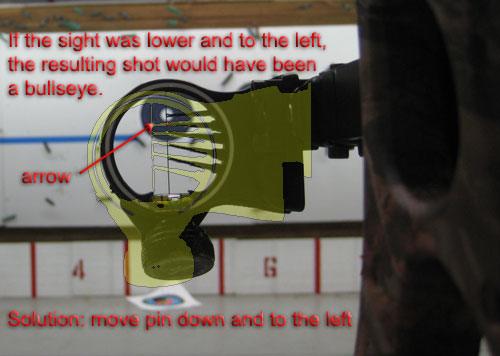
- If arrows hit left, adjust sight right; if high, adjust sight down.
Pro Tip: Always move the sight in the direction you want the arrow to go. For example, if the group is low, raise the sight.
Fine-tuning At Multiple Distances
Accuracy varies with distance. Adjusting your sight for one range does not guarantee accuracy at others.
- Set targets at 10, 20, 30, and 40 yards.
- Shoot groups at each distance.
- Adjust pins (multi-pin) or sight slider (single-pin) accordingly.
Example: An archer finds that arrows hit high at 30 yards but are accurate at 20. Lowering the 30-yard pin solves the issue without affecting closer accuracy.
Calibrating Sight Pins
Multi-pin sights require careful calibration of each pin.
- Start with the closest pin (e.g., 20 yards).
- Adjust windage/elevation until the group centers.
- Move to the next pin (e.g., 30 yards), repeat adjustment.
- Continue for each pin, ensuring each is set for its intended distance.
Warning: Never adjust multiple pins simultaneously. Calibrate each individually for best results.
Verifying Consistency
After initial adjustments, shoot several groups to verify consistency. If patterns persistently shift, inspect equipment for underlying issues or repeat calibration.
Checklist for verification:
- Shoot 3-5 groups at each distance.
- Record impact points.
- Confirm minimal deviation from bullseye.
Recording And Marking Adjustments
Document each adjustment with a notebook or digital log. Mark sight positions with tape or paint for easy reference.
Example: After a week of hunting, a bow sight can drift. Having marked settings allows quick restoration of original accuracy.

Credit: accubow.com
Factors Affecting Sight Adjustment
Beyond mechanical adjustments, external and internal variables influence sight alignment.
Environmental Conditions
Wind, humidity, and lighting directly affect arrow flight. Even minor breezes can cause drift, especially at longer distances.
Example: During an outdoor shoot, wind gusts shifted arrow groups by several inches. Adjusting windage compensated for the effect, but only temporarily.
Archer Technique
Consistency in draw length, anchor point, and release is crucial. Variations here render sight adjustments ineffective.
Pro Tip: Practice with a mirror or video recording to ensure consistent form before adjusting your sight.
Arrow Variability
Arrow imperfections or inconsistent spine can skew results. Use matched arrows for sighting and discard any with visible defects.
Bow Tuning
A poorly tuned bow can send arrows off-course regardless of sight settings. Periodically check string alignment, limb position, and cam timing (for compound bows).
| Factor | Impact on Sight Adjustment | Mitigation |
|---|---|---|
| Wind | Causes lateral drift | Adjust windage, shoot in calm conditions |
| Lighting | Alters perceived aim point | Use consistent lighting, polarized glasses |
| Arrow weight | Changes trajectory | Use matched arrows |
| Form consistency | Improves repeatability | Practice, video feedback |
Advanced Techniques For Bow Sight Calibration
For those seeking elite accuracy, several advanced techniques and tools can elevate your sight adjustment.
Paper Tuning
Paper tuning involves shooting arrows through a sheet of paper to analyze tear patterns. Clean, straight tears indicate proper setup; angled or uneven tears signal adjustments are needed.
Example: After paper tuning, an archer discovers a slight left tear, indicating the need to adjust arrow rest or sight windage.
Walk-back Tuning
Walk-back tuning tests arrow flight at increasing distances on a single vertical target line. This helps identify any left/right drift over range, often caused by misaligned arrow rests.
Steps:
- Set a vertical tape on the target.
- Shoot arrows at 5, 10, 20, 30 yards.
- Adjust windage until all arrows land on the tape.
Laser Alignment Tools
Laser alignment tools project a beam along the arrow’s flight path, aiding in precise sight and rest adjustment. This is especially useful for compound bows with intricate setups.
Pro Tip: Use laser alignment in tandem with paper tuning for maximum accuracy.
Using Sight Scales And Apps
Modern archery apps help calculate sight settings based on arrow velocity, weight, and environmental conditions. Digital sight scales allow micro-adjustments, which can be logged and referenced.
Example: The Archery Trade Association offers calculators that assist with pin placement and sight-in procedures.
Common Mistakes And Troubleshooting
Even experienced archers encounter pitfalls when adjusting bow sights. Knowing how to identify and correct these mistakes is vital.
Over-adjusting
Frequent, large adjustments can overshoot the optimal setting. Always make small, incremental changes and test after each.
Warning: If you find yourself constantly adjusting, check for underlying equipment issues.
Ignoring Environmental Variables
Failing to account for wind or lighting can mislead your adjustments. Always record conditions during sighting sessions.
Inconsistent Shooting Form
Erratic anchor points or draw lengths can sabotage even perfect sight settings. Make sure form is consistent before blaming sight alignment.
Not Recording Adjustments
Without documentation, it’s easy to lose track of what changes were made. Always record settings and keep logs updated.
Equipment Wear And Tear
Loose screws, worn sights, and bent arrows can cause unpredictable results. Regularly inspect and maintain your gear.
Real-world Examples And Case Studies
Examining how archers succeed (and fail) with sight adjustment offers valuable lessons.
Example: Tournament Archer Calibration
During the 2019 National Archery Tournament, competitive shooter Sarah Jensen meticulously adjusted her multi-pin sight before each round, accounting for wind and lighting shifts. Her systematic documentation and incremental adjustments resulted in consistent scores across varying conditions.
Example: Bowhunter Field Adaptation
Bowhunter Mike Rodriguez faced shifting winds during elk season in Colorado. He used a single-pin movable sight, recalibrating for each stalk. By marking settings in his notebook, he quickly adapted, resulting in a successful hunt despite environmental challenges.
Example: Recreational Shooter Improvement
John, a recreational archer, struggled with inconsistent hits at 30 yards. After recording his form and using paper tuning, he realized his anchor point was shifting. Addressing form before adjusting the sight led to marked improvement and fewer wasted arrows.
| Scenario | Initial Issue | Adjustment Strategy | Outcome |
|---|---|---|---|
| Tournament | Wind, lighting changes | Incremental adjustments, logs | Consistent high scores |
| Bowhunting | Variable range, wind | Single-pin adaptation | Successful hunt |
| Recreational | Inconsistent hits | Form correction, paper tuning | Improved accuracy |
Maintenance And Long-term Sight Management
Maintaining your bow sight over time ensures lasting accuracy and reliability.
Regular Cleaning And Inspection
Dirt, moisture, and debris can affect sight function. Clean sights after each use, especially when shooting outdoors. Inspect for rust, wear, or loose components.
Periodic Calibration
Recalibrate sights periodically, especially after equipment changes or prolonged use. Mark settings and update logs for reference.
Storage And Transportation
Protect sights during storage and transport. Use padded cases and avoid dropping or jarring the bow, which can misalign components.
Upgrading Components
As technology advances, consider upgrading sights, pins, or accessories for improved functionality. Research reputable brands and read reviews before purchasing.
Pro Tip: The Bow Sight Wikipedia page is a good starting point for technical specifications and upgrade options.
Frequently Asked Questions
What Should I Do If My Arrows Consistently Hit Low Even After Adjusting The Sight?
If arrows consistently hit low, re-examine your draw length and anchor point. Slight changes in form can affect arrow trajectory. Also, check for equipment fatigue in bow limbs or string, which can reduce arrow speed. Consider increasing the sight’s elevation incrementally and retest, but consult a professional if issues persist.
Can I Use The Same Sight Adjustment For Different Arrow Types?
No. Arrow weight and spine dramatically affect trajectory and sight settings. Always calibrate your sight for the specific arrow type you plan to use for shooting or hunting. Switching arrows without recalibration leads to unpredictable results and diminished accuracy.
How Often Should I Recalibrate My Bow Sight?
Recalibration frequency depends on usage and environment. For competitive archers, recalibrate before every major event. Hunters should recalibrate after long travel or environmental changes. Recreational shooters can check settings monthly. Equipment upgrades or changes also require recalibration.
Are Digital Bow Sights Allowed In Competitions?
Digital sights are permitted in some events but banned in others. Always check tournament regulations or consult the organizing body before using digital or electronic sights. The World Archery Federation provides official guidelines.
What’s The Best Way To Record Sight Adjustments For Future Reference?
Use a notebook, smartphone app, or log sheet to track each adjustment, noting date, distance, environmental conditions, and results. Mark sight positions with tape or paint. Digital photos can also help, especially if you frequently change settings.
Precision in sight adjustment is the cornerstone of successful archery. By systematically preparing, calibrating, and maintaining your bow sight, you transform each shot into a confident, repeatable action. Whether you’re chasing tournament medals, hunting in challenging conditions, or simply enjoying target practice, these strategies empower you to shoot with accuracy and consistency.
With practice, patience, and attention to detail, you’ll find your arrows landing exactly where you intend, every time.