How To Bow Hunt Coyotes
Coyotes are among North America’s most elusive and intelligent predators, making them a thrilling quarry for bow hunters seeking a unique challenge. Unlike rifle hunting, bow hunting coyotes demands stealth, precision, and a keen understanding of these adaptable animals. As coyote populations grow and their range expands into suburban and rural areas, ethical and effective management is becoming increasingly important.
Bow hunting offers a responsible, low-impact method that tests both skill and patience.
Whether you’re an experienced archer or a newcomer to predator hunting, learning how to bow hunt coyotes can vastly improve your fieldcraft and provide a rewarding pursuit. This comprehensive guide covers everything you need to know, from understanding coyote behavior and choosing the right equipment, to advanced hunting strategies and ethical considerations.
Get ready to enhance your outdoor skills and contribute to effective wildlife management by mastering the art of bow hunting coyotes.
Key Takeaways
- Bow hunting coyotes requires careful planning, specialized gear, and in-depth knowledge of coyote behavior.
- Success hinges on scouting, scent control, and precise shot placement.
- Understanding local laws and ethical guidelines is essential for responsible hunting.
- Strategic calling, decoy use, and camouflage can greatly increase your odds.
- Real-world examples and data-driven insights can help you refine your approach.

Credit: www.wasparchery.com
Understanding Coyotes: Biology And Behavior
Coyote Ecology And Habitats
Coyotes (Canis latrans) are adaptable predators found throughout North America, thriving in environments ranging from remote wilderness to suburban neighborhoods. Their ability to exploit diverse habitats makes them one of the continent’s most successful carnivores. Coyotes primarily hunt small mammals but are opportunistic feeders, consuming insects, fruit, and even carrion when necessary.
Social Structure And Seasonal Patterns
While often solitary, coyotes may form loose family groups, especially during the breeding season (January, March) and while raising pups in spring and early summer. Understanding these seasonal behaviors is crucial; during denning, coyotes are more territorial and predictable, while fall and winter see increased movement as juveniles disperse and adults expand their range.
Senses And Communication
Coyotes possess acute senses of smell, sight, and hearing, making them wary of human presence and difficult to approach. They communicate through vocalizations (yips, barks, howls), scent marking, and body language. These traits underscore the importance of stealth and scent control in bow hunting.
Human-wildlife Interactions
As urban sprawl encroaches on wild spaces, coyote encounters with people and pets have increased. According to the Urban Coyote Research Project, coyotes now inhabit every major US city. Responsible hunting can play a role in population management and reducing conflicts, provided it is conducted ethically and within legal frameworks.
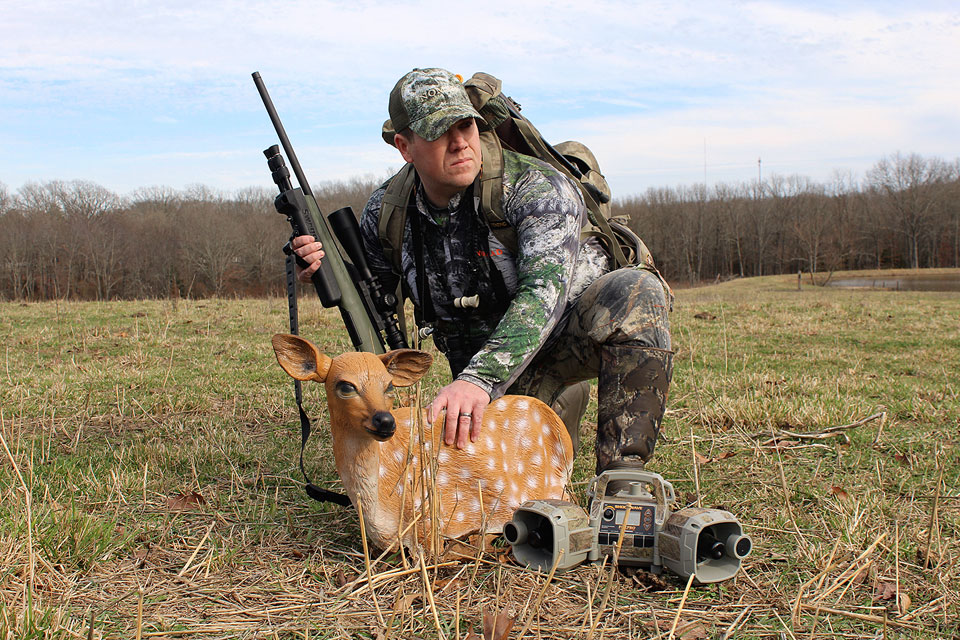
Credit: www.mossyoak.com
Essential Bow Hunting Gear For Coyotes
Choosing The Right Bow
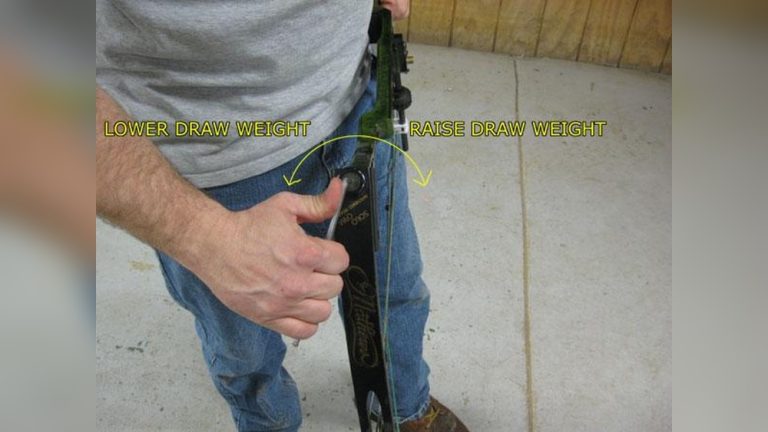
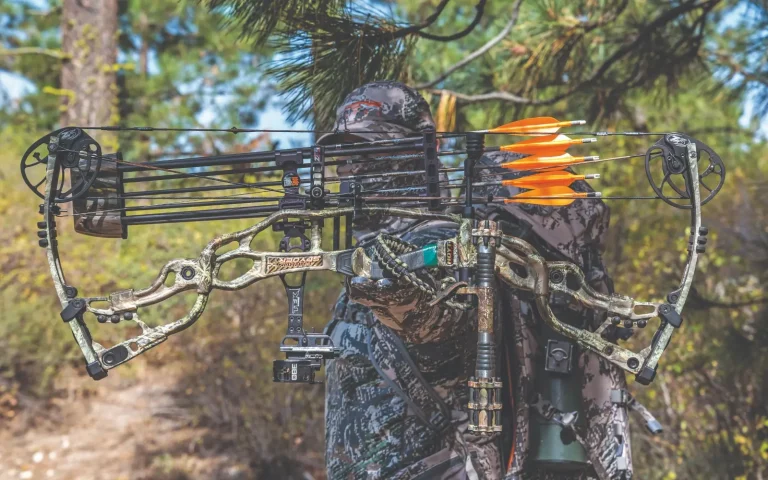
Selecting a bow for coyote hunting depends on personal preference, draw weight, and hunting style. Both compound bows and recurve bows are effective when tuned properly, but compound bows offer advantages in terms of accuracy and let-off, allowing for steadier shots during extended holds.
Arrows And Broadheads
The ideal arrow for coyotes is lightweight (400, 450 grains total), allowing for flat trajectories and minimal noise. Fixed-blade broadheads (85, 125 grains) deliver reliable penetration on small-bodied predators. Mechanical broadheads can also be effective, but require precise tuning to avoid deflection on impact.
Camouflage And Concealment
Coyotes quickly detect movement and unnatural shapes, so camouflage that matches the local environment is essential. Invest in high-quality, weather-appropriate camouflage clothing, gloves, and face coverings. Ground blinds, natural brush, or ghillie suits can further break up your outline and mask subtle movements.
Scents And Scent Control
Coyotes rely on scent to detect danger. Use unscented soaps, detergents, and sprays to eliminate odors from your body and gear. Consider wind direction when setting up, and avoid touching vegetation or gear with bare hands.
Calls And Decoys
Predator calls, electronic or mouth-blown, mimic prey distress sounds (rabbit, rodent) or coyote vocalizations to lure them into range. Pairing calls with a motion decoy (such as a motorized rabbit or feather) can draw coyotes’ attention and hold them for a shot.
Optics And Rangefinders
A compact rangefinder helps estimate distances accurately, critical for ethical bow shots (typically 20, 40 yards). Binoculars with good low-light performance aid in spotting coyotes at dawn and dusk.
Comparison Table: Essential Bow Hunting Gear
| Gear Item | Recommended Features | Importance |
|---|---|---|
| Bows | Compound (60, 70 lbs), Recurve (45+ lbs) | Critical |
| Arrows | Carbon, 400, 450 grains, 85, 125 gr broadheads | Critical |
| Camouflage | Weather- and terrain-matched patterns | High |
| Scent Control | Unscented sprays, wind-checkers | High |
| Calls/Decoys | Electronic, mouth-blown, motion decoys | Medium |
| Optics | Rangefinder, binoculars (8×42) | Medium |

Credit: thecounty.me
Scouting And Locating Coyotes
Reading Sign And Scouting Techniques
Effective coyote hunting begins well before you draw your bow. Look for tracks, scat, fur, and kill sites along game trails, field edges, and water sources. Use trail cameras to monitor activity and establish travel patterns. Fresh snow can reveal travel corridors, while muddy areas often show clear paw prints.
Best Locations And Setups
Coyotes favor edges, transition zones between forest and open fields, overgrown fence lines, or creek bottoms. Setting up along these areas increases your chance of intercepting a traveling coyote. In agricultural regions, hunt near livestock pastures or poultry farms, as coyotes may be attracted to easy prey.
Time Of Day And Seasonal Considerations
Coyotes are most active during low-light periods, dawn, dusk, and overcast days. In winter, their increased energy needs make them more responsive to calls. During spring, focus near denning areas and fresh pup tracks, but always respect local regulations regarding hunting during pupping season.
Using Technology: Gps And Mapping Apps
Modern mapping tools such as OnX Hunt or Google Earth help identify likely coyote habitat, travel corridors, and property boundaries. Marking sightings and sign with GPS waypoints builds a record of productive areas over multiple seasons.
Setting Up For Success: Stand Placement And Concealment
Stand Types: Ground Blinds Vs. Natural Cover
Unlike deer hunting, tree stands are rarely used for coyotes due to terrain and the need for mobility. Ground blinds, either commercial or improvised from brush, offer concealment and comfort, especially in open country. In heavy cover, kneeling or sitting against a tree with natural brush works well for short sets.
Wind Direction And Entry Routes
Coyotes nearly always approach from downwind, using their superior sense of smell. Set up with the wind in your face or crosswind, and avoid letting your scent trail cross likely approach routes. Quiet, stealthy entry is critical; even a distant coyote can be spooked by careless noise.
Decoy Placement And Shot Angles
Position motion decoys 20, 30 yards upwind of your stand, ensuring a clear shooting lane. Coyotes may circle before committing, so anticipate multiple approach angles and trim vegetation as needed. Shots should be broadside or slightly quartering away for optimal penetration and ethical kills.
Pro Tip
Place your stand in the shade when possible, sunlight reflecting off your bow or face can alert wary coyotes even before they spot movement.
Calling And Attracting Coyotes
Types Of Calls: Prey Distress Vs. Coyote Vocalizations
Prey distress calls (cottontail, jackrabbit, rodent) trigger a coyote’s predatory instinct, while coyote vocalizations (challenge howls, pup distress) appeal to territorial or social responses. Electronic callers are legal in many areas and offer versatility, but mouth calls allow for more nuanced control and portability.
Calling Sequences And Volume
Start each set with soft, intermittent calls, gradually increasing in intensity. If there’s no response after 10, 15 minutes, switch call types or increase volume. Overcalling or using the same sequence repeatedly can educate coyotes, making them harder to lure in the future.
Using Decoys To Enhance Realism
Motion decoys add visual interest, convincing coyotes that the distress sounds are authentic. Use lightweight, battery-powered decoys for maximum realism, or improvise with feathers or strips of fur attached to a stake. Decoys also focus a coyote’s attention away from the hunter, buying critical seconds for a shot.
Real-world Example: Calling Success
In my experience bow hunting the Kansas prairie, a simple rabbit distress call paired with a spinning feather decoy brought a wary coyote within 25 yards. The combination of sound and motion overcame the animal’s skepticism, providing a perfect broadside opportunity.
Dealing With Call-shy Coyotes
In heavily hunted areas, coyotes quickly learn to associate certain calls with danger. Rotate call types, sequences, and locations frequently. Consider using hand calls to produce unique, less-repetitive sounds. If a coyote hangs up out of range, try a subtle lip-squeak or mouse squeak to coax it closer.
Shot Placement, Ethics, And Recovery
Vital Zones And Shot Angles
The vital area on a coyote is relatively small, roughly the size of a grapefruit, centered behind the front shoulder. Aim for the heart-lung area for quick, humane kills. Avoid frontal or steeply quartering shots, which risk wounding the animal.
Maximum Effective Range
Most bow hunters should limit shots to 40 yards or less. Even with modern equipment, coyotes’ alertness and agility make longer shots unreliable. Practice from various positions and distances to build confidence and accuracy.
Tracking And Recovering Coyotes
Coyotes rarely leave heavy blood trails. Mark the shot location and direction of travel immediately. Look for hair, blood, and disturbed leaves or grass along the escape route. Coyotes may run 50, 100 yards even after a lethal hit; patience and methodical tracking are essential.
Ethical Considerations And Legal Compliance
Always check local and state regulations regarding seasons, equipment, and landowner permission. Many states have specific rules for predator hunting, some allow electronic calls, night hunting, or baiting, while others do not. Ethical hunters strive for quick kills, minimize suffering, and respect private property and non-target species.
Example: Ethical Dilemma
A bow hunter in Texas encountered a coyote at 60 yards, broadside but alert. Rather than risk a marginal shot, the hunter passed, later remarking that the challenge of getting closer made the eventual success much more rewarding.
Advanced Strategies: Adapting To Pressure And Changing Conditions
Hunting Pressure And Educated Coyotes
Coyotes quickly adapt to hunting pressure, changing routines and avoiding overused call sequences or setups. Vary your entry routes and hunting times, and give heavily hunted spots time to “rest” between sets.
Weather And Seasonal Adjustments
Cold, calm mornings with light winds are ideal for bow hunting. Snow cover improves visibility and makes scouting easier, but crunchy snow or dry leaves can betray your approach. After storms or during temperature swings, coyotes may move at unusual times, adapt your strategy accordingly.
Solo Vs. Team Hunting
Hunting solo offers stealth but limits calling and shooting angles. Hunting with a partner allows one person to call and another to shoot, or to cover multiple approach routes. Use hand signals and prearranged shooting lanes to avoid confusion.
Case Study: Adaptation In Action
During a February hunt in Nebraska, a pair of hunters rotated between three stand locations over a weekend, varying their calls and setups. Despite heavy local hunting pressure, they succeeded by hunting midday when most others had left the field, calling in two coyotes with a combination of pup distress and subtle rodent squeaks.
Using Trail Cameras And Data
Long-term success depends on patterning coyotes. Use trail cameras to log times, weather, moon phase, and coyote activity. Charting this data can reveal trends, such as increased movement before storms or during the breeding season, that help you time your hunts for maximum effectiveness.
Comparison Table: Bow Hunting Coyotes Vs. Rifle Hunting Coyotes
| Aspect | Bow Hunting | Rifle Hunting |
|---|---|---|
| Effective Range | 20, 40 yards | 100, 400+ yards |
| Challenge Level | High (requires stealth and close range) | Moderate |
| Noise/Disturbance | Very low | Louder, may spook other game |
| Legal Restrictions | Fewer restrictions in some states | May require additional permits |
| Recovery Difficulty | Higher (less blood sign) | Lower (more knockdown power) |
| Skill Development | Archery skills, woodsmanship | Marksmanship, glassing |
Safety, Regulations, And Conservation
Understanding Local Laws
Before heading afield, thoroughly review your state’s hunting regulations regarding coyotes. Laws differ widely: some states classify coyotes as furbearers with regulated seasons, while others allow year-round hunting. Electronic callers, night vision, and baiting may be restricted or require special permits.
For detailed, up-to-date regulations, consult your state wildlife agency or the U.S. Fish & Wildlife Service.
Hunter Safety Considerations
Bow hunting often takes place in low-light conditions and remote areas. Always let someone know your hunting plans and carry a fully charged phone or GPS device. Wear blaze orange when required by law, especially during firearm seasons, to alert other hunters to your presence.
Disease Awareness And Handling Coyotes
Coyotes can carry diseases such as rabies, mange, and distemper. Wear gloves when handling carcasses, avoid contact with bodily fluids, and thoroughly disinfect knives and gear. Proper handling ensures your safety and the safety of others.
Conservation And Ecological Role
While coyotes are prolific and resilient, responsible hunting helps maintain balance in ecosystems where natural predators are absent. Overharvest can disrupt local populations, while under-harvest may contribute to increased conflicts with livestock and pets. Ethical bow hunting is a sustainable practice when done with respect for the land and wildlife.
Example: Community-based Coyote Management
Some rural communities partner with hunters to manage coyote populations, reducing livestock losses and protecting ground-nesting birds. These efforts highlight the role hunters can play in broader conservation initiatives, provided they adhere to science-based harvest goals and ethical standards.
Frequently Asked Questions
How Close Do Coyotes Need To Be For An Ethical Bow Shot?
For an ethical and effective shot, coyotes should be within 20, 40 yards. This range allows for precise shot placement and minimizes the risk of wounding the animal. Practicing at various distances can help improve accuracy and confidence within this range.
What’s The Best Time Of Year To Bow Hunt Coyotes?
Late fall through early spring is generally the most productive period. During the breeding season (January, March), coyotes are more vocal and territorial, making them responsive to calls. Winter’s sparse vegetation also improves visibility and shot opportunities.
Can I Bow Hunt Coyotes At Night?
Regulations regarding night hunting vary by state. Some states allow nighttime hunting with bows, but may require special permits or restrict the use of lights and electronic calls. Always check your local regulations before hunting after dark.
How Do I Avoid Spooking Coyotes When Setting Up?
Minimize noise and movement, approach hunting sites from downwind, and use scent control products to reduce human odor. Arriving before first light and setting up quietly increases your chances of going undetected.
Are There Any Risks To Pets Or Non-target Animals?
Yes, coyotes sometimes approach domestic animals or decoys resembling small pets. Ensure your decoys and calls do not attract non-target wildlife, and always be certain of your target before releasing an arrow. Responsible hunting practices help prevent accidental harm to pets or other species.
Coyotes’ intelligence and adaptability make them formidable quarry, but bow hunting them is a pursuit that sharpens every aspect of a hunter’s skills. By combining knowledge, preparation, and respect for both the animal and the environment, you can find success and satisfaction in this challenging discipline.
Continue learning, practicing, and adapting, your growth as a bow hunter will be matched by your contributions to responsible wildlife management.
For further reading on coyote biology and management, visit the Coyote Wikipedia page.