How To Bow Hunt Deer Pdf
Bowhunting for deer is one of the most rewarding and challenging pursuits for hunters in North America. With the quiet discipline of the bow, hunters step closer to nature, relying on patience, skill, and deep understanding of deer behavior. As bowhunting grows in popularity, according to the U.S. Fish & Wildlife Service, more than 3 million Americans participated in bowhunting in 2026, so does the demand for comprehensive, reliable resources. Many hunters look for a How to Bow Hunt Deer PDF that offers step-by-step guidance, but often find fragmented or outdated information.
This definitive guide brings together the essential knowledge every aspiring or experienced deer bowhunter needs, structured for maximum clarity and actionable insight. Whether you’re seeking to improve your technique, select the right gear, or ensure ethical harvests, you’ll find authoritative strategies grounded in both tradition and the latest technology.
From real-world case examples to data-driven comparisons, this article is your go-to resource before you head into the woods, or download your next PDF handbook.
Key Takeaways
- Bowhunting for deer requires specialized skills, equipment, and a deep understanding of deer habits and habitats.
- Comprehensive preparation, covering scouting, gear selection, shot placement, and safety, is essential for ethical and successful hunts.
- Modern resources such as digital PDFs and interactive tools can significantly accelerate learning and field proficiency.
- Legal regulations vary by state and must be reviewed before every hunt.
- Real-world examples and case studies illustrate best practices and common pitfalls to avoid.
- Ethical practices and conservation principles are at the heart of responsible bowhunting.
Understanding Bowhunting Fundamentals
Bowhunting is both an art and a science, blending historical tradition with modern innovation. Before diving into advanced strategies or searching for the perfect How to Bow Hunt Deer PDF, it’s vital to master foundational knowledge.
The Evolution Of Bowhunting
Bowhunting dates back thousands of years, with indigenous peoples relying on bows for sustenance. Today, modern compound and crossbows have revolutionized the sport, offering improved accuracy and power. According to the Archery Trade Association, compound bows now account for over 70% of bow sales in the U.S., reflecting their dominance in deer hunting.
Essential Bow Types For Deer Hunting
Choosing the right bow is critical for accuracy and ethical harvests. The three main types are:
- Recurve Bows: Traditional, simple design, quiet shot, but require more skill.
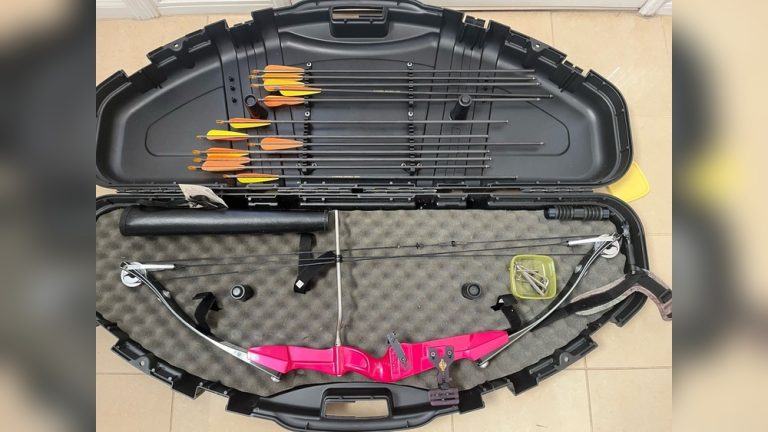
- Compound Bows: Most popular; feature cams and pulleys for greater power and let-off.
- Crossbows: Increasingly legal for deer hunting; easier for beginners but often heavier.
| Bow Type | Draw Weight Range | Effective Range | Best For |
|---|---|---|---|
| Recurve | 35, 60 lbs | 20, 30 yards | Traditionalists, skilled archers |
| Compound | 40, 70 lbs | 40, 60 yards | Most hunters, modern gear fans |
| Crossbow | 75, 200 lbs | 40, 80 yards | Beginners, those with limited mobility |
Key Bowhunting Terms
Understanding bowhunting jargon is crucial when reading guides or PDFs:
- Draw Weight: The force required to pull the bowstring.
- Let-Off: Percentage of draw weight reduced at full draw (compound bows).
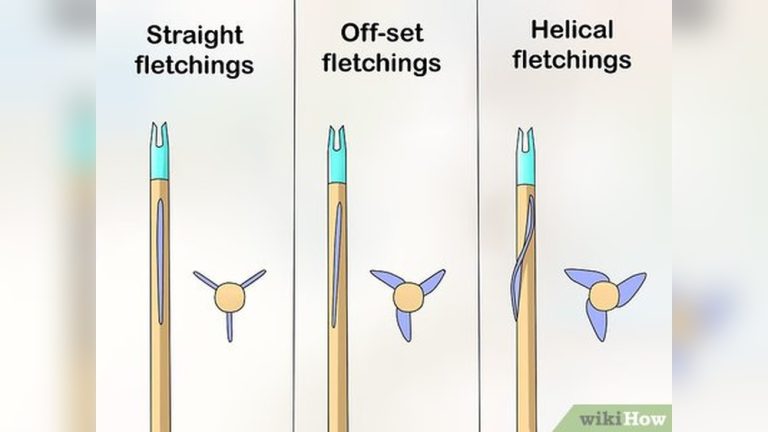
- Arrow Spine: Flexibility of the arrow shaft; matched to bow draw weight.
Legal And Ethical Considerations
Every state has specific regulations on:
- Legal hunting seasons and hours
- Minimum draw weights
- Allowed bow types and broadheads
- Safety requirements (e.g., blaze orange, tree stand harnesses)
Consult your state’s wildlife agency or reference the National Bowhunter Education Foundation for current rules. Ethical hunting also includes quick, humane kills and respect for property and wildlife.
Scouting And Understanding Deer Behavior
Successful bowhunting is built on in-depth scouting and knowledge of deer movement patterns. Even the best gear can’t compensate for poor location choice or misunderstanding animal behavior.
Scouting Techniques
Effective scouting combines modern technology and traditional woodsmanship:
- Trail Cameras: Place cameras near game trails, food plots, and scrapes. Review images to spot patterns in deer activity.
- Aerial Maps & GPS: Use satellite imagery to identify funnels, bedding areas, and travel corridors.
- On-Foot Observation: Look for fresh tracks, rubs, scrapes, and droppings.
Pro Tip: Avoid over-scouting, which can pressure deer and alter their routines.
Key Deer Habits
- Feeding: Deer feed at dawn and dusk, often in fields or food plots.
- Bedding: Look for thick cover near water or food sources.
- Rutting Season: Bucks become more active and less cautious during the rut (typically late October to early December in most states).
Weather And Moon Phases
Deer movement can be influenced by:
- Cold fronts: Increase daytime movement
- Wind direction: Affects how deer approach feeding areas
- Moon phase: Some studies suggest minor correlations with deer activity, though opinions differ
Case Study: Scouting Success
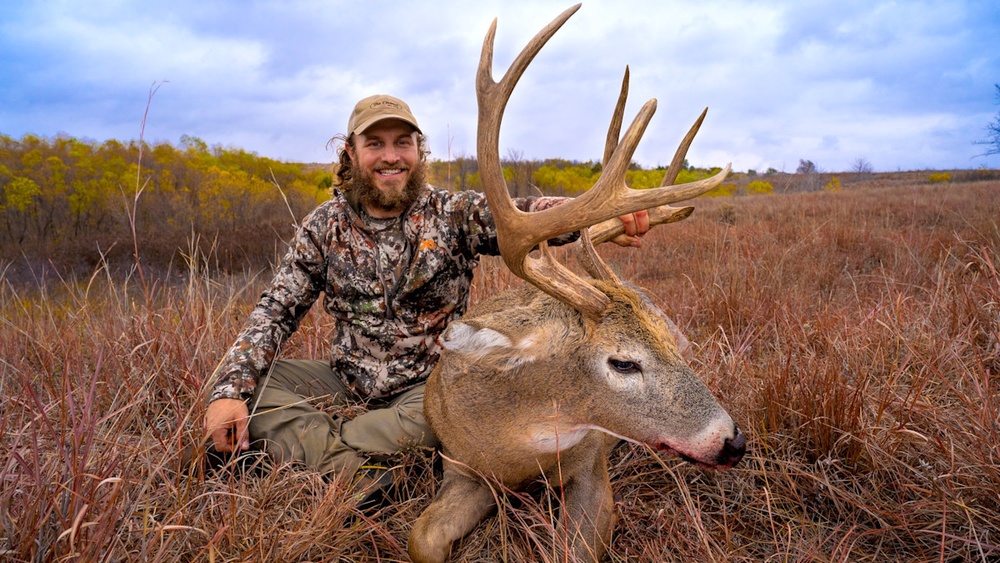
A hunter in Missouri used a combination of trail cameras and topographic maps to pinpoint a funnel between two bedding areas. By observing deer movement over two weeks, he identified a stand location that produced a 12-point buck on opening day.
Land Access And Permissions
Always secure written permission for private land access. On public land, consult regulations for stand placement and travel restrictions.

Credit: www.themeateater.com
Essential Gear And Setup
The right equipment maximizes safety, comfort, and success. A thorough How to Bow Hunt Deer PDF will break down each gear category and offer advice tailored to your hunting environment.
Bows, Arrows, And Broadheads
- Bow Selection: Choose a bow that matches your body size, strength, and hunting style.
- Arrows: Use carbon or aluminum shafts; match spine to bow draw weight.
- Broadheads: Fixed or mechanical; ensure they are sharp and legal in your state.
Tree Stands And Blinds
- Tree Stands: Climbing, hang-on, or ladder stands give elevation and better sight lines. Always use a safety harness.
- Ground Blinds: Effective in open areas or when hunting with kids.
| Stand/Blind Type | Setup Time | Visibility | Portability |
|---|---|---|---|
| Climbing Stand | 10, 15 mins | High | Excellent |
| Ladder Stand | 30, 60 mins | High | Low |
| Ground Blind | 10, 30 mins | Moderate | Good |
Clothing And Scent Control
- Camouflage: Match your camo pattern to local vegetation.
- Layering: Use moisture-wicking base layers and insulating outerwear.
- Scent Control: Wash clothes in scent-free detergent and use odor-eliminating sprays. Store gear in scent-proof bags.
Rangefinders And Optics
- Laser Rangefinders: Ensure accurate distance estimation for ethical shots.
- Binoculars: Spot deer before they spot you.
Safety Equipment
- Harnesses: Prevent falls from tree stands.
- First Aid Kit: Always have basic medical supplies on hand.
Example: Gear Checklist For A 3-day Hunt
- Compound bow (60 lbs draw)
- 12 carbon arrows with fixed-blade broadheads
- Climbing tree stand and safety harness
- Camo clothing for varying weather
- Rangefinder and binoculars
- Scent elimination kit
- Field dressing kit
Preparation And Practice
Consistent preparation and realistic practice are essential for bowhunting success. In my experience, the most common cause of missed shots is lack of real-world practice, not inadequate equipment.
Shooting Drills
- 3D Targets: Practice shooting at deer-shaped targets from varying distances and angles.
- Tree Stand Practice: Shoot from elevated positions to simulate real hunting conditions.
- Low-Light Practice: Deer are most active at dawn and dusk; practice in similar lighting.
Estimating Range
- Use a rangefinder to learn to judge distances by eye.
- Practice “gap shooting” at unknown distances to improve instinctive accuracy.
Physical Fitness
Bowhunting often involves hiking, climbing, and long sits in cold weather. Focus on:
- Cardio: For stamina during scouting and tracking
- Strength: Especially upper body and core for drawing the bow
Reading And Reviewing Pdfs
- Download authoritative How to Bow Hunt Deer PDF guides from reputable sources like the National Bowhunter Education Foundation.
- Look for guides that include diagrams, shot placement charts, and up-to-date regulations.
Example: Pre-season Routine
A veteran bowhunter in Pennsylvania spends August and September shooting 25 arrows daily from a tree stand, hiking 2 miles with gear weekly, and reviewing the latest state hunting regulations to ensure compliance.
In The Field: Strategies For Success
The moment of truth arrives when you step into the woods. Field tactics, from entry to shot execution, can make or break your hunt.
Entry And Exit Strategies
- Quiet Approach: Use wind direction to avoid spooking deer.
- Low-Impact Routes: Avoid crossing bedding and feeding areas.
- Leave No Trace: Minimize scent and disturbance.
Stand Placement
- Wind Advantage: Always hunt with the wind in your face or crosswind.
- Travel Corridors: Set up near funnels and pinch points.
- Edge Cover: Hunt field edges at dusk and dawn for feeding deer.
Calling And Attractants
- Grunt Calls: Mimic buck vocalizations to attract curious deer.
- Doe Bleats: Simulate estrus does during the rut.
- Scents: Use sparingly; overuse can alert mature bucks.
Shot Placement And Execution
- Broadside Shots: Aim behind the front shoulder for a double lung shot.
- Quartering-Away: Offers high odds of vital organ penetration.
- Never Take: Head-on or rear shots, unethical and low success.
Case Study: Ethical Shot Decision
A Minnesota hunter passed on a 10-point buck standing head-on at 18 yards. Minutes later, the buck turned broadside, presenting a high-percentage shot. The patience led to a quick, humane harvest.
Tracking And Recovery
- Wait 30 Minutes: After the shot, unless you see the deer fall.
- Blood Trail: Mark last sign with biodegradable tape.
- Field Dressing: Use latex gloves and a sharp knife. Remove entrails quickly to cool meat.
Leveraging Digital Resources And Pdfs
Modern hunters have access to an unprecedented array of digital tools, from interactive PDFs to mobile apps. These resources can streamline learning and boost in-field performance.
Finding Quality Bowhunting Pdfs
- Official Agency Guides: Many state wildlife agencies provide free PDF manuals.
- Educational Organizations: The National Bowhunter Education Foundation and similar groups offer certified courses and downloadable materials.
- Hunting Forums and Blogs: Reputable communities often compile and share updated guides.
Evaluating A Good Bowhunting Pdf
A comprehensive guide should include:
- Detailed gear checklists
- Shot placement diagrams
- Scouting strategies
- Legal regulation summaries
- Ethics and conservation tips
| PDF Source | Cost | Update Frequency | Content Depth |
|---|---|---|---|
| State Wildlife Agency | Free | Annually | High |
| Educational Organization | Free/Low | Every 2, 3 Years | Very High |
| Private Blog | Free | Varies | Medium |
Integrating Pdfs Into Your Workflow
- Print key pages (shot placement, gear lists) for field reference.
- Use annotation tools to mark important sections.
- Save PDFs to your phone or tablet for offline access during hunts.
Example: Using Pdfs In The Field
On a recent hunt, I kept a downloaded PDF from the Pennsylvania Game Commission on my phone. When uncertain about a regulation on broadhead size, I referenced the file instantly, saving time and ensuring compliance.
External Resource
For more on bowhunting education, the Bowhunter-Ed official site offers online courses and printable resources.
Safety, Ethics, And Conservation
Bowhunting is deeply rooted in ethical practices and the stewardship of natural resources. Every hunter bears a responsibility to wildlife, landowners, and fellow outdoorsmen.
Safety Protocols
- Tree Stand Safety: Always wear a harness; falls are the leading cause of serious hunting injuries.
- Buddy System: Hunt with a partner or inform someone of your location.
- Emergency Plan: Carry a whistle, cell phone, and basic first aid kit.
Ethical Hunting
- Take Only Ethical Shots: Never shoot beyond your practiced range.
- Respect Landowners: Close gates, avoid crop damage, and leave no trash.
- Fair Chase: Avoid technologies or tactics that remove the element of skill.
Conservation Contributions
Bowhunters play a crucial role in conservation:
- License Fees: Fund habitat restoration and wildlife management.
- Selective Harvest: Helps maintain healthy deer populations.
- Volunteerism: Many hunters assist with research and habitat projects.
Example: Hunter Ethics In Action
A Wisconsin bowhunter reported a wounded deer he couldn’t recover to the local warden and spent hours searching, upholding the principles of fair chase and respect for the animal.
Frequently Asked Questions
What Is The Best Draw Weight For Deer Bowhunting?
For most adult hunters, a draw weight of 40, 60 lbs is recommended for compound bows when hunting whitetail deer. This range ensures sufficient arrow penetration for ethical kills. However, always check your state’s minimum requirements, as some mandate at least 35 lbs.
How Close Do I Need To Be To A Deer When Bowhunting?
The effective range depends on your proficiency and equipment, but most bowhunters take shots at 20, 40 yards. Closer shots improve accuracy and ethical outcomes. Practice regularly at varying distances to determine your personal maximum range.
Can I Use A Crossbow For Deer Hunting?
Crossbow legality varies by state. Some states allow crossbows during archery season, while others restrict them to firearms season or to hunters with disabilities. Always consult your state wildlife agency for the latest regulations before using a crossbow.
What Should I Do If I Wound A Deer And Cannot Recover It?
If you hit a deer and cannot locate it after an exhaustive search, report the incident to your local game warden or conservation officer. Ethical hunters make every effort to recover game and should be honest about any unsuccessful attempts.
Are Online Bowhunting Courses And Pdfs A Good Substitute For Hands-on Experience?
Online courses and PDFs provide valuable foundational knowledge and regulatory updates. However, nothing replaces field practice and mentorship. Combine digital learning with real-world shooting, scouting, and time in the woods for the best results.
Bowhunting for deer is a pursuit that blends patience, skill, and respect for nature. By leveraging proven strategies, modern resources, and ethical principles, you can elevate your hunting experience and contribute to wildlife conservation. Whether you’re downloading your first How to Bow Hunt Deer PDF or preparing for another season in the field, remember: success is built on preparation, practice, and passion for the outdoors. Happy hunting!